

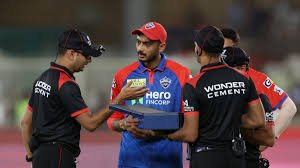
The Board of Control for Cricket in India (BCCI) consistently tweaks playing conditions to keep the Indian Premier League (IPL) competitive and entertaining. For the 2026 season, a significant update has been announced regarding how and when the cricket ball can be changed during an innings. This adjustment aims to address long-standing concerns from players and franchises about ball degradation, dew factors, and the balance between bat and ball.
Understanding these regulatory shifts is essential for cricket fans, fantasy league participants, and aspiring analysts. The new ball-change rule modifies the core dynamics of T20 cricket, altering how captains manage their bowlers and how batters plan their innings.
This post breaks down the mechanics of the new rule, explores its impact on players, and evaluates how it might shift team strategies in the upcoming IPL season.
Overview of the New Ball-Change Rule
The IPL has always been a batter-dominated tournament, but recent regulatory changes aim to level the playing field. The 2026 ball-change rule introduces specific protocols for replacing the match ball under certain conditions.
What Is the Rule?
Under the new guidelines, the fielding captain can request a ball change during an innings if the ball becomes excessively wet due to dew, or if it loses its shape prematurely. Previously, umpires only changed the ball if it failed the hoop test. Now, there is a clearer provision for replacing a waterlogged or severely scuffed ball to ensure bowlers can maintain a proper grip.
Why Was This Rule Introduced?
The BCCI introduced this rule to restore the balance between bat and ball. During evening matches in India, heavy dew often makes the ball wet and slippery. Bowlers struggle to grip it, leading to easy runs for the batting side. By allowing a conditional ball change, the governing body addresses fair play considerations, ensuring that teams bowling second do not face an insurmountable disadvantage.
If you want to read more about the general tournament guidelines, check out our guide on IPL Rules and Regulations Explained.
How the Rule Works in a Match
Implementing this rule requires strict oversight from the match officials to prevent teams from exploiting the system.
Timing of Ball Change
A ball change cannot happen arbitrarily. The fielding team can only request a replacement after a specific number of overs have been bowled, typically during the strategic timeout or after the 10th over, unless severe damage occurs earlier. The replacement ball must have a similar amount of wear and tear as the original ball had before it became unplayable.
Umpire’s Role
The on-field umpires hold the final decision-making authority. They must inspect the ball, evaluate the dew conditions, and determine if the fielding side’s request is justified. This prevents fielding captains from requesting a change simply because they want a harder ball.
For a broader understanding of how matches are structured, read our piece on the IPL Match Format Explained.
Impact on Bowlers
Bowlers are the primary beneficiaries of this regulatory update. A dry, properly shaped ball drastically alters what a bowler can achieve in the middle and death overs.
Advantage for Fast Bowlers
Fast bowlers rely on a firm grip to execute yorkers, slower balls, and bouncers. A slippery ball often results in missed lengths and high full tosses. With the option to swap out a waterlogged ball, pacers will enjoy better grip and potentially more reverse swing in the final overs.
Impact on Spinners
Spinners struggle the most when the ball gets wet. A damp ball simply slides onto the bat without turning. By replacing a compromised ball, spinners can actually grip the seam, allowing them to extract turn and bounce even in dew-heavy conditions. Ball condition is critical for wrist spinners who need friction off the pitch.
To see how legends of the game might have used this rule, look at our list of the Best Bowlers in IPL History.
Impact on Batsmen
While bowlers gain an edge, batters will face a slightly tougher challenge, especially during the second innings of day-night matches.
Challenges Against a New Ball
A replacement ball, even if it is a used one, often has a more pronounced seam and a harder surface than a soggy, battered ball. Batters will have to adjust to sudden changes in movement and bounce. The ball might skid differently or grip the surface, forcing batters to reset their timing.
Change in Batting Approach
Batters usually capitalize on a wet ball in the death overs. With the new rule, batting line-ups may need to consolidate differently. Instead of relying on a slippery ball in the final five overs, they might need to attack earlier in the innings.
For insights into how elite hitters adapt, read our Top IPL Batsmen Analysis.
Strategic Changes for Teams
Franchises spend months analyzing rules to find tactical advantages. The 2026 ball-change rule will undoubtedly alter dugout strategies.
Captaincy Decisions
Captains must now decide the optimal time to request a ball change. Do they ask for it immediately when the spinners come on, or do they wait for the death overs to help their fast bowlers? Knowing when to play this card will become a crucial part of IPL captaincy.
Bowling Rotation Strategy
Teams might change how they rotate their bowlers. A captain could save their premier spinner for the overs immediately following a ball change, knowing the ball will be dry enough to turn.
Learn more about these tactical maneuvers in IPL Captaincy Strategies Explained.
Comparison with Previous IPL Rules
To appreciate the 2026 update, we must look at how the IPL handled the cricket ball in previous seasons.
Old Ball Usage
Historically, teams had to make do with a single ball for the entire 20-over innings. Umpires carried a towel to dry the ball, but a severely wet ball was rarely replaced unless it physically went out of shape or was lost in the stands.
Why This Change Is Significant
This change is significant because it actively acknowledges the environmental factors (like dew) that skew T20 match results. It shifts the IPL away from a purely batter-friendly spectacle toward a more balanced athletic contest.
Discover how the tournament’s playing conditions have transformed in our article covering the Evolution of IPL Rules (2008–2026).
Expert Opinions and Reactions
The cricket fraternity has been quick to react to the BCCI’s announcement, with mixed feelings across the board.
Players’ Views
Bowlers have unanimously welcomed the change, noting that it will significantly reduce the risk of bowling beamers due to a slippery grip. Conversely, some batters feel it interrupts the flow of an innings and takes away the traditional advantage of batting second under lights.
Analysts’ Opinions
Cricket analysts suggest this is one of the most progressive rule changes in recent years. Many argue it will reduce the overwhelming advantage teams get by winning the toss and choosing to chase.
Catch up on the biggest debates in our summary of IPL Controversies and Rule Changes.
Will This Rule Change IPL Outcomes?
The ultimate question is how this translates to points on the league table.
Impact on Match Results
By neutralizing the dew factor, teams batting first will have a much better chance of defending their totals. We are likely to see a more even win-loss ratio between teams setting a target and teams chasing.
Influence on High-Scoring Games
While the IPL will always feature massive sixes, this rule might curb the frequency of 220+ run chases. Bowlers will have a fighting chance in the final overs, potentially leading to tighter, lower-scoring thrillers.
Check out our IPL 2026 Predictions for more insights on the upcoming season.
Future of Rule Changes in IPL
The BCCI’s willingness to implement the ball-change rule shows that the IPL remains a testing ground for cricket’s future.
Technology in Decision Making
Future rule changes will likely rely heavily on technology. We may soon see automated sensors determining exactly when a ball is too wet or degraded to be used, removing human error from the umpire’s decision.
Possible New Rules Ahead
As the game speeds up, authorities will keep looking for ways to balance the contest. We might eventually see different grades of cricket balls used specifically for night matches or enhanced aerodynamic designs.
Read more about where the tournament is heading in the Future of IPL After 2026.
Adapting to the New Era of IPL Cricket
The BCCI’s new ball-change rule for IPL 2026 marks a pivotal moment in T20 cricket. By addressing the severe disadvantages bowlers face due to dew and ball degradation, the governing body has taken a massive step toward fair play. Captains will need to be sharper, bowlers will have a renewed sense of confidence, and batters will have to work harder for their late-innings boundaries. As franchises prepare for the mega auction and the 2026 season, mastering the tactical applications of this rule will be the key to lifting the trophy.
Leave a Reply