

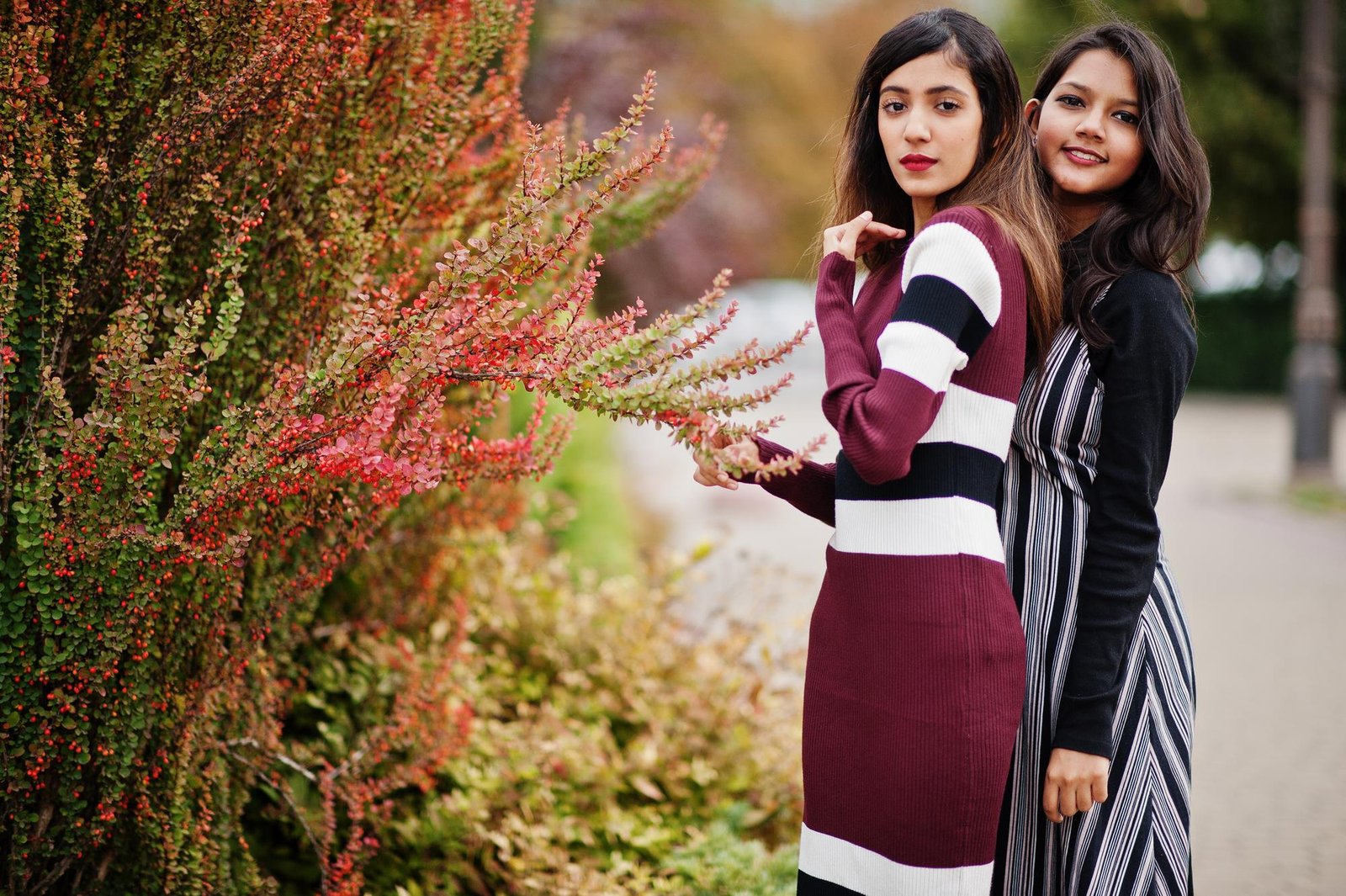
Western wear covers many different clothes, from jeans and tees to dresses and tailored trousers. The useful question is which combination suits your plans, climate and preferences. You do not need to choose one style identity for every part of your life.
These are outfit ideas to adapt, not a forecast for every Indian woman. Start with the clothes you like wearing and the requirements of the place you are going.
For an ordinary workday
Try trousers with a shirt, blouse or knit top, then add a jacket or cardigan if the room calls for it. Check whether the workplace permits denim, casual shoes or sleeveless pieces before building an outfit around them.
Sit and reach in the full combination. A top that fits alone may pull under a jacket. Check trouser length with your commuting shoes as well as any pair you change into at work. The office outfit guide provides fitting checks you can adapt to your own dress code.
For denim and casual separates
Pair comfortable jeans with a tee, shirt or tunic you already wear. Compare a tuck, an untucked top and an open shirt over a base layer. Choose the version you enjoy and can move in, rather than assuming one proportion works for every body.
The washed-denim guide explains the difference between wash and cut. A darker colour does not automatically make denim formal, and a lighter colour does not require a specific leg shape.
For dresses and layered outfits
Walk and sit in a dress before deciding on its length and shape. Test the neckline, sleeves, lining and pockets with your usual base layers. Look at light fabrics in ordinary daylight for opacity.
A removable shirt, cardigan or jacket can offer another combination, but test whether the sleeves and closures work together. Carrying an additional layer should be practical for the day, not just part of an attractive photograph.
Dress for the conditions you encounter
Consider the actual journey, time outdoors and indoor temperature. A warm commute followed by a cool room may call for a different combination from a day spent mostly outside. Fabric weight, weave and lining matter alongside the fibre label.
Check hems and footwear for your route and the expected conditions. Follow garment and shoe care instructions; do not assume a fashion category establishes weather protection. Avoid buying an entirely new seasonal wardrobe before testing which pieces you use.
Mix pieces when the combination works
You might like an embroidered jacket over plain trousers or a kurta with jeans. Try the fit and colours together rather than treating ethnic and western labels as a barrier. The ethnic-wear guide offers more examples of reusing individual pieces.
For the next purchase, name an outfit it will complete and include alteration, cleaning and delivery costs in the budget. The wardrobe planning guide helps you organise the week before shopping. Useful clothes reflect your own routine and preferences, not a claim about how a whole country dresses.



Leave a Reply