

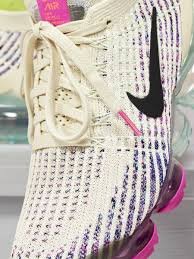
A summer shoe for a short walk to the beach may not be right for a full day on hot pavement. Think about how far you will walk, the ground underfoot and how much coverage you need. Ventilation matters, but so do a secure fit and a sole suited to the activity.
This guide compares styles and buying decisions. It does not rank shoes through independent wear tests or promise to prevent foot problems.
Compare common summer styles
Mesh or knit sneakers
Some sneakers use mesh or knit uppers with openings that can allow more airflow than a closed, non-ventilated upper. The amount varies by construction. Try the shoe with your usual socks and check whether it remains secure when you walk. Mesh is not automatically waterproof or suitable for a job with protective footwear rules.
Adjustable sandals
A sandal can be useful in warm, dry conditions. Check that the straps hold your foot without rubbing and consider whether the activity exposes your toes to impact or rough ground. Berkshire Healthcare’s summer footwear advice discusses fit, grip and activity when comparing sandals and trainers.
Canvas and other casual shoes
Canvas can be a practical casual choice, but a fabric name alone does not guarantee comfort or ventilation. Compare lining, fastening and the way the shoe fits. Read the care label before washing; some materials or adhesives may not be suitable for machine cleaning.
Match the shoe to the day
For a short outdoor meal or relaxed outing, a sandal or casual shoe may work. For longer city walks, compare a secure walking sneaker that fits your route. Our walking-sneaker guide covers commuting, travel and uneven surfaces.
For workplaces, follow the employer’s dress and safety rules. A ventilated upper or open toe is not automatically suitable for a kitchen, warehouse or lab. The long work shifts guide explains why the required protection depends on the job.
Fit and moisture checks
Try both shoes with your usual socks or insoles. Give your toes room, check width and depth, and walk to see whether the heel or straps rub. The AAOS guide to tight shoes recommends measuring both length and width and avoiding shoes that pinch.
If socks feel damp, consider changing them and allowing footwear to dry according to the manufacturer’s instructions. Breathable materials do not guarantee dry feet or prevent blisters. Persistent pain, skin changes or other concerns deserve advice from a qualified clinician.
Buying for summer travel
Check the forecast and the activities on your itinerary before packing. A light shoe can save bag space, but the lightest option is not necessarily the best fit or the right level of coverage. Our lightweight shoe guide discusses trade-offs, and the travel shoe guide offers a packing checklist.
Frequently asked questions
Are sandals suitable for long walks?
Some people find certain sandals comfortable, but fit, distance and surface matter. Try the pair on shorter outings and consider the coverage your activity requires.
Does mesh mean a shoe is waterproof?
No. Check the exact product’s weather description rather than assuming a material provides water protection.
Should summer shoes feel tight at first?
No. Try another size, width or shape if the pair pinches or rubs during the initial fitting.


Leave a Reply