

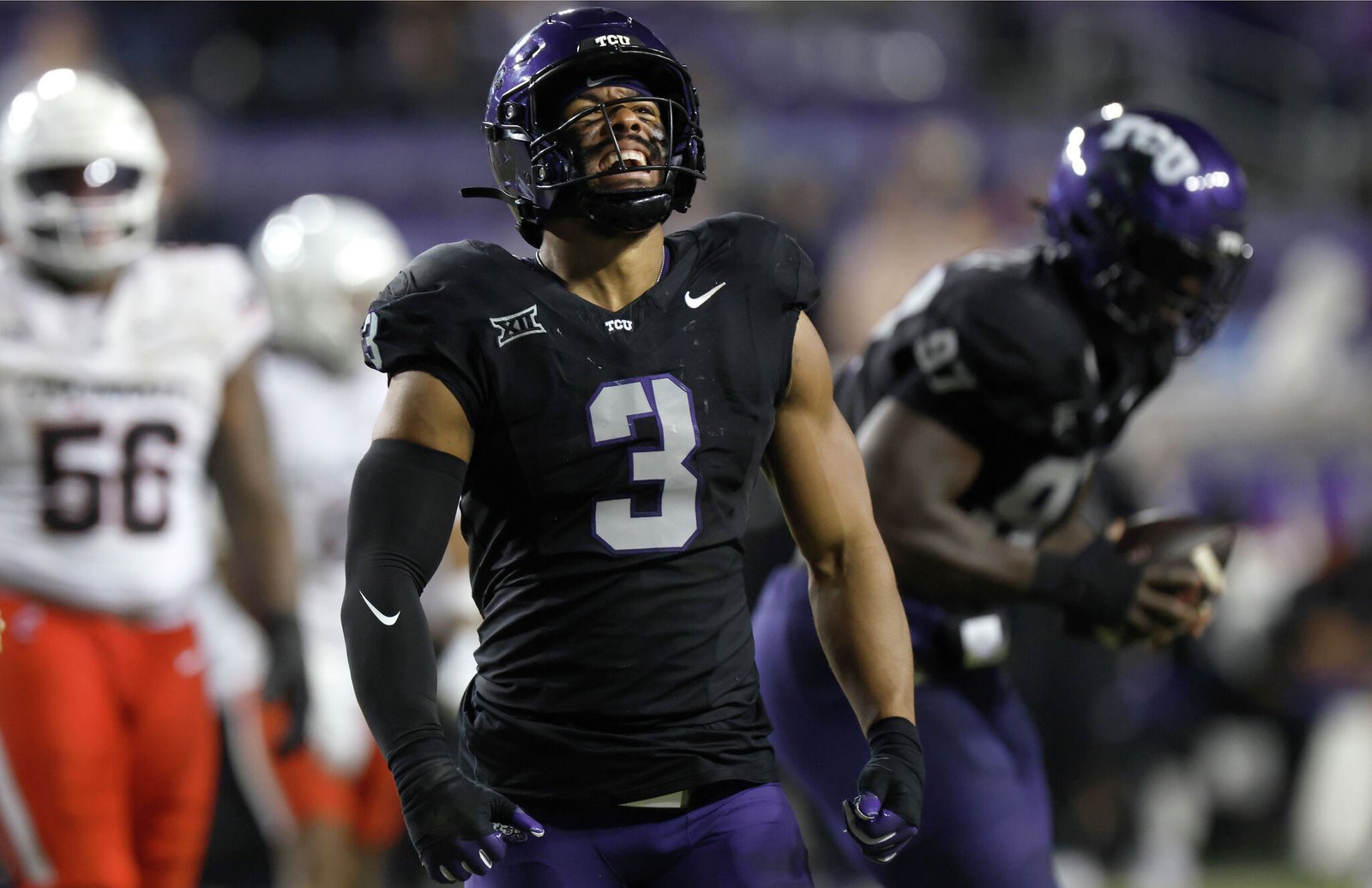
The lights inside the Alamodome have rarely shone on a spectacle quite like this. For four quarters and a dizzying overtime period, the atmosphere in San Antonio was electric, charged with the manic energy that only college football can produce. It was supposed to be a coronation for the USC Trojans, a team that arrived in Texas with high rankings, Heisman aspirations, and a fan base ready to celebrate a statement victory. Instead, they left the field in stunned silence, victims of a gritty, improbable comeback by the TCU Horned Frogs.
Heading into this San Antonio showdown, the narrative seemed written in stone. USC, with their high-powered offense and star-studded roster, were the heavy favorites. Pundits predicted a comfortable win, perhaps even a blowout if the Trojans found their rhythm early. But games aren’t played on paper, and they certainly aren’t decided by pre-game commentary. TCU, embracing the underdog role that has defined their recent resurgence, brought a level of physicality and resilience that USC simply couldn’t shake.
As the final whistle blew in overtime, sealing TCU’s upset victory, the shockwave was felt far beyond the stadium. This wasn’t just a loss; it was a collapse of expectations. For USC fans, it was a moment of heartbreak—a game where victory was snatched away just as it seemed secure. For the neutral observer, it was an instant classic, a reminder of why we watch. But for the Trojans, the long flight back to Los Angeles will be filled with questions about how a night that started with such promise ended in such devastating fashion.
Game Overview – TCU vs USC
The setting for this clash was the iconic Alamodome in San Antonio, a venue known for hosting loud, boisterous crowds. The stakes were undeniably high. For USC, a win was necessary to keep their postseason hopes alive and maintain their position in the national rankings. For TCU, this was a chance to prove that they belong in the conversation with the sport’s blue bloods, an opportunity to knock off a giant on a national stage.
The Pre-Game Atmosphere
Before kickoff, the energy was palpably tilted in USC’s favor. The sea of cardinal and gold in the stands suggested a home-field advantage away from home. National analysts had highlighted USC’s explosive passing attack as the deciding factor, questioning whether TCU’s defense could keep pace with such elite speed on the perimeter. The prediction was a high-scoring affair, but one where USC would pull away in the second half.
The Final Result
Those predictions crumbled in the face of reality. The final score, etched now into the history books, reflects a game of razor-thin margins. The overtime result—a dramatic, sudden-death conclusion—served as the perfect ending to a chaotic script. TCU’s victory wasn’t just about scoring more points; it was about survival, capitalizing on mistakes, and executing under the most intense pressure imaginable.
How the Game Unfolded
The game began exactly how many expected, but ended in a way no one could have foreseen. The narrative arc of the contest shifted violently from one sideline to the other, creating a whiplash effect for fans watching in the stadium and at home.
First-Half Momentum Shifts
USC stormed out of the gate, looking every bit the contender they were touted to be. Their opening drive was a masterclass in efficiency, marching down the field to score a touchdown within minutes. The defense followed suit, forcing a quick three-and-out from TCU. For the first quarter, it looked like the rout was on. USC controlled the clock, the tempo, and the scoreboard.
However, the second quarter brought a subtle but significant shift. TCU settled down. They stopped trying to match USC’s flash and started playing their brand of football: physical, grind-it-out drives that ate up the clock and kept the Trojans’ offense on the sideline. A key interception late in the second quarter allowed TCU to put points on the board before halftime, narrowing the deficit and sending a clear message: they weren’t going anywhere.
Key Third-Quarter Adjustments
The locker room adjustments made at halftime proved pivotal. TCU came out of the break with a new defensive scheme, utilizing more zone coverage to confuse USC’s quarterback. It worked. The Trojans, who had moved the ball at will in the first half, suddenly found the passing lanes clogged and the pocket collapsing.
Offensively, TCU began to target the middle of the field, exploiting mismatches against USC’s linebackers. A long, sustained drive in the third quarter resulted in a touchdown that tied the game, completely erasing the early lead USC had built. The momentum had fully swung to the side of the Horned Frogs, and the crowd in San Antonio sensed it.
Late Fourth-Quarter Drama
The fourth quarter was a showcase of pure adrenaline. Both teams traded blows like heavyweight boxers. USC managed to regain the lead with a spectacular catch-and-run, only for TCU to respond with a kickoff return that set them up in prime field position.
With less than two minutes remaining, TCU drove down the field, converting a desperate 4th-and-long to keep their hopes alive. They kicked a field goal as time expired to tie the game, sending the contest into overtime and sending the Alamodome into a frenzy.
Overtime Breakdown
College football overtime is a unique beast—a test of nerves as much as skill. Starting at the 25-yard line, there is nowhere to hide.
USC’s Possession and Missed Opportunities
USC won the toss and elected to play defense first, a standard strategy. However, after their defense gave up a touchdown to TCU, the pressure shifted squarely onto the offense. When they got the ball, the tension was suffocating.
The Trojans moved the ball effectively on the first two plays, getting inside the 10-yard line. But then, disaster struck. A false start penalty pushed them back, disrupting their rhythm. On third down, a pass to the end zone was just inches out of reach of the diving receiver. They settled for a field goal attempt to extend the game, but a fumbled snap led to a broken play. The desperation heave to the end zone fell incomplete.
TCU’s Decisive Plays
TCU’s possession, by contrast, was clinical. They ran the ball effectively, forcing USC to commit extra defenders to the box, and then hit a play-action pass for the go-ahead score. It was a bold play call that caught the defense guessing.
Coaching Decisions Under Pressure
The contrast in coaching during overtime was stark. TCU’s staff seemed to play to win, taking calculated risks. USC’s play-calling, particularly after the penalty, appeared conservative and disjointed, perhaps paralyzed by the fear of making a mistake. In the end, fortune favored the bold.
Key Performances That Defined the Game
While football is the ultimate team sport, this game was defined by individual moments of brilliance—and failure.
TCU Standout Players
The hero of the night was undoubtedly the TCU quarterback. His stat line was impressive, but his poise was legendary. He extended plays with his legs when the pocket broke down and delivered accurate strikes when his team needed them most.
Defensively, the TCU secondary deserves immense credit. Facing one of the best receiving corps in the country, they held their own, batting down key passes and securing the interception that sparked the second-quarter turnaround.
USC’s Best Efforts
Despite the loss, several USC players had standout performances. Their running back was a force of nature, breaking tackles and keeping the offense moving when the passing game stalled. The defensive line also generated consistent pressure, racking up several sacks.
However, these efforts were marred by missed chances. A dropped pass in the third quarter that would have been a sure touchdown, and the special teams gaffe in overtime, ultimately proved too costly to overcome.
Turning Points and Controversial Calls
No close game is without its controversy, and this one had its share of heated moments that will be debated on sports radio for weeks.
Crucial Penalties
The most talked-about moment occurred midway through the fourth quarter. USC appeared to have forced a fumble that would have sealed the game, but a review determined the runner was down by contact. The call was borderline, and the reversal allowed TCU to continue the drive that eventually tied the game.
Momentum-Changing Moments
Aside from the officiating, the momentum swung violently on a blocked punt by TCU early in the second half. It was a special teams play that woke up the TCU sideline and injected life into a team that had been trailing. That single play seemed to shatter USC’s aura of invincibility.
What This Loss Means for USC
For USC, the fallout from this loss will be severe.
Impact on Season Narrative
The narrative of a dream season has been punctured. The loss exposes flaws in the team’s discipline and ability to close out tight games. It shifts the conversation from “championship contender” to “talented but flawed.”
Rankings and Bowl Implications
This defeat will likely cause USC to plummet in the polls. Any hopes of a playoff berth are now on life support, if not completely extinguished. They are now playing for pride and a decent bowl placement, rather than national glory.
Questions Heading into Next Season
Looking ahead, this game raises questions about the team’s mental toughness. Can the coaching staff rally the troops, or will this heartbreak cause a hangover that affects the rest of the season? The pressure on the program to fix these closing-game issues will be immense heading into the next recruiting cycle.
What the Win Means for TCU
Conversely, for TCU, the sky is the limit.
Statement Victory Significance
This is the kind of win that defines a tenure. Beating a blue-blood program like USC on a neutral field validates the coaching staff’s vision and proves that TCU can compete with anyone in the nation. It is a massive recruiting tool and a badge of honor for the program.
Program Momentum
The momentum generated by this win cannot be overstated. It energizes the fan base, boosts donor confidence, and instills a belief in the locker room that no game is out of reach.
Social Media Reacts to the Overtime Thriller
As the game went into overtime, social media platforms lit up. Twitter (X) became a real-time diary of the collective shock.
Fan Heartbreak vs Celebration
USC Twitter was a mix of anger and disbelief, with fans questioning play-calling and officiating. TCU Twitter, meanwhile, was a party. Videos of fans celebrating in bars and living rooms went viral instantly.
Viral Reactions and Memes
The image of the stunned USC sideline became an instant meme, symbolizing the unexpected nature of the sport. Conversely, clips of the TCU quarterback’s game-winning celebration were shared thousands of times, cementing his status as a college football cult hero. The game trended nationally for hours after the final whistle, a testament to the drama that unfolded in San Antonio.
A Night to Remember—and Regret
The showdown in San Antonio will be remembered as a tale of two trajectories. For TCU, it was a night of magic, grit, and triumph—a validation of their hard-nosed culture. For USC, it was a harsh lesson in the unpredictability of college football, a reminder that talent alone is not enough to secure victory.
As the lights dimmed in the Alamodome, the scoreboard told the final story, but the emotions left behind were far more complex. USC must now pick up the pieces of a shattered season, while TCU rides a wave of euphoria into the future. It was an overtime thriller that delivered heartbreak and heroism in equal measure, proving once again why we can’t look away.
Ready to dive deeper into college football analysis? Subscribe to our newsletter for weekly breakdowns and exclusive content.
Leave a Reply