

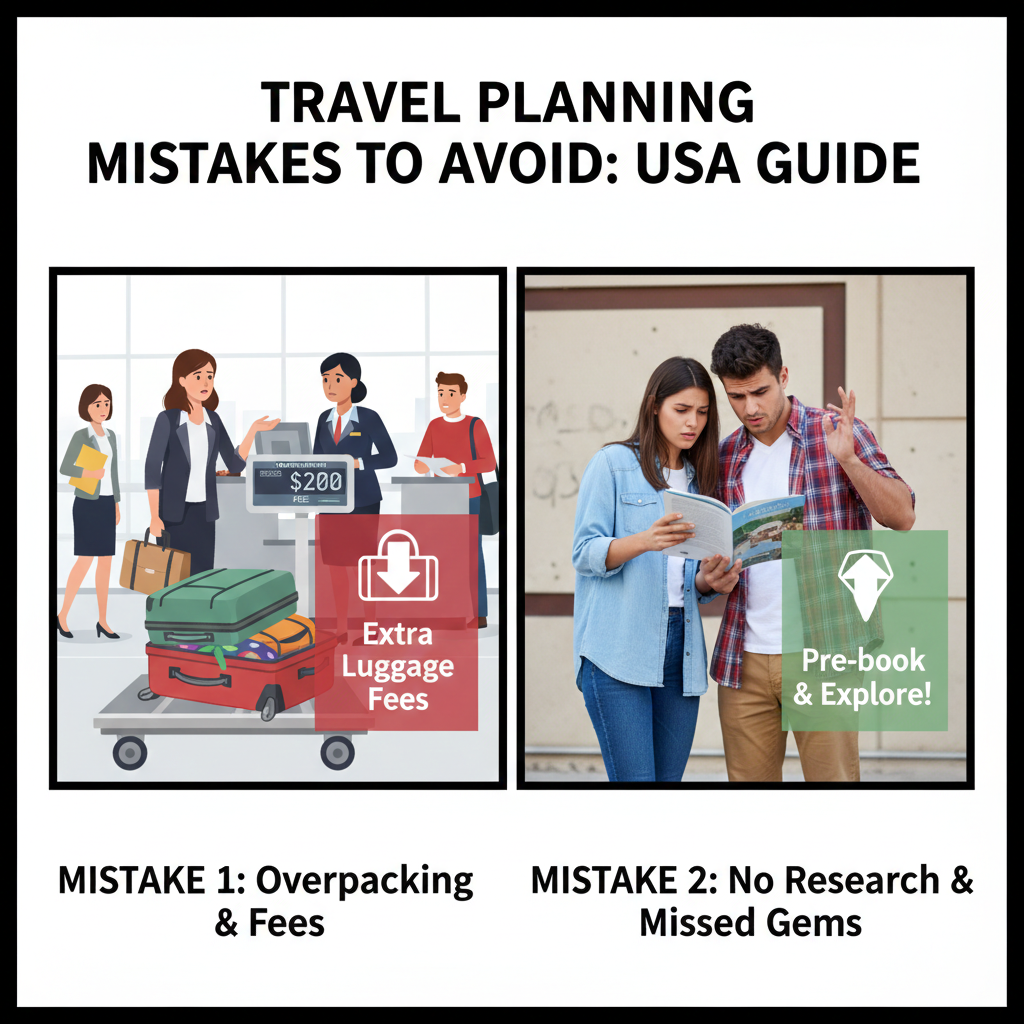
Planning a trip across the US can feel exhilarating. There’s the thrill of picking a destination, the anticipation of new experiences, and the promise of memories waiting to be made. But between the initial daydream and the moment you step out your front door, there’s a labyrinth of logistics to navigate. Even seasoned travelers stumble. A missed detail here or an overlooked expense there can quickly turn a dream vacation into a stressful ordeal.
We’ve all been there—staring at a hotel bill that’s double what we expected, or realizing too late that the “scenic route” adds four hours to the drive. Avoiding these pitfalls isn’t just about saving money; it’s about preserving the joy of travel. By sidestepping common errors, you protect your time, your budget, and your peace of mind. This guide explores the most frequent travel planning mistakes and offers practical strategies to ensure your next American adventure is smooth, memorable, and worry-free.
Why Travel Planning Matters More Than Ever
Spontaneity has its charm, but the current travel landscape demands a bit more foresight. The days of showing up at a popular national park or a trendy city hotspot without a reservation are largely behind us. Planning is no longer just a type-A preference; it’s a necessity for a successful trip.
Rising travel costs
Inflation has touched every corner of the travel industry. From gas prices to hotel rates and dining out, the cost of exploring the US has climbed significantly. A budget that worked five years ago might barely cover the essentials today. Strategic planning allows you to identify deals, lock in lower rates, and allocate funds where they matter most. Without a plan, you risk blowing your budget on last-minute premiums just to secure basic accommodations or transport.
Crowded destinations and limited availability
“Revenge travel” may have peaked, but the appetite for exploration hasn’t waned. Popular destinations like Yellowstone, New York City, and the Florida Keys often see record crowds. Many attractions now require timed entry reservations released months in advance. Failing to plan means you might travel thousands of miles only to be turned away at the gate. Securing your spots early ensures you actually get to experience the places you traveled so far to see.
Booking Too Late (or Too Early)
Timing is everything when it comes to booking. There’s a sweet spot for securing the best value, and missing it can cost you.
Flight and hotel price timing
The golden rule isn’t simply “the earlier, the better.” While booking last minute is almost always expensive, booking too far out can also result in paying a premium. Airlines often release seats at a higher baseline price, which may drop as they gauge demand. Conversely, waiting for a last-minute deal is a gamble that rarely pays off in today’s high-demand market. Tools like Google Flights or Hopper can help you track prices and identify the optimal window for purchase—usually 1 to 3 months in advance for domestic flights.
Missed deals vs inflexible bookings
Locking in a “non-refundable” rate months in advance might save you $20 initially, but it could cost you hundreds if your plans change. The mistake here is trading flexibility for a minor discount before your itinerary is solid. Balance the urge to snag a deal with the reality that life happens. Sometimes, paying slightly more for a flexible booking is the best insurance policy you can buy.
Underestimating Total Trip Costs
The sticker price of a flight or hotel is rarely the final cost of the trip. One of the most common planning errors is creating a budget based on big-ticket items while ignoring the steady drip of daily expenses.
Hidden fees and taxes
Resort fees, parking charges, cleaning fees for vacation rentals, and local tourism taxes can add surprisingly large sums to your bill. A $200-a-night hotel room can easily become $300 once all fees are applied. Always read the fine print and calculate the “out the door” price before committing.
Transportation, food, and activities
It’s easy to budget for the rental car but forget the gas, tolls, and parking. Similarly, dining out for every meal adds up fast. Travelers often underestimate the cost of experiences—tickets to museums, equipment rentals, or guided tours. A realistic budget accounts for three meals a day (plus snacks), all transit costs, and a buffer for spontaneous fun.
Skipping Travel Insurance
Many domestic travelers assume insurance is only for international trips. After all, your health insurance works in other states, right? While that’s often true, travel insurance covers far more than just medical emergencies.
Medical and cancellation risks
Even if your health plan covers you out-of-state, it won’t reimburse you for a non-refundable vacation rental if you get the flu the day before departure. Nor will it help if your luggage is stolen or if a hurricane forces you to evacuate your beach house. Travel insurance protects your financial investment against the unpredictable.
Common misconceptions
A common error is relying solely on credit card protection. While some premium cards offer trip coverage, it’s often limited. It might cover lost bags but not medical evacuation, or flight cancellation but not a family emergency. Review your existing coverage carefully to ensure it actually meets your needs.
Overpacking or Packing the Wrong Items
We tend to pack for our “fantasy self”—the version of us who needs three different evening outfits for a hiking trip. This leads to heavy bags and frustration.
Airline baggage fees
With most airlines charging for checked bags (and some for carry-ons), overpacking has a direct financial penalty. Bringing more than you need drags down your budget and your mobility. Navigating airports, public transit, and hotels is infinitely easier with a lighter load.
Weather and activity mismatches
Checking the forecast a week out is good; checking it the day before is better. A common mistake is packing for the season rather than the specific weather. San Francisco in July requires a jacket, not just tank tops. Similarly, packing heels for a walking-heavy city tour or flip-flops for a rocky trail can ruin your comfort and limit what you can do.
Ignoring Visa, ID, and Entry Requirements
For domestic travel, we often get complacent about documentation. But rules change, and getting caught without the right ID can end a trip before it starts.
Passport validity rules
If you are crossing borders—even to Canada or Mexico—validity matters. Many countries require your passport to be valid for six months beyond your travel dates. For domestic flights, the upcoming REAL ID enforcement means your standard driver’s license might not get you through TSA security checkpoints in the near future.
Domestic vs international requirements
Don’t assume regulations are uniform. Some states have specific agricultural restrictions (like bringing fruit into California or Hawaii). Understanding these nuances prevents awkward encounters with authorities and potential fines.
Overplanning Every Minute
The urge to maximize every second is understandable, especially when you have limited vacation time. However, an itinerary packed with back-to-back activities is a recipe for exhaustion.
Burnout and travel fatigue
Travel is tiring. Changing time zones, sleeping in strange beds, and navigating new places drains your energy. If you schedule every hour, you leave no room for rest. You risk returning from your vacation needing another vacation.
Lack of flexibility
When every minute is accounted for, a single delay—a traffic jam, a slow server, a rainstorm—topples the entire schedule like dominoes. This creates immense stress. Leaving open blocks of time allows you to linger at a cafe, explore a shop that catches your eye, or simply nap, making the trip feel leisurely rather than regimented.
Choosing the Wrong Accommodation Location
A great hotel in a bad location is a bad hotel choice. Prioritizing price or amenities over geography is a classic rookie mistake.
Distance from attractions
Saving $50 a night to stay in the suburbs seems smart until you spend $60 a day on Uber rides to get downtown. Time is also currency. Spending two hours a day commuting eats into your exploration time. Staying central or near your primary activities is often worth the premium.
Transportation and safety concerns
Research the neighborhood. Is it safe to walk at night? Is it near a transit stop? Relying on a map without understanding the terrain or safety profile can land you in an uncomfortable situation. Street view tools and recent guest reviews are invaluable for vetting a location before you book.
Not Researching Transportation Options
Assuming you need a car—or assuming you don’t—can drastically alter your trip experience.
Rental cars vs public transport
In cities like New York, Chicago, or Boston, a car is a liability. Parking is extortionate and traffic is a nightmare. In these hubs, public transit is superior. Conversely, trying to explore Los Angeles or vast rural areas without a vehicle is frustrating and inefficient. Match your transport mode to the destination.
Parking and traffic issues
If you do rent a car, research parking. Many hotels in city centers charge upwards of $50 per night for valet. Factoring this in might change where you decide to stay or whether you rent a car at all. Also, be aware of local traffic patterns. Crossing a city at rush hour can steal precious vacation time.
Failing to Plan for Connectivity
We rely on our phones for everything: maps, boarding passes, reservations, and recommendations. Assuming you’ll always have service is risky.
Mobile data and roaming
While coverage in the US is generally good, vast pockets of “dead zones” exist, particularly in national parks and rural areas. Driving through the desert Southwest or the Appalachian mountains often means zero signal.
Navigation and booking access
If your tickets are in the cloud and you have no signal, you have a problem. The fix is simple: download offline maps (Google Maps allows this) and save screenshots or PDF copies of all reservations and tickets. This digital redundancy ensures you can navigate and check in regardless of cell tower proximity.
Not Accounting for Travel Delays
Optimism is great for life, but realism is better for travel schedules. Planes get delayed, tires go flat, and traffic happens.
Buffer time between connections
Booking a 45-minute layover in a massive airport like Atlanta or Dallas is asking for trouble. A minor delay on your first leg means missing your second. Always pad your connections. The same applies to driving; if GPS says four hours, budget five.
Weather and seasonal disruptions
Summer brings thunderstorms; winter brings blizzards. These aren’t anomalies; they are seasonal norms. If you are traveling during volatile weather seasons, build flexibility into your arrival and departure times. Don’t plan a “must-do” expensive activity for three hours after your flight lands.
Ignoring Local Culture and Etiquette
The US is vast and culturally diverse. The pace of life in New York City is radically different from Savannah, Georgia.
Regional norms and expectations
Ignoring these differences can lead to friction. In the Northeast, efficiency is polite; in the South, chatting is polite. Understanding tipping customs, pedestrian etiquette, and local pacing helps you blend in and get better service.
Avoidable misunderstandings
Simple things, like knowing whether to stand or walk on an escalator or how to hail a cab, vary by city. A little reading up on local “rules of the road” prevents you from being the annoying tourist.
Relying Only on Social Media Recommendations
Instagram and TikTok are fantastic for inspiration, but they are poor tools for comprehensive planning.
Unrealistic expectations
Social media highlights the “hero shot”—the empty beach at sunrise or the perfect meal. It rarely shows the crowd of 50 people behind the camera or the hour-long wait for a table. Basing your trip solely on viral trends sets you up for disappointment when reality doesn’t match the filter.
Sponsored content bias
Influencers are often paid to promote specific spots. That “hidden gem” might just be a well-funded marketing campaign. Cross-reference social media finds with reputable guidebooks, travel blogs, and recent reviews to verify if a spot is truly worth your time.
Not Having Backup Plans
The most brittle plans are the ones that shatter when one thing goes wrong. Resilience is key to happy travel.
Canceled activities
The ferry to the island might get canceled due to wind. The museum might be closed for a private event. If your heart is set on one outcome, you’ll be crushed. Having a “Plan B” (and C) means you pivot quickly to a new adventure rather than sulking in the hotel room.
Weather changes
If your entire trip is outdoors, what happens if it rains for three days? Have a list of indoor alternatives—museums, cafes, shopping, or theaters—ready to go. This turns a washout into a different kind of fun.
How to Plan Smarter Trips in the USA
Avoiding these mistakes doesn’t mean taking the fun out of travel. It means building a sturdy framework so the fun can happen uninterrupted.
Simple planning checklist
- 6 months out: Pick dates, set budget, request time off.
- 3-4 months out: Book flights and key accommodations.
- 2 months out: Book rental cars and “must-do” ticketed activities.
- 1 month out: Check passport/ID, buy travel insurance, plan rough itinerary.
- 1 week out: Check weather, start packing, confirm reservations.
Prioritization framework
You can’t do everything. Pick one “anchor” activity for each day—the one thing you really want to do. Let everything else be flexible. This ensures you hit your highlights without succumbing to burnout.
FAQs – Travel Planning Mistakes
What is the most common travel planning mistake?
Overpacking the itinerary is arguably the most common error. Travelers try to squeeze too much in, leading to stress, rushing, and an inability to truly enjoy the moment.
How far in advance should I plan a trip?
For major domestic trips, 3 to 4 months is a healthy window. This allows you to secure availability without locking yourself in too early. For holidays or peak national park visits, 6 months or more is recommended.
Is travel insurance really necessary?
Yes, for any trip where you have significant pre-paid, non-refundable costs. It’s a small price to pay for protection against cancellations, interruptions, and medical emergencies.
How do I avoid overspending while traveling?
Create a daily budget that includes food and incidentals, not just flights and hotels. Use apps to track spending in real-time. Avoid eating every meal in tourist hotspots; venture a few blocks away for better prices and food.
What should I always plan before a trip?
Always have your first night’s accommodation booked, know your transport from the airport/arrival point to that accommodation, and have a way to access money and maps offline.
Plan Your Next Adventure with Confidence
Travel is an investment in yourself. It widens your perspective and refreshes your spirit. By avoiding these common planning traps, you ensure that your investment pays off in relaxation and joy rather than stress and debt.
The perfect trip isn’t one where nothing goes wrong—it’s one where you’re prepared to handle whatever comes your way. So, double-check that itinerary, download those offline maps, and leave a little room for the unexpected. Your future self will thank you.
Leave a Reply