

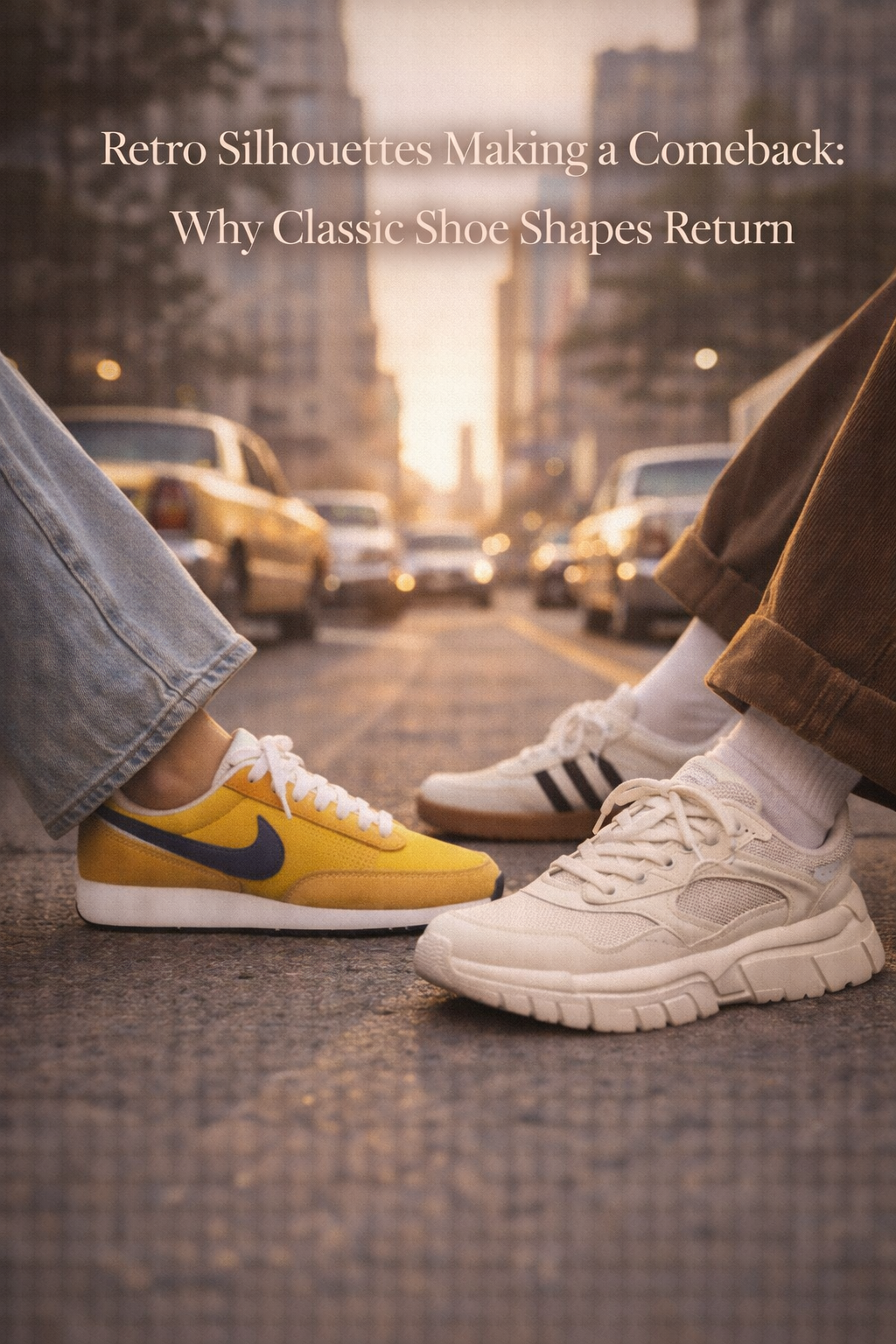
Fashion is rarely linear; it is a pendulum that swings between the avant-garde future and the comfortable past. Walk down any major city street, and you will notice a distinct lack of futuristic chrome or gravity-defying heels. Instead, you see gum soles, T-toes, and chunky high-tops that look like they were pulled straight from a 1985 catalogue.
The current footwear landscape is dominated by the return of the retro silhouette. But this isn’t just about re-releasing old products. It is a deeper movement centered on the outline, the profile, and the geometry of the shoe. While colorways change and materials evolve, the fundamental shape—the silhouette—remains the anchor of visual identity.
Why do we keep returning to these specific forms? Is it a lack of new ideas, or is there a psychological comfort in the curves of a classic court shoe? To understand this phenomenon, we have to look at how history, culture, and innovation intersect on the soles of our feet.
[See also: Evolution of Shoes Through History]
[See also: What Is a Shoe Silhouette]
What Defines a Retro Shoe Silhouette?
To understand the comeback, we first need to define what makes a silhouette “retro.” In design terms, the silhouette is the overall shape of the object—its shadow, essentially. When we talk about retro footwear, we are usually referencing three specific archetypes that defined the aesthetics of the 1970s, 80s, and 90s.
Slim Vintage Runner Profiles
The 1970s sparked a jogging boom that changed footwear forever. The silhouette of this era is characterized by a low profile, a narrow toe box, and a wedge-shaped midsole. These shoes were designed for speed and lightness, stripped of unnecessary padding or bulk.
The defining feature is often the “T-toe” overlay—a piece of suede reinforcement at the toe that forms a T-shape. This creates a visual arrow, pointing the foot forward. Unlike modern maximalist running shoes which feature oversized foam heels and rocker bottoms, the vintage runner keeps the foot close to the ground. It is a sleek, aerodynamic shape that pairs easily with modern tailoring, making it a versatile staple.
Classic High-Top Shapes
If the 70s belonged to the runner, the 80s belonged to the high-top. Driven by the explosion of basketball culture, this silhouette is all about ankle support and bold paneling. The shape is boxier and more substantial.
The architecture of a classic high-top is vertical. It extends the visual line of the leg down to the floor, creating a dominant stance. These silhouettes often feature flat, cup-sole bottoms rather than the curved running soles of the previous decade. The “retro” aspect here is the structured collar and the visible stitching that defines the sidewalls. It represents a time when athletic gear began its transition from the court to the street.
Minimalist Low-Top Designs
The third pillar of retro design is the minimalist low-top, often associated with tennis or skateboarding. These silhouettes are defined by their simplicity. They lack the aggressive wedge of the runner or the bulk of the high-top.
Instead, they feature clean, uninterrupted lines and a flat rubber sole. This is the silhouette of “anti-fashion.” It is a blank canvas. The resurgence of this shape speaks to a desire for understated design. In an era of loud, digital noise, the quiet geometry of a simple low-top court shoe offers visual relief.
[See also: Classic Sneaker Silhouettes in History]
Why Retro Silhouettes Are Trending Again
The cyclical nature of fashion explains that trends return, but it doesn’t explain why specific ones resonate at specific times. The current obsession with retro shapes is driven by a unique mix of emotional and digital factors.
Nostalgia and Cultural Memory
Nostalgia is a potent drug in the retail world. However, the current retro trend is unique because it appeals to two distinct demographics: those who lived through the era and those who didn’t.
For older generations, these silhouettes unlock cultural memories—the first basketball game, the music videos of the 90s, the shoes their parents wore. For Gen Z and younger millennials, the appeal is “anemoia”—nostalgia for a time they never knew. These silhouettes represent a pre-digital, tangible era that feels more “real” or “authentic” than the hyper-optimized present. The shape of a vintage sneaker communicates a sense of heritage and stability.
Social Media and Streetwear Influence
Platforms like Instagram and TikTok have accelerated the vintage revival. Streetwear culture, which lives and dies on social media, heavily favors the “archive” aesthetic. Influencers and tastemakers dig through brand back-catalogues to find obscure models, turning forgotten silhouettes into viral hits.
Visually, retro silhouettes often photograph better than technical performance gear. Their lines are cleaner, and they pair better with the baggy, relaxed fits that are currently popular in clothing. A slim vintage runner balances out wide-leg trousers in a way that a chunky modern running shoe cannot.
[Related reading: The Psychology of Sneaker Culture and Modern Identity]
Simplicity vs Modern Complexity
Modern performance footwear is a marvel of engineering, but visually, it can be overwhelming. Carbon fiber plates, mesh knits, and alien-like foam protrusions signal high technology, but they lack casual approachability.
Retro silhouettes offer simplicity. A leather upper stitched to a rubber sole is a construction method the human eye understands. There is an honesty to the design. As our lives become increasingly complex and digitized, we gravitate toward objects that feel grounded and understandable. The “Dad shoe” trend was the ultimate expression of this—rejecting high fashion for something aggressively normal.
Retro vs Modern Silhouettes: Key Differences
While the visual profile remains true to the past, the manufacturing behind these shoes has changed drastically. A direct 1:1 replica of a 1975 running shoe would be nearly unwearable by today’s comfort standards.
Cushioning and Comfort Updates
The biggest difference lies inside the midsole. Vintage shoes utilized basic EVA (Ethylene Vinyl Acetate) foam, which was prone to bottoming out and offered limited energy return. Modern iterations of these silhouettes hide advanced technology inside the retro shell.
Brands now inject polyurethane compounds or proprietary foam blends into the midsoles of classic shapes. This allows the wearer to have the aesthetic of a flat, vintage sole while enjoying the shock absorption of a modern performance shoe. You get the look of the 70s with the walkability of the 2020s.
[See also: Cushioning Technologies Explained]
Material Innovations
The leather and suede used forty years ago were heavy and required significant break-in periods. Modern tanning and synthetic knitting processes have changed the game.
Newer retro releases often use synthetic leathers that are lighter, more flexible, and more durable against water. Furthermore, the use of engineered mesh allows for breathability that vintage nylon could never achieve. The silhouette remains sharp, but the materials contour to the foot more effectively, reducing blisters and hot spots.
Sole Thickness and Style Impact
If you hold an original vintage sneaker next to its modern reissue, you might notice a subtle difference in the sole. Modern reissues often slightly thicken the midsole.
This is partly for comfort (to hide more foam) but also to align with modern tastes. We have grown accustomed to a certain amount of visual weight at the bottom of a shoe. A truly paper-thin vintage sole can look jarringly delicate today. By adding a few millimeters of height, designers modernize the stance of the shoe without destroying its classic lineage.
[See also: Sole Thickness and Style Impact]
Popular Retro Styles Returning Today
Which shapes are dominating the shelves right now? The market is currently seeing a resurgence across three distinct categories.
Vintage Running Shoes
The “terrace culture” look—inspired by British soccer fandom—has brought the low-profile runner back into the spotlight. These shoes are characterized by gum soles, suede uppers, and distinct branding stripes. They are narrow and sit low to the ankle. This silhouette is dominating casual fashion because it is versatile enough to be worn with shorts, jeans, or even casual suits.
Classic Basketball High-Tops
The bulky, leather high-top remains the king of streetwear. While the performance technology in these shoes is obsolete for professional athletes, the silhouette is iconic. The thick ankle collar and the wide, flat toe box create a silhouette that commands attention. This shape has transcended sport to become a canvas for artistic expression and collaboration.
Retro Platform Designs
The 90s and early 2000s have returned via the platform sneaker. This silhouette takes a classic upper—often a simple court shoe—and places it atop an exaggerated, stacked sole.
This design plays with proportions, offering height and a bold, chunky aesthetic that contrasts with the sleekness of the vintage runner. It is a playful manipulation of the silhouette that appeals to those looking to make a statement.
[See also: Platform Shoes and Their Evolution]
[See also: High-Top vs Low-Top Explained]
How Brands Modernize Retro Silhouettes
The most successful footwear brands are those that can remix their archives. It is a delicate balance of honoring the past while pushing the product forward.
Sustainable Materials
One of the most significant updates to retro silhouettes is the integration of eco-friendly materials. Because classic shoes have simple construction (panels stitched together), they are excellent candidates for sustainable innovation.
Brands are rebuilding icons using mushroom leather, recycled ocean plastics, and vegan glues. The silhouette becomes a vessel for modern values. A shoe that looks like it is from 1980 can now be fully biodegradable, proving that old designs can host future-forward ideas.
[See also: Sustainable Shoe Materials Guide]
Updated Cushioning Systems
“Restomodding” is a term from the car industry where you put a modern engine in a classic car body. This is happening in footwear. We are seeing classic canvas high-tops fitted with drop-in foam insoles that rival top-tier running shoes. We are seeing air-injection units hidden inside cup soles that look solid from the outside. The goal is to make the retro silhouette an all-day shoe, not just a style piece.
Gender-Neutral Design Trends
Historically, footwear was heavily gendered, often arbitrarily. Retro silhouettes, particularly runners and court shoes, tend to be inherently unisex.
Modern brands are leaning into this by releasing these shapes in extended size runs rather than separate “men’s” and “women’s” models. The neutral geometry of a classic sneaker appeals across the board, aligning with the fashion industry’s broader move toward gender-fluid design.
[See also: Gendered vs Gender-Neutral Silhouettes]
Cultural Meaning Behind Retro Shoe Comebacks
Why do we care so much about the shape of a shoe? Because in fashion, the silhouette is the primary communicator of identity.
Wearing a specific retro silhouette signals cultural literacy. It shows that you understand the history of hip-hop, or the legacy of skateboarding, or the aesthetics of 70s track stars. It is a visual shorthand.
Furthermore, in a fast-fashion world where trends die in weeks, wearing a silhouette that has existed for fifty years is an act of rebellion. It places value on timelessness over timeliness. It suggests that good design is permanent. When a brand brings back a silhouette from the archives, they aren’t just selling a shoe; they are selling a story.
[See also: Why Humans Care About Shoes]
The Future of Retro-Inspired Shoe Design
Will we ever run out of archives to mine? Unlikely. The definition of “retro” is constantly moving forward. Soon, the knitted socks and ultra-boosted shapes of 2015 will be considered “retro.”
AI-Generated Retro-Futuristic Hybrids
We are also entering the age of AI design. Designers are using artificial intelligence to merge silhouettes, asking computers to “combine a 1960s loafer with a 1990s basketball shoe.” The result is a new genre of “retro-futurism”—shapes that look vaguely familiar but have never actually existed.
Digital Nostalgia
As our lives move into the metaverse and digital spaces, the “skin” or silhouette of our avatars becomes a new commodity. We are likely to see digital-only releases of classic silhouettes, allowing people to wear rare archival pieces in virtual environments. The silhouette will exist as pure data, detached from physical materials entirely.
[See also: Futuristic Shoe Shapes]
Why Classic Silhouettes Never Truly Disappear
Trends may fluctuate, but the core silhouettes of footwear—the runner, the high-top, the court shoe—are like the pillars of architecture. They provide the foundation upon which all other trends are built.
A retro comeback is never just about looking back. It is about recognizing that certain problems of design—how to wrap the foot comfortably, how to provide traction, how to look good in motion—were solved decades ago. We return to these classic shapes not because we are out of ideas, but because they work. They are the standards by which we measure everything else.
[Read Here: Shoe Silhouettes Explained: Shape, Structure & Style]
Leave a Reply