

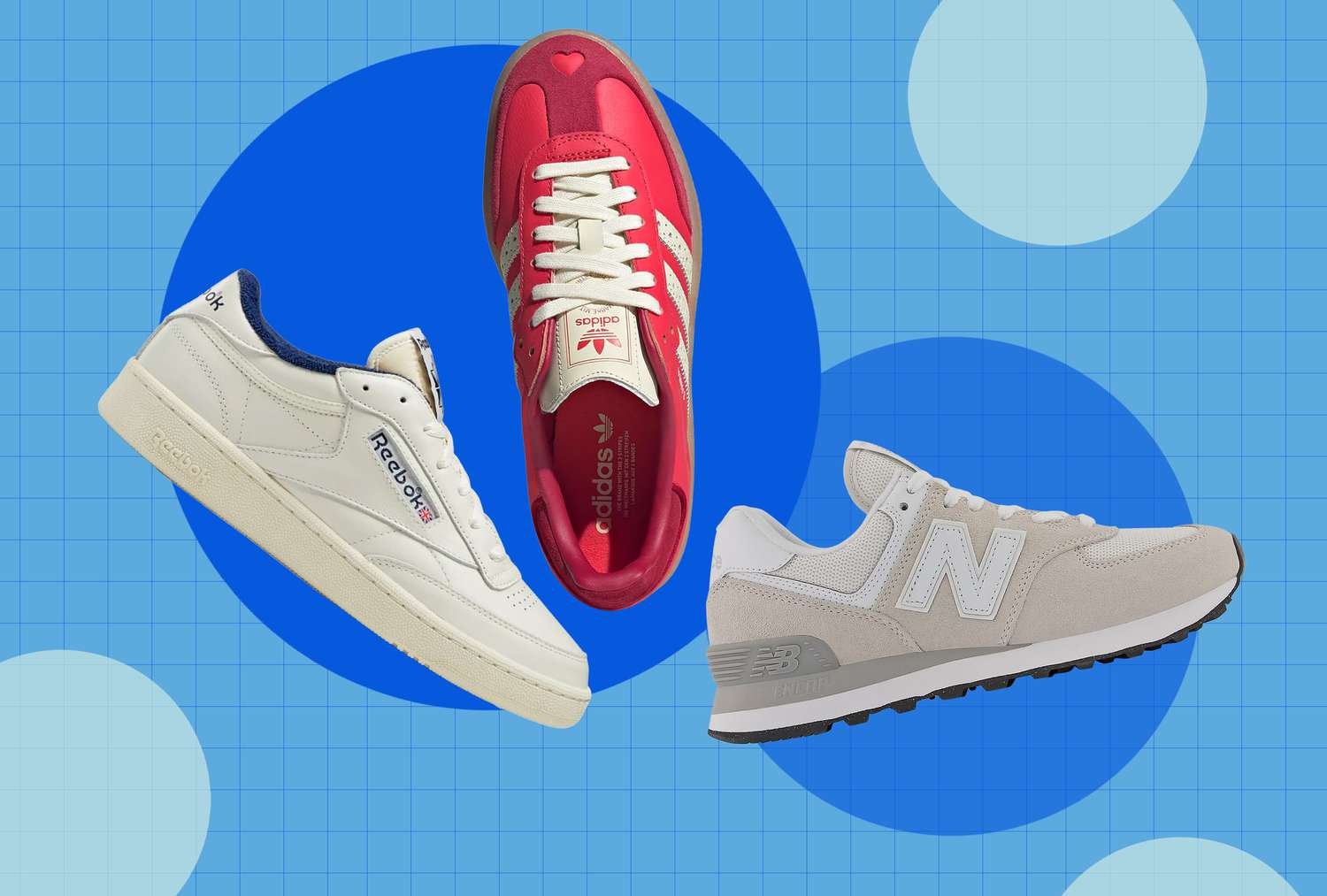
We demand a lot from our feet. From navigating the concrete jungle of a morning commute to standing in line at the grocery store or chasing toddlers around the park, the average American takes thousands of steps every single day. Yet, many of us still sacrifice comfort for style, ending the day with aching arches and blistered heels.
It doesn’t have to be this way. The footwear industry has evolved significantly, and by 2026, the technology used in athletic shoes has successfully migrated into casual, everyday silhouettes. You no longer need to look like you are running a marathon just to enjoy the benefits of high-performance foam and ergonomic design.
Investing in the right pair of daily sneakers is an investment in your overall health. Proper footwear aligns your posture, protects your joints from impact, and keeps your energy levels stable throughout the day. This guide explores the best options available in the USA this year, helping you find the perfect pair to support your lifestyle.
What Makes Sneakers Comfortable for Daily Wear?
When searching for comfortable sneakers for daily wear in the USA, it is easy to get distracted by flashy colorways or celebrity endorsements. However, true comfort comes down to the engineering hidden inside the shoe. Understanding these technical elements will help you make a smarter purchase decision.
Cushioning and Shock Absorption
The midsole is the heart of any comfortable sneaker. In 2026, brands are utilizing advanced EVA (ethylene-vinyl acetate) foams and nitrogen-infused compounds that provide a “cloud-like” feel without collapsing under weight. This cushioning absorbs the shock of each step, preventing that impact from traveling up your shins and into your knees. For daily wear, you want a balance: soft enough to feel cozy, but firm enough to remain durable over months of use.
Arch Support and Stability
A shoe that is too soft can sometimes lack stability, causing your foot to roll inward (overpronation) or outward (supination). The best sneakers feature structured arch support that cradles the foot, maintaining natural alignment. This is particularly important if you are on your feet for hours at a time, as muscles fatigue and rely more on the shoe’s structure for support.
Breathable Materials
There is nothing comfortable about hot, sweaty feet. Modern knit uppers and engineered mesh allow for maximum airflow, regulating temperature and reducing the risk of blisters caused by friction and moisture.
Lightweight and Flexible Design
A heavy shoe acts as an anchor, dragging you down as the day progresses. Top-tier daily sneakers utilize lightweight synthetic materials that move with you. Flexibility in the forefoot is equally vital, allowing for a natural toe-off motion when walking.
Comfortable Sneakers for Daily Wear in the USA (Top Picks)
The market for comfortable sneakers for daily wear in the USA 2026 is vast, but a few categories stand out for their ability to handle general usage. These are the “do-it-all” shoes designed for the person who needs one reliable pair for everything from dog walking to casual Fridays at the office.
All-Day Comfort Sneakers
These models typically feature maximalist cushioning. They prioritize a plush underfoot feel that creates a barrier between you and the pavement. Look for brands that specialize in recovery footwear or running shoes adapted for lifestyle use. The focus here is on reducing the sheer impact of gravity on your body over 12 to 14 hours.
Casual Everyday Sneakers
If you prefer a sleeker aesthetic that pairs well with jeans or chinos, “lifestyle runner” hybrids are the way to go. These shoes take the technology of performance gear—like responsive energy return—and package it in a retro or minimalist silhouette. They offer a lower profile than maximalist shoes but still provide significantly more support than a standard canvas sneaker.
Sneakers for Long Standing and Walking
For days that involve a mix of static standing and active walking, you need a hybrid solution. These sneakers often feature a slightly wider base for stability and a rocker-bottom geometry. This curved sole shape helps propel you forward with less effort, reducing fatigue in the calves and ankles.
Best Comfortable Sneakers for All-Day Walking
Walking requires a specific type of mechanical support. Unlike running, where the impact is high and fast, walking involves a consistent, rolling motion from heel to toe. The comfortable walking sneakers USA residents rely on prioritize a smooth transition and durability.
Sneakers for Errands and Commuting
If your day involves hopping on and off subways, walking across parking lots, or navigating city blocks, you need traction and resilience. Look for rubber outsoles that provide grip on wet or uneven surfaces. The upper should be durable enough to withstand scuffs but soft enough to prevent hot spots during a brisk walk.
Reducing Foot Fatigue
Fatigue sets in when your foot muscles have to work too hard to stabilize your body. Walking sneakers often employ a firmer heel counter (the back of the shoe) to lock your foot in place. This prevents slipping and sliding inside the shoe, ensuring that your energy is used for moving forward rather than stabilizing your stance.
Lightweight Soles and Grip
A heavy rubber sole can make a mile-long walk feel like five. Manufacturers are now using blown rubber and exposed foam compounds that offer excellent grip without the weight penalty. This keeps your step light and snappy, even when you are carrying heavy grocery bags or a backpack.
Most Comfortable Sneakers for Standing All Day
Standing is biomechanically different from walking. When you walk, the pressure shifts across your foot. When you stand, gravity applies constant, localized pressure to your heels and the balls of your feet. This is why sneakers for standing all day require specific features.
Cushioning and Pressure Relief
Static standing restricts blood flow and compresses the soft tissue in your feet. The ideal sneaker for standing features high-volume cushioning that distributes your body weight evenly across the entire footbed. Memory foam insoles or orthotic-grade inserts are highly effective here, as they mold to your specific foot shape to eliminate pressure points.
Supportive Midsoles
While softness is good, a marshmallow-soft shoe can actually increase back pain when standing because your body has to constantly micro-adjust to stay balanced. A supportive, slightly firmer midsole helps maintain posture. A slight heel-to-toe drop (where the heel is slightly higher than the toes) can also alleviate strain on the Achilles tendon and lower back.
Shoes for Work and Retail Jobs
For those in service industries, aesthetics often have to meet uniform codes. Fortunately, many top comfort brands produce “work-ready” versions of their best-selling models in all-black or neutral colorways. These often come with slip-resistant outsoles, combining safety with the endurance needed for an 8-hour shift on concrete floors.
Best Comfortable Sneakers for Men and Women
While many sneakers are marketed as unisex, anatomical differences often dictate the need for gender-specific engineering. Finding comfortable sneakers for men USA and comfortable sneakers for women USA often comes down to fit nuances.
Anatomical Differences
Generally, women’s feet tend to be narrower in the heel and wider in the forefoot relative to the heel. Women’s sneakers are often built on a “last” (the mold used to shape the shoe) that accommodates this shape to prevent heel slippage. Men’s feet are typically broader and have greater overall volume. Consequently, men’s sneakers usually offer a wider toe box and a more uniform width from heel to toe.
Fit and Sizing Considerations
Regardless of gender, sizing is the most critical factor in comfort. A shoe that is the wrong size will never be comfortable, no matter how much technology is inside.
- Toe Room: You should have about a thumb’s width of space between your longest toe and the end of the shoe.
- Width: If your foot spills over the edge of the midsole, you need a wide size.
- Heel Fit: The shoe should grip your heel snugly without digging in.
Affordable Comfortable Sneakers in the USA
You do not need to spend $200 to find relief for your feet. The market for affordable comfortable sneakers USA is robust, provided you know where to look.
Budget-Friendly Options
Many brands offer entry-level models that use slightly older technology. These shoes might use last year’s foam compound rather than the cutting-edge flagship foam, but for the average daily walker, the difference is often negligible. Brands known for value often provide excellent durability and decent cushioning at a sub-$80 price point.
Best Value-for-Money Picks
Value isn’t just about the lowest price; it’s about cost per wear. A $100 shoe that lasts 12 months is a better value than a $40 shoe that falls apart in three. Look for sneakers with reinforced stitching, solid rubber outsoles, and reputable brand histories.
Comfort vs. Price Comparison
Higher-priced sneakers usually offer lighter materials, more responsive energy return, and more breathable uppers. However, affordable options often excel in durability and basic stability. If you are not running marathons, a mid-range sneaker often provides 90% of the comfort of a top-tier model for 60% of the price.
Comfortable Sneakers by Foot Type
One size does not fit all, and one structure does not suit all arches. Tailoring your choice to your specific foot mechanics is the secret to long-term comfort.
Flat Feet
If you have flat feet, your arch collapses when you step, causing your foot to roll inward. You need motion control or stability sneakers. These feature a denser foam on the inner side of the midsole (a medial post) or a guide rail system to gently correct your stride and prevent knee pain.
High Arches
People with high arches often have rigid feet that do not absorb shock well. The best sneakers for this foot type are neutral cushioned shoes with plenty of flexibility. You want the shoe to do the shock absorbing that your natural arch is not doing.
Wide Feet
Cramming a wide foot into a standard shoe leads to bunions, corns, and numbness. Fortunately, many brands now offer 2E (Wide) and 4E (Extra Wide) options. Look for brands that are famous for their generous toe boxes, allowing your toes to splay naturally.
Foot Pain and Plantar Fasciitis
If you suffer from heel pain or plantar fasciitis, look for shoes with a rigid heel counter and substantial arch support. Avoid minimalist or overly flexible shoes. A shoe with a slight heel elevation can take tension off the plantar fascia, providing immediate relief.
How to Choose the Best Comfortable Sneakers
Navigating the shoe store can be overwhelming. Use this checklist on how to choose comfortable sneakers to ensure you walk out with the right pair.
Proper Sizing and Fit
Feet swell throughout the day. Always try on shoes in the late afternoon or evening when your feet are at their largest. Bring the socks you intend to wear with the sneakers to get an accurate feel for the fit.
Cushion and Sole Checklist
Press your thumb into the midsole. It should have some give but rebound quickly. Bend the shoe at the toe—it should flex where your foot naturally bends. Twist the shoe; if it wrings out like a wet towel, it likely lacks the stability needed for all-day wear.
Breathability and Durability
Inspect the upper material. If you live in a hot climate, look for open mesh. If you live in a rainy area, look for tightly woven synthetics or treated leather. Check the outsole—high-wear areas (heel and toe) should be covered in durable rubber.
When to Replace Daily-Wear Sneakers
Visual wear isn’t the only indicator. The foam midsole often degrades before the tread wears out. If you notice new aches in your knees or shins, or if the shoe feels “dead” underfoot, it is time for a replacement. Typically, daily wear sneakers last between 300 to 500 miles, or roughly 6 to 8 months of regular use.
Comfortable Sneakers vs Casual Shoes
The debate of comfortable sneakers vs casual shoes (like loafers, boat shoes, or ballet flats) often forces a choice between style and substance.
Support and Comfort Comparison
Traditional casual shoes often lack a midsole. You are essentially walking on a thin strip of leather or rubber and the hard ground. Sneakers, conversely, are built on a platform of performance foam designed to mitigate impact. While a leather loafer might conform to your foot over time, it will rarely offer the active support of a sneaker.
Which is Better for Everyday Use?
For strict office dress codes, casual shoes might be mandatory. However, if your environment permits, a clean, neutral-colored sneaker is vastly superior for foot health. The long-term benefits of arch support and shock absorption outweigh the aesthetic of a flat casual shoe. If you must wear dress shoes, consider commuting in sneakers and changing at your destination.
Frequently Asked Questions (FAQ)
Q1. What are the most comfortable sneakers for daily wear in the USA in 2026?
The most comfortable sneakers typically combine high-stack cushioning with breathable uppers. Look for flagship models from major athletic brands that feature their proprietary foam technologies, focusing on “lifestyle” or “walking” categories.
Q2. Are comfortable sneakers good for standing all day?
Yes, but specific features matter. For standing, prioritize stability and arch support over extreme softness. A slightly firmer midsole prevents muscle fatigue better than a squishy one over long periods.
Q3. Which sneakers are best for long daily walking?
Sneakers with a rocker-bottom sole and a durable rubber outsole are best. They encourage a smooth heel-to-toe transition, making walking feel less strenuous.
Q4. Are affordable comfort sneakers worth buying?
Absolutely. Many affordable options use reliable, proven technologies. While they may be slightly heavier or less breathable than premium models, they can still provide excellent support and durability for daily use.
Q5. What features make sneakers comfortable for everyday use?
Key features include adequate arch support, shock-absorbing midsole foam, a breathable upper (mesh or knit), a roomy toe box, and a heel counter that prevents slipping.
Q6. How often should daily-wear sneakers be replaced?
If you wear them every day, plan to replace them every 6 to 8 months. Once the foam compresses permanently, the shoe loses its ability to protect your joints, even if the upper looks fine.
Q7. Can comfort sneakers be worn for work and casual outfits?
Yes. The trend of “athleisure” has made sneakers acceptable in many workplaces. sticking to neutral colors like black, white, gray, or navy makes them easier to pair with trousers or skirts.
Final Thoughts: Choosing the Right Daily-Wear Sneakers
Selecting the right footwear is more than a fashion choice; it is a daily commitment to your physical well-being. As we move through 2026, the lines between performance athletic wear and daily fashion continue to blur, giving consumers access to unprecedented levels of comfort.
Remember to prioritize fit above all else. A shoe that matches your specific foot type—whether flat, wide, or high-arched—will always outperform a generic recommendation. Don’t be afraid to test multiple brands and styles to find the geometry that works for your stride.
By building a rotation of reliable everyday sneakers, you ensure that your feet have the support they need to carry you through your busiest days. Treat your feet well, and they will return the favor with better posture, less pain, and more energy to tackle whatever life throws your way.
Leave a Reply