

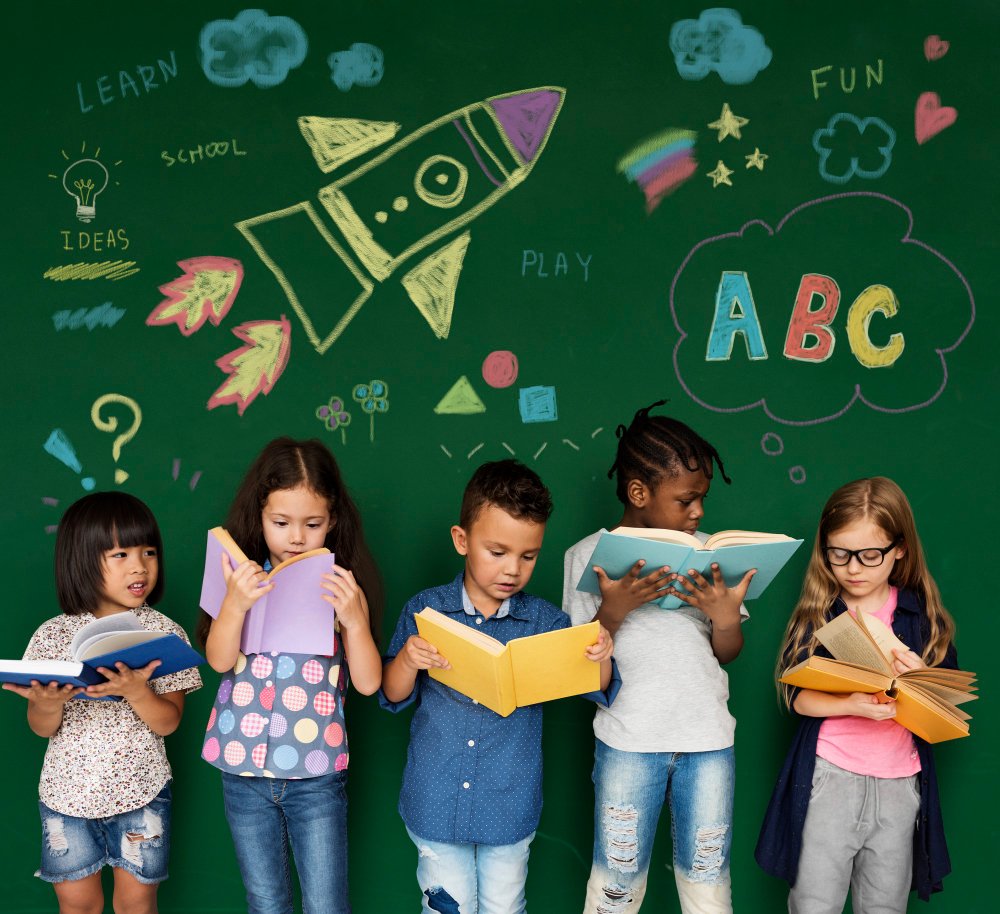
Introduction to Modern Educational Philosophy
In recent years, modern educational philosophy has shifted significantly towards a more child-centric approach, recognizing the unique needs and learning styles of primary school children. This new perspective emphasizes the importance of tailoring teaching methods to cater to the diverse backgrounds and capabilities of students, ensuring that each child’s educational experience is both effective and engaging. By prioritizing the individual learner, educators are finding innovative ways to foster creativity, critical thinking, and a love for learning in young children.
Traditional teaching practices often employed a one-size-fits-all methodology, leaving many students disengaged and struggling to keep up with standard curricula. In contrast, contemporary philosophies advocate for a responsive educational environment, where flexibility is key. This shift is particularly crucial in addressing the various challenges faced by today’s primary school children—including technological distractions, varying socioeconomic backgrounds, and differing emotional and cognitive development levels.
One of the central themes of modern educational philosophy is the recognition of each child’s potential and the belief that education should not be confined to rote memorization or standardized testing. Instead, educators are encouraged to incorporate innovative practices that promote active learning, collaboration, and exploration. By integrating technology and hands-on experiences into the curriculum, teachers create dynamic learning environments that motivate students and enhance their overall academic performance.
The essence of modern educational philosophy lies in the acknowledgment that each child is unique and brings their own set of experiences to the classroom. By adopting teaching strategies that embrace this diversity, educators can better support the individual learning journeys of their students, ultimately preparing them for a rapidly changing world. The aim is to create not just knowledgeable individuals, but well-rounded, adaptable learners who are equipped for future challenges.
Understanding the Needs of Primary School Children
Recognizing the unique psychological and developmental needs of primary school children is essential for fostering a conducive learning environment. At this stage, children undergo significant cognitive, emotional, and social growth, each aspect playing a crucial role in their overall educational experience.
Cognitive development in primary school children is characterized by a growing ability to think logically and understand abstract concepts. At this age, children are also refining their problem-solving skills and developing critical thinking abilities. Educational strategies should, therefore, incorporate activities that stimulate curiosity and promote engagement through hands-on learning experiences. Aligning with their cognitive competencies enhances their ability to absorb and retain information, thus making learning more effective.
Emotional needs are equally important during this developmental stage. Children are learning to navigate their emotions and form their identities. A supportive environment enables them to express feelings safely and develop resilience in the face of challenges. Educators should create an atmosphere of trust and openness, allowing children to articulate their emotions freely. Integrating social-emotional learning into the curriculum can help children develop empathy, self-awareness, and interpersonal skills, which are crucial for their well-being.
Furthermore, social development is intrinsic to the primary school experience. Children are beginning to understand social dynamics, including friendships and group interactions. Structured collaborative activities foster teamwork and communication skills. Therefore, incorporating group tasks and social interaction in lessons not only aids social skills but also enhances overall academic performance.
In essence, understanding the multifaceted needs of primary school children is vital for crafting effective educational strategies. By acknowledging their cognitive, emotional, and social requirements, educators can employ teaching methods that resonate with the children’s unique developmental stages, ultimately laying the foundation for a more effective educational framework.
The Role of Play in Learning
Play is a fundamental aspect of childhood that offers invaluable benefits in educational settings, serving as a critical medium through which primary school children engage with and comprehend their environment. In the realm of education, the concept of play-based learning has gained significant traction, reflecting an understanding that children learn best when they are involved in activities that feel natural and enjoyable. Play facilitates not only engagement but also fosters essential skills such as problem-solving and critical thinking.
Various play-based methodologies incorporate games, role-playing, and creative activities into the curriculum, allowing children to explore concepts in a hands-on manner. For example, through structured play, children can experiment with math concepts by using blocks to create different shapes, thereby experiencing geometric principles in a tangible way. This method goes beyond rote memorization; it encourages children to think independently, collaborate with others, and devise innovative solutions within a playful context.
The positive impacts of play on learning outcomes are well-documented. Studies indicate that children who engage in regular play-based learning tend to show improved cognitive performance and higher levels of creativity. Additionally, these methodologies often help in developing social skills, as children learn to negotiate, communicate, and work in teams while engaging in various forms of play. Schools that incorporate structured play into the daily curriculum not only witness increased enthusiasm among students but also reflect enhanced academic achievements.
Play nurtures a love for learning, which is vital in a child’s formative years. By prioritizing play-based learning, educators support the holistic development of primary school children, ensuring that they are not only knowledgeable but also equipped to face real-life challenges with resilience and creativity.
Integrating Technology in Education
The integration of technology in primary school education is becoming increasingly prevalent, reflecting a shift towards more interactive and engaging teaching methods. Emerging educational technologies, such as interactive whiteboards, tablets, and educational software, facilitate tailored learning experiences that accommodate various learning styles. For instance, visual learners can benefit immensely from video content and interactive simulations, while auditory learners may find value in podcasts and voice-activated tools. This diverse array of technology tools allows educators to create a holistic learning environment that fosters critical thinking and creativity.
One of the significant benefits of incorporating technology into the curriculum is the ability to enhance student engagement. Interactive platforms encourage participation by making learning more appealing. Features such as gamification and interactive quizzes can motivate students, helping them to retain information more effectively compared to traditional methods. Moreover, technology can provide immediate feedback, enabling students to identify their strengths and areas that require improvement in real-time.
However, the integration of technology in education also presents some challenges. One primary concern is the digital divide, as not all students have equal access to technology. This inequality may exacerbate existing educational disparities, particularly in under-resourced schools. Furthermore, educators must be adequately trained to implement technology effectively in their teaching practices. Without proper support and professional development, the potential benefits of technology may remain unrealized.
In conclusion, while the incorporation of technology in primary education offers numerous benefits, including enhanced engagement and personalized learning experiences, it is crucial to address the challenges such as access and training to ensure all students can reap the advantages of these educational technologies.
Encouraging Creativity and Critical Thinking
In contemporary educational frameworks, fostering creativity and critical thinking has emerged as a pivotal aspect of teaching primary school children. These skills not only enhance the learning experience but also prepare children to navigate the complexities of the modern world. Teaching methods that prioritize exploration and innovation allow students to engage with content more deeply, resulting in increased retention and enjoyment of learning.
One effective approach is the incorporation of project-based learning (PBL), where students work on extended projects that culminate in a final product or presentation. This method encourages children to think critically about their work, develop solutions to problems, and collaborate with peers. For example, a project could involve researching a local environmental issue, encouraging students to investigate, brainstorm solutions, and present their findings to the class. Such activities not only stimulate creativity but also promote teamwork and communication skills, which are essential in today’s collaborative environments.
Another beneficial strategy is the use of inquiry-based learning, which supports students in asking questions and exploring topics that pique their interest. By allowing children to direct their own learning, educators cultivate a sense of curiosity and a willingness to engage with challenges. In an inquiry-based classroom, children might investigate historical events by engaging in role-play or simulating historical scenarios, thus fostering a deeper understanding and stimulating imaginative thinking.
Incorporating arts into the curriculum also plays a crucial role in nurturing creative skills. Activities such as painting, theater, music, and creative writing not only enhance students’ artistic capabilities but also provide avenues for self-expression and emotional development. Arts integration helps children become adaptable thinkers, equipping them with the tools to approach problems from varying perspectives.
The Importance of Emotional Intelligence in Education
Emotional intelligence (EI) plays a critical role in the education of primary school children. Defined as the ability to identify, understand, manage, and utilize emotions effectively, EI is essential for both academic success and social development. Research has consistently demonstrated that integrating EI into the school curriculum leads to improved outcomes for students. For example, a study conducted by the University of Illinois found that children who received EI training showed significant increases in academic performance and emotional regulation compared to those who did not participate in such programs.
Furthermore, emotional intelligence not only enhances academic success but also fosters better relationships among peers. When children learn to recognize and manage their emotions, they are more equipped to engage in positive social interactions. Studies, such as one published in the Journal of Educational Psychology, indicate that children with high levels of EI are often more empathetic and demonstrate improved conflict resolution skills. This emotional proficiency not only benefits individual students but also promotes a more harmonious classroom environment.
Incorporating emotional intelligence education can be accomplished through structured programs as well as through informal teaching moments in the classroom. Techniques such as role-playing, discussions about emotions, and mindfulness activities can be woven into the daily routine. For instance, a school in California implemented an EI curriculum that included weekly lessons on emotional awareness and regulation. As a result, they reported a reduction in behavioral issues and an increase in student participation and cooperation.
Ultimately, prioritizing emotional intelligence in education not only prepares children for academic challenges but also equips them with lifelong skills necessary for navigating relationships and overcoming obstacles. By fostering EI from an early age, we can create a generation of well-rounded individuals capable of thriving both personally and professionally.
Collaborative Learning Environments
Collaborative learning environments play a crucial role in enhancing the educational experience for primary school children. At the core of this approach is the understanding that students learn effectively when they are engaged in teamwork and peer interactions. This method of education promotes not only the acquisition of knowledge but also fosters critical social skills that are essential for personal and academic growth.
Through collaborative learning, students are encouraged to share their ideas, challenge one another’s viewpoints, and work together to solve problems. This dynamic interaction leads to a deeper understanding of the subject matter, as learners are exposed to diverse perspectives that may not have been considered individually. Moreover, engaging with peers in a collaborative setting cultivates essential skills such as communication, negotiation, and empathy, which are invaluable throughout their educational journey and beyond.
To create an effective collaborative learning environment in schools, educators can implement various strategies. These include setting up group projects that require cooperative planning and execution or configuring classroom layouts that facilitate group discussions. Additionally, teachers can utilize technology, such as collaborative online platforms, to enhance interaction among students, allowing for both synchronous and asynchronous collaboration. It is essential for educators to design activities that encourage active participation from all students, ensuring that each child feels valued in the learning process.
In conclusion, incorporating collaborative learning environments in primary education not only enriches the academic experience but also prepares students for future interpersonal relationships and teamwork situations. By valuing collaboration among students, schools can significantly improve understanding and retention of knowledge, equipping children with the skills necessary for lifelong learning.
Customized Learning Pathways
The implementation of customized learning pathways denotes a significant shift from traditional education methodologies. Personalized education recognizes that each child possesses unique abilities, learning styles, and challenges that necessitate tailored approaches to effectively support their educational journey. This strategy focuses on creating individualized learning experiences that align with each student’s strengths and areas for improvement.
Research indicates that when students are offered personalized pathways, they thrive academically and socially. For instance, schools that have adopted this model often utilize advanced assessment tools to gather data on each student’s needs. This information enables educators to design targeted instructional strategies and interventions that are specifically aimed at enhancing each learner’s development. By embracing this approach, educational institutions facilitate a more engaging and impactful learning environment.
Successful case studies illustrate the effectiveness of customized learning pathways in primary education. One notable example can be found in a progressive school located in the Midwest, where teachers developed individual learning plans that adapt to the evolving needs of students. This initiative involved close collaboration between educators, parents, and students, fostering a community that values open dialogue about learning preferences. As a result, the school reported improved student performance, increased motivation, and heightened self-confidence among its learners.
Moreover, technology often plays a pivotal role in implementing these personalized learning experiences. Educational software and apps can offer real-time feedback and allow students to progress at their own pace, ensuring that they grasp concepts before moving on. By leveraging such resources, educators provide a dynamic learning landscape that is not only responsive but also promotes student autonomy.
In summary, customized learning pathways present a transformative solution for primary education. By acknowledging and addressing the diverse needs of children, educators can cultivate a more effective and inclusive educational framework that sets the stage for lifelong learning.
Conclusion: A Call to Action for Educators and Policymakers
As we have explored throughout this blog post, the landscape of primary education is in urgent need of transformation. Traditional methods must evolve to meet the diverse needs of today’s learners, embracing innovative pedagogical approaches that foster critical thinking, collaboration, and creativity. Implementing active learning strategies, integrating technology effectively, and emphasizing social-emotional learning are pivotal components of a modern educational framework that prepares students for the complexities of the future.
It is crucial for educators to be equipped with the necessary tools and training to adapt their teaching methods. Professional development programs that focus on contemporary educational strategies can bridge the gap between traditional and innovative techniques. Policymakers also play a vital role by advocating for and implementing policies that support these changes. By prioritizing funding for innovative educational programs and encouraging partnerships between schools and local communities, they can significantly enhance the primary education experience.
In addition, stakeholder engagement is essential for driving these changes. Parents and community members should be involved in dialogues about educational practices and contribute to fostering an environment that values curiosity and intrinsic motivation in children. It is not merely the responsibility of educators but of society as a whole to ensure that primary school children receive an education that is relevant and empowering.
Therefore, we urge educators and policymakers to take actionable steps towards reforming primary education. Embrace innovative methods, advocate for necessary resources, and engage with the community. Only through collaborative efforts can we ensure that the next generation is well-equipped to thrive in an increasingly complex world. The future of education requires a commitment to growth and adaptability, and it starts now.
Leave a Reply