

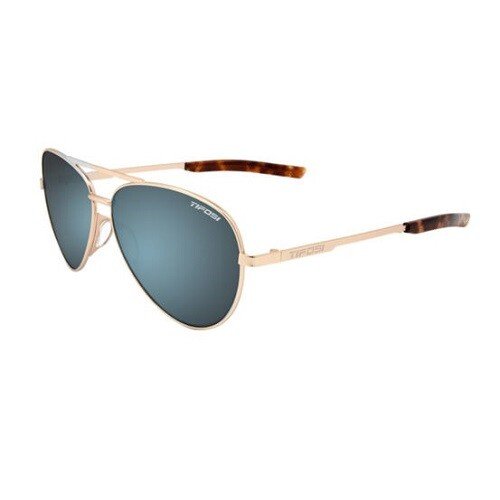
When you walk out the door, you grab your keys, your wallet, and your phone. But for many of us living in the USA, there’s a fourth essential item: sunglasses.
Far more than just a fashion statement, sunglasses are a daily necessity. They shield our eyes from harmful UV rays during the morning commute, reduce glare while driving, and hide the evidence of a late night. Yet, finding that perfect pair—the one that looks good with a suit and sweatpants, feels comfortable after six hours, and doesn’t slide down your nose—can feel like an impossible quest.
We often categorize eyewear into extremes: cheap plastic pairs we don’t mind losing, or expensive designer frames we’re terrified to scratch. The sweet spot lies in the middle: the everyday sunglass. This is the pair you reach for instinctively. It’s reliable, stylish, and protects your vision without weighing you down.
In this guide, we’re breaking down everything you need to know to find the best sunglasses for everyday wear in the USA. From lens technology to frame materials, we’ll help you find your daily driver.
What Makes Sunglasses Good for Everyday Use?
Not all eyewear is created equal. While those oversized, rhinestone-encrusted frames might be perfect for a brunch photo op, they likely aren’t the best sunglasses for everyday wear in the USA. A daily pair needs to tick specific boxes regarding functionality and durability.
UV400 Protection
The non-negotiable feature of any daily eyewear is protection. Look for a “UV400” label. This indicates that the lenses block 99% to 100% of both UVA and UVB radiation. Without this, you are exposing your eyes to potential long-term damage, including cataracts and macular degeneration. Darker lenses do not automatically mean better protection; the UV coating is clear, so even lighter tints can offer full safety if rated correctly.
Lightweight Materials
If you plan to wear your glasses for hours—driving, walking the dog, or sitting at an outdoor cafe—weight matters. Heavy acetate or metal frames can dig into the bridge of your nose and cause headaches. Materials like TR90 (a thermoplastic material), high-quality injected nylon, or thin titanium offer durability without the bulk.
Neutral and Versatile Design
Everyday sunglasses need to be the chameleons of your wardrobe. A classic Wayfarer, Aviator, or soft round shape in black, tortoise, or gunmetal grey will match almost any outfit. While bright red frames are fun, they might clash with your office attire or your favorite weekend hoodie.
Comfort Features
Pay attention to the contact points. Adjustable nose pads (often found on metal frames) allow for a custom fit, while fixed pads on acetate frames should be contoured to sit flush against the nose. Spring hinges are another feature to look for; they allow the arms to flex outward slightly, preventing the frames from squeezing your temples.
Best Sunglasses for Everyday Wear in the USA (Top Picks)
Finding the best sunglasses for everyday wear in the USA involves balancing budget, style, and utility. Here are the categories you should consider when shopping.
Casual Daily Sunglasses
For running errands or hitting the grocery store, you want fuss-free frames. Brands like Warby Parker and Ray-Ban dominate this space with iconic shapes like the Justin or the Holbrook. These frames are usually matte or gloss plastic, offering high impact resistance and a laid-back aesthetic.
Work-Friendly Everyday Styles
If your daily routine involves client meetings or a business-casual office, you need a sleeker profile. Rimless or semi-rimless frames, or thin metal frames like the classic Aviator, project a more professional image. Brands like Oliver Peoples or Maui Jim offer sophisticated designs that look just as good with a blazer as they do with a polo shirt.
All-Day Comfort Sunglasses
For those who wear glasses from sunup to sundown, sporty-casual hybrids are excellent. Brands like Oakley or Costa Del Mar design frames specifically for grip and comfort. They often include rubberized nose pads and temple tips (hydrophilic rubber) that actually grip better when you sweat, ensuring your glasses stay put during a humid American summer.
Best Everyday Sunglasses for Men
When looking for everyday sunglasses for men USA, the market leans heavily toward timeless shapes that have survived decades of trend cycles.
Classic and Modern Frames
The Aviator and the Wayfarer remain the kings of men’s eyewear. However, modern variations are worth exploring. Rectangular frames offer a sharp, masculine look that suits most face shapes. The “Navigator”—a squarer version of the Aviator—is currently surging in popularity for its authoritative yet cool vibe.
Casual vs. Smart-Casual
Men often need a pair that bridges the gap between the gym and the office. Matte black frames are the safest bet here. They lack the shine of formal eyewear but look cleaner and more intentional than sporty wraparounds.
Comfort for Long Wear
Men often have wider temples, meaning standard fits can feel like a vice grip. Look for brands that offer “XL” or “Asian fit” (also known as low bridge fit) options. These adjustments ensure the arms don’t bow out significantly, which prolongs the life of the hinges and keeps you comfortable.
Best Everyday Sunglasses for Women
The search for everyday sunglasses for women USA often focuses on finding frames that provide ample coverage (to protect that delicate under-eye skin) while remaining chic.
Stylish Yet Practical Designs
The “Cat Eye” and oversized round frames are perennial favorites for women. They offer a touch of old-school Hollywood glamour but are functional in that they block light from entering above and below the eye.
Lightweight and Face-Friendly
Women often deal with the issue of sunglasses getting tangled in hair or sliding down due to makeup. Frames with integrated nose pads (molded into the frame) are less likely to snag hair when you push your glasses up onto your head.
Everyday Fashion Compatibility
Tortoise shell is the MVP of women’s everyday eyewear. It is softer than black and complements a wider range of skin tones and hair colors. Whether you are wearing a floral summer dress or a winter coat, tortoise frames add warmth and texture to the look.
Most Comfortable Sunglasses for Daily Wear
If comfort is your priority, you need to look beyond the brand name and inspect the engineering. Comfortable sunglasses USA shoppers swear by usually share a few common traits.
Lightweight Materials
TR90 memory plastic is a game-changer. It is incredibly flexible and light—so much so that you might forget you are wearing it. Beta-titanium is the metal equivalent; it is hypoallergenic, corrosion-resistant, and featherlight.
Flexible Frames
Stiff frames break. Flexible frames survive. Sunglasses with flexibility in the bridge and temples can withstand being tossed into a bag or sat on (accidentally, of course). This flexibility also means the frame contours to your head shape rather than forcing your head to conform to the frame.
Pressure-Free Fit
The key to avoiding “sunglass headaches” is weight distribution. A good pair balances the weight between the nose and the ears. If the glasses leave deep red marks on your nose after 30 minutes, they are too heavy or poorly fitted.
Affordable Sunglasses for Everyday Use
You don’t need to spend $300 to get a quality pair of daily shades. The market for affordable everyday sunglasses USA has grown significantly, with brands offering polarized lenses and sturdy frames for under $50.
Budget-Friendly Options
Brands like Goodr and Knockaround have revolutionized the budget space. They offer polarized lenses, fun colors, and non-slip coatings for prices ranging from $25 to $40. These are perfect “beater” pairs—high quality enough to protect your eyes, but cheap enough that losing them won’t ruin your week.
Best Value-for-Money Picks
In the mid-range ($50-$100), you find brands like Quay or Privé Revaux. Here, you start to see better optical clarity in the lenses and acetate frames rather than injected plastic.
Quality vs. Price Comparison
When you pay a premium, you are usually paying for brand heritage, lens technology (like glass lenses vs. polycarbonate), and frame craftsmanship. However, for strict UV protection and basic durability, budget options in the USA are heavily regulated and generally safe to use.
How to Choose Sunglasses for Your Face Shape
One of the biggest hurdles in buying online is knowing best sunglasses for face shape. Here is a quick cheat sheet:
Round Faces
If you have soft curves and a similar width and height, you need contrast. Angular frames like squares, rectangles, or Wayfarers add definition to your face. Avoid perfectly round frames, as they will exaggerate the roundness.
Square Faces
If you have a strong jawline and broad forehead, you want to soften your features. Round or oval frames, or Aviators, work beautifully here. The curves of the sunglasses balance the angles of your face.
Oval Faces
You hit the genetic lottery. Oval faces have balanced proportions and can pull off almost any style. Feel free to experiment with bold geometric shapes or oversized frames.
Heart Faces
With a broader forehead and narrower chin, you want to mimic that balance. Cat-eye frames or semi-rimless styles (like Clubmasters) draw attention upward and outward, complementing your face shape.
Polarized vs Non-Polarized Sunglasses
This is a common debate: polarized vs non polarized sunglasses. Which should you choose for daily wear?
What is Polarization?
Polarized lenses contain a special filter that blocks intense reflected light, reducing glare. This is particularly useful when looking at water, snow, or wet roads.
Which is Better for Daily Wear?
For most people, polarized is the superior choice for everyday use. It reduces eye strain significantly in bright conditions. Colors appear more vibrant, and contrast is sharper.
Driving and Use Cases
Polarization is excellent for driving as it cuts the glare from the road and dashboards. However, there is a caveat: polarized lenses can make it difficult to read LCD screens (like your phone, car infotainment system, or gas pump displays). If your job involves looking at screens outdoors (like a pilot or machine operator), non-polarized might be safer.
Where to Buy Sunglasses in the USA
The options to buy sunglasses online USA are endless, but they come with pros and cons.
Online vs In-Store
Buying online offers the widest selection and usually the best prices. Sites like Amazon, Zappos, and direct-to-consumer brand sites offer vast inventories. The downside is you can’t try them on. Buying in-store (department stores or sunglass huts) allows you to test the fit and weight instantly, though you may pay a markup.
Return Policies and Warranties
Always check the return policy. Since fit is subjective, you want a “no questions asked” return window. Look for warranties that cover manufacturing defects for at least one year. Some premium brands even offer repair services for scratched lenses.
Authenticity Tips
If a deal looks too good to be true, it probably is. To ensure UV protection and quality, buy from authorized retailers or directly from the manufacturer. Counterfeit sunglasses often lack proper UV coatings, putting your eyes at risk.
Frequently Asked Questions (FAQ)
Q1. What are the best sunglasses for everyday wear in the USA?
The best sunglasses depend on your lifestyle, but versatile classics like Ray-Ban Wayfarers, Oakley Holbrooks, or durable options from Maui Jim generally rank highest for their blend of style, protection, and durability.
Q2. Are polarized sunglasses better for daily use?
Generally, yes. Polarized sunglasses reduce glare from surfaces like roads, water, and cars, which reduces eye strain and improves visual comfort during daily activities like driving or walking.
Q3. How do I know if sunglasses offer UV protection?
Look for a sticker or tag that says “UV400” or “100% UV Protection.” Darker lenses do not necessarily equate to better protection; the UV blocking capability comes from a clear coating applied to the lens.
Q4. Are affordable sunglasses safe for everyday wear?
Yes, provided they offer 100% UV protection. Many affordable brands like Goodr or Knockaround provide full UV safety and polarization at a low price point. Avoid novelty “toy” sunglasses that do not specify UV ratings.
Q5. Which sunglasses are most comfortable for long hours?
Sunglasses made from lightweight materials like TR90 nylon or titanium are best for long wear. Look for features like rubberized nose pads and spring hinges to prevent pressure points behind the ears or on the nose.
Q6. Can everyday sunglasses be stylish and functional?
Absolutely. Many brands design frames that merge fashion with function. Look for classic shapes (like aviators or rounds) made with modern, lightweight materials and high-quality lenses.
Q7. How long should a good pair of sunglasses last?
With proper care (using a case and microfiber cloth), a high-quality pair of sunglasses can last anywhere from two to five years, or even longer if the lenses are scratch-resistant glass.
Final Thoughts: Choosing the Right Everyday Sunglasses
Selecting the right pair of sunglasses is an investment in your health and your image. It’s about finding that balance where you feel confident looking in the mirror, but also forget you’re wearing them because they are so comfortable.
Prioritize comfort and protection first. If they pinch your nose or let in UV rays, it doesn’t matter how good they look—they aren’t doing their job. Once you have the safety aspect covered, lean into your personal style.
Consider building a small rotation: a polarized, durable pair for driving and outdoor activities, and a stylish, perhaps more delicate pair for social events. By understanding your face shape and your daily needs, you can navigate the sea of options and find the perfect frames for life in the USA.
Leave a Reply