

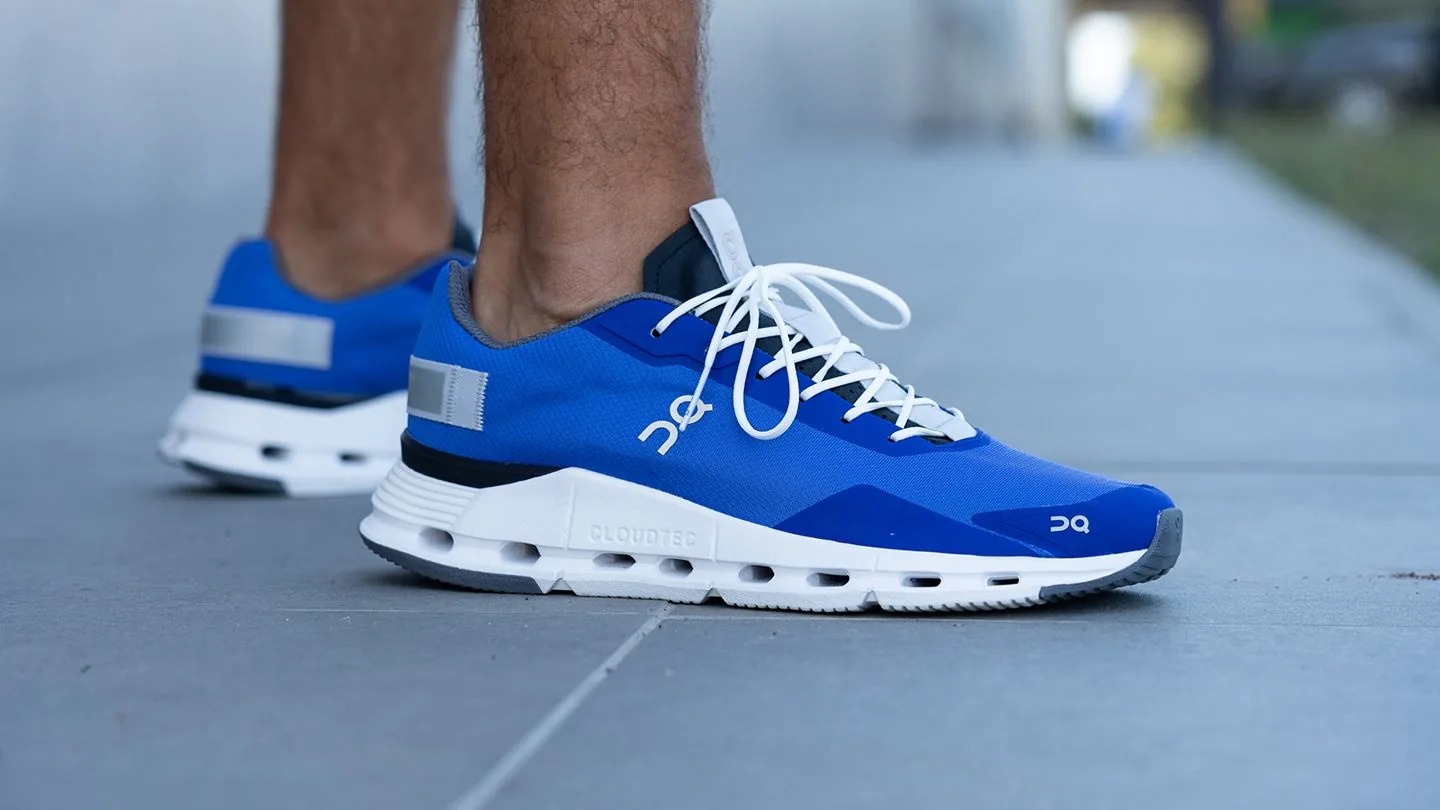
Heavy footwear acts like an anchor on your day. When you spend hours on your feet—whether you are commuting, working a double shift, or exploring a new city—every ounce matters. By the end of the day, a few extra ounces can feel like pounds, leading to aching arches and tired legs.
As we move through 2026, footwear technology has evolved significantly. The days of sacrificing support for lightness are over. Modern manufacturing techniques now allow for shoes that feel like barely-there extensions of your feet while still providing the structural integrity needed for long-term health. The shift toward lighter footwear isn’t just a trend; it is a response to our increasing mobility and the desire for comfort that lasts from morning until night.
Choosing the right pair can transform your daily experience. It improves mobility, reduces fatigue, and can even correct posture issues caused by dragging heavy heels. If you are ready to ditch the clunky boots and heavy sneakers, this guide explores the top lightweight options available across the USA this year.
What Makes a Shoe Truly Lightweight?
Before identifying the specific models dominating the market, it helps to understand the engineering behind the best lightweight shoes USA shoppers are buying right now. A shoe isn’t “light” just because it has thin fabric; it requires a specific combination of advanced materials and smart design.
Defining Shoe Weight
Generally, a shoe is considered lightweight if it weighs less than 10 to 12 ounces (per shoe) for men and 8 to 10 ounces for women. However, truly featherlight performance footwear often dips well below these numbers, sometimes reaching as low as 6 ounces.
Materials That Reduce Bulk
The secret lies in the midsole and the upper. Traditional rubber and leather are dense and heavy. In 2026, top manufacturers use:
- Injected EVA Foam: A staple in lightweight footwear, this air-infused foam provides bounce without weight.
- Flyknit and Mesh Uppers: Woven synthetic fabrics reduce the need for heavy overlays and stitching, hugging the foot like a sock while shaving off significant ounces.
- Graphene-Enhanced Rubber: This material allows outsoles to be thinner and lighter without sacrificing durability or grip.
Flexibility and Breathability
Lightweight shoes naturally offer superior flexibility. Without thick, rigid soles, the foot can move through its natural gait cycle more easily. This flexibility often pairs with breathability. The porous mesh materials used to cut weight also allow heat to escape, keeping feet cool and reducing swelling during long days.
Cushioning Without Heaviness
A common misconception is that light shoes lack padding. Thanks to nitrogen-infused foams and super-critical foaming processes, brands can now create high-stack cushioning that feels like walking on clouds but weighs next to nothing.
Best Lightweight Shoes in the USA (Top Picks for 2026)
The landscape for the best lightweight shoes USA 2026 has to offer is diverse. From high-tech running hybrids to sleek office wear, there is a style for every requirement.
Lightweight Sneakers
The athletic category continues to lead the pack. These are versatile enough for a quick gym session or a grocery run. Look for models featuring single-piece knit uppers and foam outsoles. They offer a responsive feel that propels you forward, making them ideal for active individuals.
Everyday Casual Shoes
For those who don’t want to look like they just left the track, casual lightweight options focus on style. Canvas slip-ons and suede-knit hybrids provide a polished look suitable for casual Fridays or brunch, while still utilizing featherlight sole technology.
Walking and Comfort Shoes
These prioritize stability over speed. While slightly heavier than a racing flat, they are significantly lighter than traditional orthopedic shoes. They feature wider toe boxes and arch support structures made from low-density materials to prevent foot fatigue.
Minimalist Designs
Minimalist or “barefoot” shoes remain popular for purists. These have zero drop (the heel and toe are at the same height) and ultra-thin soles, offering the ultimate lightweight experience by removing almost all “shoe” elements to let the foot function naturally.
Best Lightweight Shoes for Walking
Walking is a low-impact activity, but doing it in heavy shoes turns it into high-effort labor. The top lightweight walking shoes USA residents are choosing this year focus on energy return.
Shoes for Long Walks
If you are logging 10,000 steps or more, you need a shoe that absorbs impact. Look for rocker-bottom soles made of light foam. The rocker shape gently propels the foot into the next step, reducing the energy your calves and ankles need to expend.
Shock Absorption and Flexibility
A walking shoe must bend at the ball of the foot. Test this by holding the shoe at the heel and toe and bending it. If it’s stiff, it will fight your foot with every step, adding resistance. The best lightweight walkers flex effortlessly, working with your stride.
Grip and Outsole Design
Lightweight doesn’t mean slippery. Strategic placement of rubber pods on the outsole—specifically at the heel and toe where wear is highest—keeps the shoe light by exposing the foam midsole in the center, while still providing traction on wet sidewalks.
Best Lightweight Shoes for Daily Wear
For the majority of people, the goal is simply finding lightweight shoes for daily wear that disappear on the foot. These are the shoes you leave by the door and slip on for everything.
All-Day Comfort
Comfort in daily wear comes from a lack of friction points. Lightweight shoes often use seamless construction to prevent blisters. Memory foam insoles are common here, providing a custom fit that cradles the foot without adding the weight of structural supports.
Breathable Uppers
Daily wear shoes tackle a variety of environments, from air-conditioned offices to hot parking lots. Engineered mesh is the gold standard here. It allows airflow to regulate temperature, preventing the “hot foot” sensation that often occurs by mid-afternoon.
Easy Slip-On Options
Laces add weight and complexity. The rise of hands-free slip-on technology—using rigid heel counters that snap back into place—has revolutionized lightweight footwear. These designs are popular for their convenience and streamlined silhouette.
Best Lightweight Shoes for Work and Travel
Professional environments and travel plans often demand specific features that go beyond simple comfort. The best lightweight work shoes USA professionals rely on bridge the gap between utility and ease.
Shoes for Standing and Commuting
Nurses, retail workers, and teachers spend hours on hard surfaces. Heavy clogs or boots can lead to back pain. Lightweight work shoes now incorporate slip-resistant soles and fluid-resistant uppers into sneaker-like profiles. This reduces leg strain significantly over an 8 to 12-hour shift.
Travel-Friendly Packable Shoes
One of the biggest benefits of lightweight shoes is their packability. Many modern designs have collapsible heels or flexible soles that allow them to be flattened or rolled up. They take up minimal space in a carry-on, leaving room for souvenirs.
Airport and City-Walking Friendly
Navigating extensive airport terminals requires a shoe that is easy to remove at security (if you don’t have PreCheck) and comfortable for sprinting to a gate. Once you arrive at your destination, these same shoes need to handle cobblestones and city concrete. A hybrid sneaker-loafer is often the best choice for this dual purpose.
Affordable Lightweight Shoes in the USA
You do not need to spend a fortune to get good footwear. Finding affordable lightweight shoes USA shoppers love is easier than ever thanks to direct-to-consumer brands and improved manufacturing efficiencies.
Budget-Friendly Options
Many budget brands use standard EVA foam, which is naturally light and inexpensive. While it may not last as many miles as premium nitrogen-infused foam, it provides excellent comfort for casual use. Look for store-brand activewear lines or sales on last season’s colors from major brands.
Best Value-for-Money Picks
Value isn’t just about the lowest price; it’s about cost per wear. A $60 shoe that lasts a year is better value than a $30 shoe that falls apart in two months. Look for reinforced stitching and reputable synthetic materials that offer longevity without the premium price tag.
Comfort vs. Price Comparison
Higher-priced lightweight shoes usually offer better energy return and durability. Cheaper options are just as light but may “bottom out” (lose their cushioning) faster. If you are only wearing them for weekend errands, a budget pair is perfectly adequate.
Lightweight Shoes by Foot Type
A shoe can be light as a feather, but if it doesn’t fit your foot mechanics, it will feel terrible.
Flat Feet
People with flat feet often overpronate (roll inward). Historically, stability shoes were heavy and rigid. New “guide rail” technology uses denser foam on the inner side of the shoe to provide support without heavy plastic shanks, offering a stable yet lightweight ride.
High Arches
High arches need shock absorption because the foot is rigid. Lightweight neutral cushioned shoes are ideal here. They provide the necessary softness to buffer impact without forcing the foot into a specific motion path.
Wide Feet
Lightweight knit uppers are a savior for wide feet. Unlike leather which requires a break-in period, knit stretches to accommodate bunions or wider toe splays immediately. Ensure the sole base is also wide enough so your foot doesn’t spill over the edge.
Foot Pain and Fatigue
If you suffer from plantar fasciitis or general foot fatigue, be careful with “ultra-light” minimalist shoes. You likely need a shoe that is light but still has a rigid heel counter and some arch structure to prevent strain on the fascia.
How to Choose the Best Lightweight Shoes
Navigating the market requires a strategy. Here is a checklist for how to choose lightweight shoes that won’t disappoint.
Ideal Weight Range
Aim for shoes under 10 ounces. Pick them up in the store—they should feel surprisingly light in your hand. If they feel substantial, they will feel heavy on your foot after mile three.
Fit and Sizing Tips
Feet swell throughout the day. Shop for shoes in the afternoon when your feet are at their largest. Because lightweight materials are often unstructured, ensure your heel doesn’t slip out of the back. There should be a thumb’s width of space between your longest toe and the end of the shoe.
Cushioning and Sole Checklist
Press your thumb into the midsole. It should bounce back quickly. If it stays indented, the foam is low quality. Check the outsole—does it have rubber in high-wear areas? Exposed foam wears down quickly on concrete.
Durability Expectations
Accept that lightweight shoes generally have a shorter lifespan than heavy leather boots. Expect 300 to 500 miles for running shoes, or about 6 to 9 months of regular daily wear before the cushioning compresses.
Lightweight Shoes vs Cushioned Shoes
There is often confusion between these two categories. Understanding lightweight shoes vs cushioned shoes helps manage expectations.
Comfort Trade-Offs
Max-cushioned shoes (the ones with massive, thick soles) are popular, but they can be bulky. Lightweight shoes strip away excess material. The trade-off is often a feeling of being closer to the ground (“ground feel”) versus the feeling of floating.
When Lightweight is Better
Choose lightweight for speed, travel, hot weather, and short-duration activities. They are also better for developing foot strength as they allow the foot to do more work.
Best Use Cases for Each
If you are standing in one spot for 8 hours, a heavier, max-cushioned shoe might be better. If you are walking, moving, commuting, or running, a lightweight shoe reduces the energy cost of movement, making you less tired by the end of the day.
Frequently Asked Questions (FAQ)
Q1. What are the best lightweight shoes in the USA in 2026?
The best options for 2026 combine advanced foam technology with breathable knit uppers. Top contenders usually fall into the performance running or lifestyle slip-on categories, balancing durability with a barely-there feel.
Q2. Are lightweight shoes good for all-day wear?
Yes, provided they have adequate support. A lightweight shoe reduces the effort required to lift your leg with each step, which can significantly decrease overall body fatigue by the end of the day.
Q3. Do lightweight shoes provide enough support?
They can. While minimalist lightweight shoes offer little support, modern stability sneakers use dual-density foams and guide rails to support the arch and heel without adding heavy plastic components.
Q4. Are lightweight shoes good for walking and travel?
Absolutely. They are the top choice for travel because they pack easily and reduce baggage weight. For walking, they prevent shin splints and leg fatigue associated with heaving heavy footwear.
Q5. What weight is considered lightweight for shoes?
Generally, anything under 10-12 ounces for men and 8-10 ounces for women is considered lightweight. Ultra-light performance shoes can weigh as little as 5-6 ounces.
Q6. Are affordable lightweight shoes durable enough?
Budget lightweight shoes are durable enough for casual use and light walking. However, the foam cushioning in cheaper models tends to compress faster than in premium models, meaning they may lose their “bounciness” sooner.
Q7. How often should lightweight shoes be replaced?
Because they use lighter, less dense materials, they should typically be replaced every 300 to 500 miles, or every 6 to 8 months of regular wear, once the cushioning or tread begins to degrade.
Final Thoughts: Choosing the Right Lightweight Shoes in 2026
Prioritizing footwear that supports your lifestyle without weighing you down is one of the easiest health upgrades you can make. The best lightweight shoes in the USA offer a blend of freedom and function that heavy boots simply cannot match.
When shopping, remember to balance weight with your specific needs. If you have flat feet, don’t sacrifice stability just to save an ounce. If you walk on concrete, ensure there is enough rubber on the outsole to protect the foam.
Comfort is personal, but the benefits of reducing the load on your feet are universal. By choosing the right lightweight pair, you aren’t just buying shoes; you are investing in more energy and better mobility for every step you take in 2026.
Leave a Reply