

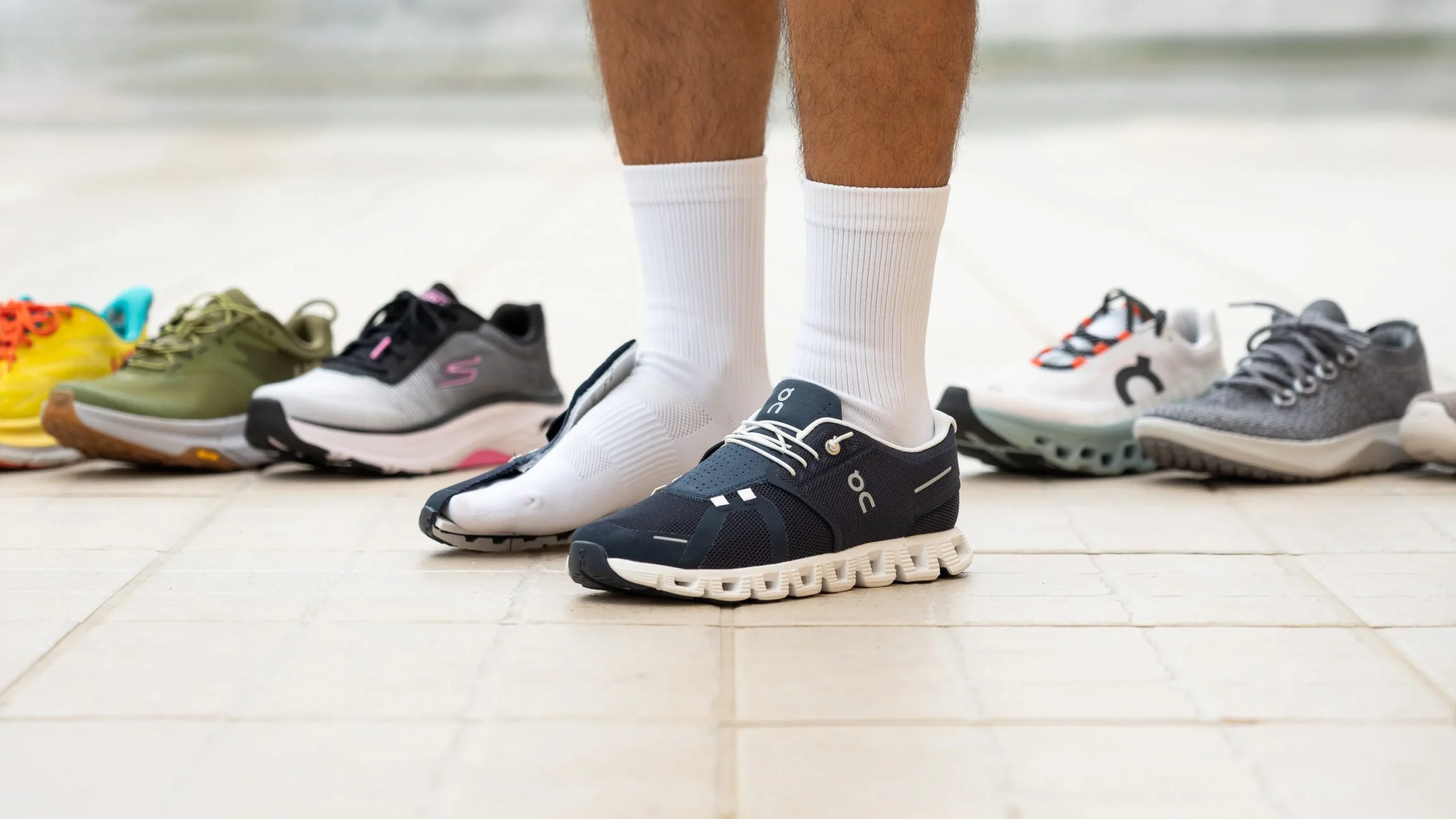
Walking is often underrated as a form of exercise, yet it remains one of the most accessible and effective ways to stay healthy. Whether you are power-walking through a city park, commuting on foot to work, or simply staying active during a lunch break, the right footwear makes all the difference. In 2026, the technology behind walking sneakers has advanced significantly, blurring the lines between high-performance athletic gear and everyday comfort.
While many people grab their old running shoes for a stroll, regular sneakers aren’t always ideal for walking mechanics. Walking requires a specific type of support—usually a rolling heel-to-toe motion—that differs from the high-impact bounce needed for running. Wearing the wrong shoes can lead to foot fatigue, arch pain, or even shin splints.
This guide is designed to help you navigate the crowded market of footwear. We will break down exactly what features matter, review top categories for different needs, and help you find the best walking sneakers in the USA for 2026 so you can step out with confidence.
What Makes a Great Walking Sneaker?
When searching for the best walking sneakers USA retailers have to offer, it’s easy to get distracted by flashy colors or brand hype. However, the core of a great walking shoe lies in its engineering. Unlike running shoes, which are built for speed and impact, walking shoes need to prioritize stability and a smooth stride.
Cushioning & Shock Absorption
Walking generates less impact than running, but your feet still absorb force with every step. High-quality foam midsoles—often made from EVA (ethylene-vinyl acetate) or proprietary foam blends—are essential. They provide a pillow-like feel that reduces stress on your joints, particularly on hard surfaces like concrete sidewalks.
Arch Support & Stability
Your arch acts as a natural shock absorber. If a sneaker lacks support, your feet may roll inward (overpronation) or outward (supination), leading to misalignment in your knees and hips. A good walking sneaker offers a firm midsole and a structured heel counter to keep your foot neutral and aligned throughout the gait cycle.
Lightweight & Breathable Design
Nobody wants their feet to feel like lead weights. Modern mesh uppers allow for airflow, keeping feet cool and dry, which helps prevent blisters. Lightweight materials ensure that you don’t expend unnecessary energy lifting a heavy shoe thousands of times during a walk.
Durable Outsole
Walking involves constant friction. Look for a rubber outsole with a tread pattern designed for traction. This ensures the shoe lasts longer and keeps you safe on slick or uneven surfaces.
Best Walking Sneakers in the USA (Top Picks for 2026)
The market for the best walking sneakers USA 2026 has seen a shift toward versatility. Consumers want shoes that can handle a 5-mile trek but still look good enough for a casual dinner.
Everyday Walking Sneakers
For general use, brands like Skechers and New Balance continue to dominate. Their latest 2026 models feature slip-in technology and memory foam insoles that contour to the unique shape of your foot. These are perfect for running errands, walking the dog, or casual strolls around the neighborhood.
Sneakers for Long Walks & Standing
If your job keeps you on your feet or you enjoy long weekend hikes, you need maximum durability. Brands like HOKA and Brooks have released updated versions of their stability lines. These shoes often feature a “rocker” bottom sole, which gently propels the foot forward, reducing the effort needed to take the next step.
Lightweight & Flexible Walking Shoes
For those who prefer a “barely there” feel, minimal sneakers are the way to go. Nike and Allbirds offer sustainable, ultra-light options that flex naturally with your foot. These are ideal for travel as they pack down easily and won’t weigh down your suitcase.
Best Walking Sneakers for Long Distances
When you push past the three-mile mark, minor irritations can turn into major pain points. Walking sneakers for long walks require specific features to keep you comfortable for hours.
Comfort for Extended Wear
Long-distance walking causes feet to swell slightly. The best shoes for this activity feature a wider toe box to accommodate this natural swelling without causing friction or bunion pain. Plush tongues and padded collars are also standard to prevent ankle chafing.
Foot Fatigue Reduction
To combat fatigue, look for high-energy return foam. This technology, originally developed for marathon runners, is now common in walking shoes. It captures the energy from your footstrike and returns it as you push off, making your legs feel fresher for longer.
Fit & Support Considerations
For long distances, the lockdown fit is crucial. A lacing system that secures the midfoot while leaving the toes free to wiggle prevents black toenails and ensures stability on uneven terrain.
Most Comfortable Walking Sneakers
If your priority is pure, cloud-like softness, you are looking for comfortable walking sneakers USA shoppers consistently rate five stars.
Cushioning Technologies
In 2026, “max cushioning” is a major trend. Brands are stacking midsoles higher than ever before. This maximalist approach provides a barrier between your foot and the ground, essentially eliminating road feel in favor of supreme comfort.
Sneakers for All-Day Comfort
The most comfortable sneakers are the ones you forget you are wearing. Look for seamless interiors that eliminate pressure points. Many top-rated shoes now use knit uppers that fit like a sock, moving with your foot rather than restricting it.
Breathable & Pressure-Free Designs
Heat buildup is the enemy of comfort. Advanced knit patterns place ventilation zones in high-heat areas. Additionally, pressure-free tongue designs ensure that even if you tie your laces tight, the top of your foot (the instep) remains pain-free.
Best Walking Sneakers for Men & Women
While many features overlap, men’s and women’s feet have biological differences that footwear brands address.
Best Walking Sneakers for Men USA
Men generally have broader feet and greater body mass, requiring denser midsole foam to prevent the shoe from bottoming out. The best walking sneakers for men USA models focus on rugged durability and wider heel bases to support a heavier stride. Styles often lean toward neutral tones and robust silhouettes suitable for both office environments and outdoor tracks.
Best Walking Sneakers for Women USA
Women’s feet often have a narrower heel relative to the forefoot (the “Q-angle”). The best walking sneakers for women USA collections feature narrower heel cups to prevent slippage and more flexible midsoles to accommodate a typically lower body mass. Esthetics also play a larger role here, with 2026 trends favoring pastel colorways and sleek, streamlined profiles.
Fit & Sizing Tips
regardless of gender, sizing is key. Always measure your feet in the afternoon (when they are largest) and aim for a thumb’s width of space between your longest toe and the end of the shoe.
Affordable Walking Sneakers in the USA
You don’t need to spend over $150 to get a quality shoe. The market for affordable walking sneakers USA is thriving.
Budget-Friendly Options
Brands like Saucony and Ryka offer excellent entry-level walking shoes. These models may strip back premium features like carbon fiber plates or proprietary super-foams, but they retain the essential EVA cushioning and durable rubber outsoles needed for daily wear.
Best Value-for-Money Picks
The sweet spot for value is often previous-year models. As 2026 stock rolls in, 2025 high-end sneakers often see significant price drops. These shoes are still technologically superior to cheap knock-offs and offer great longevity.
Comfort vs Price Comparison
While a $50 shoe might feel comfortable in the store, a $100 shoe usually offers better durability. Lower-priced shoes often use lower-density foam that compresses faster, meaning you might need to replace them sooner. It’s often worth spending slightly more upfront for a shoe that lasts twice as long.
Walking Sneakers by Foot Type
One shoe does not fit all. Understanding your foot mechanics is crucial for preventing injury.
Flat Feet & Overpronation
If you have flat feet, your arches collapse when you walk. You need a motion-control or stability sneaker. These feature a denser foam on the inner side of the midsole (a medial post) to physically stop the foot from rolling inward excessively.
High Arches
People with high arches (supinators) tend to have rigid feet that don’t absorb shock well. They need neutral cushioning—lots of it. Focus on flexible shoes with soft midsoles that encourage natural foot movement and impact absorption.
Wide Feet
Cramming a wide foot into a standard width causes bunions and numbness. Luckily, brands like New Balance and Brooks are famous for offering 2E (Wide) and 4E (Extra Wide) options in their most popular walking lines.
Foot Pain & Plantar Fasciitis
For those suffering from plantar fasciitis, heel pain is a constant struggle. Look for shoes with a deep heel cup to cradle the foot and substantial arch support to relieve tension on the plantar fascia ligament. A slightly elevated heel drop (8-12mm) can also take pressure off the Achilles tendon.
How to Choose the Best Walking Sneakers
Selecting the right pair involves more than just picking a favorite color. Here is a checklist on how to choose walking sneakers like a pro.
Proper Sizing & Fit
Ignore the number on the box and focus on the feel. Your heel should be locked in with no slipping, your arch should feel supported but not poked, and your toes should be able to splay naturally. If a shoe feels tight in the store, it won’t “break in”—it will just hurt.
Midsole & Outsole Checklist
- Flex Test: Hold the shoe at the toe and heel and bend it. It should flex at the ball of the foot (where your foot flexes), not in the middle of the arch.
- Twist Test: Try to wring the shoe out like a towel. A good walking shoe should offer some resistance; if it twists easily into a spiral, it likely lacks the stability needed for long walks.
When to Replace Walking Sneakers
The general rule is every 300 to 500 miles. However, listen to your body. If you start feeling new aches in your knees or shins, or if the tread is worn smooth, it’s time for a new pair, regardless of the mileage.
Walking Sneakers vs Running Shoes
A common question is whether you can just wear running shoes. While possible, understanding walking sneakers vs running shoes can improve your experience.
Design & Support Differences
Running shoes are designed for impact. They often have more cushioning in the heel and a flared heel design for stability during high-speed strikes. Walking shoes have a more undercut heel design to facilitate a smooth rolling motion from heel strike to toe-off. They are also often stiffer to provide a stable platform.
Which is Better for Daily Walking?
If you are doing brisk fitness walking, a running shoe can work well. However, for casual walking or standing all day, a dedicated walking shoe usually offers better support and durability. Walking shoes also tend to have more durable leather or synthetic uppers compared to the lightweight mesh of running shoes, making them more versatile for different weather conditions.
Frequently Asked Questions (FAQ)
Q1. What are the best walking sneakers in the USA in 2026?
Top contenders for 2026 generally include flagship stability and cushioning models from HOKA, Brooks, New Balance, and Skechers. The “best” one depends entirely on your foot shape and arch height.
Q2. Are walking sneakers different from running shoes?
Yes. Walking sneakers are stiffer and designed for a rolling heel-to-toe motion, while running shoes are more flexible with extra heel cushioning to absorb high-impact shock.
Q3. Which walking sneakers are best for all-day wear?
Shoes with moderate cushioning and breathable uppers are best. Look for “lifestyle” walking shoes that blend athletic support with casual aesthetics.
Q4. Are affordable walking sneakers comfortable enough?
Absolutely. Many mid-range options provide excellent comfort. You generally pay extra for premium materials, lighter weight, and specific brand technologies, but comfort is available at lower price points.
Q5. What walking sneakers are best for flat feet?
Motion control shoes or stability shoes are best. Look for features like “guide rails” or medial posts that prevent the arch from collapsing.
Q6. How often should walking sneakers be replaced?
Plan on replacing them every 300-500 miles, or roughly every 6 months if you walk daily. If the outsole is worn or the midsole shows compression lines, swap them out.
Q7. Can walking sneakers be worn for everyday use?
Yes, modern walking sneakers are designed to be stylish enough for everyday wear, travel, and even casual work environments.
Choosing the Right Walking Sneakers in 2026
Investing in high-quality footwear is an investment in your long-term mobility. Whether you need the rugged durability of a distance shoe or the featherlight feel of a casual sneaker, the options in 2026 are better than ever.
Remember to prioritize fit over fashion. A shoe that supports your arch, cushions your heel, and allows your toes to move is the one that will keep you active. Take the time to analyze your foot type—flat, wide, or high-arched—and choose a model engineered for your mechanics. By selecting the right support and cushioning, you ensure that every step you take contributes to your health rather than detracting from it.
Ready to improve your stride? Head to your local running or walking specialty store to get fitted, or check out the latest 2026 collections online. Your feet will thank you.
Leave a Reply