

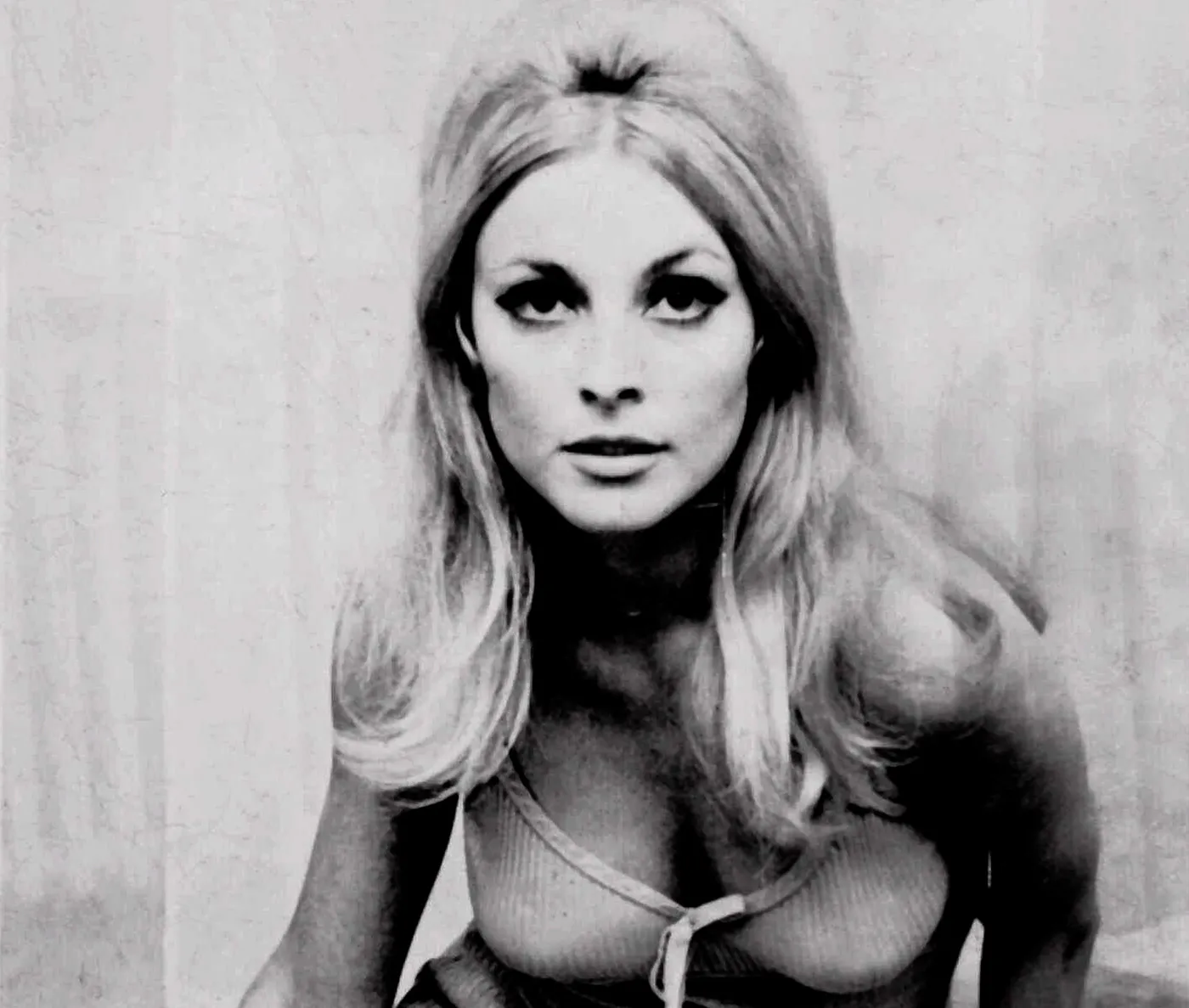
Hollywood history is full of stars whose lights burned out too soon, but few have remained as vividly present in the cultural consciousness as Sharon Tate. Nearly six decades after her death, her name still appears in headlines, trending topics, and film retrospectives. She isn’t just a footnote in history books; she is a recurring figure in modern dialogue, representing beauty, promise, and a devastating loss of innocence.
It is rare for a celebrity from the mid-20th century to capture the attention of Gen Z and Millennials so thoroughly, yet Tate manages to do exactly that. Her influence stretches beyond the tragic circumstances of her death, touching on fashion, film history, and the ethics of true crime consumption. When her name resurfaces—whether through a new movie portrayal, a viral TikTok trend, or a controversial interview—it sparks immediate and intense debate.
Why does the world refuse to let go of Sharon Tate? Perhaps it is because her story sits at the intersection of so many powerful forces: the golden age of cinema, the dark underbelly of fame, and the shifting tides of American culture. To understand her enduring relevance is to understand how we, as a society, process tragedy, celebrity, and memory.
Who Was Sharon Tate? A Brief Background
Before she became a symbol of tragedy, Sharon Tate was simply a young woman on the brink of superstardom. Born in Texas in 1943, she lived the itinerant life of a military brat, moving frequently before settling in Los Angeles to pursue acting. Her beauty was undeniable—she was often described as one of the most beautiful women of her generation—but her talent was equally promising.
Tate’s rise in Hollywood was steady and deliberate. She started with small television roles before landing her breakout film, Valley of the Dolls (1967). Her performance as Jennifer North earned her a Golden Globe nomination for Most Promising Newcomer, validating her potential as a serious actress. She possessed a natural screen presence, a mix of ethereal beauty and comedic timing that directors were eager to utilize.
By the late 1960s, she was a quintessential “It Girl.” Married to director Roman Polanski and expecting her first child, she embodied the freedom and glamour of the decade. Photographs from this era show her living a life that seemed charmed, surrounded by friends and basking in the California sun. This image of vitality makes the sudden violence that followed all the more jarring, cementing her as an eternal symbol of 1960s Hollywood glamour.
The Tragic Event That Changed Hollywood Forever
The events of August 1969 are etched into the American psyche. On a warm summer night, members of the Manson Family cult murdered Tate and four others at her home on Cielo Drive. The brutality of the crime shocked the nation, but it also signaled a cultural shift. The “Summer of Love” was effectively over; paranoia replaced optimism in the Hollywood Hills.
This crime became a defining moment in American history because it shattered the illusion of safety that celebrities and the wealthy enjoyed. Before the murders, front doors in Los Angeles were often left unlocked; afterward, gates went up, and security systems were installed. The fear was palpable and widespread, fundamentally altering the atmosphere of the film industry.
Media coverage at the time was relentless and often sensational. Tate, heavily pregnant and undeniably famous, became the focal point of the tragedy. The headlines were lurid, and the courtroom drama that followed kept the story in the news cycle for years. This intense public scrutiny laid the groundwork for how the case—and Tate herself—would be remembered: not just as a crime, but as a cultural watershed moment.
Sharon Tate’s Enduring Legacy in Pop Culture
While the tragedy initially defined her public image, recent decades have seen a shift toward reclaiming Sharon Tate as an icon in her own right. Her style—characterized by miniskirts, bold eyeliner, and bohemian elegance—remains a touchstone for fashion designers and influencers. Search “Sharon Tate style” on Pinterest or Instagram, and you will find thousands of modern recreations of her most famous looks.
Her life has inspired countless books, documentaries, and films. While some focus on the grim details of her death, others attempt to capture her spirit. Biographies like Sharon Tate: A Life by Ed Sanders and Sharon Tate: Recollection by Debra Tate offer a more intimate look at who she was as a person—a daughter, a sister, and a friend—rather than just a victim.
Culturally, she represents a specific kind of lost innocence. She stands frozen in time at age 26, forever young and full of potential. This creates a haunting quality to her legacy; audiences mourn not just the woman she was, but the future she was denied. She is the ghost that haunts Hollywood, a reminder of the fragility of life amidst the glitter of fame.
Why Sharon Tate Is Trending Again in Recent News
It might seem surprising that a figure from the 1960s would be trending today, but Sharon Tate has a way of re-entering the conversation. Recently, her name hit the headlines following comments made by actor Quentin Tarantino and during press tours for films depicting that era. Interviews where actors or directors discuss her legacy often go viral, sparking debates about how we honor deceased celebrities.
Streaming platforms and podcasts have also played a huge role in this resurgence. True crime podcasts delve into the Manson murders with renewed interest, often dedicating series to the victims rather than just the perpetrators. Documentaries available on Netflix and Hulu introduce her story to audiences who weren’t alive when the events took place, generating new waves of empathy and curiosity.
Social media platforms like TikTok have amplified this. Users create tributes, edit clips of her films to modern music, and dissect the ethics of how Hollywood portrays her. When a celebrity mentions her or a new project is announced, the digital conversation ignites immediately. This constant digital churn ensures she remains a relevant, if sometimes controversial, topic of discussion.
Sharon Tate in Modern Hollywood Films
Portraying a real-life victim of a violent crime is a delicate task, yet filmmakers continue to attempt it. The most high-profile example in recent years was Margot Robbie’s portrayal in Once Upon a Time… in Hollywood. The film sparked intense debate: Was it a respectful tribute that gave Tate a happy ending, or did it sideline her by giving her limited dialogue?
These debates highlight the ongoing tension between artistic license and historical responsibility. Critics and audiences argue over whether these films exploit her tragedy or honor her memory. Casting choices are scrutinized heavily; actresses who take on the role face immense pressure to get it right, knowing that Tate’s surviving family members—particularly her sister, Debra—are vocal about protecting her image.
Public response to these portrayals is rarely lukewarm. Audiences are protective of Tate. When a film feels exploitative, the backlash is swift. Conversely, portrayals that focus on her humanity and joy are often praised. This dynamic proves that the public is no longer interested in seeing her solely as a victim; they want to see the woman who lived.
Ongoing Public Fascination With True Crime
You cannot discuss Sharon Tate’s continued relevance without addressing the massive boom in the true crime genre. We are living in a golden age of true crime content, where past tragedies are constantly re-examined for entertainment and analysis. The Manson murders are the “holy grail” of true crime stories for many, blending celebrity, cult psychology, and shocking violence.
This fascination keeps Tate’s story in circulation, but it also raises ethical questions. Is it right to constantly retell the story of a pregnant woman’s murder for entertainment? Does the focus on the killers overshadow the victims? Modern audiences are becoming more critical of true crime that centers on the perpetrators, pushing for narratives that center on the victims instead.
Sharon Tate sits at the center of this ethical tug-of-war. Her story is a prime example of how tragedy is consumed as content. As society grapples with the morality of the true crime industry, Tate’s case often serves as the primary case study for discussions about victim advocacy and media ethics.
Why Her Story Resonates With New Generations
For Gen Z and younger Millennials, Sharon Tate is a figure discovered through aesthetic blogs and film history deep dives. They didn’t grow up with the headlines of 1969; they found her through the lens of history. To them, she represents a vintage aesthetic that is highly covetable, but she also represents a narrative about female victimhood that resonates deeply in the #MeToo era.
Younger generations are acutely aware of how women in media are treated. They look back at the sensationalist coverage of Tate’s death with a critical eye, recognizing the lack of empathy in the reporting of the time. There is a collective desire to “save” her memory, to rewrite the narrative so that she is remembered for her life rather than her death.
Her story also taps into universal themes of beauty and tragedy. The idea of a beautiful, promising life cut short is a powerful storytelling trope that transcends generations. Modern audiences draw lessons about the fleeting nature of life and the importance of legacy from her story. She has become a timeless figure, much like Marilyn Monroe or Princess Diana, onto whom new generations project their own anxieties and ideals.
Frequently Asked Questions
Why is Sharon Tate still in the news today?
Sharon Tate remains in the news due to new film portrayals, the ongoing popularity of true crime content, and viral social media discussions. Her enduring style and the public’s fascination with the 1960s also keep her relevant.
How did Sharon Tate influence Hollywood culture?
She influenced Hollywood through her fashion, her potential as an actress, and sadly, through her death, which marked the end of the “free love” era and changed security measures for celebrities forever.
Has Sharon Tate been portrayed accurately in films?
Accuracy varies by project. Some films, like Once Upon a Time… in Hollywood, aim to capture her spirit rather than historical fact, while others have been criticized by her family for being exploitative or inaccurate.
Why does the public remain fascinated with her story?
The fascination stems from the combination of her extreme beauty, her celebrity status, and the shocking, brutal nature of the crime. It is a story of “lost potential” that continues to captivate the imagination.
What recent events brought Sharon Tate back into headlines?
Discussions around casting in biopics, interviews with directors like Quentin Tarantino, and the death of Manson family members often trigger renewed interest and headlines about Tate.
Conclusion
Sharon Tate is more than a tragic headline from 1969. She is a cultural force who continues to shape conversations around fame, victimhood, and memory. Her ability to remain relevant nearly 60 years after her death is a testament to the impact she had in her short life and the protective affection the public continues to feel for her.
As we continue to consume stories about her, we are forced to confront our own relationship with media and tragedy. Are we honoring her, or are we consuming her trauma? The answer is complex, but one thing is certain: Sharon Tate will not be forgotten.
If you are interested in learning more about Sharon Tate beyond the headlines, consider reading Sharon Tate: Recollection by Debra Tate, or support victim’s rights organizations that work to ensure victims of violent crime are treated with dignity and respect.
Leave a Reply