

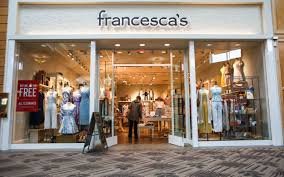
For decades, the boutique retailer Francesca’s has been a staple of American shopping malls. Known for its eclectic mix of women’s clothing, jewelry, and gifts, the brand offered a treasure-hunt shopping experience that set it apart from big-box competitors. However, the retail landscape is shifting dramatically, and even beloved mainstays are not immune. In a significant blow to mall culture, Francesca’s has announced plans to shutter all of its U.S. brick-and-mortar locations by the end of 2026.
This announcement marks the end of an era for the Houston-based chain, which once boasted hundreds of boutiques across the country. For shoppers, the news brings a mix of nostalgia and practicality. Loyal customers are left wondering about liquidation sales, gift card validity, and where they will find similar styles in the future. For the broader retail industry, the closure signals yet another casualty in the ongoing struggle between physical storefronts and the dominance of e-commerce.
The decision to close all physical locations was not made lightly. It reflects years of mounting financial pressures, changing consumer behaviors, and the lingering aftershocks of the pandemic economy. As 2026 approaches, the impact will be felt nationwide, from the employees staffing the boutiques to the landlords facing fresh vacancies in shopping centers. This guide breaks down everything you need to know about the closures, the timeline, and what it means for the future of retail.
What Is Francesca’s? A Quick Brand Overview
Francesca’s Holdings Corporation, founded in 1999, carved out a unique niche in the competitive world of women’s fashion. The brand’s concept was simple but effective: create a boutique atmosphere within a chain structure. Unlike traditional retailers that stocked deep inventories of the same items, Francesca’s offered a limited selection of each product. This strategy created a sense of urgency—if you liked a dress or a pair of earrings, you had to buy it then and there, because it might be gone tomorrow.
The stores themselves were designed to feel intimate and whimsical, often described as “jewel boxes” filled with curated collections. Their product mix included apparel, accessories, jewelry, and a popular selection of gifts and home décor. This diversity allowed them to attract a wide demographic, though their core audience remained women aged 18 to 35 looking for trendy, affordable fashion.
At its peak, Francesca’s operated over 700 boutiques in 48 states. The brand became synonymous with accessible style, offering a distinct alternative to the homogeneity of department stores. However, maintaining that boutique feel across hundreds of locations required significant operational agility, a challenge that became increasingly difficult as market dynamics shifted.
Why Is Francesca’s Closing All U.S. Stores?
The decision to cease physical operations is the culmination of several converging factors. Like many retailers, Francesca’s faced significant headwinds in the years leading up to this announcement. The company had previously filed for Chapter 11 bankruptcy in late 2020, a move intended to restructure its debt and streamline operations. While they emerged from that process with new ownership and a leaner footprint, the underlying challenges persisted.
Financial Struggles and Changing Habits
One of the primary drivers behind the closures is the relentless rise in operational costs. Rent, labor, and logistics have all become significantly more expensive, squeezing margins for brick-and-mortar retailers. For a brand like Francesca’s, which relied on high foot traffic in malls and lifestyle centers, these fixed costs became unsustainable as mall attendance continued its decade-long decline.
Consumer habits have also fundamentally changed. The “fast fashion” model, dominated by online giants like Shein and seasoned players like Zara, has trained shoppers to expect instant gratification and rock-bottom prices. While Francesca’s offered a curated experience, it struggled to compete with the speed and pricing power of these digital-first competitors.
Post-Pandemic Retail Challenges
The lingering effects of the COVID-19 pandemic cannot be overstated. While 2020 and 2021 saw immediate disruptions, the long-term impact was a permanent shift in how people shop. Many consumers who switched to online shopping during lockdowns never fully returned to physical stores. Furthermore, inflation in the post-pandemic economy reduced discretionary spending power for Francesca’s core demographic. When rent and grocery bills skyrocket, boutique clothing purchases often take a backseat.
When Will Francesca’s Stores Close?
The shutdown will not happen overnight. Francesca’s has outlined a phased closure plan that spans the entirety of 2026. This gradual approach allows the company to liquidate inventory in an orderly fashion and maximize revenue from remaining stock.
Shoppers can expect the first wave of closures to begin in early 2026, targeting underperforming locations and those with expiring leases. The process will accelerate through the summer and fall, with the final flagship locations locking their doors by December 31, 2026.
Timeline for Closures
- Q1 2026: Announcement of initial store closing list; liquidation sales begin at Tier 3 (lowest performing) locations.
- Q2 2026: widespread closures in secondary markets; deeper discounts introduced.
- Q3 2026: Majority of suburban mall locations cease operations.
- Q4 2026: Final clearance sales at remaining prime locations; termination of all physical retail operations.
It is important to note that exact closing dates will vary significantly by location. Factors such as lease agreements, staffing levels, and inventory sell-through rates will dictate when individual stores turn off the lights for the last time. Customers are encouraged to check with their local boutiques for specific timelines.
Which Locations Are Affected?
This is a total cessation of physical retail operations, meaning every single Francesca’s boutique in the United States is slated for closure. No region is exempt. From the bustling shopping centers of California and New York to the suburban malls of the Midwest, the brand’s footprint will be completely erased.
States with high store counts will feel the impact most acutely. Texas, the company’s home state, hosts a significant number of boutiques that will soon be vacant. similarly, Florida, California, and New York will see dozens of storefronts go dark.
Spotlight on Alabama and the South
The southern United States has historically been a stronghold for the brand. In Alabama alone, Francesca’s operates locations in key retail hubs like The Summit in Birmingham, Bridge Street Town Centre in Huntsville, and EastChase in Montgomery. These centers, along with others in Georgia, Tennessee, and the Carolinas, will lose a key tenant that often served as a draw for younger female shoppers.
For landlords, this mass exodus presents a serious challenge. Filling small-format retail spaces is becoming increasingly difficult, especially as other mid-tier retailers facing similar pressures also scale back.
Are Liquidation Sales Underway?
For bargain hunters, the closure announcement signals the start of massive liquidation events. “Everything Must Go” signs will soon be a common sight in storefront windows. The liquidation process is designed to clear out all merchandise, fixtures, and equipment before the leases terminate.
What to Expect
Typically, liquidation sales start with modest discounts—around 10% to 20% off—and deepen as the closing date approaches.
- Phase 1 (Early 2026): 10-30% off mostly full-price merchandise.
- Phase 2 (Mid-Closure): 40-60% off; selection begins to thin out.
- Phase 3 (Final Weeks): 70-90% off; remaining items are often final sale.
Shoppers should be aware that liquidation policies are strict. Once liquidation begins, all sales are typically final. This means no returns, no exchanges, and no refunds. If you are holding onto a Francesca’s gift card, the clock is ticking. While they will likely be honored during the initial phases of the shutdown, there will be a hard cutoff date after which they become worthless. Using them sooner rather than later is the safest bet.
What Happens to Francesca’s Employees?
Behind the headlines and discount signs lies a more difficult reality: the displacement of thousands of workers. Store managers, sales associates, and district leaders will all lose their jobs as operations wind down.
The retail sector has been volatile for years, but mass closures like this still send shockwaves through the labor market. While some employees may be offered severance packages or retention bonuses to stay through the final days, many will be forced to re-enter a job market that is increasingly shifting away from traditional retail roles.
This event highlights the precarious nature of retail employment in the 2020s. As automation and e-commerce grow, the demand for in-store sales staff diminishes. Former Francesca’s employees may need to pivot to roles in logistics, customer service, or other sectors that value their customer-facing skills.
What This Closure Says About U.S. Retail in 2026
Francesca’s exit is not an isolated incident; it is a symptom of a broader transformation. The “middle” of the retail market is disappearing. On one end, luxury brands continue to thrive as high-net-worth individuals maintain their spending. On the other end, discount retailers like T.J. Maxx and dollar stores are expanding rapidly. It is the retailers in the middle—selling mid-priced discretionary items in mall settings—that are being squeezed out.
This trend reflects the “barbell effect” in retail. Shoppers either want a premium experience or a rock-bottom bargain. The boutique experience that Francesca’s offered, while unique, struggled to justify its value proposition when similar styles could be found cheaper online or at off-price retailers.
Furthermore, the concept of the mall itself is evolving. Successful modern shopping centers are pivoting toward “lifestyle” tenants—gyms, restaurants, entertainment venues, and medical offices. Traditional apparel retailers are occupying less square footage than ever before. Francesca’s departure accelerates this transition, forcing mall operators to rethink how they utilize space.
Can Francesca’s Still Survive Online?
While the physical stores are disappearing, the brand itself may not vanish entirely. The intellectual property—the name, the customer data, and the online platform—still holds value. It is highly possible that Francesca’s will transition to an online-only model, similar to brands like The Limited or Dressbarn, which closed their stores but continued to sell merchandise via e-commerce.
The Digital Pivot
Operating solely online would eliminate the crushing overhead of rent and store labor. However, digital retail comes with its own challenges: high customer acquisition costs, expensive return logistics, and fierce competition for attention.
Past attempts at digital restructuring have had mixed results. Some brands lose their identity without the physical touchpoint of a store. Francesca’s “treasure hunt” appeal was largely experiential—browsing through racks to find a hidden gem. Replicating that serendipity on a website is difficult.
Industry experts are divided on the brand’s digital future. Some believe the loyal customer base is strong enough to support an online store. Others argue that without the mall presence to drive brand awareness, Francesca’s will struggle to stay relevant in a crowded digital marketplace.
FAQs
Is Francesca’s closing all stores permanently?
Yes, the company has announced plans to close all U.S. brick-and-mortar locations by the end of 2026. This includes all mall-based boutiques and outlet locations.
Are Francesca’s liquidation sales worth shopping?
Liquidation sales can offer significant savings, especially in the final weeks of operation. However, selection varies by store. For the best variety, shop early; for the best prices, shop late—but be prepared to pick through leftovers.
Will Francesca’s gift cards still be accepted?
Gift cards should be accepted during the liquidation process, but dates will be limited. It is strongly recommended that you use any remaining balances immediately to avoid losing the funds.
When will the last Francesca’s store close?
The final wave of closures is scheduled for late 2026. Most stores are expected to be shuttered by December 31, 2026.
Which other retail chains are closing in 2026?
The retail landscape remains volatile. While Francesca’s is a headline closure, other mall-based apparel chains and department stores are also consolidating footprints. Analysts predict continued closures among mid-tier retailers throughout the year.
The closure of Francesca’s represents a somber milestone for American mall culture. For over two decades, the brand provided a space for discovery and style, offering a personal touch that is increasingly rare in modern retail.
For shoppers, the immediate next steps are clear: visit your local store, use your gift cards, and take advantage of final sales. But beyond the discounts, this moment serves as a reminder of the shifting sands of commerce. The way we shop is changing, and the places we once gathered are changing with it.
As we say goodbye to the physical boutiques, we watch to see if Francesca’s can reinvent itself for the digital age. Until then, the “closed” signs in mall windows serve as a stark symbol of retail’s relentless evolution.
Have you shopped the Francesca’s closing sales yet? Share your finds and memories of the brand in the comments below!
Leave a Reply