

A sudden notification on your phone or a scrolling banner across the television screen can change your plans for the week instantly. A winter storm watch has been issued for your area. While the skies might look clear right now, meteorologists are tracking a system that has the potential to bring significant snow, sleet, or ice to your region.
Understanding what this alert means—and how it differs from a warning or advisory—is the first step in keeping your family and property safe. This is your window of opportunity to gather supplies, check your vehicle, and finalize your travel plans before hazardous weather arrives.
This guide covers everything you need to know about the current winter storm watch, including the difference between weather alert levels, expected impacts, and a comprehensive checklist to help you ride out the storm safely.
What Is a Winter Storm Watch?
A Winter Storm Watch is an official alert issued by the National Weather Service (NWS). It indicates that there is a potential for significant hazardous winter weather events. It does not mean that severe weather is occurring right now, but rather that atmospheric conditions are favorable for it to develop.
These watches usually cover heavy snow, significant ice accumulations, or hazardous sleet. In some cases, it can refer to a combination of these elements.
Meteorologists typically issue a watch 12 to 48 hours before the storm is expected to begin. This lead time is crucial. It provides the public with a specific timeframe to prepare for the possibility of power outages, blocked roads, and dangerous travel conditions.
Winter Storm Watch vs Warning vs Advisory
One of the most common sources of confusion during severe weather is the difference between the various alerts. Knowing the distinction helps you gauge the urgency of your preparations.
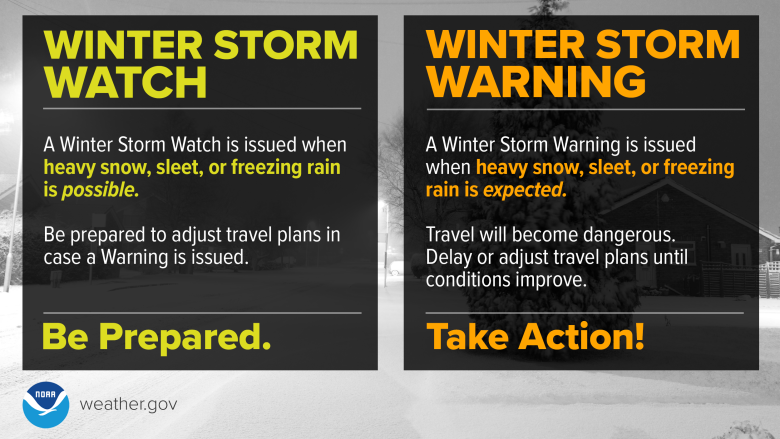
Winter Storm Watch
Be Prepared. The potential exists for significant winter weather, but the timing, location, or intensity is still uncertain. You should plan now for the possibility of a major storm.
Winter Storm Warning
Take Action. A significant winter storm is occurring, imminent, or highly likely. This alert means the weather poses a threat to life or property. When a warning is issued, you should complete your preparations and avoid travel.
Winter Weather Advisory
Be Aware. Winter weather is expected to cause significant inconveniences and could be hazardous. However, the conditions are generally less severe than those in a warning. Use caution, especially when driving.
Areas Currently Under a Winter Storm Watch
Winter storms often span large geographic areas, affecting millions of people at once. When a watch is issued, it frequently encompasses major travel corridors and rural regions alike.
Regions Most at Risk
While specific counties change with every storm system, these watches are most common in the Midwest, Northeast, and mountainous regions of the West. However, the Deep South and Plains states can also be vulnerable to ice storms and unexpected snowfall.
Urban vs. Rural Impact
In urban areas, the primary concern is often traffic congestion, public transit delays, and slip-and-fall accidents on sidewalks. Rural areas face different challenges, such as the risk of being isolated due to unplowed roads and longer wait times for power restoration if lines go down.
Regardless of where you live, check your local National Weather Service listing to see if your specific county is included in the current watch.
What Weather Impacts Are Expected?
A winter storm watch warns of more than just a few snowflakes. The NWS issues these alerts when the expected weather could significantly disrupt daily life.
- Snow Accumulation: Heavy snowfall rates (often exceeding one inch per hour) can bury roads quickly, making them impassable even for snowplows.
- Ice and Freezing Rain: This is often the most dangerous aspect of a winter storm. Even a quarter-inch of ice can weigh down tree branches and power lines, leading to widespread outages.
- Travel Disruptions: Flight cancellations are common, and highways may become treacherous.
- Closures: Schools and businesses may close preemptively or dismiss early to get people off the roads.
Who Should Be Most Concerned?
While everyone in the affected area should take precautions, certain groups are more vulnerable during severe winter weather.
- Drivers and Commuters: Those with long commutes are at high risk of getting stranded or involved in accidents due to reduced visibility and slick surfaces.
- The Elderly: Older adults are more susceptible to hypothermia and may struggle with the physical exertion of shoveling snow.
- Unaccustomed Regions: Areas that rarely see snow often lack the infrastructure (like plow fleets and salt trucks) to handle even moderate accumulation, leading to greater disruption.
- Essential Workers: Police, fire, EMS, and hospital staff often have to travel regardless of conditions, putting them in harm’s way.
How to Prepare for a Winter Storm Watch
When a watch is issued, you generally have a day or two to prepare. Use this time wisely to ensure your home and vehicle are ready.
Home Preparation
Your home needs to be a safe haven if the power goes out or you are snowed in for several days.
- Insulate Pipes: Freezing temperatures can burst pipes. Insulate exposed plumbing or let faucets drip slightly to keep water moving.
- Heating Source: Have a backup heating plan. If you use a fireplace or wood stove, ensure you have dry wood. If you use a generator, never run it indoors or in a garage.
- Stock Essentials: Ensure you have a three-day supply of non-perishable food and water (one gallon per person per day). Refill any necessary prescriptions.
Travel Preparation
The safest choice during a winter storm is to stay off the roads. However, if you must travel:
- Fuel Up: Keep your gas tank at least half full to prevent the fuel line from freezing.
- Emergency Kit: Keep a kit in your trunk containing blankets, a flashlight, a small shovel, sand or kitty litter (for traction), and jumper cables.
- Check Your Car: Ensure your tires have adequate tread and your windshield wiper fluid is rated for freezing temperatures.
Personal Safety Tips
- Dress in Layers: Wear loose-fitting, lightweight, warm clothing in several layers rather than one heavy layer.
- Cover Up: Mittens provide more warmth than gloves. Wear a hat to prevent body heat loss.
- Frostbite Awareness: Watch for signs of frostbite (numbness, white or grayish-yellow skin) and hypothermia (shivering, confusion, slurred speech).
What to Do If the Watch Becomes a Warning
If the NWS upgrades the alert from a watch to a warning, the storm is imminent.
- Stop Preparations: Finish any outdoor tasks immediately and go indoors.
- Stay Informed: Keep your phone charged and listen to a battery-operated radio or weather app for updates.
- Shelter in Place: Do not attempt to drive unless it is an absolute emergency. If you are stuck on the road, stay in your vehicle and wait for help.
How to Stay Updated on Winter Weather Alerts
Conditions can change rapidly. Relying on outdated forecasts can be dangerous.
- NOAA Weather Radio: This is the gold standard for emergency alerts, functioning even when cell towers are overloaded.
- Mobile Alerts: Enable emergency notifications on your smartphone. Most weather apps also offer push notifications for severe weather updates.
- Local News: Local meteorologists often provide the most specific details regarding neighborhood-level impacts and road closures.
Frequently Asked Questions (FAQs)
How serious is a winter storm watch?
A watch is serious and indicates a 50% or greater chance of a significant winter storm. It is a signal to begin preparations immediately.
How long does a winter storm watch last?
It varies by storm system, but watches typically cover a 12 to 36-hour period when the heaviest precipitation is expected.
Can a winter storm watch be canceled?
Yes. If the storm system changes track or loses intensity, the NWS may cancel the watch or downgrade it to an advisory.
What should I do if I must travel?
Inform someone of your route and estimated arrival time. Drive slowly, increase your following distance, and keep your headlights on.
How often do watches turn into warnings?
It depends on the stability of the weather pattern, but a significant portion of watches are upgraded to warnings once the forecast confidence increases.
Stay Safe and Stay Warm
A winter storm watch is a call to vigilance. It provides the necessary lead time to protect your family and property from extreme cold and hazardous precipitation. By understanding the risks and preparing your home and vehicle now, you can weather the storm with confidence.
Don’t wait until the first snowflake falls to check your supplies. Take stock of your emergency kit today and ensure you are ready for whatever winter brings.
Stay prepared for any weather event. Download our complete Winter Safety Checklist here.
Leave a Reply