

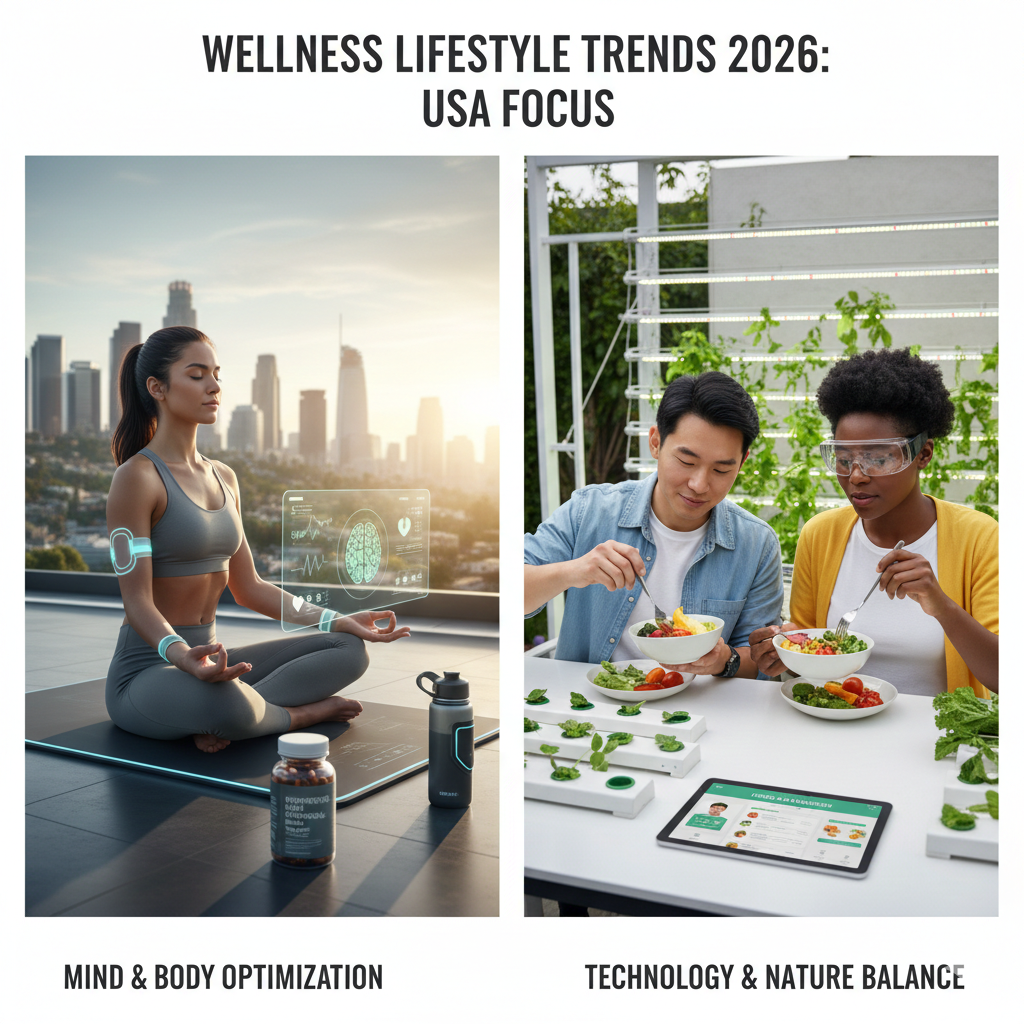
It wasn’t long ago that “wellness” meant hitting the gym three times a week and maybe taking a multivitamin. But in 2026, the concept has evolved into something far more comprehensive. It’s no longer just a hobby or a New Year’s resolution; for millions of Americans, wellness has become the foundational operating system for daily life.
The shift hasn’t been sudden, but it has been profound. Driven by the lingering effects of global health crises, a rising awareness of mental health, and rapidly advancing technology, the American approach to well-being is now proactive rather than reactive. We aren’t just trying to fix what’s broken; we are optimizing our baseline.
From biohacking executives in Silicon Valley to busy parents in the Midwest prioritizing sleep hygiene, the pursuit of health has democratized and diversified. This year, we are seeing a move away from restrictive diets and punishing workout regimes toward sustainable, data-driven, and holistic habits.
This guide explores the defining wellness trends of 2026, offering a practical look at how Americans are reshaping their lives to prioritize longevity, balance, and vitality.
What Defines a Wellness-Oriented Lifestyle in 2026
To understand where we are going, we have to look at how the definition of health has expanded. In 2026, a wellness-oriented lifestyle is characterized by a holistic health approach. It is the understanding that physical fitness, mental clarity, and emotional stability are not separate silos but interconnected gears in the same machine.
You can see this shift in how people spend their time and money. A gym membership is no longer enough. The modern wellness enthusiast is likely juggling a meditation app for mental resilience, a smart ring for sleep tracking, and a meal plan focused on gut microbiome diversity.
The goal isn’t perfection, but balance. It’s about creating a lifestyle where physical, mental, and emotional needs are met consistently. This might look like a high-powered corporate lawyer blocking out time for breathwork between meetings, or a college student choosing social activities that don’t revolve around alcohol. The defining trait is intentionality—making choices that support long-term vitality rather than short-term gratification.
Why Wellness Trends Are Accelerating in the USA
Several key factors have accelerated this cultural shift across the United States. The most significant catalyst remains the long tail of post-pandemic behavior shifts. The global health events of the early 2020s acted as a massive wake-up call, forcing individuals to confront their own biological vulnerability. The result was a collective realization: health is an asset that needs to be protected aggressively.
Simultaneously, we are facing an epidemic of burnout, stress, and lifestyle diseases. Rates of anxiety and depression remain high, and chronic conditions related to sedentary lifestyles and poor diet are prevalent. People are tired of feeling tired. They are seeking solutions that go beyond a prescription pad, looking for lifestyle interventions that address the root causes of their fatigue and unease.
Technology has also played a massive role. Tech-enabled health awareness has given us a window into our own bodies that previous generations never had. We don’t have to guess if we slept well; our watches tell us our REM cycles. We don’t have to wonder if a food spikes our blood sugar; continuous glucose monitors provide real-time data. This feedback loop is addictive and empowering, driving a surge in wellness behaviors because users can immediately see the cause and effect of their choices.
Top Wellness-Oriented Lifestyle Trends in 2026
The wellness landscape is vast, but several specific trends are dominating the conversation this year. These are not fleeting fads but substantial shifts in daily habits.
Mental Health as a Daily Priority
Mental health is no longer a taboo topic discussed only in hushed tones. It is front and center.
Therapy normalization
Going to therapy is now viewed much like going to the dentist or the gym—it’s just routine maintenance. In 2026, finding a therapist is less about crisis management and more about emotional regulation and personal growth. Online platforms have made access easier, and the stigma has largely evaporated, especially among younger generations who discuss their therapy sessions as casually as their coffee orders.
Mindfulness and stress management
Meditation is no longer reserved for spiritual retreats. It has infiltrated corporate boardrooms and public school classrooms. Americans are integrating micro-habits of mindfulness into their days—five minutes of deep breathing before a commute, gratitude journaling in the morning, or using apps to decompress before sleep. Stress management is viewed as a critical skill for survival in a high-speed digital world.
Personalized Health & Biohacking
One-size-fits-all advice is dead. The era of personalized health is here.
Wearables and health tracking
The market for wearable technology has matured significantly. Devices are smaller, more accurate, and more insightful. They track everything from heart rate variability (HRV) to oxygen saturation and skin temperature. This data allows users to “biohack” their routines—adjusting their behaviors based on what their specific biology requires that day. If your readiness score is low, you skip the HIIT class for yoga.
Personalized nutrition and fitness
Genetic testing and blood panels are becoming standard tools for determining diet and exercise plans. Instead of following a generic diet trend, people are eating based on their unique metabolic responses. Fitness apps now use AI to adjust workout intensity in real-time based on recovery data, ensuring users get results without injury or burnout.
Functional Fitness & Longevity Training
The “go hard or go home” mentality is being replaced by a desire to keep going for as long as possible.
Strength, mobility, and recovery focus
Aesthetics are taking a backseat to functionality. The goal isn’t just to look good in a mirror, but to feel capable in daily life. Workouts heavily feature functional movements—squats, carries, and hinges—that mimic real-world activities. Mobility work is huge, with dedicated classes for joint health and flexibility becoming as popular as spin classes used to be.
Anti-aging and injury prevention
Longevity is the buzzword of 2026. People are training to be active 80-year-olds. This means prioritizing injury prevention and recovery just as much as exertion. Saunas, cold plunges, and compression therapy are standard features in gyms across the country, used to reduce inflammation and speed up repair.
Nutrition for Energy and Balance
The diet culture of the past—focused on weight loss at all costs—is fading. The new focus is on fueling the body.
Gut health and whole foods
The microbiome is recognized as the second brain. Americans are obsessed with probiotics, prebiotics, and fermented foods. The grocery cart of 2026 is filled with whole, unprocessed foods designed to support digestion and immunity. There is a deeper understanding that what you eat directly impacts your mood and cognitive function.
Reduced sugar and ultra-processed foods
As awareness of metabolic health grows, tolerance for added sugars and ultra-processed ingredients shrinks. Consumers are becoming avid label readers, rejecting products with unpronounceable ingredients. The demand is for transparency and nutrient density.
Digital Wellness & Screen Balance
We love our tech, but we are learning to set boundaries.
Tech boundaries and detox habits
Digital wellness is a growing counter-trend to our hyper-connected lives. “Tech-free Sundays” or phone-free bedrooms are becoming common household rules. People are actively seeking ways to disconnect to reconnect with reality.
Productivity without burnout
The hustle culture of the 2010s is being rejected for “sustainable productivity.” Tools and techniques that block distractions and promote deep work are popular. The goal is to work smarter, not longer, preserving mental energy for life outside of screens.
Sleep Optimization
Sleep is the new status symbol.
Sleep tracking and routines
“I’ll sleep when I’m dead” is a phrase of the past. Now, it’s about optimizing sleep architecture. People are investing in smart mattresses, blackout curtains, and noise machines. The bedtime routine is a sacred ritual, often involving blue-light blocking glasses and magnesium supplements.
Recovery-focused lifestyles
Social lives are shifting to accommodate better rest. Late-night drinking is being swapped for early morning run clubs or brunch. The recognition that sleep is the foundation of all other health pillars means it is prioritized above almost everything else.
Workplace Wellness Trends
The office—whether remote, hybrid, or in-person—is a major battleground for wellness. Employers realize that a healthy workforce is a productive one.
Flexible work and mental health benefits
The 9-to-5 grind is evolving. Flexibility is the most requested benefit. Companies are offering asynchronous work schedules that allow employees to fit work around their lives, rather than the other way around. Mental health days are standard, and many comprehensive insurance packages now cover therapy and wellness coaching.
Wellness stipends and programs
Free coffee isn’t enough. Companies are offering wellness stipends that employees can use for gym memberships, massage therapy, or even ergonomic home office equipment. Corporate challenges are moving away from “weight loss” competitions toward collective goals like step counts or meditation minutes.
Wellness Spending Trends in the USA
Where Americans put their money tells the real story.
Growth in wellness products and services
Despite economic fluctuations, spending on wellness remains robust. Consumers view it as essential, not discretionary. This includes spending on organic food, supplements, fitness equipment, and recovery tools.
Subscription-based wellness tools
The subscription economy has firmly taken hold of health. People are comfortable paying monthly fees for meditation apps, virtual fitness classes, vitamin packs, and health tracking software. It’s a recurring investment in self-improvement.
Social Media’s Role in Wellness Culture
TikTok and Instagram remain the primary educators (and mis-educators) of the wellness world.
Influencer-led wellness education
For better or worse, influencers are the new health gurus. They drive trends, from the latest superfood to the newest workout gear. When a specific supplement goes viral on social media, it sells out nationwide within days.
Risks of misinformation
The flip side is the rapid spread of pseudoscience. “Wellness trends” can sometimes be dangerous or simply ineffective. In 2026, media literacy is a crucial part of wellness. Savvy consumers are learning to fact-check the advice they scroll past, looking for credentials behind the content.
Wellness Trends by Age Group
Wellness looks different depending on which generation you ask.
Gen Z wellness priorities
For Gen Z, mental health is paramount. They are the driving force behind the destigmatization of therapy and the push for work-life balance. They are also highly skeptical of traditional diet culture, preferring intuitive eating and body neutrality.
Millennials and family wellness
Millennials are currently the “sandwich generation,” often caring for young children and aging parents. Their wellness focus is on efficiency—quick HIIT workouts, meal prep services, and stress reduction. They are also heavily investing in the health of their children, normalizing mindfulness and healthy eating early on.
Healthy aging for Gen X and Boomers
This demographic is redefining aging. They aren’t slowing down; they are biohacking. Their focus is on maintaining mobility, cognitive sharpness, and independence. They are the biggest spenders on longevity treatments, supplements, and active travel.
Challenges of the Wellness Movement
It’s not all green juice and endorphins. There are real barriers to this lifestyle.
Cost and accessibility
Wellness can be expensive. Organic food, boutique fitness classes, and wearable tech come with a high price tag. There is a significant gap between those who can afford to optimize their health and those who are struggling to access basic care. This “wellness gap” is a major societal issue in 2026.
Wellness burnout and over-optimization
Paradoxically, trying too hard to be healthy can be unhealthy. The pressure to track every metric and optimize every bite of food can lead to anxiety. “Orthorexia”—an obsession with eating healthy food—and stress over sleep scores are real phenomena. Finding the line between being informed and being obsessed is the new challenge.
Is Wellness Becoming a Lifestyle Standard?
Looking at the trajectory, the answer is yes. We are seeing a shift from trends to habits. What was once considered “extra”—like taking vitamins or tracking steps—is now baseline behavior for the majority of the population.
This represents a long-term cultural impact. We are moving toward a society where health is integrated into the fabric of daily life, architecture, and workplace culture. While the specific tools and fads will change, the fundamental shift toward proactive self-care appears permanent.
FAQs – Wellness-Oriented Lifestyle Trends
What is a wellness-oriented lifestyle?
A wellness-oriented lifestyle is an approach to living that integrates physical, mental, and emotional health into daily choices. It involves proactive habits like regular exercise, balanced nutrition, stress management, and mindful tech usage to achieve holistic well-being.
Which wellness trends are growing fastest in the USA?
The fastest-growing trends include sleep optimization (using tech to track and improve rest), personalized nutrition based on biological data, and mental health prioritization, specifically the normalization of therapy and mindfulness practices.
Is wellness becoming more personalized?
Absolutely. The “one-size-fits-all” approach is disappearing. Advances in wearable technology and at-home testing allow individuals to tailor their diet, exercise, and recovery protocols to their unique genetic and metabolic needs.
Are wellness trends affordable for most people?
This remains a challenge. While basic habits like walking, meditation, and better sleep hygiene are free, many high-tech wellness tools and organic food options remain expensive. However, as technology advances, some tracking tools are becoming more accessible to the mass market.
Will wellness trends continue beyond 2026?
Yes. The shift toward wellness is driven by fundamental changes in how we view longevity and quality of life. As healthcare costs rise and technology improves, the focus on preventative, lifestyle-based health measures is expected to deepen in the coming decades.
Turning Insight into Action
The wellness landscape of 2026 is exciting because it puts the power back in your hands. It invites you to be the CEO of your own biology. But reading about trends is only the first step. The real magic happens when you pick one small, sustainable change—whether it’s prioritizing an extra hour of sleep or adding a ten-minute walk to your lunch break—and stick with it.
Start small, listen to your data, and remember that the ultimate goal isn’t a perfect score on your tracker, but a life lived with more energy and joy.
Leave a Reply