

For decades, the nutritional conversation has swung wildly between fearing fats and demonizing carbohydrates. Meanwhile, protein sat quietly in the background, often treated as a nutrient only bodybuilders needed to worry about. But as we approach 2026, a significant shift is happening in the world of dietetics. New guidelines are emerging that suggest the vast majority of us have been aiming far too low when it comes to our daily protein intake.
This shift is being dubbed the “Protein Reset.” It isn’t just a minor adjustment to the Recommended Dietary Allowance (RDA); it is a fundamental rethinking of how we fuel our bodies for longevity, metabolic health, and aging. The 2026 guidelines challenge the long-held belief that 0.8 grams of protein per kilogram of body weight is sufficient for optimal health. Instead, they propose that for many, doubling that amount is not just safe, but necessary.
So, why the sudden change? And what does this mean for your grocery list? Let’s break down the science, the numbers, and the practical steps you need to take to align your diet with the future of nutrition.
What Are the New 2026 Protein Guidelines?
The most striking aspect of the 2026 nutritional update is the move away from “survival” metrics toward “optimization” metrics. For years, the RDA for protein was set at a level designed primarily to prevent deficiency—essentially, the bare minimum required to keep you from getting sick.
The new guidelines argue that avoiding deficiency is a low bar for health. To thrive, particularly as we age, the recommendations suggest an intake closer to 1.2 to 1.6 grams of protein per kilogram of body weight. For a person weighing 150 pounds (68 kg), this shifts the target from a modest 54 grams a day to a robust 81–109 grams per day.
This recommendation applies broadly but is specifically emphasized for adults over 30, as this is the decade when sarcopenia (age-related muscle loss) begins to creep in silently.
Why Experts Say Most People Are Under-Eating Protein
If you look at the average modern diet, it is easy to see why we are falling short. Our food environment is saturated with hyper-palatable, calorie-dense, yet nutrient-poor options. Breakfast often consists of toast or sugary cereals. Lunch might be a sandwich or pasta. Dinner is frequently the only meal where a significant protein source appears.
This “back-loading” of protein means that for two-thirds of the day, our bodies are running on carbohydrates and fats. Experts point out two main issues here:
- The Carbohydrate Tilt: Convenience foods are almost always carb-heavy, displacing protein on the plate.
- Quality Control: Even when people do eat protein, they often rely on processed meats or low-quality sources that don’t provide the complete amino acid profile needed for muscle repair.
The Science Behind the Protein Reset
The push for higher protein isn’t a fad; it’s backed by evolving research into human physiology.
Muscle Maintenance and Aging
Muscle tissue is metabolically expensive. It requires a constant supply of amino acids to maintain itself. As we age, our bodies become less efficient at processing protein (a phenomenon known as anabolic resistance). Therefore, a 50-year-old needs more protein than a 20-year-old just to maintain the same amount of muscle mass. The “Protein Reset” aims to combat frailty before it begins.
Metabolic Health and Insulin
Protein has a higher thermic effect than fats or carbs, meaning your body burns more calories digesting it. Furthermore, adequate protein intake helps stabilize blood sugar levels by slowing down the absorption of glucose into the bloodstream. This is crucial for preventing insulin resistance and type 2 diabetes.
Satiety and Weight Control
Protein is the most satiating macronutrient. By doubling intake, people often naturally reduce their overall caloric consumption because they feel fuller for longer, reducing the urge to snack on processed foods between meals.
Who Benefits Most From Higher Protein Intake?
While everyone needs protein, specific groups stand to gain the most from these updated guidelines:
- Adults Over 30: This is the critical window to build the “muscle bank” you will draw from in your 70s and 80s.
- Active Individuals: If you exercise regularly, your tissue repair needs are significantly higher than the sedentary baseline.
- Vegetarians and Vegans: Plant-based proteins are often less bioavailable than animal sources, meaning a higher total volume is often needed to get the same amino acid benefits.
- Weight Management: For those trying to lose fat while keeping muscle, high protein is non-negotiable.
How Much Protein Do You Actually Need?
To calculate your new target based on the 2026 guidelines, take your weight in kilograms (weight in pounds divided by 2.2) and multiply it by 1.2 for a baseline, or 1.6 for an optimal target.
- 130 lbs (59 kg): Target 70g – 95g
- 170 lbs (77 kg): Target 92g – 123g
- 200 lbs (90 kg): Target 108g – 144g
Is there an upper limit?
Safety concerns regarding protein are largely overstated for healthy individuals (more on that below). However, digestive comfort is a factor. Most people find it difficult to consume more than 2.2g per kg, and there are diminishing returns beyond that point for anyone other than elite athletes.
Best Protein Sources for 2026 Diets
Meeting these higher targets requires being intentional with your food choices.
Animal-Based Powerhouses:
- Lean meats (chicken breast, turkey)
- Fatty fish (salmon, mackerel) for Omega-3s
- Greek yogurt and cottage cheese
- Eggs (don’t skip the yolk!)
Plant-Based Staples:
- Lentils and chickpeas
- Tofu, tempeh, and edamame
- Quinoa and hemp seeds
- Seitan
Supplements:
While whole foods are always preferred, reaching 100g+ of protein daily can be challenging. High-quality whey or pea protein powders are practical tools to bridge the gap, especially post-workout or during busy mornings.
Common Myths About High-Protein Diets
Despite the evidence, myths persist. Let’s clear the air.
Myth: High protein hurts your kidneys.
For people with pre-existing kidney disease, protein restriction is often necessary. However, for healthy individuals with normal kidney function, studies show that higher protein intake does not cause kidney damage.
Myth: Protein leaches calcium from bones.
This theory has been debunked. In fact, adequate protein intake is essential for bone structure and density, actually reducing the risk of osteoporosis and fractures.
Myth: You can’t absorb more than 30g at once.
While muscle protein synthesis may peak around 30-40g per meal, your body will still absorb and utilize extra protein for other functions. You don’t need to stress about precise dosing, though spreading it out is generally better for digestion.
How to Increase Protein Intake Without Overeating
Doubling your protein doesn’t mean doubling your calories. It requires a swap.
- Prioritize Protein at Breakfast: Swap the bagel for a veggie omelet or Greek yogurt. Starting the day with 30g of protein sets you up for better appetite control.
- Snack Smarter: Ditch the chips for beef jerky, hard-boiled eggs, or a protein shake.
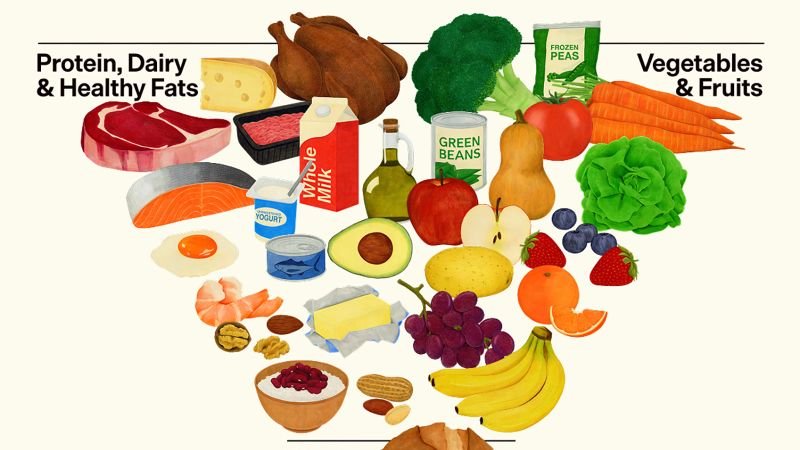
- Balance Your Plate: Make protein the centerpiece of the meal, with vegetables and healthy fats as the supporting acts, rather than the other way around.
What This Means for the Future of Nutrition
The 2026 guidelines signal a broader cultural shift. We are moving away from “dieting” to lose weight and toward “eating” to gain longevity. Expect to see food labels highlighting amino acid profiles more clearly. The fitness and wellness industries will likely pivot further toward strength and muscle preservation as key markers of health, moving away from simple BMI measurements.
Protein is no longer just for gains; it’s for life.
FAQs
Why do the 2026 guidelines recommend more protein?
New research indicates that previous guidelines were set at the minimum level to prevent deficiency, not the optimal level to support muscle maintenance, metabolic health, and healthy aging.
Is doubling protein intake safe?
Yes, for the vast majority of healthy adults, increasing protein intake to 1.2–1.6g/kg is safe and beneficial. If you have existing kidney issues, consult your doctor first.
How much protein should I eat per day?
A good general goal under the new guidelines is roughly 100 grams per day for the average adult, or calculating 1.2 to 1.6 grams per kilogram of your body weight.
Can vegetarians meet higher protein needs?
Absolutely, but it requires planning. Vegetarians should focus on protein-dense plant foods like tofu, lentils, and seitan, and may benefit from a plant-based protein powder to hit higher targets.
Final Thoughts
The “Protein Reset” isn’t about eating steak for every meal. It is about recognizing that our bodies require substantial building blocks to repair, grow, and thrive in a modern world. By reassessing your plate and prioritizing protein, you are investing in your future mobility, your metabolic health, and your energy levels.
Ready to take control of your nutrition? Start by tracking your protein intake for just three days to see where you stand. The numbers might surprise you—and fixing them might just change your life.
Leave a Reply