

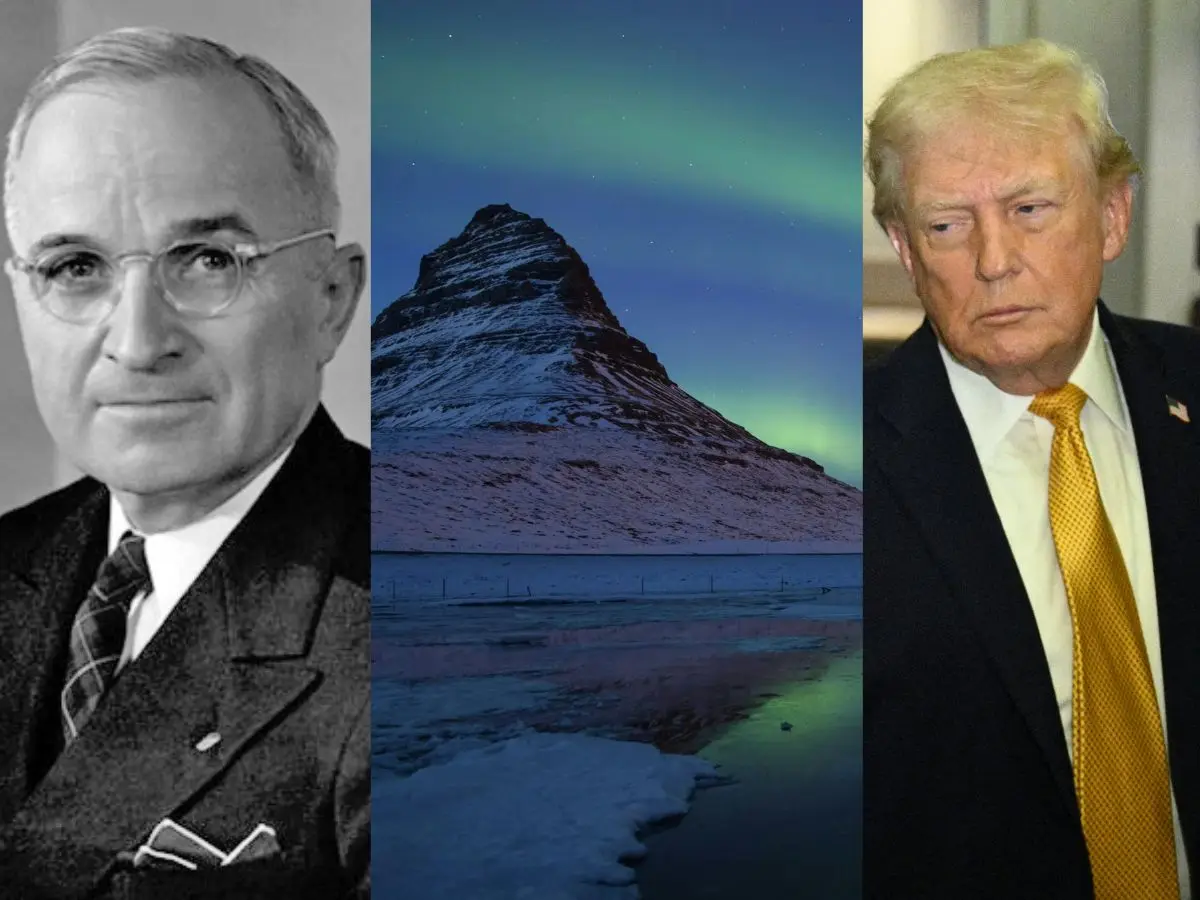
In August 2019, the world woke up to a headline that sounded more like a 19th-century imperial decree than a modern diplomatic proposal: The President of the United States wanted to buy the world’s largest island. Donald Trump’s interest in acquiring Greenland, an autonomous territory of Denmark, sent shockwaves through international diplomatic circles and sparked a firestorm of media coverage.
At first, many dismissed the reports as rumors or a misunderstanding of a geopolitical briefing. However, as confirmation rolled out from the White House, the situation quickly escalated from a quirky news story to a full-blown diplomatic row. The idea of purchasing a territory inhabited by 56,000 people—along with their culture, history, and homes—clashed violently with modern concepts of self-determination and sovereignty.
This wasn’t just about real estate; it was about national identity and the changing dynamics of the Arctic. For Denmark and Greenland, the suggestion was more than just absurd—it was deeply offensive. The ensuing fallout highlighted the stark differences in how nations view land, power, and the rights of indigenous populations in the 21st century.
What Trump Proposed
The initial reports suggested that President Trump had repeatedly discussed the possibility of purchasing Greenland with his advisors. While some in his circle reportedly laughed it off, others began looking into the legality and economic feasibility of such a move. The President later confirmed these discussions to reporters, describing the potential acquisition as essentially “a large real estate deal.”
The motivations behind this unconventional proposal were rooted in strategy and economics. Greenland sits in a geographically pivotal location between North America, Europe, and Russia. As Arctic ice melts, new shipping lanes are opening, and the region is becoming increasingly militarized. The island also houses Thule Air Base, the U.S. military’s northernmost installation, which is critical for missile warning and space surveillance.
Beyond military strategy, Greenland is rich in untapped natural resources. The island holds vast deposits of rare earth minerals—essential for modern technology like smartphones, electric vehicles, and renewable energy systems—as well as potential oil and gas reserves. Controlling these resources would offer significant economic leverage against competitors like China, which has also shown interest in Arctic investments.
The administration’s approach treated the island as a strategic asset rather than a living society. Reports indicated that White House counsel had been asked to explore the matter, examining historical precedents like the purchase of the U.S. Virgin Islands from Denmark in 1917. However, the proposal seemingly ignored the complexity of Greenland’s modern governance structure, where the local government holds extensive autonomy over domestic affairs.
Copenhagen’s Explosive Reaction
In Denmark, the reaction was swift, unified, and scathing. The Danish government and public were incredulous that a close ally would propose buying a part of the Kingdom as if it were a vacant lot.
Mette Frederiksen, the Prime Minister of Denmark, was visiting Greenland when the story broke. Her response was blunt and unequivocal. “Greenland is not for sale,” she told reporters. “Greenland is not Danish. Greenland belongs to Greenland. I strongly hope that this is not meant seriously.” She later characterized the discussion as “absurd,” a word that reportedly irritated President Trump and contributed to his subsequent cancellation of a planned state visit to Denmark.
Across the Danish political spectrum, leaders expressed disbelief. Soren Espersen, foreign affairs spokesman for the Danish People’s Party, told a broadcaster, “If he is truly contemplating this, then this is final proof that he has gone mad.” Former Prime Minister Lars Løkke Rasmussen tweeted, “It must be an April Fool’s Day joke,” noting the untimely date of the news.
The media in Copenhagen reflected the public’s sentiment, mixing mockery with genuine concern over the disregard for Danish and Greenlandic sovereignty. Editorials questioned the U.S. understanding of the modern Kingdom of Denmark, which functions as a commonwealth of equal partners rather than a colonial empire. The overarching feeling was one of disrespect—a transactional approach to a relationship built on shared history and values.
Greenland’s Perspective
While Copenhagen was angry, Nuuk (Greenland’s capital) was defiant. For Greenlanders, the proposal struck a sensitive nerve regarding their hard-won autonomy and their history of colonization.
Greenland’s Ministry of Foreign Affairs issued a succinct statement on social media: “We are open for business, not for sale.” This sentiment was echoed by Premier Kim Kielsen, who emphasized that while the U.S. was a welcome partner in trade and defense, the country itself was not a commodity.
For the people of Greenland, the suggestion that they could be “bought” felt dehumanizing. Aaja Chemnitz Larsen, a Greenlandic lawmaker in the Danish parliament, stated, “No thanks to Trump buying Greenland… We need a more equal partnership with Denmark.” The proposal reignited discussions about the island’s colonial past and its path toward eventual independence. Many Greenlanders felt the U.S. was treating them as a strategic outpost on a map rather than a distinct Inuit nation with its own language, culture, and government.
Public opinion in Greenland was largely negative. Residents expressed fears that becoming a U.S. territory would mean losing their extensive social safety net, their control over natural resources, and potentially their cultural identity. The idea of trading their relationship with Denmark—which provides a significant annual block grant while respecting their autonomy—for an uncertain status under the U.S. was widely rejected.
International and Diplomatic Fallout
The ripple effects of the “Greenland purchase” saga extended far beyond the North Atlantic. Diplomatic observers worldwide watched with fascination and concern as a major Western alliance showed visible cracks.
European leaders largely stood in solidarity with Denmark. The European Commission supported Prime Minister Frederiksen’s stance, reinforcing that the EU views the Arctic as a region of cooperation, not territorial expansion. The incident raised questions about the stability of U.S. alliances, as Trump abruptly canceled his trip to Copenhagen, citing Frederiksen’s “nasty” refusal to discuss the sale.
Legal experts pointed out that under international law and the UN Charter, the sale of territory without the consent of the inhabitants is largely a relic of the past. The principle of self-determination means that any change in Greenland’s status would require the approval of the Greenlandic people, not just a check written to the Danish treasury.
The spat temporarily strained U.S.-Denmark relations, usually one of America’s most reliable partnerships. Denmark has stood by the U.S. in conflicts from Afghanistan to Iraq and hosts crucial U.S. radar installations. The transaction-focused diplomacy threatened to undermine years of accumulated trust. However, diplomats on both sides worked quickly to repair the damage, emphasizing that the security partnership remained strong despite the political theater.
Political Implications in the U.S.
Back in Washington, the proposal was met with a mix of bewilderment, amusement, and serious strategic debate. In Congress, reactions fell largely along partisan lines, though confusion was bipartisan. Democrats criticized the move as erratic and damaging to alliances. Senator Chris Murphy of Connecticut tweeted, “A President acts this way… to make people feel unstable and off balance,” arguing it was a distraction from other issues.
However, some Republicans and conservative commentators defended the idea. They argued that expanding U.S. territory in the Arctic was a sound long-term strategy, akin to the Louisiana Purchase or the acquisition of Alaska. Senator Tom Cotton of Arkansas revealed he had discussed the idea with the President, citing the island’s mineral wealth and strategic location against Russian and Chinese expansion.
The media debate shifted between mocking the logistical absurdity of the purchase and analyzing the serious geopolitical drivers behind it. While the method was widely criticized as clumsy and archaic, the motivation—securing American interests in the Arctic—was acknowledged as a valid concern by foreign policy experts. The incident highlighted a growing anxiety in Washington about losing ground in the High North.
Historical Context: Greenland and U.S. Interests
This was not the first time the United States had eyed Greenland. The island has been a focal point of American strategic planning for over a century.
In 1867, the State Department under William Seward (who orchestrated the purchase of Alaska) explored buying Greenland and Iceland. The idea surfaced again in 1946, when President Harry S. Truman reportedly offered Denmark $100 million in gold for the island. At the time, following World War II, military strategists viewed Greenland as essential for long-range bombers and monitoring the Soviet Union.
Denmark rejected Truman’s offer, but the two nations found a compromise. In 1951, they signed a defense treaty that allowed the U.S. to maintain a military presence on the island. This led to the construction of Thule Air Base, a massive engineering feat that remains a cornerstone of U.S. missile defense.
During the Cold War, Greenland was the front line. American nuclear bombers flew patrols over its ice sheet, and radar stations watched the skies for Soviet incursions. The history of U.S. involvement is complicated; incidents like the 1968 Thule B-52 crash, which contaminated the area with radioactive material, have left lasting scars on the relationship with the local population.
Why This Story Still Matters
The 2019 controversy may have faded from the daily news cycle, but its implications remain relevant. The incident served as a wake-up call regarding the escalating competition in the Arctic. As climate change makes the region more accessible, major powers are vying for influence, resources, and trade routes.
The saga also reshaped how the world views Greenland. It is no longer just a remote destination on a map but a geopolitical player in its own right. The attention emboldened Greenlandic leadership to demand a seat at the table in international negotiations involving their territory. Consequently, the U.S. has since opened a consulate in Nuuk and announced aid packages for civilian projects, shifting tactics from “buying” the island to courting it through soft power.
Finally, the episode offered a lesson in the limits of transactional diplomacy. It underscored that in the modern era, national sovereignty cannot simply be traded, and indigenous populations have a voice that cannot be ignored. The “Greenland purchase” serves as a case study in the clash between old-school imperial ambition and modern democratic values.
FAQs
Did Trump really want to buy Greenland?
Yes. President Trump confirmed to reporters that he was interested in the idea, viewing it as a strategic “real estate deal.” He reportedly instructed aides to look into the possibility, though it never progressed to formal diplomatic negotiations.
How did Denmark react to Trump’s proposal?
The reaction was negative and incredulous. Danish Prime Minister Mette Frederiksen called the idea “absurd” and stated clearly that Greenland was not for sale. The proposal caused a brief diplomatic rift, leading Trump to cancel a state visit to Denmark.
What is Greenland’s position on U.S. interest?
Greenland’s government stated, “We are open for business, not for sale.” While they welcome U.S. investment and cooperation, especially in mining and tourism, they firmly rejected the idea of being purchased and value their autonomy.
Why is Greenland strategically important?
Greenland is located between the Arctic and Atlantic oceans, making it vital for controlling shipping lanes and military surveillance. It houses the U.S. Thule Air Base and possesses vast untapped reserves of rare earth minerals, oil, and gas.
Where Diplomacy Meets Reality
The saga of the attempted purchase of Greenland is one of the most bizarre chapters in recent diplomatic history. It began as a rumor that seemed too strange to be true and ended as a defining moment for Arctic relations.
While the deal never happened, it succeeded in putting the Arctic spotlight firmly on Nuuk. It forced Denmark, the U.S., and the rest of the world to reckon with the reality that the North is changing. The incident proved that while strategic interests are powerful, the right to self-determination and the dignity of nations are not commodities to be traded on the open market.
Interested in learning more about Arctic geopolitics? Subscribe to our newsletter for weekly deep dives into the shifting dynamics of the High North.
Leave a Reply