

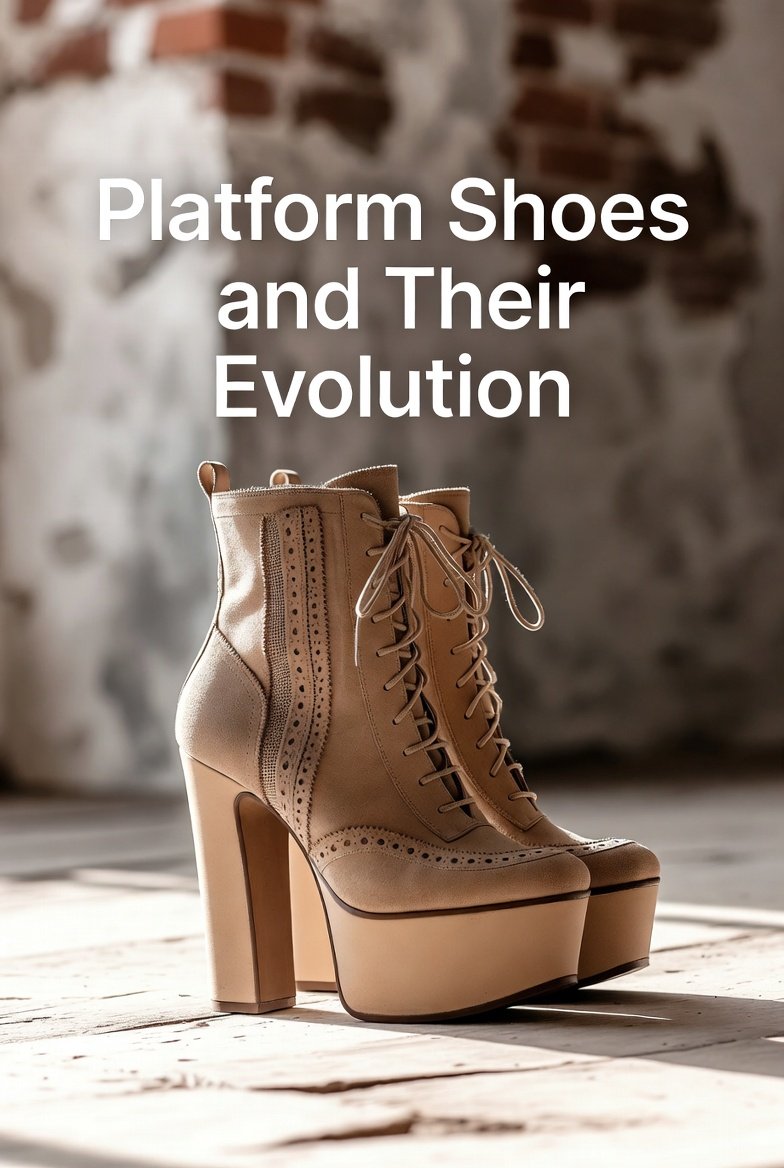
Every shoe tells a story, but few scream as loudly as the platform. From ancient Greek theater to the disco floors of the 70s and the chunky sneaker trend of today, the platform shoe has always been about more than just adding a few inches of height. It is a silhouette defined by audacity, practicality, and an unshakeable desire to stand out.
While many trends fade into obscurity, the platform has reinvented itself time and time again. It shifts from a tool for avoiding mud to a symbol of high status, and eventually, to a staple of rebellion and self-expression. Understanding the history of the platform is key to understanding how footwear reflects our culture, our need for stature, and our evolving sense of style.
Why Platform Shoes Stand Out in Footwear History
At its core, a platform shoe is defined by one unmistakable feature: the thickness of its sole. Unlike high heels, which elevate only the heel, platforms raise the entire foot—or at least a significant portion of the forefoot—creating a distinct, heavy-set silhouette. This added volume changes the wearer’s center of gravity and visual proportions, making the shoe not just an accessory, but the focal point of an outfit.
The fascination with platforms goes beyond aesthetics. Humans have long associated physical height with social standing and power. To be taller is to command attention. Throughout history, the platform shoe has served as a physical manifestation of this desire. Whether worn by Venetian nobility or modern pop stars, the thickened sole acts as a pedestal, elevating the wearer above the crowd.
However, the design isn’t purely about ego. The evolution of what is a shoe silhouette reveals that platforms often emerged from necessity. Before they were fashion statements, they were practical tools. This duality—the balance between functional elevation and high-fashion drama—is what keeps the platform relevant in the broader evolution of shoes through history.
Early Origins of Platform Shoes
The concept of adding height to footwear didn’t start on a runway. It began on the dirt roads of ancient civilizations. The earliest iterations of platform shoes were crude, heavy, and designed with a specific purpose in mind: survival and visibility.
Functional Elevation in Ancient Footwear
In Ancient Greece, thick-soled shoes known as cothurnus or buskins were essential for theater. Actors wore these elevated boots to portray gods, heroes, or characters of high status. The thicker the sole, the more important the character. This was an early instance where physical elevation directly correlated with narrative importance, setting a precedent for how height would be viewed in society.
Protection from Dirt and Terrain
Outside the theater, platforms served a much grittier purpose. In medieval Europe, streets were often unpaved and filled with mud, waste, and debris. To protect expensive fabrics and delicate leather shoes, people wore pattens—wooden or metal overshoes with elevated soles. These weren’t fashion statements; they were the medieval equivalent of rain boots. By lifting the wearer a few inches off the ground, pattens preserved the integrity of the finer footwear underneath, showcasing how the origin of shoes often roots itself in solving environmental problems.
Social Status Symbolism
As time progressed, the practical height of pattens morphed into the extreme elevation of the chopine. Popular in Venice during the 15th to 17th centuries, chopines could reach staggering heights of up to 20 inches. While they theoretically protected skirts from the ground, their primary function became social signaling.
Walking in chopines was notoriously difficult, often requiring the assistance of servants. This dependency was a status symbol in itself; it implied that the wearer was wealthy enough to not need to move quickly or work. The impracticality was the point. The higher the platform, the higher the social rank, turning footwear into a literal measure of nobility.
Platform Shoes in Historical Fashion Eras
As the centuries turned, the platform shoe moved away from the muck of the streets and into the spotlight of high fashion and performance art. The silhouette began to reflect the artistic and cultural movements of the times.
Renaissance and Elevated Footwear
Following the decline of the chopine, the platform influence lingered in the aristocratic courts of Europe. While heels eventually took precedence in the French courts (thanks to Louis XIV), the concept of a substantial sole remained a marker of luxury. During the Renaissance, the materials became more ornate, featuring velvet, silk, and intricate embroidery. The shoe was no longer just a protector of feet; it was a canvas for art.
Performance and Stage Influence
The 1930s and 40s saw a massive resurgence of the platform, driven largely by designers like Salvatore Ferragamo. Faced with material shortages during wartime, specifically steel for heel shanks, Ferragamo experimented with cork and wood to create solid, supportive wedges.
This era cemented the platform’s relationship with the stage. From Carmen Miranda’s fruit-laden ensembles to the glam rock explosion of the 1970s, platforms became the footwear of performers. David Bowie and Elton John utilized extreme platforms to create larger-than-life personas. The shoes extended their limbs and exaggerated their movements, ensuring that even the person in the back row could see the star.
Cultural Identity and Expression
By the 1990s, the platform had been adopted by the Spice Girls and the rave scene. Here, the shoe became a symbol of “Girl Power” and youthful exuberance. The Buffalo boot—a sneaker on a massive platform sole—bridged the gap between athletic wear and club wear. This wasn’t about the delicate elevation of the Renaissance; this was stomping ground. It highlights why humans care about shoes: they allow us to physically embody the energy of our generation.
The Rise of Platform Sneakers and Modern Streetwear
In the last decade, the platform has undergone perhaps its most commercially successful evolution: the marriage of the thick sole with the humble sneaker.
Chunky Sneaker Movement
The “Dad Shoe” trend, popularized by brands like Balenciaga with the Triple S, brought bulk back into vogue. Suddenly, sleek and streamlined was out; heavy and complex was in. The platform sneaker offered the height of a heel with the comfort of an athletic shoe. It disrupted the traditional silhouette of streetwear, proving that you didn’t need to sacrifice comfort to make a bold visual statement.
Cushioning Technology Influence
This shift wasn’t purely aesthetic. It coincided with advancements in foam technology. Brands began competing to create the softest, most responsive rides. To pack in more cushioning (like Adidas Boost or Nike ZoomX), midsoles had to get thicker. This functional requirement birthed a new aesthetic. Runners accepted higher stack heights for performance benefits, which quickly bled into lifestyle fashion. The line between a performance marathon shoe and a fashion platform blurred, creating a hybrid category of “max-cushion” lifestyle footwear.
Street Culture and Fashion Trends
Today, platform sneakers are a staple of street culture. They appear in collaborations between luxury houses and sportswear giants (think Gucci x Adidas or Nike x Sacai). The stacked sole serves as a blank canvas for branding, color blocking, and structural experimentation. It allows designers to play with minimalist vs chunky shoe trends, offering options for those who want the lift without the formality of a dress shoe.
How Platform Soles Influence Shoe Silhouettes
The decision to add a platform sole fundamentally changes the architecture of a shoe. It is not merely an addition; it is a restructuring of the design.
Height and Proportion
A platform alters the ratio of the foot to the leg. By adding bulk at the bottom, it can make the ankle appear slimmer by contrast. However, it can also make the foot look larger and heavier. Designers must carefully balance the upper (the top part of the shoe) with the sole unit. A delicate, strappy upper on a heavy wooden base creates a contrast of fragility and strength, whereas a chunky boot on a platform creates a monolithic, brutalist look.
Balance and Structure
Mechanically, a platform changes how a shoe flexes—or rather, how it doesn’t. A two-inch solid sole does not bend with the foot. To compensate, designers often incorporate a “rocker” shape at the toe and heel to allow for a natural walking motion. Without this curvature, walking in flatforms can feel like marching in bricks. This structural necessity influences the final visual profile of the shoe, often giving platforms a curved, boat-like appearance.
Visual Boldness
There is no such thing as a subtle platform. The design is inherently loud. It signals confidence. This connects deeply to the concept of sole thickness and style impact. A thick sole acts as a visual anchor. In an outfit, it draws the eye downward, grounding the look. It allows the wearer to take up more vertical and visual space, asserting presence in a room.
Construction Techniques Behind Platform Shoes
Building a shoe that is three inches off the ground requires different engineering than a standard ballet flat. Safety and durability are paramount.
Midsole Layering
Modern platforms often use a sandwich technique. A dense, durable rubber is used for the outsole (the part touching the ground) for traction. Above that, lighter materials like EVA foam or polyurethane are stacked to create height without adding excessive weight. If a platform were made entirely of solid rubber, it would be too heavy to lift comfortably. Layering allows for height with a manageable weight.
Glue vs Stitch Construction
Attaching a massive sole unit to a shoe upper creates significant stress points. Simple glue often isn’t enough, especially given the leverage forces applied when walking on a platform. High-quality platforms often utilize a combination of strong adhesives and stitching (such as a Goodyear welt or Blake stitch) to ensure the sole doesn’t delaminate. Understanding glue vs stitch construction helps consumers identify which platforms will last a season and which will last a lifetime.
Material Innovation
Historically, cork and wood were the go-to materials for platforms because they were rigid yet relatively light. Today, expanded thermoplastic polyurethanes (eTPU) and injected foams dominate. These materials allow for extreme shapes and texturing that wood could never achieve. They also provide shock absorption, solving the age-old problem of platform shoes being hard on the joints. To learn more about how comfort is engineered into these massive soles, check out our guide to cushioning technologies explained.
Cultural Meaning of Platform Shoes Today
In the contemporary landscape, the platform shoe has transcended its origins to become a powerful tool for identity.
The resurgence of Y2K fashion has brought the chunky sandal and the platform boot back to the forefront of Gen Z style. But beyond trends, the platform is a vehicle for confidence. The physical act of being taller changes one’s posture and perspective. It is an armor against the world.
Furthermore, platforms have become a staple of gender-neutral fashion. Historically associated with women (post-16th century) or glam-rock men, the modern platform sneaker or boot is increasingly unisex. Brands like Dr. Martens or Converse offer platform iterations that are worn by everyone, regardless of gender. This democratization of height aligns with the broader cultural shift toward fluidity in fashion. For a deeper dive into this phenomenon, read about the psychology of sneaker culture and modern identity.
Choosing Platform Shoes for Your Lifestyle
Platforms are versatile, but not every style fits every occasion. Here is how to integrate them into a wardrobe.
Everyday Casual Wear
For daily wear, the platform sneaker is king. Look for a modest lift (1-1.5 inches) with a foam-based midsole. This gives you the trend-focused silhouette without compromising walking comfort. White leather platform sneakers are incredibly versatile, pairing easily with jeans, dresses, or athleisure.
Fashion Styling
For a night out or a statement look, boots or heels with a distinct platform are ideal. A platform boot (like a Chelsea or combat style) adds edge to a floral dress or structure to wide-leg trousers. The key is proportion: if the shoe is heavy, ensure the outfit has enough volume or structure to balance it out.
Performance vs Aesthetic Platforms
Be careful not to confuse “max cushion” running shoes with fashion platforms. While a Hoka or New Balance running shoe has a thick sole, it is designed for compression and energy return. A fashion platform (like a designer sneaker) is often stiffer and heavier. Do not run a marathon in fashion platforms, and don’t expect a high-fashion look from pure performance gear. For more tips, consult our guide on how to choose the right shoes for your lifestyle.
The Future of Platform Shoe Design
What is next for the shoe that never seems to go away?
Sustainability is the new frontier. As platforms require more material by definition, brands are looking for eco-friendly solutions. Expect to see soles made from recycled rubber, algae blooms, and bio-based foams.
We are also seeing a push toward lightweight innovation. The goal is to create “super-sized” silhouettes that feel light as air, utilizing advanced compounds that minimize density. Finally, AI is beginning to influence design, generating bold, organic, and alien-like platform shapes that are impossible to manufacture with traditional molds but possible with 3D printing. The future is tall, weird, and sustainable. Explore more in the future of shoes: technology & innovation.
Why Platform Shoes Continue to Evolve
The platform shoe is a survivor. It has outlived the mud of the Middle Ages, the excess of the 70s, and the minimalism of the early 2010s. It endures because it offers something no other shoe can: immediate physical transformation.
Whether you wear them to feel powerful, to follow a trend, or simply to keep your pant hems off the ground, platforms remain a critical chapter in the story of footwear. They prove that in the world of fashion, sometimes the only way to go is up.
For a comprehensive look at how shape defines style, visit our hub on shoe silhouettes explained: shape, structure & style.
Leave a Reply