

The shift from rural landscapes to towering cityscapes transformed how human beings live, work, and move. As populations migrated toward metropolitan centers during the industrial revolution, daily routines changed drastically. People stopped walking on soft earth and grassy fields, instead navigating concrete sidewalks, cobblestone streets, and hard factory floors. This massive shift in environment demanded an immediate response in how people dressed, particularly when it came to their feet.
Historically, footwear served a highly specific purpose based on local geography and climate. You can look back at the Evolution of Shoes From Ancient to Modern Times to see how early designs focused strictly on protecting feet from natural elements. But as cities grew, the requirements for daily footwear shifted. Shoes had to withstand long hours of walking on unforgiving urban surfaces. They needed to provide comfort for lengthy commutes and offer durability against the wear and tear of city life.
Eventually, this functional necessity sparked a massive wave of innovation. Designers began experimenting with new materials, structures, and silhouettes to meet the demands of city dwellers. Over time, these practical adaptations evolved into aesthetic statements. The footwear that was originally engineered to survive the concrete jungle eventually became a core component of global fashion.
Footwear Before Urbanization
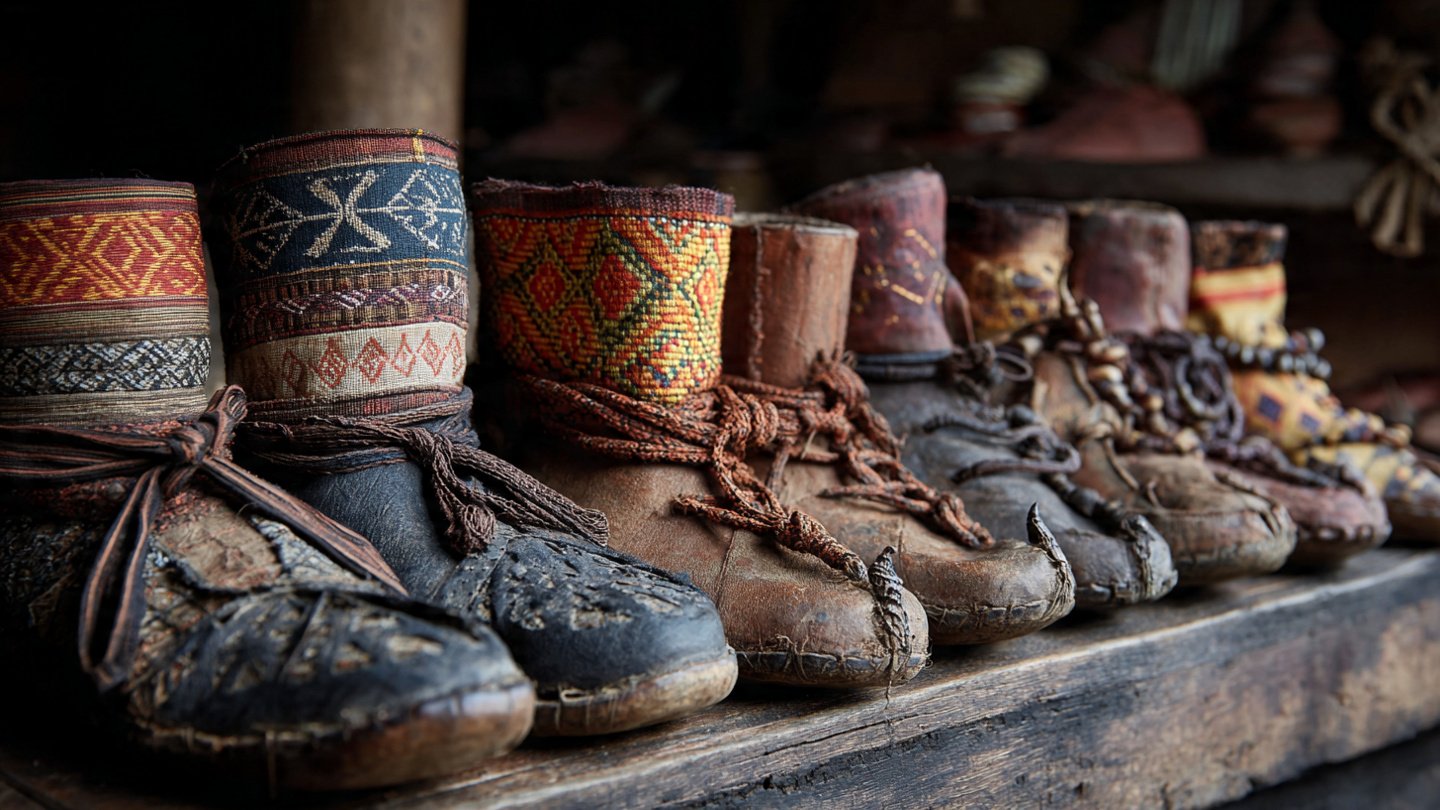
Before concrete sidewalks became the norm, shoemaking was a highly localized craft dictated by the natural environment. The designs were practical, robust, and highly specific to the region where they were made.
Rural and Terrain-Based Shoes
For centuries, people wore shoes designed specifically for the natural terrain they inhabited. Those living in mountainous regions needed thick, sturdy boots to protect against sharp rocks and cold weather. People in warmer, sandy climates relied on breathable sandals to keep their feet cool while offering basic protection. You can see this variety reflected in Cultural Footwear Around the World, where local geography dictated the primary materials and shapes of early footwear.
Handmade and Local Designs
Before the industrial boom, shoemaking was primarily a custom, local trade. Cobblers crafted shoes by hand, measuring each foot and constructing garments using locally sourced leather, wood, or plant fibers. When comparing Handmade Shoes vs Factory Shoes, the key difference lies in scalability. Handmade shoes were built to last a lifetime out of necessity, as replacing them was an expensive and time-consuming process.
Function Over Fashion
In agrarian societies, footwear was a tool for survival. A farmer needed a shoe that could withstand mud, water, and heavy labor. Aesthetic appeal was rarely a primary concern. Decorations were minimal, and dyes were often limited to natural browns and blacks. The priority was keeping the foot safe and functional for demanding physical work in unpredictable natural environments.
Urbanization and the Need for New Shoe Designs
As the industrial revolution pulled millions of people into cities, the fundamental relationship between humans and their environment changed. The ground beneath their feet was no longer soft and yielding.
Hard Surfaces and Walking Needs
The rapid paving of city streets introduced a new physical challenge. Concrete, asphalt, and cobblestone are entirely unforgiving. Walking long distances on these hard surfaces sends harsh impact forces up through the legs and spine. Traditional leather-soled shoes, which worked reasonably well on dirt paths, proved incredibly painful and impractical for daily city commutes.
Durability and Comfort Requirements
City workers needed footwear that could endure constant friction against paved roads without wearing down after a few weeks. At the same time, the shoes needed to be comfortable enough for people to wear during long factory shifts or extended walks across sprawling neighborhoods. This drove early innovations in Understanding Shoe Soles and Midsoles, as manufacturers scrambled to find materials that offered both resilience and shock absorption.
Rise of Everyday Casual Footwear
The rigid division between formal dress shoes and heavy work boots began to blur. City dwellers needed a middle ground—something comfortable enough for walking, durable enough for the streets, but presentable enough for daily social interactions. This demand laid the groundwork for the modern casual shoe category, shifting the industry away from strictly situational footwear.
The Rise of Athletic and Casual Sneakers in Cities
The modern sneaker is arguably the most significant byproduct of urbanized shoe design. What started as niche sporting equipment eventually conquered city streets worldwide.
Rubber Soles for Urban Mobility
The introduction of vulcanized rubber revolutionized footwear forever. The Birth of Rubber Soles allowed manufacturers to attach a flexible, highly durable, and shock-absorbing base to a canvas or leather upper. This innovation was perfect for the city. Rubber gripped the pavement, cushioned the foot against hard concrete, and provided a quiet, comfortable walking experience.
Running Shoes as Lifestyle Footwear
As fitness movements gained traction in the late 20th century, running shoes flooded the market. However, consumers quickly realized that the technology designed to protect a marathon runner’s joints also made walking around a city incredibly comfortable. People began wearing running shoes for their daily commutes, running errands, and socializing. The History of Athletic Shoes shows a clear pattern of sports gear transitioning into everyday lifestyle wear.
Streetwear and Sneaker Culture
By the 1980s and 1990s, the sneaker was fully detached from its purely athletic origins. Urban youth adopted specific basketball and running shoes as cultural uniforms. Sneaker culture was born in the inner cities, driven by the desire for fresh, clean, and unique footwear that stood out on the pavement. The sneaker became the ultimate symbol of urban mobility and style.
How Urban Culture Influenced Shoe Style and Silhouettes
The visual identity of modern shoes is deeply intertwined with the architecture, pace, and attitudes of city life. Urban environments dictate not just how shoes function, but how they look.
Minimalist vs Chunky Trends
City fashion moves in cycles, often oscillating between sleek efficiency and bold statements. Minimalist vs Chunky Shoe Trends reflect this dynamic. Minimalist sneakers offer a clean, versatile look that transitions easily from a subway commute to a casual office. On the other hand, chunky “dad shoes” provide maximum pavement cushioning while serving as a highly visible, architectural fashion statement against the gray backdrop of the city.
High-Top vs Low-Top Sneakers
The debate between high-top and low-top silhouettes also stems from urban utility. High-Tops vs Low-Top Explained often highlights how high-tops originated for ankle support on city basketball courts before becoming a staple of street fashion. Low-tops, offering greater ankle mobility and a lighter feel, became the go-to choice for fast-paced urban walking and warmer city climates.
Fashion-Driven Designs
Eventually, function took a back seat to pure aesthetic expression. Designers began exaggerating the functional elements of urban shoes—oversized air bubbles, aggressive tread patterns, and reflective materials originally meant for nighttime street safety became purely stylistic choices. The city became a runway, and the shoe was the centerpiece.
Materials and Technology in Urban Footwear
To keep up with the demands of modern city life, footwear brands invested heavily in engineering and material science.
Lightweight and Breathable Materials
Navigating a crowded, sweltering city in the summer requires specific footwear capabilities. Heavy leather boots trap heat and weigh the wearer down. In response, manufacturers developed engineered knits and synthetic meshes. These materials wrap the foot securely while allowing maximum airflow, making long days on hot pavement much more manageable.
Cushioning for Comfort
Walking five miles a day on concrete requires serious shock absorption. Brands developed proprietary foams, encapsulated air units, and gel inserts to protect the foot. Cushioning Technologies Explained usually details how these systems compress and rebound with each step, effectively turning hard city sidewalks into forgiving surfaces.
Durable Outsoles for City Use
While the upper part of the shoe became lighter, the bottom needed to remain tough. Comparing Leather vs Synthetic Shoe Materials reveals why modern outsoles rely on advanced rubber compounds. These materials resist the abrasive nature of asphalt and provide vital traction on wet subway stairs or slick city grates.
Cultural Meaning of Shoes in Urban Life
In a crowded city where millions of people share the same space, clothing becomes a crucial tool for individual expression. Shoes, in particular, serve as immediate indicators of identity, status, and affiliation.
Urban youth, musicians, and athletes elevated the sneaker from a piece of rubber and leather to a highly coveted cultural artifact. Hip-hop culture and street basketball heavily influenced which brands and silhouettes dominated the streets. Today, sneaker communities thrive in cities worldwide, with people lining up for hours to secure limited releases. The Psychology of Sneaker Culture and Modern Identity highlights how what you wear on your feet in a city tells a story about who you are, what music you listen to, and what subcultures you belong to.
The Future of Urban Footwear Design
As cities continue to grow and evolve, so too will the footwear we use to navigate them. The next era of shoe design is already taking shape, driven by new technologies and changing environmental priorities.
Innovators are currently experimenting with Futuristic Shoe Shapes that challenge traditional footwear construction, using 3D printing to create custom-fit shoes on demand. Smart shoes embedded with sensors are being developed to track urban movement and adjust cushioning in real-time.
Furthermore, as the environmental impact of urban consumption becomes a pressing issue, sustainable footwear is gaining massive traction. Brands are utilizing recycled ocean plastics, plant-based leathers, and biodegradable rubbers to create shoes that leave a smaller footprint on the planet. The Future of Shoes: Technology & Innovation will undoubtedly focus on blending this environmental responsibility with the relentless comfort required by city living.
Urbanization as a Driving Force in Modern Footwear
The transformation of human settlements from quiet rural villages to bustling concrete metropolises completely redefined our relationship with footwear. Every major advancement in shoe technology over the last century—from vulcanized rubber to engineered mesh—was a direct response to the demands of the city.
By looking at the History of Athletic Shoes and the rise of casual streetwear, it is clear that urbanization did more than just change where we walk; it changed how we walk. The modern shoe is a perfect reflection of city life: tough enough to handle the concrete, comfortable enough to keep moving forward, and stylish enough to stand out in a crowd.
Leave a Reply