

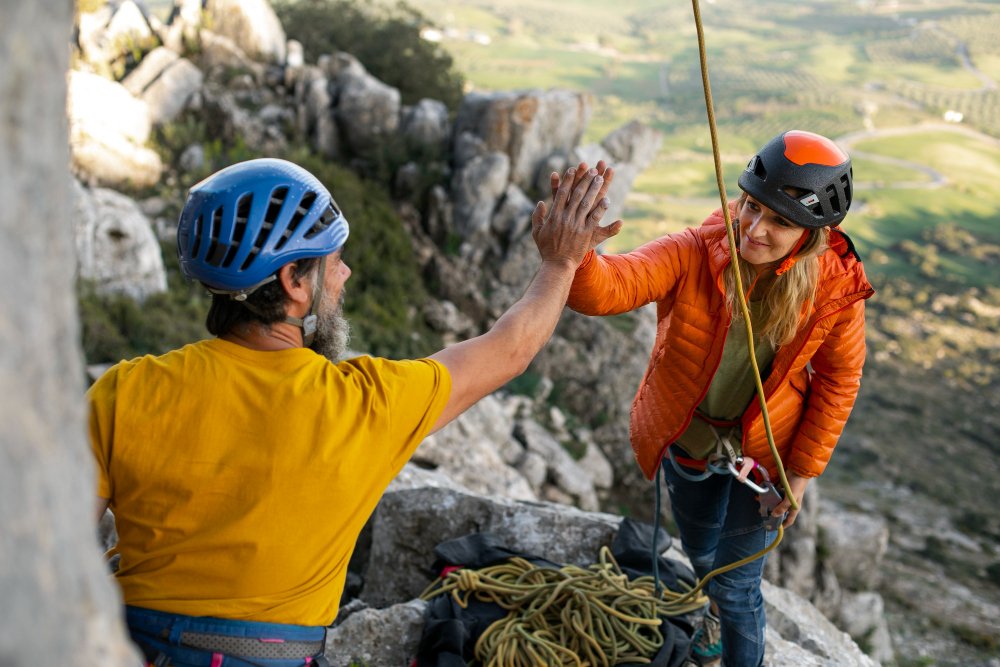
Rock Climbing and Its Popularity Among Youth
Rock climbing has rapidly emerged as a dynamic sport that captivates the interest of young individuals across the globe. Its growth in popularity can be attributed to several factors, including the thrill of adventure, the physical challenges it offers, and the strong sense of community among climbers. As a multifaceted sport, rock climbing encompasses various styles, each providing unique experiences and catering to diverse interests of young climbers.
The three primary types of rock climbing are bouldering, sport climbing, and traditional (trad) climbing. Bouldering involves climbing short, yet challenging routes without the use of ropes, emphasizing strength and technique. This style is particularly appealing to youth because it allows climbers to test their limits in a relatively safe environment, often at climbing gyms or specially designed outdoor areas. Sport climbing, in contrast, incorporates the use of fixed protection points, like bolts, allowing climbers to ascend higher routes. This discipline appeals to young climbers seeking both physical and mental challenges while enjoying the security of placed protection.
Trad climbing differs from sport climbing in its requirements for climbers to place their own protection as they ascend, demanding a higher level of skill and experience. While it may attract a more seasoned audience, the allure of adventure and exploration in remote areas draws many young climbers toward this style, fostering a passion for the outdoors. Overall, the increasing presence of rock climbing gyms, availability of climbing competitions, and an ever-growing online community further contribute to the sport’s popularity among youth.
Understanding Physiological Responses: An Overview
Physiological responses refer to the body’s automatic and systematic reactions to various internal and external stimuli, particularly during physical activities. In the realm of exercise and sports, these responses are essential for maintaining homeostasis, which is the body’s ability to regulate its internal environment and keep conditions stable despite external changes. Homeostasis is crucial for optimal performance, as it allows the body to work efficiently even under stress, such as during rock climbing.
When engaging in strenuous physical activities like rock climbing, the body undergoes specific physiological changes. For instance, the heart rate increases to pump more oxygenated blood to the muscles, while respiratory rate escalates to facilitate enhanced oxygen uptake. These adjustments exemplify the stress response, a process that prepares the body for immediate action and endurance. The stress response can be beneficial, as it promotes adaptations that enhance physical fitness over time.
Adaptation is a critical concept in understanding physiological responses. It refers to the body’s ability to adjust to the physical demands placed upon it, leading to improved performance and reduced risk of injury. In the context of young climbers, physiological adaptation may involve increased muscle strength, better endurance, and improved coordination. Recognizing these adaptations is vital, as they provide insight into the potential long-term benefits of engaging in rock climbing.
Understanding the body’s physiological responses during activities such as rock climbing not only aids in optimizing performance but also fosters safer participation. By comprehending how the body adapts to various stressors, climbers can better tailor their training regimens, ultimately enhancing their climbing experience.
Muscle Engagement and Development in Young Climbers
Rock climbing serves as a dynamic physical activity that necessitates the engagement of multiple muscle groups, providing holistic benefits in strength and endurance for young climbers. Primarily, the upper body muscles—including the forearms, biceps, triceps, and shoulders—are significantly activated during climbing. This heightened engagement is essential for gripping holds and maneuvering over various surfaces, thereby leading to improved muscular strength and coordination.
The core muscles also play a crucial role in climbing, acting as the primary stabilizers as young climbers shift their weight and balance against gravity. Engagement of the abdominal muscles not only aids in maintaining posture but is pivotal in generating power during ascents. Furthermore, the engagement of the obliques and lower back muscles enhances overall stability, which is essential for executing advanced techniques.
Leg muscles, particularly the quadriceps, hamstrings, and calves, are equally vital for effective climbing. Powerful legs propel climbers upwards and provide the necessary push-off from foot holds. As young climbers repeatedly engage these muscles through practice, they experience significant muscle development that contributes to their overall performance.
It is important to note that the physiological adaptations young climbers experience are contingent upon their regular training regimens. Consistent climbing fosters not only muscular strength but also enhances endurance and flexibility as the body adapts to the physical challenges. As such, young climbers witness improvements in their muscular endurance, allowing them to tackle more challenging routes with greater efficiency. Through these adaptations, the muscle development that arises fosters an exhilarating growth journey for young athletes, ensuring they build a strong foundation for future climbing endeavors.
Cardiovascular Responses: Heart Rate and Blood Flow
The act of rock climbing presents considerable physiological demands on the body, particularly in terms of cardiovascular responses. During climbing, there is a marked increase in heart rate as the body adjusts to the physical exertion required to ascend various climbing routes. Various studies indicate that young climbers experience substantial elevations in heart rate, often reaching 70-90% of their maximum heart rate during intense climbing sessions. This increase is attributed to the heightened demand for oxygen and nutrients by the muscles involved in climbing.
In addition to heart rate, blood circulation also intensifies. As young climbers engage multiple muscle groups while navigating vertical terrains, the body increases blood flow to these areas to facilitate oxygen delivery. This improved circulation not only sustains physical activity but also enhances performance by preventing fatigue. Consequently, the climber’s endurance is supported, allowing for longer and more intense climbing sessions.
The cardiovascular adaptations observed in young climbers can have long-lasting benefits. Regular rock climbing helps improve overall cardiovascular fitness, contributing to better heart health and increased efficiency in energy utilization. As young climbers repeatedly engage in this physically demanding sport, they develop a more robust cardiovascular system, characterized by strengthened heart muscles and improved blood vessel responsiveness.
Furthermore, the inherent physical challenges posed by rock climbing promote adaptations that can reduce the likelihood of cardiovascular diseases later in life. Engaging in climbing regularly instills healthy cardio-respiratory habits, ultimately benefiting the overall well-being of young climbers. Therefore, understanding the cardiovascular responses during rock climbing highlights the significance of this activity in fostering not only immediate physical demands but also long-term health advantages.
Respiratory Changes and Oxygen Consumption
Rock climbing is an intense physical activity that imposes significant demands on the respiratory system, particularly in young climbers. As the level of exertion increases during climbing, the body’s need for oxygen escalates. This is primarily due to the heightened metabolic rates required to sustain muscular activity, as well as to maintain balance and coordination on varying terrains. Consequently, the respiratory frequency and depth of breathing must adapt to facilitate optimal oxygen uptake.
Younger climbers tend to exhibit unique respiratory patterns in response to climbing challenges. During periods of intense effort, the frequency of breaths increases, while the tidal volume, or the amount of air inhaled or exhaled in a single breath, often deepens to maximize oxygen inhalation. This adaptation serves to enhance pulmonary ventilation, ensuring that sufficient oxygen reaches the bloodstream to meet the metabolic demands of climbing. Research indicates that with consistent climbing practice, these adaptations can become more pronounced, leading to improved overall respiratory efficiency and capacity.
Furthermore, the implications of these physiological changes extend beyond the climbing experience. Enhanced lung capacity and efficient oxygen consumption can contribute to better overall lung health and increased fitness levels in young climbers. Engaging in rock climbing not only promotes cardiovascular fitness but also strengthens respiratory muscles, thereby fostering endurance and resilience. Through continued participation in climbing activities, young climbers may experience long-term benefits related to their respiratory health, which can positively impact their athletic performance in various other sports. Hence, understanding these respiratory changes is critical in guiding training programs for young climbers, ensuring they can maximize performance while maintaining lung health.
Hormonal Responses and Stress Management
During rock climbing, young climbers experience significant hormonal changes that can influence their performance and overall emotional state. Two of the primary hormones involved in this physiological response are adrenaline and cortisol. When a climber begins their ascent, the body perceives this activity as a stressor, activating the sympathetic nervous system. This activation leads to the rapid release of adrenaline, also known as epinephrine, which prepares the body for a ‘fight or flight’ response.
The surge of adrenaline enhances physical performance by increasing heart rate, improving blood flow to the muscles, and heightening alertness. Consequently, young climbers often experience improved reaction times and greater strength during critical moments on the wall. This can be particularly crucial when navigating challenging routes or encountering unexpected obstacles. The adrenaline rush can provide climbers with the necessary energy boost to overcome difficulties and continue their ascent.
In addition to adrenaline, cortisol—a hormone released in response to stress—also plays a pivotal role during rock climbing. While short-term increases in cortisol can be beneficial in enhancing endurance and attention, prolonged exposure to elevated cortisol levels may lead to negative consequences, such as increased anxiety and fatigue. Young climbers must be aware of their stress levels and utilize effective stress management techniques to mitigate the adverse effects of cortisol. Techniques such as focused breathing, visualization, and regular physical training can aid in balancing these hormonal responses, allowing climbers to perform at their best while maintaining emotional stability.
Ultimately, understanding the hormonal responses to rock climbing enables young climbers to harness the benefits of adrenaline and regulate cortisol levels effectively. This knowledge can lead to improved performance, higher energy levels, and better stress management during climbs—key factors that contribute to a successful climbing experience.
Psychological Effects and Mental Resilience
Rock climbing presents unique psychological challenges that can significantly influence the mental resilience of young climbers. Engaging in this physically demanding sport not only fosters physical strength but also cultivates critical psychological traits such as confidence, focus, and problem-solving abilities. During climbing, individuals confront various obstacles that require them to exercise mental fortitude, making the sport an ideal environment for developing resilience.
The physiological responses experienced during climbing—such as increased heart rate and heightened adrenaline levels—often mimic those encountered in high-pressure situations outside of the climbing setting. These responses can lead to enhanced focus and heightened awareness, which are crucial for navigating complex climbing routes. As young climbers learn to manage these physiological responses and remain calm under pressure, they inherently build their mental toughness, learning to approach challenges with a more resilient mindset.
Furthermore, the process of solving climbing problems—often referred to as “problem-solving on the wall”—encourages climbers to engage in creative thinking and adaptability. Each route presents a unique challenge, requiring climbers to assess their strategies dynamically. This activity not only aids in their physical development but also fosters a sense of accomplishment as they successfully navigate difficult climbs. As they overcome fears and uncertainties, young climbers often emerge more confident, further reinforcing their ability to handle stress and setbacks.
In summary, rock climbing acts as an effective tool for building mental resilience among young climbers. The interplay between physiological and psychological factors ensures that participants not only enhance their climbing skills but also develop essential life skills, fostering greater self-confidence and improved problem-solving abilities.
Injury Risks and Recovery Processes
Rock climbing, while an exhilarating sport that offers numerous physical benefits, also presents certain injury risks, particularly among young climbers whose bodies are still developing. Understanding the common injuries associated with rock climbing is crucial for mitigating risks and promoting a safe climbing environment. Young climbers are especially susceptible to overuse injuries such as tendonitis, stress fractures, and sprains due to their growing muscles and bones. Commonly, injuries occur in the fingers, shoulders, and wrists as climbers ascend, grip holds, and maneuver their bodies dynamically. These injuries can have significant physiological implications, potentially leading to impaired function, pain, and long-term issues if not properly addressed.
Moreover, the psychological aspects of injury in young climbers can be profound. Fear of re-injury may affect their confidence and performance levels, which can further delay recovery. It is essential for young climbers and their trainers to adopt injury prevention strategies, such as proper warm-ups, strength training, and technique refinement, to minimize the risks while climbing. Regular assessment of climbing techniques and the quality of equipment can also safeguard against injuries, ensuring that young climbers are not only physically prepared but also psychologically supported.
In terms of recovery, several approaches are vital for young climbers who do sustain injuries. Active recovery methods, including physical therapy and rehabilitation exercises, can be crucial in restoring strength and mobility. Additionally, educating young climbers about listening to their bodies and recognizing the early signs of overuse or strain can aid in effective recovery. Implementing a structured schedule of rest and activity is essential in maintaining overall health and reducing the likelihood of subsequent injuries. Therefore, a combination of injury prevention and a robust recovery strategy is key to fostering a healthy climbing experience for young individuals.
Conclusion: The Unique Benefits of Rock Climbing for Youth Development
Rock climbing has been shown to provide a multitude of physiological and psychological benefits for young climbers. First and foremost, this engaging sport significantly enhances physical fitness. Climbing engages multiple muscle groups, including those in the arms, legs, core, and back, resulting in improved strength, endurance, and flexibility. Young climbers develop not only the muscular strength needed to ascend challenging routes but also gain cardiovascular fitness that helps maintain overall health and resilience against lifestyle-related illnesses.
Additionally, the mental resilience fostered through rock climbing deserves recognition. Natural challenges faced during climbs cultivate problem-solving skills as young climbers assess their routes and strategize the best ways to accomplish them. The demand for focus and concentration required to navigate climbing obstacles helps improve attention spans and cognitive function in youth. Furthermore, the sport teaches young individuals the significance of perseverance, as they may need to tackle difficult climbs repeatedly before mastering them.
Beyond the physical and mental aspects, rock climbing offers remarkable opportunities for social development. Engaging in this activity often occurs in community settings, fostering teamwork and building connections between peers. Young climbers can develop supportive relationships with both fellow climbers and mentors. This sense of community and shared achievement encourages cooperation and enhances social skills, providing vital interpersonal experiences during critical growth years.
In light of these benefits, it is clear that rock climbing serves as an excellent activity for youth. Its comprehensive advantages extend beyond mere physical fitness, encompassing key elements of mental health and social engagement. Therefore, promoting rock climbing among young individuals is essential in fostering a well-rounded and healthy lifestyle.
Leave a Reply