

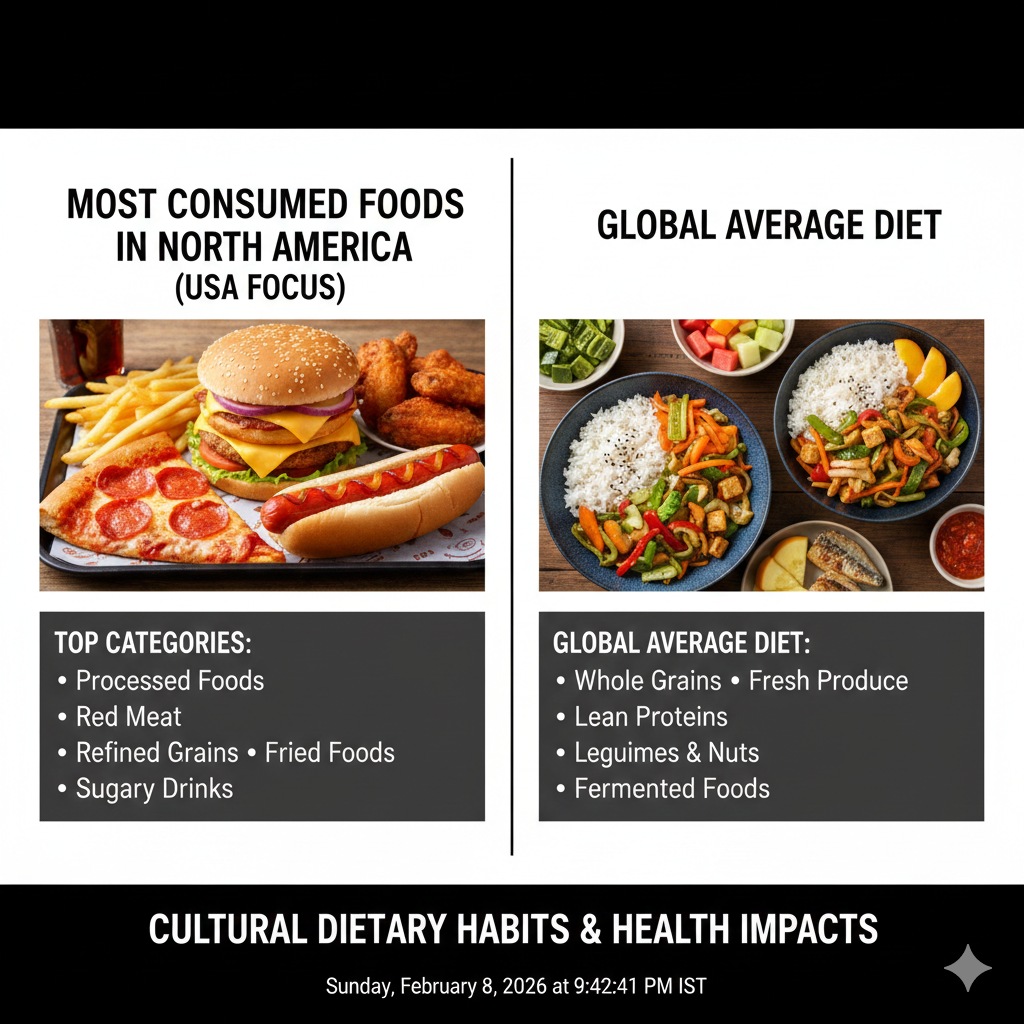
Think about your last grocery run. What was in your cart? Maybe a loaf of bread, some chicken breasts, a block of cheddar, and perhaps a bag of chips for the weekend. If this sounds familiar, you aren’t alone. The American diet is a complex tapestry woven from convenience, culture, and economics. While the culinary landscape in the United States is incredibly diverse, specific staples appear on dinner tables from California to Connecticut with remarkable consistency.
Understanding what Americans eat isn’t just about satisfying curiosity; it reveals deeper truths about our lifestyles, our economy, and our collective health. For decades, the narrative around the “Standard American Diet” (often humorously acronymized as SAD) has focused on excess—too much sugar, too much fat, too much processing. But is that the whole story? Are we shifting towards healthier options, or are old habits hard to break?
This guide explores the most consumed foods in North America, with a specific focus on the USA. We will break down the staples that dominate our plates, examine why they are so popular, and look at the emerging trends that might change what we eat in the future.
Overview of North American Eating Habits
The North American diet, particularly in the United States, is characterized by high availability and variety. However, availability doesn’t always translate to dietary diversity. For many, the daily menu revolves around a core set of affordable, palatable, and convenient foods.
Daily diet patterns in the USA
On average, the typical American diet is energy-dense. It relies heavily on packaged foods, animal proteins, and refined carbohydrates. Breakfast might be toast or cereal; lunch often involves a sandwich or a burger; dinner frequently centers around meat and a starch. Snacking is also a significant contributor to daily calorie intake, with many people eating multiple times between main meals.
Cultural and economic influences
Why do we eat this way? Economics plays a massive role. Subsidies for crops like corn and soy make ingredients like high-fructose corn syrup and soybean oil incredibly cheap, finding their way into thousands of processed products. Culturally, the “melting pot” of the USA means we have access to tacos, sushi, and pizza, but these are often Americanized versions that are higher in sodium and calories than their traditional counterparts.
Most Consumed Foods in the USA
When we look at the data, certain food groups stand out as the undeniable heavyweights of the American diet.
Refined Grains
Grains are the foundation of the US diet, but not necessarily the whole grains nutritionists recommend.
Bread, pasta, rice
White bread, burger buns, pizza crusts, flour tortillas, and white rice are ubiquitous. Wheat flour is the primary ingredient in most baked goods and snacks. While whole wheat and multigrain options are available, refined white flour products remain the default for most consumers due to their texture, shelf life, and lower cost.
Role in daily meals
Grains serve as the vehicle for other foods. We use bread to hold meat and cheese, pasta to carry sauce, and rice to soak up curries or stir-fries. They are the inexpensive fillers that bulk up meals and provide quick energy, albeit often followed by a blood sugar crash.
Meat and Poultry
Americans are among the highest consumers of meat in the world. Protein is rarely the nutrient of concern in the US diet; in fact, most Americans consume far more than the recommended daily amount.
Chicken, beef, pork consumption
Chicken has steadily climbed the ranks to become the most consumed meat in the US, largely perceived as a healthier, leaner alternative to red meat. However, beef remains a cultural staple, symbolic of American cuisine through burgers and steaks. Pork maintains a strong presence, particularly in the form of processed meats like bacon, ham, and sausages.
Protein preferences
The preference for animal protein is strong. While plant-based proteins are trending, they still represent a small fraction of total protein intake compared to animal sources. The average American consumes significantly more meat than the global average, reflecting both the country’s agricultural capacity and its relative wealth.
Dairy Products
Dairy is deeply ingrained in the American food supply, though the way we consume it is shifting.
Milk, cheese, yogurt
Fluid milk consumption has been declining for decades, but total dairy consumption is actually up. Why? Cheese. Americans love cheese. It is melted onto pizzas, layered in sandwiches, and sprinkled over salads. Yogurt, particularly Greek yogurt, has also seen a rise in popularity as a breakfast or snack option.
Calcium and protein intake
Dairy provides a significant portion of calcium and vitamin D in the American diet. However, the shift from drinking milk to eating cheese often means an increase in saturated fat and sodium intake, which complicates the health profile of this food group.
Processed Foods
Perhaps the most defining characteristic of the modern American diet is the high intake of ultra-processed foods.
Packaged snacks and ready meals
Chips, crackers, cookies, frozen dinners, and instant noodles make up a large percentage of grocery sales. These items are engineered for “bliss point”—the perfect combination of salt, sugar, and fat that makes them difficult to stop eating.
Convenience-driven consumption
In a fast-paced culture where time is a luxury, processed foods offer a solution. They require little to no preparation, are shelf-stable, and are portable. For busy families and workers, the convenience factor often overrides nutritional concerns.
Fruits and Vegetables
We know we should eat them, but do we?
Most eaten fruits
Bananas and apples typically top the list of fresh fruit consumption due to their affordability, portability, and year-round availability. Oranges are also popular, though frequently consumed as juice rather than whole fruit.
Most eaten vegetables
Potatoes and tomatoes are the undisputed champions of vegetable consumption in the US. However, this statistic is slightly misleading. A significant portion of potato consumption comes in the form of French fries and potato chips. Similarly, a large volume of tomato consumption comes from ketchup and pizza sauce. Leafy greens and cruciferous vegetables like broccoli trail far behind.
Sugary Foods and Beverages
Added sugars are a major dietary concern in North America.
Soft drinks and sweetened drinks
While soda consumption has seen a slight decline in recent years, it remains high. Furthermore, people are often swapping soda for other sweetened beverages like sports drinks, energy drinks, and sweetened teas or coffees, which can contain just as much sugar.
Desserts and added sugars
Ice cream, cakes, cookies, and candy are regular treats. Beyond obvious desserts, sugar is hidden in savory foods like bread, pasta sauce, and salad dressings, contributing to a daily intake that far exceeds recommendations from health organizations like the American Heart Association.
How the USA Compares to Canada and Mexico
While they share a continent, the three major North American countries have distinct dietary profiles, though globalization is blurring the lines.
All three nations consume high amounts of processed foods and sugary beverages compared to European or Asian counterparts. Corn is a shared staple, though its form varies—tortillas in Mexico versus high-fructose corn syrup and animal feed in the US. Wheat and meat are also central to diets across the continent.
Key dietary differences
Mexico: traditionally relies more heavily on corn, beans, and fresh produce like avocados, tomatoes, and chilies. However, Mexico has seen a rapid rise in the consumption of processed foods and sodas, leading to similar public health challenges as the US.
Canada: Dietary patterns in Canada mirror the US closely but often show slightly higher consumption of fruits and vegetables and lower consumption of sugary drinks. Canadian regulations on food additives and growth hormones in dairy also differ, leading to slight variations in food quality.
Why These Foods Dominate the American Diet
The foods we eat are rarely chosen in a vacuum. Several powerful forces shape the American menu.
Affordability and availability
The US agricultural system is incredibly efficient at producing corn, soy, wheat, and livestock. This makes processed foods and animal products relatively inexpensive. In contrast, fresh produce—especially when out of season—can be costly and prone to spoilage, making it a riskier purchase for budget-conscious households.
Marketing and food culture
Billions of dollars are spent annually marketing fast food, soda, and snacks. These advertisements link specific foods to happiness, status, and fun. Additionally, the “supersize” culture has normalized large portion sizes, leading consumers to expect large quantities of food for low prices.
Lifestyle and convenience
Americans work long hours and have shorter vacation times than many other developed nations. Cooking from scratch requires time and energy that many people simply don’t have. The “grab-and-go” culture prioritizes fuel over nourishment.
Health Implications of Commonly Consumed Foods
The dominance of calorie-dense, nutrient-poor foods has consequences.
Nutrient balance concerns
The typical diet is high in sodium, saturated fats, and added sugars but low in fiber, potassium, calcium, and vitamin D. This imbalance creates a paradox where individuals can be simultaneously overweight and undernourished—consuming too many calories but not enough essential micronutrients.
Links to energy, weight, and wellness
Diets high in refined grains and sugar can lead to rapid spikes and drops in blood sugar, affecting energy levels and mood. Over the long term, this dietary pattern is strongly linked to chronic conditions such as obesity, type 2 diabetes, and cardiovascular disease. The high intake of processed meats has also been flagged by health organizations as a potential risk factor for certain cancers.
Trends Shaping Food Consumption in the USA
Despite the gloomy statistics, the tide is slowly turning. Consumers are becoming more educated and are demanding better options.
Rise of plant-based foods
“Plant-based” has gone from a niche lifestyle to a mainstream marketing term. While most Americans are not becoming strict vegans, many are becoming “flexitarians”—people who actively try to reduce meat consumption and incorporate more plant proteins like lentils, beans, and tofu into their meals.
Increased protein-focused diets
Diets like Keto, Paleo, and general low-carb approaches have renewed the focus on protein. This has bolstered meat consumption but also driven interest in high-protein snacks, protein shakes, and fortified foods.
Decline in sugary drink consumption
Public health campaigns and taxes on sugary drinks in some cities have had an impact. Water consumption, particularly sparkling water and flavored unsweetened water, is on the rise as consumers look for healthier hydration options.
How Dietary Guidelines Influence Food Choices
The government plays a role in what ends up on our plates, primarily through the USDA Dietary Guidelines for Americans.
USDA recommendations
Every five years, the USDA updates its guidelines based on the latest science. The shift from the “Food Pyramid” to “MyPlate” was an attempt to simplify nutrition, encouraging Americans to fill half their plate with fruits and vegetables. While adherence is far from perfect, these guidelines dictate school lunch programs and federal food assistance, directly impacting millions of meals daily.
Public health campaigns
Campaigns focusing on reducing sodium, cutting trans fats, and limiting sugar have forced manufacturers to reformulate products. You can now find “low sodium” soups and “no added sugar” yogurts that weren’t available twenty years ago, giving health-conscious consumers more control over their diet.
Are Americans Eating Healthier Than Before?
It’s a mixed bag.
Historical comparison
Compared to fifty years ago, we eat more calories overall. We eat more cheese, more cooking oils, and more sweeteners. However, we also have access to a wider variety of fresh produce year-round than ever before.
Shifts toward whole foods
There is a distinct segment of the population that is eating significantly healthier. The “farm-to-table” movement, organic food sales, and the popularity of farmers’ markets indicate a growing desire for whole, unprocessed foods. The gap, however, is often socioeconomic. Access to these healthier shifts is not evenly distributed, meaning that while the country’s “foodie” culture celebrates kale and quinoa, the average diet still relies heavily on burgers and fries.
The American diet is in a state of flux. It is a battleground between the convenient, hyper-palatable foods of the past century and a growing awareness of nutrition and wellness. While refined grains and red meat still reign supreme, the slow but steady rise of whole foods and plant-based options suggests that the future of the American plate might look a little greener.
FAQs – Most Consumed Foods in North America
What is the most eaten food in the USA?
While it’s hard to pin down a single item, grains (specifically wheat in the form of bread, pasta, and pizza crusts) are the most consumed food group by volume. In terms of specific vegetables, potatoes rank number one, largely due to French fries and chips.
Do Americans eat more meat than vegetables?
In terms of calories and perceived meal centers, yes. The average American consumes significantly more servings of meat than the recommended amount, while falling short on the recommended daily intake of vegetables.
How much processed food do Americans consume?
Estimates suggest that ultra-processed foods make up nearly 60% of the caloric intake in the average American diet. This includes soft drinks, packaged snacks, mass-produced breads, and reconstituted meat products.
Are diets changing in North America?
Yes. There is a slow trend towards reducing sugar intake and increasing plant-based options. However, the reliance on convenient, pre-packaged meals remains high due to lifestyle demands.
What foods are increasing in popularity?
Avocados, blueberries, yogurt, nuts, and poultry have all seen long-term growth in consumption. “Functional foods”—foods with added health benefits like probiotics or extra protein—are also a growing category.
Leave a Reply