

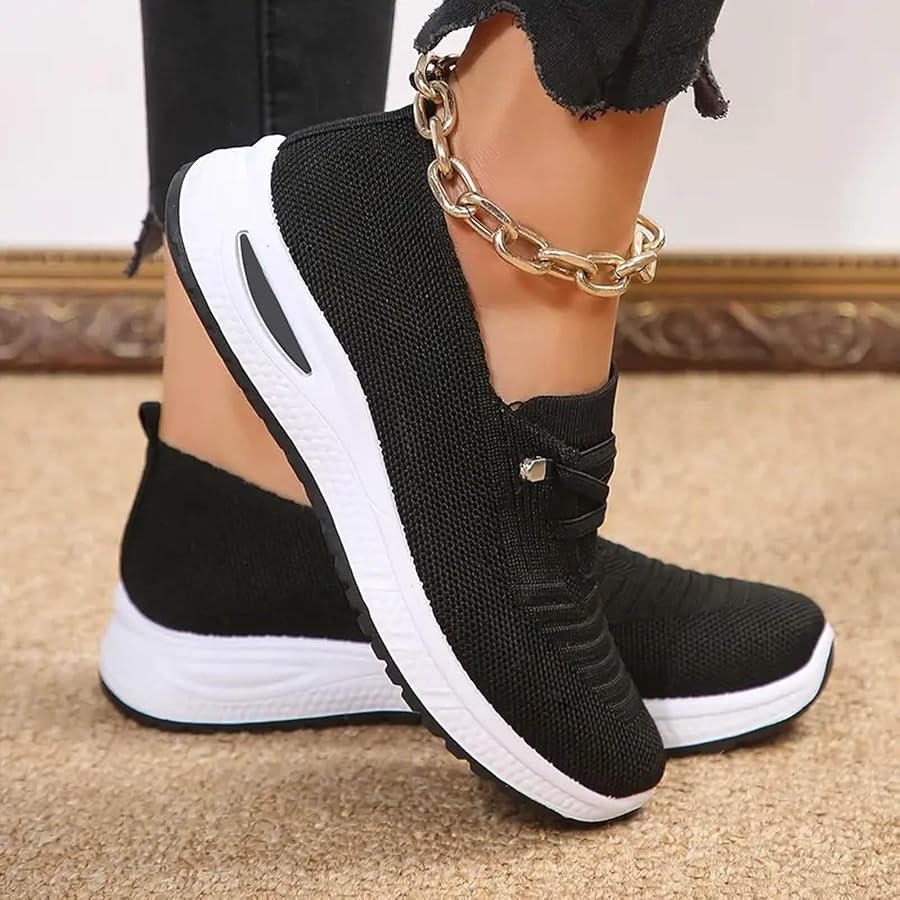
Walking is one of the most accessible and beneficial forms of exercise available. Whether you’re power walking through your neighborhood for fitness, commuting to work in a busy city, or simply running errands, the activity level adds up. However, the benefits of walking can be quickly negated by foot pain, blisters, or joint strain if you aren’t wearing the right gear.
The foundation of a good walking routine starts from the ground up. The shoes you choose have a direct impact on your posture, joint health, and overall endurance. Wearing improper footwear can lead to issues ranging from minor discomfort to chronic conditions like plantar fasciitis or shin splints.
This guide is designed to help you navigate the vast market of footwear to find the perfect match for your feet. We will explore the critical features that make a shoe great for walking, categorize top picks for different needs—from long distances to casual daily wear—and answer common questions about fit and durability. By the end, you’ll be equipped to choose the best walking shoes for women in the USA that offer both comfort and support for the year ahead.
What Makes a Great Walking Shoe for Women?
When searching for the best walking shoes for women USA, it helps to look past the aesthetics and focus on the engineering. While style is important, the construction of the shoe dictates how your feet will feel after mile three. Here are the four pillars of a high-quality walking shoe.
Cushioning and Shock Absorption
Every time your heel strikes the pavement, your body absorbs impact. Good walking shoes are designed with specific cushioning in the heel and midsole to absorb this shock, protecting your knees, hips, and lower back. Unlike running shoes, which often focus on springy energy return, walking shoes prioritize consistent, protective cushioning.
Arch Support and Stability
Your arch acts as a natural shock absorber. If a shoe lacks support, your arch can collapse (overpronation) or remain too rigid (supination), leading to strain. Stability features help guide the foot through a natural gait cycle, ensuring that your weight is distributed evenly across the foot rather than concentrating pressure on the heel or the ball of the foot.
Breathability and Lightweight Design
Heavy shoes can make your legs feel tired faster. Modern walking shoes utilize mesh uppers and synthetic materials that allow air to circulate, keeping feet cool and dry. This breathability is essential for preventing blisters, which often form due to the friction caused by sweaty, swollen feet.
Proper Fit and Flexibility
Walking requires your foot to roll from heel to toe. A stiff sole fights against this natural motion, causing fatigue. The best shoes for women in the USA for walking offer flexibility in the forefoot (where your toes bend) while maintaining stability in the heel.
Best Shoes for Women in the USA for Walking (Top Picks)
Navigating the 2026 footwear market can be overwhelming. To simplify your search, we’ve categorized the best shoes for women in the USA for walking based on how you intend to use them.
Everyday Walking Shoes
For general use, versatility is key. You need a shoe that transitions seamlessly from a morning dog walk to a casual lunch. Brands like Skechers and Allbirds continue to dominate this space by offering slip-on convenience mixed with decent arch support. Look for neutral colors and low profiles that don’t scream “gym shoe.”
Long-Distance Walking Shoes
If you are logging serious miles (3+ miles per session), you need performance gear. Brands like Brooks (specifically the Ghost or Adrenaline lines) and Saucony offer rigorous support structures. These shoes often feature thicker outsoles and engineered mesh uppers designed to handle repetitive impact over an hour or more of activity.
Stylish Walking Shoes for Daily Wear
Sometimes fashion matters just as much as function. Fortunately, the “athleisure” trend means you don’t have to choose. Vionic and Cole Haan are excellent examples of brands that integrate podiatrist-designed orthotics into sleek, fashionable exteriors. These are perfect for city walking or travel where you want to look put-together without sacrificing comfort.
Best Walking Shoes for Everyday Use
When we talk about everyday walking shoes women love, we are referring to the workhorses of your wardrobe. These are the pairs you leave by the door because you reach for them constantly.
Casual Walking Sneakers
The ideal casual sneaker blends a soft upper with a durable rubber sole. Knit materials are particularly popular in 2026 because they conform to the foot shape like a sock, reducing pressure points. This category is less about technical performance and more about all-day wearability.
Shoes for Errands and Commuting
For those constantly on the go, easy-on/easy-off features are a lifesaver. Slip-ins and shoes with elastic laces are gaining traction in the US market. However, convenience shouldn’t come at the cost of safety. Ensure your errand shoes have a non-slip sole, especially if you live in areas with frequent rain or slick sidewalks.
Best Walking Shoes for Long Walks and Fitness
Fitness walking is a sport, and it requires sports equipment. When looking for women walking shoes for long distances, the focus shifts entirely to biomechanics and endurance.
High-Cushion Designs
Maximalist cushioning, popularized by brands like Hoka, has moved from a niche trend to a standard requirement for many walkers. These shoes feature a thick stack height of foam. While they look bulky, they are often surprisingly lightweight. This extra foam provides a “marshmallow-like” feel that significantly reduces fatigue on long treks.
Shoes for Pavement and Treadmill Walking
Concrete is unforgiving. If you walk primarily on sidewalks or roads, you need durable rubber outsoles that won’t wear down after a few months. Treadmill walking is slightly different; the surface has some give, so you can get away with slightly less cushioning, but breathability remains crucial as indoor environments can get warm.
Most Comfortable Walking Shoes for Women
Comfort is subjective, but generally, comfortable walking shoes for women share specific traits: roomy toe boxes, plush interiors, and zero friction points.
Memory Foam and Cushioned Midsoles
Memory foam insoles mold to the unique shape of your foot, providing immediate, personalized comfort. While traditional memory foam can sometimes retain heat, newer iterations are infused with cooling gel or perforated for airflow. Combined with EVA foam midsoles, these shoes offer a soft landing with every step.
Shoes for Standing and Walking All Day
Nurses, teachers, and retail workers know the struggle of being on their feet for 8-12 hours. In these scenarios, a shoe with a slight rocker bottom can be beneficial. This design helps propel the foot forward with less effort, reducing the energy expenditure of every step. Additionally, firm heel counters are essential here to keep the foot aligned as muscles fatigue throughout the day.
Affordable Walking Shoes for Women in the USA
You do not need to spend over $150 to get a quality shoe. There are excellent affordable walking shoes women USA shoppers can find that provide durability without the premium price tag.
Budget-Friendly Options
Brands like Ryka (which designs exclusively for women’s feet) and New Balance offer entry-level models that are fantastic. While they may lack the premium foams of top-tier models, they provide reliable rubber outsoles and breathable mesh uppers.
Best Value-for-Money Picks
To find the best value, look for previous years’ models. When a brand releases the “Version 12” of a shoe, “Version 11” often goes on sale. The technology rarely changes drastically year-over-year, allowing you to snag high-end performance for a budget price.
Walking Shoes by Foot Type and Needs
One size does not fit all. Buying based on your specific foot anatomy is the smartest way to shop.
Flat Feet
If you have flat feet, you likely overpronate (your feet roll inward). You need “motion control” or “stability” shoes. These feature a denser foam post on the inner side of the shoe to prevent excessive rolling, keeping your knees and hips aligned.
High Arches
High arches are often rigid and do not absorb shock well. Walkers with this foot type should look for “neutral” shoes with ample cushioning. You want footwear that encourages flexibility and shock absorption to compensate for the foot’s natural stiffness.
Wide Feet
Forcing a wide foot into a standard shoe causes bunions and numbness. Luckily, brands like New Balance and Brooks offer wide (D) and extra-wide (2E) sizing options in almost all their popular walking models. A wide toe box allows toes to splay naturally, improving balance.
Foot Pain and Plantar Fasciitis
If you suffer from heel pain, look for shoes with a significant heel-to-toe drop (around 10-12mm) and rigorous arch support. This structure takes the tension off the plantar fascia. Avoid completely flat shoes like ballet flats or minimalist sneakers, as they can exacerbate the condition.
How to Choose the Best Walking Shoes for Women
Knowing how to choose walking shoes for women involves more than just checking your size.
Sizing and Fit Tips
Feet tend to swell throughout the day. It is best to try on shoes in the afternoon or evening when your feet are at their largest. Furthermore, you should have about a thumb’s width of space between your longest toe and the end of the shoe. If your toes are touching the front, you will likely lose toenails on long walks.
Material Guide
- Mesh: Best for hot climates and sweaty feet.
- Leather: Durable and water-resistant, but heavier and less breathable.
- Knit: Flexible and comfortable for bunions, but offers less structural support.
When to Replace Walking Shoes
Walking shoes generally last between 300 to 500 miles. If you walk 30 minutes a day, that translates to roughly every six months. Signs of wear include a worn-down tread, wrinkles in the midsole foam, or new aches and pains in your joints.
Walking Shoes vs Running Shoes: What’s Better?
A common question is walking shoes vs running shoes—can you wear runners for walking?
Design Differences
Running shoes are built for high impact and forward momentum. They often have more cushioning in the heel and a flared heel design for stability. Walking shoes are designed for a rolling motion. They are often more flexible and have a more undercut heel to facilitate the heel strike phase of walking.
Which is Better for Daily Walking?
You can absolutely walk in running shoes; many people find the extra cushioning beneficial. However, walking shoes are often more durable for the specific drag and wear patterns of a walking gait. If you simply walk for fitness, a running shoe is a fine choice. If you walk for work or stand all day, a dedicated walking shoe usually offers better stability and comfort.
Frequently Asked Questions (FAQ)
Q1. What are the best walking shoes for women in the USA in 2026?
The “best” varies by foot type, but top contenders consistently include the Brooks Ghost for cushioning, the Hoka Bondi for maximum comfort, and the Skechers Go Walk series for casual versatility.
Q2. Which women’s walking shoes are best for everyday use?
For everyday use, look for lightweight sneakers with neutral styling. Allbirds Tree Runners and Vionic walkers are excellent choices that blend comfort with a look suitable for casual clothes.
Q3. Are walking shoes good for standing all day?
Yes, provided they have good arch support and cushioning. Shoes with a slight rocker bottom can also help reduce fatigue for those standing for long shifts.
Q4. What features should I look for in women’s walking shoes?
Prioritize arch support, a cushioned heel, a flexible forefoot, and a roomy toe box. Breathability is also essential for preventing blisters.
Q5. Are affordable walking shoes durable enough?
Yes, many affordable brands offer durable rubber outsoles. While the cushioning may break down faster than premium models, they are perfectly adequate for moderate walking routines.
Q6. Can walking shoes help reduce foot pain?
Absolutely. Shoes designed with proper arch support and heel stability can alleviate strain on the plantar fascia and align the foot, significantly reducing pain associated with flat feet or high arches.
Q7. How often should women replace walking shoes?
You should replace them every 300-500 miles or roughly every 4-6 months with regular use. If the outsole is smooth or the midsole is creased, it’s time for a new pair.
Final Thoughts: Finding the Right Walking Shoes in 2026
Investing in the right pair of walking shoes is an investment in your health. The market in 2026 offers more options than ever, catering to every foot shape, budget, and style preference.
Remember to prioritize comfort over trends. A shoe that looks great but pinches your toes will only gather dust in your closet. Build a reliable rotation by having a dedicated pair for fitness walking and a separate, more stylish pair for daily errands. This extends the life of both pairs and ensures you always have the right support for the activity at hand.
Take the time to assess your foot type, try on multiple brands, and don’t hesitate to replace your shoes when they lose their bounce. Your feet—and your body—will thank you for it.
Leave a Reply