

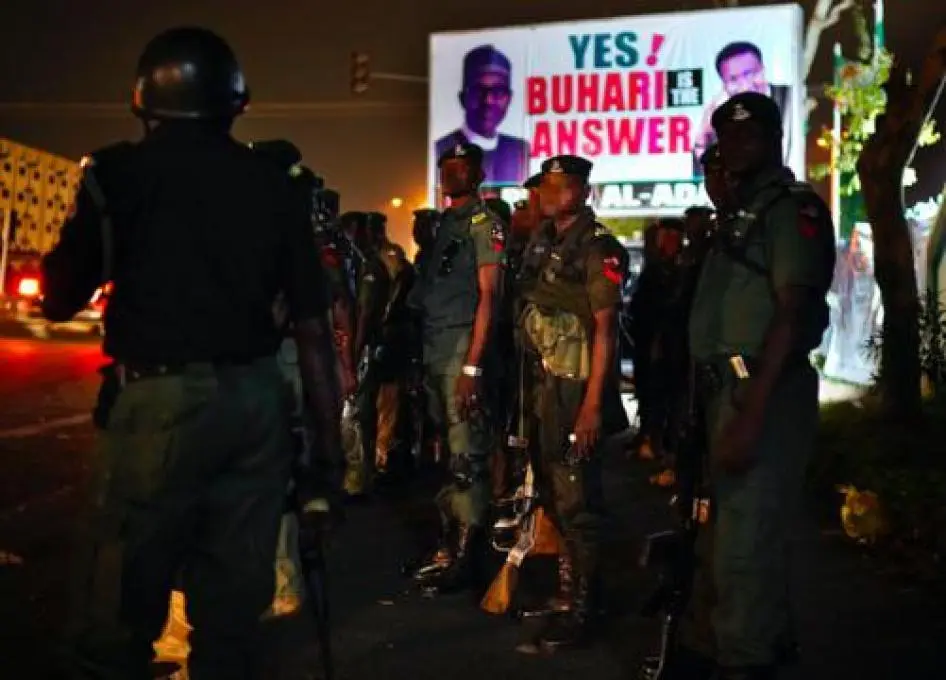
Nigeria is currently navigating a complex period defined by significant security challenges and widespread industrial actions. From the bustling streets of Lagos to the rural communities in the North East, the headlines are dominated by reports of insurgent activities, labor strikes, and an intensified military response to criminality.
For citizens and international observers alike, keeping up with the rapid developments can be overwhelming. The convergence of economic pressure—driven by inflation and policy shifts—and physical insecurity has created a volatile environment. “Nigeria news today” is not just a search term; it is a daily necessity for millions trying to understand their safety and economic prospects.
This article provides a comprehensive overview of the current situation. We will examine the latest attacks reported across various regions, analyze the causes and impacts of recent strikes, and break down the broader security landscape. By understanding these interconnected issues, readers can gain a clearer perspective on the nation’s trajectory and the measures being taken to restore stability.
Latest Attacks in Nigeria
The security architecture of Nigeria faces sustained pressure from multiple fronts. In recent weeks, several incidents have highlighted the fragility of peace in specific zones, particularly in the northern and central belts of the country.
Summary of Recent Incidents
Reports indicate a resurgence of violence in parts of the North West and North Central regions. Villages in states such as Kaduna, Zamfara, and Plateau have experienced coordinated assaults. These are not isolated events but part of a disturbing pattern of banditry that has plagued these areas for years. In the North East, while large-scale territory holding by insurgents has decreased, sporadic attacks on soft targets remain a concern.
Types of Attacks
The nature of these security breaches varies. In rural communities, armed assaults by “bandits”—often riding in large convoys of motorcycles—are common. These groups attack villages, loot food supplies, and rustle cattle. Concurrently, the highway network has seen a spike in kidnappings for ransom, targeting travelers and expatriates. In urban centers, while less frequent, there remains a persistent threat of targeted violence against security installations.
Casualties and Damage
While official casualty figures are often released with a lag, local reports suggest that dozens of lives have been lost in the most recent wave of violence. Beyond the tragic loss of life, the economic damage is severe. Farming communities are being displaced, leading to a rise in food insecurity as farmers abandon their fields due to fear of attack. Schools in affected areas have also faced closures, further disrupting the education system.
Government and Military Response
The Federal Government and the Nigerian military have responded with intensified operations. Air raids against bandit hideouts in the forests of Zamfara and Katsina have been reported. Ground troops have also been deployed to secure major highways and vulnerable communities. However, critics argue that the response is often reactive rather than proactive, calling for a more holistic strategy that addresses the root causes of the violence.
Nigeria Strike Updates
While security forces battle physical threats, the economic sector is grappling with industrial actions that have paralyzed key services.
Overview of Ongoing Strikes
Recently, Nigeria has witnessed strikes initiated by the Nigeria Labour Congress (NLC) and the Trade Union Congress (TUC). These strikes have primarily affected the public sector, transportation, and, periodically, the oil and gas industry. The strikes often result in the shutdown of government offices, airports, and the national grid, plunging the nation into darkness.
Reasons Behind the Strikes
The primary driver of this industrial unrest is the rising cost of living. The removal of the fuel subsidy and the subsequent floating of the Naira have led to skyrocketing inflation. Labor unions are demanding a significant increase in the national minimum wage to match the economic reality. They argue that the current wage structure is insufficient for the average worker to survive, let alone thrive.
Impact on Daily Life
The impact of these strikes is immediate and severe. When the grid is shut down, businesses rely on expensive diesel generators, driving up operating costs. Commuters face stranded public transport systems, and hospitals often run on skeletal services. The disruption creates a ripple effect, slowing down an economy that is already struggling to recover from global shocks.
Government Negotiations
Negotiations between the Federal Government and labor unions are ongoing but contentious. The government has offered various palliative measures, including wage awards and the distribution of grains, but unions argue these are temporary fixes. The dialogue centers on establishing a sustainable living wage, a point of friction that continues to threaten future industrial harmony.
Security Situation Across Nigeria
To truly understand the Nigerian security landscape, one must look at the regional nuances, as the threats differ significantly from the coast to the savannah.
North East: The Insurgency
In the North East, the battle is primarily against Islamist insurgent groups. While the military has made significant gains in reclaiming territory, asymmetric warfare continues. The use of Improvised Explosive Devices (IEDs) on roads and suicide attacks remains a threat.
North West and North Central: Banditry
As previously noted, these regions are the epicenter of banditry. The vast, ungoverned forest reserves provide cover for criminal gangs. The blurred line between banditry and terrorism is a growing concern, as evidence suggests some criminal gangs are forming alliances with established terror groups.
South East: Separatist Agitation
In the South East, security challenges are linked to separatist agitations. Attacks on police stations and electoral commission offices have occurred, often attributed to the “Unknown Gunmen” phenomenon. The enforcement of “sit-at-home” orders by non-state actors continues to disrupt the economic life of the region on Mondays.
South South: Oil Infrastructure
The Niger Delta region remains relatively calm compared to previous years, but oil theft and pipeline vandalism are rampant. These economic crimes not only degrade the environment but also significantly reduce the nation’s revenue, impacting the government’s ability to fund security operations elsewhere.
Terror Groups and Insurgency Threats
The shadow of terrorism looms large over Nigeria’s national security discourse. Understanding the actors involved is crucial to grasping the severity of the threat.
ISIS-Linked Groups and Boko Haram
Boko Haram, once the singular face of terror in Nigeria, has fractured. The Islamic State West Africa Province (ISWAP) has emerged as a dominant force. ISWAP is considered more sophisticated, focusing on military targets and attempting to win the “hearts and minds” of locals by providing rudimentary governance in areas where the state is absent.
Recent Activities
Recent intelligence reports suggest ISWAP is attempting to expand its footprint beyond the North East. There have been claims of cells operating in North Central Nigeria, bringing them closer to the federal capital, Abuja. These groups use propaganda videos to claim responsibility for attacks, aiming to project strength and recruit new members.
Impact on National Security
The existence of these groups undermines the sovereignty of the Nigerian state. They tax local populations, control trade routes, and challenge the state’s monopoly on violence. Their activities divert immense resources toward defense spending—resources that are desperately needed for infrastructure, health, and education.
International Involvement & Global Reactions
Nigeria’s security is not just a domestic issue; it has regional and global implications.
Cooperation with Allies
Nigeria maintains strong security partnerships with the United States, the United Kingdom, and neighboring countries through the Multinational Joint Task Force (MNJTF). This cooperation involves intelligence sharing, military training, and the acquisition of hardware, such as the Super Tucano aircraft purchased from the US to combat insurgents.
Clarifying Misinformation
In the age of digital media, rumors travel fast. Recently, there were unverified reports of direct foreign airstrikes on Nigerian soil. Security experts and diplomatic channels have largely debunked these, clarifying that while foreign powers provide technical support and intelligence, kinetic operations are led by the Nigerian military.
Statements from International Organizations
Bodies like the United Nations and the European Union frequently comment on the humanitarian crisis resulting from the violence. They urge the Nigerian government to adhere to human rights standards during counter-insurgency operations and to ensure aid reaches the millions of internally displaced persons (IDPs).
Public Reaction & Social Media Trends
The Nigerian public is vocal, resilient, and increasingly utilizing digital platforms to demand accountability.
Reactions to Recent Events
Public sentiment is a mix of frustration and resilience. Citizens are weary of the cycle of violence and the disruption caused by strikes. There is a palpable demand for results from the current administration.
Viral News and Misinformation
Social media platforms like X (formerly Twitter) and WhatsApp are primary sources of news. However, they are also vectors for misinformation. Old videos are often recycled and presented as new attacks, fueling panic. Fact-checking organizations are working overtime to verify claims, but the speed of viral content often outpaces verification.
Impact of Social Media
Despite the risks of fake news, social media has democratized information. It allows citizens to report incidents in real-time, often alerting security forces to ongoing attacks. Hashtags regarding security failures frequently trend, keeping the pressure on government officials to act.
What Happens Next?
Looking ahead, the trajectory of Nigeria’s security and stability depends on several critical factors.
Expected Government Actions
The government is expected to continue its kinetic approach while attempting to open channels for dialogue where possible. There is also a push for state police, a constitutional amendment that would allow states to control their own security apparatus, potentially allowing for quicker responses to local threats.
Planned Reforms
Economic reforms are crucial. If the government can stabilize the Naira and reduce inflation, the frequency of strikes may decrease. On the security front, there is a focus on technology—using drones and surveillance systems to monitor the vast ungoverned spaces used by bandits.
Outlook for Stability
The road to stability is long. Success requires not just military might but also political will to address poverty, corruption, and marginalization—the root causes that allow insecurity to fester.
Safety Advisory for Citizens
For those living in or traveling to Nigeria, vigilance is paramount.
Government Guidelines
The government advises citizens to report suspicious activities to the nearest security agency. “If you see something, say something” remains the core message of public safety campaigns.
Travel Precautions
- Avoid Night Travel: The majority of kidnappings on highways occur at night.
- Stay Informed: Monitor local news sources before embarking on inter-state travel.
- Vary Routes: For those who are potential targets, varying daily routes and routines is recommended.
Emergency Resources
Citizens should have the emergency numbers for the Nigeria Police Force and the Federal Road Safety Corps saved on their phones. Utilizing safety apps that allow for location sharing with trusted contacts is also advisable.
The Path Forward for Nigeria
The challenges facing Nigeria—attacks, strikes, and economic instability—are formidable, but they are not insurmountable. The resilience of the Nigerian people is legendary, but resilience alone is not a strategy.
The current situation demands a multi-faceted approach: a military that is well-equipped and accountable, a government that is responsive to the economic plight of its workers, and a citizenry that is engaged and informed.
Staying updated with verified “Nigeria news today” is the first step in navigating these turbulent times. As the giant of Africa strives to secure its borders and stabilize its economy, the world watches, hoping that the nation’s immense potential will eventually triumph over its current tribulations.
Leave a Reply