

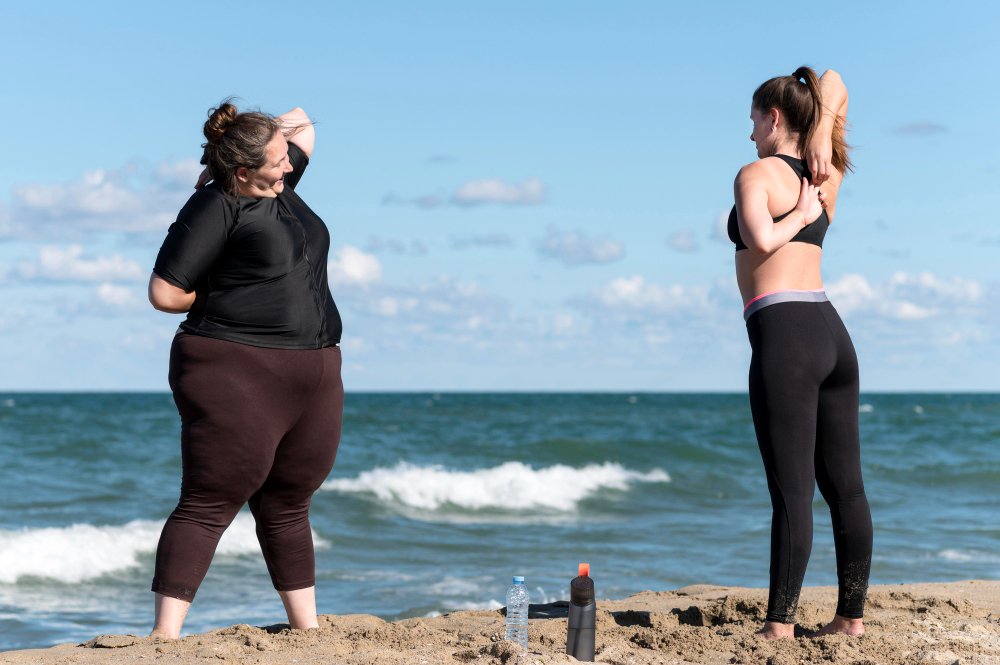
The Genesis of Fat Bias
Fat bias, defined as prejudice or discrimination against individuals based on their body weight, has been deeply ingrained in societal norms and attitudes. This bias often begins to surface in childhood, as young people absorb cultural messages regarding body image and weight. From an early age, children are exposed to media portrayals that frequently stigmatize overweight individuals, leading to the development of negative stereotypes.
Research indicates that biases against larger bodies can manifest as early as elementary school, where children may ridicule peers who deviate from societal ideals of thinness. This bullying can contribute to a cycle of shame and self-loathing among those affected, impacting their mental health and social interactions. Children learn to internalize these attitudes, often influencing their self-esteem and self-worth as they grow. Moreover, in educational settings, fat bias can negatively affect how teachers interact with overweight students, often resulting in lower expectations and diminished support.
Moreover, societal attitudes toward obesity are often rooted in misconceptions about personal responsibility and health. Many people equate a larger body size with laziness or lack of discipline, failing to recognize the complex interplay of genetics, environment, and psychology that influence body weight. This unyielding stigmatization can foster a culture that disregards inclusivity and compassion, further perpetuating the cycle of fat bias.
Addressing fat bias requires an educational approach that emphasizes acceptance and diversity from a young age. By promoting positive body image and dismantling harmful stereotypes, society can create a more inclusive environment for individuals of all sizes. Recognizing the origins of fat bias and its early emergence in childhood is paramount in fostering a healthier and more equitable world.
The Impact of Family Attitudes
Family plays a crucial role in shaping a child’s perception of body image and self-worth. Parents and caregivers often serve as the primary sources of socialization, instilling attitudes and beliefs that children carry into adulthood. When family members express critical or negative views towards weight, they inadvertently reinforce societal standards that equate thinness with beauty and worthiness. Such attitudes can lead to a child’s internalization of fat bias, fostering feelings of shame or inadequacy regarding their own bodies.
For instance, if a child observes their parents continuously engaging in weight-related discussions filled with negative comments about overweight individuals, they may come to adopt similar views. This process is often subtle, as children are impressionable and attentive to the values espoused in their immediate environment. When parents openly ridicule larger body types or express disdain for obesity, children learn to associate those characteristics with undesirable traits, perpetuating a culture of fat bias within the family unit.
Conversely, families that prioritize body positivity and self-acceptance can cultivate a healthier self-image in children. By acknowledging diverse body types and challenging harmful stereotypes, parents can counteract the stigma surrounding weight. Additionally, discussions centered around health and well-being—rather than aesthetics—can encourage children to embrace their bodies holistically. By promoting acceptance and understanding, families can ameliorate the negative impact of societal fat bias and foster resilience against such attitudes.
Understanding the influence of family attitudes is essential in addressing fat bias and its effects on mental health. As children take cues from their caregivers, working towards cultivating a supportive and accepting home environment can significantly mitigate the internalization of negative body image and foster a generation that values diversity in body shapes and sizes.
Peer Influence and Socialization
Peer influence plays a significant role in the development of fat bias during childhood and adolescence. From a young age, children are exposed to various social settings, including schools, sports activities, and community gatherings, where interactions with peers contribute to their perceptions of body image and weight. These formative experiences often shape their attitudes and beliefs about fatness and can lead to the internalization of negative stereotypes.
In school environments, children who are overweight or perceived as different frequently become targets for bullying and exclusion. This behavior is commonly reinforced by peer groups aiming to fit into societal ideals often perpetuated by media representations. Such negative interactions can often result in feelings of shame and isolation for those targeted, ultimately affecting their self-esteem and mental health. As children frequently seek acceptance and validation from their peers, those who experience fat bias may struggle with self-worth, further compounding the emotional ramifications.
Sports and group activities represent another arena where peer pressure can exacerbate fat bias. Coaches and teammates might inadvertently endorse stereotypes by favoring athletes who conform to societal norms regarding body size and composition. This can lead to a culture that marginalizes those who do not fit the expected mold in terms of physical appearance. Thus, children not only learn from their peers but also adapt their behavior to align with the prevailing attitudes within their social groups.
Furthermore, as children navigate their social circles, they might witness ostracization of peers based on their weight, which reinforces the framework of exclusion surrounding fatness. This deeply ingrained social behavior can manifest into adulthood, making it crucial to address and mitigate the impact of peer influence on fat bias from an early age. Programs aimed at fostering inclusivity and understanding can help cultivate a more accepting environment, benefiting both individual mental health and wider societal perceptions.
Media Representation and Its Effects
The representation of body types in various media forms plays a critical role in shaping societal attitudes toward fatness and body image, particularly among young audiences. Advertising, television shows, and social media platforms often project narrow standards of beauty that predominantly feature slim figures, contributing to the perpetuation of fat bias. In traditional media, commercials highlighting products often use models who reflect a specific body shape, typically excluding those with larger body types. This commercial representation not only signals that thinness equates to desirability but also implies that other body types are less acceptable.
The impact of these portrayals is profound, especially on children and adolescents who are in the formative years of developing self-esteem and body image. Studies indicate that consistent exposure to unrealistic body standards perpetuated by media can lead to body dissatisfaction. Children begin to internalize these messages, believing that their worth is tied to their adherence to conventional beauty standards. Furthermore, this detrimental effect can result in increased levels of anxiety, depression, and disordered eating behaviors, as children strive to conform to an unattainable ideal.
Social media further exacerbates the issue, often creating echo chambers that reinforce existing biases. Platforms laden with images curated for likes and shares can distort reality, showcasing filtered and altered depictions of bodies, which can mislead young people regarding what is normal or achievable. The limited representation of diverse body types leads to a lack of role models for those who do not fit the conventional mold, fostering a sense of isolation and self-loathing. The absence of visibility for larger individuals entrenches negative attitudes, suggesting that they are less worthy of attention and respect. Thus, the role of media in shaping perceptions of body image cannot be overstated; it critically influences societal norms surrounding fatness, often to the detriment of those with larger bodies.
Long-term Consequences of Fat Bias
Fat bias, often characterized by stigma and discrimination against individuals based on their body weight, can lead to far-reaching consequences that extend beyond the immediate impact of societal judgment. Those experiencing weight stigma frequently face mental health challenges, including heightened levels of anxiety and depression. This phenomenon is rooted in the internalization of negative societal attitudes that individuals face daily, which can erode their self-worth and contribute to profound feelings of inadequacy.
The psychological toll of fat bias is especially prominent in how it affects self-esteem. Individuals subjected to weight stigma may struggle with self-acceptance, leading to a negative body image that further aggravates mental health issues. This cycle perpetuates a sense of hopelessness, where individuals may find it increasingly difficult to pursue healthy lifestyle changes or cope with the pressures of societal expectations regarding body weight and appearance.
Social repercussions are equally significant. People experiencing fat bias may encounter discrimination in various spheres of life, including employment opportunities, healthcare access, and social relationships. Studies indicate that individuals with larger body sizes often face prejudice in job interviews, which can hinder their career progression and financial stability. Additionally, the healthcare system has been observed to exhibit weight bias, leading to inadequate medical attention and a lack of compassion towards those perceived as overweight.
Such discrimination not only exacerbates emotional distress but also reinforces social isolation. Individuals may opt to withdraw from social activities, exacerbating feelings of loneliness and depression. The implications of fat bias, therefore, affect not just individual health outcomes but also societal cohesion, as stigma perpetuates division and misunderstanding across different body types. Addressing fat bias requires a collective effort to foster compassion and understanding, ultimately leading to healthier and more inclusive communities.
Educational Initiatives Against Fat Bias
In recent years, the prevalence of fat bias has been increasingly recognized as a significant issue affecting both children and adults. Educational initiatives aimed at combating this bias play a crucial role in fostering a culture of body positivity, self-acceptance, and inclusivity within schools and communities. These programs are designed to challenge prevailing stereotypes and attitudes towards individuals with larger body sizes, promoting understanding and empathy.
One successful example is the implementation of body image workshops in schools, which encourage students to engage in conversations about body diversity and acceptance. These workshops provide a platform for students to share their experiences and learn from one another. Additionally, they often feature guest speakers who can present firsthand stories of overcoming fat bias, further enhancing the message of empowerment and acceptance.
Another initiative that has shown promise is the development of anti-bullying campaigns that specifically address fat shaming and discrimination. Schools can integrate these campaigns into their curricula or extracurricular activities, reinforcing messages that promote respect for all body types. This approach not only raises awareness but also involves students in creating a supportive environment, where acceptance and kindness are at the forefront.
To further support these initiatives, it is essential for schools to adopt policies that address weight-related discrimination. By establishing clear guidelines that condemn fat bias, educational institutions can create an inclusive atmosphere where all students feel safe and valued. Moreover, training educators to recognize and mitigate their own biases can empower teachers to be more effective allies for their students.
In summary, educational initiatives aimed at combating fat bias are crucial for promoting a culture of body positivity and acceptance. Through workshops, anti-bullying campaigns, and supportive policies, schools can create environments where inclusivity prevails and individuals are celebrated for their uniqueness.
Role of Healthcare Providers
Healthcare providers occupy a vital position in addressing the issue of fat bias, as their perceptions and behaviors can significantly influence the experiences and outcomes of individuals with larger body sizes. Recognizing their own biases is the first step for healthcare professionals to effectively combat fat bias. Self-awareness training can help providers identify preconceived notions related to weight and understand how these biases can negatively affect patient care. By confronting personal biases, healthcare providers can improve their interactions with patients, ensuring a more compassionate and equitable approach to treatment.
Adopting a weight-inclusive approach to care is essential in mitigating fat bias. This model emphasizes health across all body sizes and prioritizes the individual’s overall well-being rather than focusing solely on weight loss. Healthcare providers can incorporate this philosophy by emphasizing healthy behaviors over weight-specific goals, promoting nutritional education that is inclusive of all body sizes, and offering resources that empower patients to make informed decisions about their health. This shift away from traditional weight-centric models can foster a more positive relationship between providers and patients, allowing for an open dialogue about health issues.
Creating a supportive and non-stigmatizing environment in medical settings is also crucial. This can involve redesigning waiting areas to be more accommodating and providing training for staff to recognize and eliminate stigma in their everyday practices. Implementing policies that encourage respectful communication and challenge discriminatory behaviors can foster a culture of inclusivity and understanding. By ensuring that all patients feel valued and respected, healthcare providers can help alleviate the stress and anxiety that often accompany medical visits for individuals facing fat bias. Ultimately, healthcare providers play a pivotal role in shaping attitudes towards body diversity and promoting equitable healthcare access for everyone, regardless of size or shape.
Advocacy and Policy Changes
In recent years, advocacy efforts to combat fat bias and weight discrimination have gained momentum, leading to significant discussions around legislative and public policy changes. Organizations and activists are increasingly recognizing the detrimental impact that societal attitudes towards body weight can have on mental and physical health. These advocacy initiatives aim to foster inclusivity and challenge stereotypes associated with weight.
Legislation plays a crucial role in addressing fat bias. Several jurisdictions have introduced or modified laws to prevent discrimination based on weight, incorporating anti-discrimination measures in areas such as employment, housing, and healthcare. Such policies not only aim to protect individuals from unfair treatment but also serve to challenge the deeply ingrained societal norms that perpetuate fat stigma. Advocacy groups are working diligently to persuade lawmakers to adopt these policies, highlighting the need for laws that promote equal rights and opportunities for individuals of all body sizes.
Public policies can also facilitate educational campaigns to raise awareness about body positivity and health at every size, thereby reshaping the narrative surrounding weight and wellness. By funding initiatives that promote diverse body types and challenge prevailing stereotypes in the media, policymakers can contribute to a more inclusive environment. Furthermore, educational institutions are encouraged to implement curricula that address body image issues and the importance of acceptance from an early age.
Individuals can play a part in these advocacy efforts as well. Engaging in community discussions, supporting body positivity campaigns, and contacting elected representatives to express support for anti-discrimination laws are just a few ways to contribute to the movement. By advocating for policy changes and promoting inclusivity, individuals help in creating a society that values diversity in body shapes and sizes.
Conclusion: A Call to Action
The discussion surrounding fat bias highlights a persistent societal issue that impacts individuals at numerous levels—social, personal, and economic. As we have explored throughout this blog post, fat bias is not simply a matter of individual preference; it is deeply intertwined with cultural norms, media representation, and institutional policies that perpetuate stigma against those with larger bodies. The evidence suggests that such prejudices contribute to detrimental health outcomes, emotional distress, and worsen the overall social climate in which all bodies exist.
To effectively combat fat bias, it is crucial for each of us to examine our own perceptions and attitudes. Self-reflection can cultivate a better understanding of how prejudice manifests in everyday interactions and institutional frameworks. We must challenge societal narratives that equate body size with health and worth, promoting a broader definition of wellness that celebrates diverse body types.
Support for inclusive practices, whether in workplaces, educational settings, or healthcare environments, is vital in reducing the harmful effects of fat bias. This involves advocating for policies that promote body equality, such as inclusive marketing and diverse representation in media. Moreover, encouraging open dialogues about body positivity can dismantle harmful stereotypes, fostering environments of acceptance and understanding.
In unison, we can create spaces where conversations surrounding body image are constructive and empathetic. By sharing knowledge and experiences, we encourage a societal shift away from judgement and towards acceptance. Only through collective action can we diminish the prevalence of fat bias, leading to a more compassionate and equitable world for everyone, regardless of their body size.
Leave a Reply