

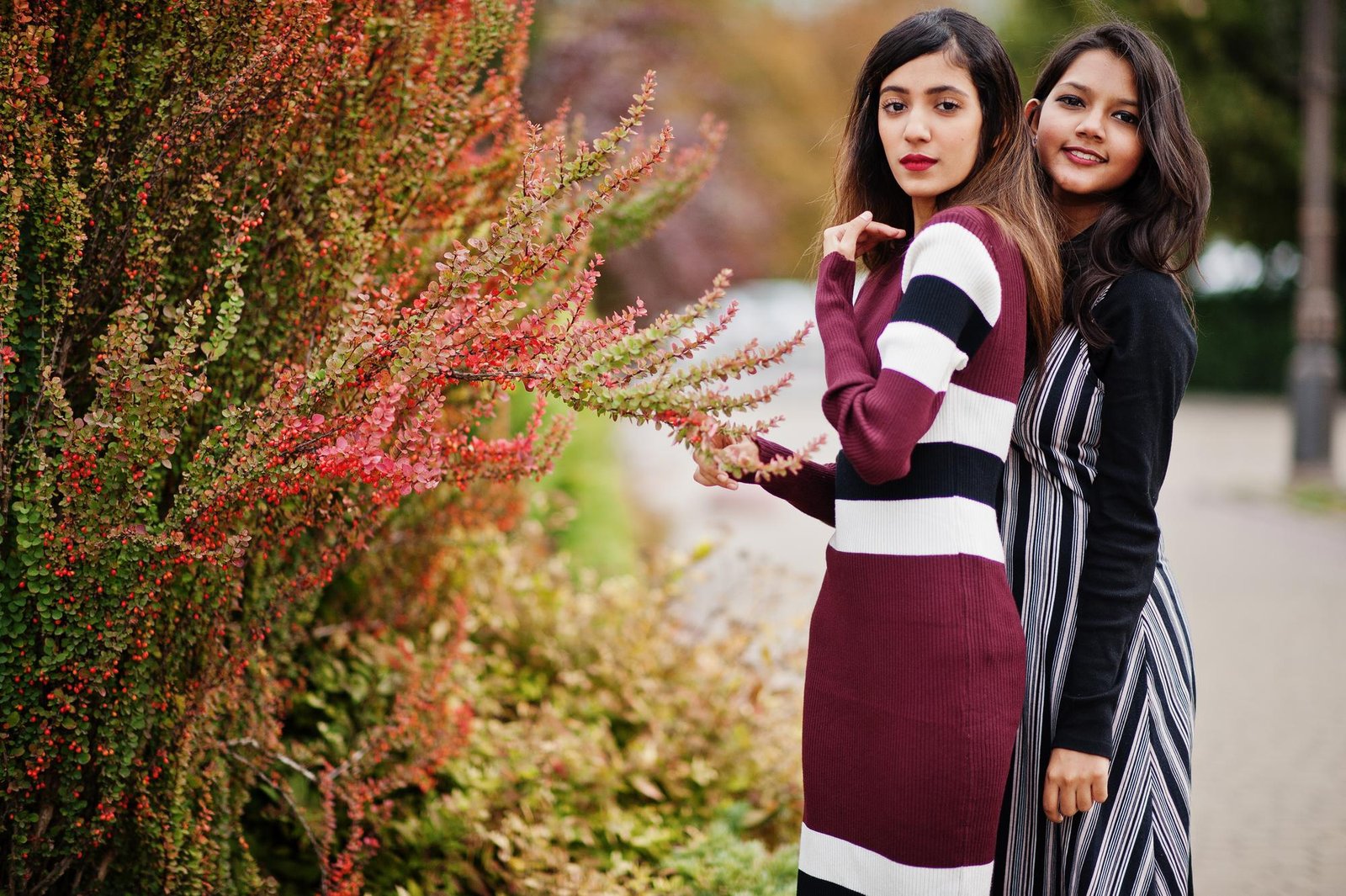
The Indian fashion landscape is undergoing a beautiful metamorphosis. Gone are the days when wardrobes were strictly segregated into “traditional” and “western.” Today, the lines are blurring. We are witnessing a vibrant fusion where global silhouettes meet Indian aesthetics, creating a style language that is both contemporary and deeply rooted in heritage.
This evolution isn’t just about wearing jeans with a kurti anymore. It’s a sophisticated blend of cultures, textiles, and sensibilities. As we look towards 2026, this fusion is set to become even more refined, adventurous, and personal. The modern Indian woman is global in her outlook but local in her heart, and her clothing choices reflect this dynamic duality. She wants the comfort and functionality of Western cuts but craves the vibrancy, texture, and craftsmanship of Indian design.
In this guide, we will explore the defining Western wear trends for Indian women in 2026. From the colors that will dominate the runways to the silhouettes that will rule the streets, get ready to update your style file.
2026 Fashion Forecast: Colors, Fabrics, and Silhouettes
Predicting fashion two years in advance might seem ambitious, but the seeds of these trends are already being sown. 2026 is shaping up to be a year of bold expression and sustainable choices.
The Color Palette: Earthy yet Electric
Expect a departure from the safe pastels that have dominated recent years. 2026 will embrace a duality in colors. On one end, we will see deep, grounding earth tones—terracotta, olive green, and burnt sienna—reflecting a global push towards sustainability and nature. These shades work beautifully on Indian skin tones and provide a versatile base for layering.
On the other spectrum, “Digital Lavender” and “Electric Indigo” will make a splash. As technology integrates further into our lives, these hyper-bright, almost neon hues will appear in streetwear and party ensembles. Think an electric blue blazer over a sari or neon accents on a traditional lehenga skirt.
Fabrics: The Return of the Handloom
The most exciting trend for 2026 is the mainstreaming of Indian handlooms in Western silhouettes. We aren’t just talking about cotton; we are looking at:
- Khadi Denim: A softer, more breathable, and eco-friendly alternative to traditional denim. Expect to see Khadi denim jackets, wide-leg trousers, and dungarees.
- Silk Blends in Power Suits: The stiffness of raw silk meets the sharp tailoring of a blazer. This adds a luxurious texture to corporate wear that synthetic fabrics simply cannot match.
- Linen and Hemp: As temperatures rise, these breathable fabrics will become non-negotiable staples, shaped into flowy maxi dresses and structured shirts.
Silhouettes: Comfort Meets Drama
The skinny fit is taking a backseat. 2026 is all about volume and movement.
- The Anti-Fit Movement: Oversized shirts, boxy blazers, and baggy trousers will continue to reign. It’s about looking effortless and prioritizing comfort without sacrificing style.
- Asymmetrical Hemlines: Skirts and dresses with uneven hemlines add a touch of drama and modernity. They break the monotony of straight cuts and add a playful element to the outfit.
- Structured Shoulders: A nod to the 80s, strong shoulders on blouses and jackets will empower the silhouette, giving it a sharp, confident edge.
Western Staples with a Desi Twist
The magic of Indo-Western fashion lies in the mix. It is about taking a classic Western item and reinterpreting it through an Indian lens. Here is how staples are getting a makeover in 2026.
The New Age White Shirt
The classic crisp white shirt is a wardrobe essential, but in 2026, it gets an update. Look for shirts featuring subtle Chikankari embroidery on the collar or cuffs. This delicate detailing transforms a basic office staple into a piece of art. Pair it with high-waisted trousers for a meeting or a heavy brocade skirt for a festive dinner.
The Blazer 2.0
The blazer is moving out of the boardroom. In 2026, we will see blazers crafted from Banarasi brocade or Ikat prints. A structured Ikat blazer worn over a solid jumpsuit is a power move. It commands attention and celebrates Indian textile heritage simultaneously. Alternatively, belted blazers cinched at the waist with a traditional kamarbandh will create a stunning silhouette that bridges the gap between a coat and a choli.
Denim Reimagined
Jeans are universal, but the detailing will be distinctly Indian.
- Embroidered Denim: intricate thread work (Phulkari or Kutch embroidery) running down the sides of jeans or on jacket pockets.
- Patchwork: Using scraps of traditional fabrics like Ajrakh or Block Print cottons as patches on denim jackets and skirts. This not only looks chic but promotes upcycling.
The Midi Dress & The Anarkali Fusion
The Western midi dress meets the volume of the Anarkali. Expect dresses with cinch waists and voluminous skirts made from lightweight Indian cottons. These are perfect for the humid Indian weather—breezy, comfortable, yet structured enough for a brunch date.
Accessorizing: The Art of Fusion
No outfit is complete without the right accessories. In an Indo-Western look, accessories are the bridge that connects the two worlds.
Jewelry: Statement Silver
Oxidized silver jewelry is timeless, but in 2026, it will be paired with strictly Western outfits for a bohemian vibe. A heavy silver choker worn inside the collar of a button-down shirt is high-fashion. Stacked silver bangles with a sleeveless jumpsuit add a jingle of tradition to a modern look.
Footwear: Juttis and Sneakers
The sneaker culture is here to stay, but expect to see sneakers with Indian motifs or embroidery. On the flip side, the humble Jutti or Mojari is becoming the shoe of choice for jeans and dresses. They are comfortable, colorful, and add an instant pop of ethnicity to a plain outfit.
Bags: Potlis with pockets
The traditional Potli bag is getting a functional upgrade. Expect to see leather Potlis with structured bases and internal pockets, making them practical for everyday use, not just weddings. Sling bags made from recycled sari fabrics will also be a major trend for the eco-conscious fashionista.
Where to Shop the Look
Finding the perfect Indo-Western pieces can be a treasure hunt. Here are a few avenues to explore:
- Boutique Labels on Instagram: Social media is a goldmine for small, homegrown brands that specialize in sustainable, fusion wear. Look for brands that focus on handlooms and ethical production.
- Designer Collaborations: High-street brands often collaborate with Indian designers to create capsule collections. Keep an eye out for these limited-edition drops as they often offer designer aesthetics at accessible price points.
- FabIndia and Global Desi: These veterans of the fusion game continue to innovate. Their collections are reliable sources for contemporary cuts in traditional fabrics.
- Upcycling Services: Consider taking your mother’s old silk saris to a tailor and having them repurposed into blazers, trousers, or trench coats. Custom-made clothing ensures a perfect fit and a completely unique piece.
Own Your Style in 2026
The trends of 2026 are an invitation to play. They encourage you to raid your grandmother’s trunk and your favorite high-street store, mixing and matching until you find a balance that feels right for you. Whether it is a Khadi denim jacket or a Banarasi blazer, the key is to wear it with confidence. Fashion is, after all, the most immediate way to tell the world who you are.
So, go ahead. Experiment with textures, clash prints, and break the rules. The future of fashion is fusion, and it looks spectacular.
Leave a Reply