

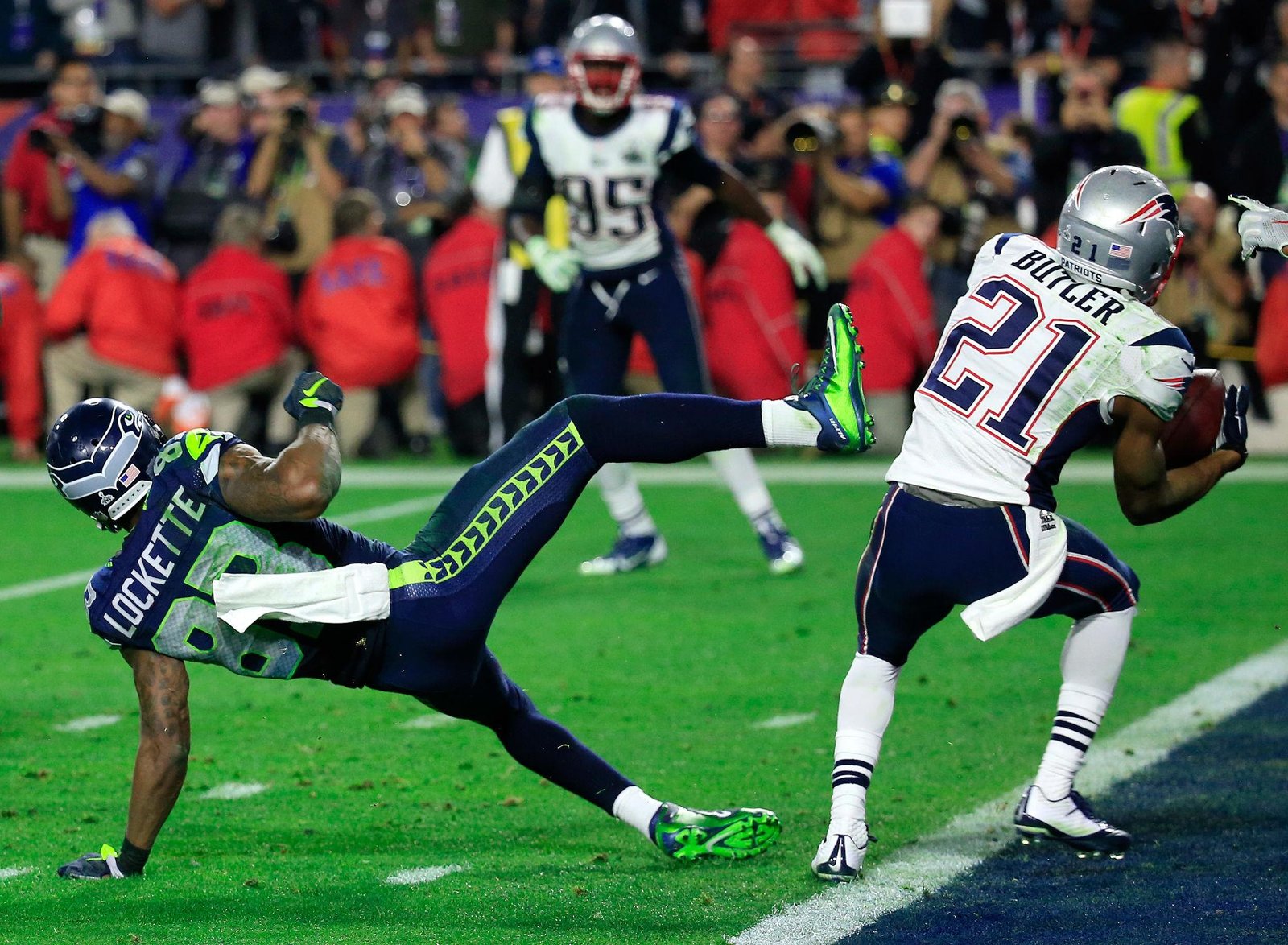
It is the singular moment that defines a decade of NFL history. A split second of hesitation, a lightning-fast break on the ball, and a collision at the goal line that shifted the tectonic plates of two franchises forever. Even now, 11 years later, mentioning “The Pick” to a Seahawks fan evokes a visceral reaction—a mix of disbelief, anger, and the lingering question of “what if?”
As we approach the 2026 season, the Seattle Seahawks find themselves in a unique position. The roster has turned over, the coaching staff has evolved, and the “Legion of Boom” is now a distant memory enshrined in the history books. Yet, the ghost of Super Bowl XLIX remains. With the team showing promise and the potential for a deep playoff run, the narrative is shifting from heartbreak to hope. Can 2026 be the year Seattle finally exorcises its demons and captures the championship that slipped through its fingers over a decade ago?
Rewinding to Super Bowl XLIX
To understand the weight of 2026, we have to go back to February 1, 2015. The stakes for Super Bowl XLIX were monumental. The Seahawks were the defending champions, looking to establish themselves as the first back-to-back winners since the 2004 Patriots. They weren’t just a good team; they were a cultural phenomenon. The defense was historically dominant, swaggering with a confidence that bordered on arrogance, while the offense was efficient and punishing.
On the other sideline stood the New England Patriots, seeking to end a decade-long championship drought and cement Tom Brady’s legacy. It was a clash of titans—the old guard vs. the new disruptors. The game lived up to the hype, a back-and-forth heavyweight fight that saw Seattle overcome a 10-point fourth-quarter deficit, only for Brady to engineer a surgical drive to retake the lead.
But it was the final minute that shocked the NFL. A miraculous catch by Jermaine Kearse put Seattle in position to win. They were on the 1-yard line. They had Marshawn Lynch, the most unstoppable force in football, in the backfield. The coronation of a dynasty seemed inevitable. The anticipation in the stadium was suffocating; the outcome felt predetermined. Until it wasn’t.
The Butler Interception — What Actually Happened
The play call will be debated as long as football is played. Second and goal from the 1-yard line. 26 seconds on the clock. Seattle lined up in a shotgun formation with three receivers. New England countered with their goal-line package but kept three corners on the field, including an undrafted rookie named Malcolm Butler.
Russell Wilson took the snap and looked for Ricardo Lockette on a quick slant route. It was a play designed to exploit a “rub” or “pick” concept, using physical traffic to free up the receiver. But Malcolm Butler had seen it before. During practice, he had been beaten on this exact route by the scout team. He recognized the formation instantly.
Butler drove on the ball with explosive speed, colliding with Lockette at the precise moment the ball arrived. The interception wasn’t just luck; it was preparation meeting opportunity. He secured the catch, fell to the turf, and effectively ended the game. It remains one of the most replayed plays ever because of its abruptness. In one second, Seattle went from dynasty status to disaster.
Immediate Fallout for the Seattle Seahawks
The aftermath was chaotic. On the field, fights broke out as emotions boiled over. In the locker room, the silence was deafening. Players who had spent years building an identity based on toughness and trust felt betrayed by the decision not to hand the ball to Lynch. The immediate fan response was a collective gasp of horror, followed quickly by rage directed at the coaching staff.
The media criticism was relentless. Headlines screamed “Worst Play Call in History.” Offensive coordinator Darrell Bevell and head coach Pete Carroll took the brunt of the blame, though Wilson took heat for the throw itself. The narrative shifted instantly from Seattle being the “next great dynasty” to the team that “threw it away.”
This single play fractured the team’s morale in a way that wasn’t immediately visible but became undeniable over time. The defense, which had held Brady in check for much of the game, felt their effort had been squandered. The trust between the defensive stars and the offensive leadership began to erode, creating fissures that would eventually widen into unbridgeable gaps.
How Super Bowl XLIX Changed Seattle’s Trajectory
The long-term impact of the loss was the slow dismantling of a powerhouse. While the Seahawks remained competitive for several years, the aura of invincibility was gone. The “Legion of Boom”—Richard Sherman, Earl Thomas, Kam Chancellor—began to break down, both physically and in their relationship with the organization.
The roster turnover was accelerated by salary cap constraints, but the emotional toll of XLIX played a significant role. Key defensive players grew vocal about their frustrations. The camaraderie that fueled their 2013 championship run was replaced by a business-like tension.
Seattle missed their Super Bowl window not because they lacked talent, but because the cohesion required to win at the highest level had been compromised. They made the playoffs consistently but failed to return to the big game. The legacy of the Legion of Boom became complicated—remembered for their dominance, but also for the way their era ended in frustration rather than a second ring.
The Play Call Debate — Still Unresolved?
Over a decade later, the debate over “Run vs. Pass” persists. Traditionalists argue that with Marshawn Lynch in the backfield, running the ball was the only logical choice. Lynch was “Beast Mode,” capable of moving piles of defenders. To not use your best asset with the game on the line seemed like malpractice.
However, modern analytics have offered a different perspective on the Super Bowl XLIX controversy. Statistically, passing from the 1-yard line was a generally safe and effective strategy in that era. The Patriots were in a heavy goal-line formation to stop the run. Throwing the ball preserved the clock, allowing Seattle to use all three remaining downs if the pass fell incomplete.
The issue wasn’t necessarily the decision to pass, but the specific play design and the personnel matchup. Butler made a one-in-a-million play. If the ball is batted down, Seattle likely runs Lynch on third and fourth down, and perhaps they win. But outcomes drive narratives, and because the result was catastrophic, the process remains heavily scrutinized.
Seattle’s Current Identity Entering 2026
Fast forward to 2026. The Seahawks have undergone a metamorphosis. The offensive philosophy has evolved significantly from the ground-and-pound days of 2014. The modern NFL demands explosive passing attacks, and Seattle has adapted, building a scheme that prioritizes speed and space.
The defensive rebuild has been a long road, but the 2026 unit is finally forging its own identity. They aren’t the Legion of Boom—and they know they can’t be. Instead, they rely on versatility and disguised coverages, adapting to the complex offenses of the 2020s.
Leadership and locker room culture have also shifted. The toxic residue of the post-XLIX years has been flushed out. The current roster is composed of players who were in middle school when the Butler interception happened. They don’t carry the baggage of that night in Arizona. For them, it’s history, not memory. This freshness is vital for the team’s outlook.
What Revenge Would Actually Mean
When fans talk about “revenge” for 2014, what does that actually look like in 2026? Beating the Patriots in a regular-season game provides a momentary thrill, but it doesn’t balance the scales. True redemption isn’t about the opponent; it’s about the achievement.
Facing New England in the Super Bowl again would be the Hollywood script, but the likelihood of that specific matchup is always slim. The “revenge” narrative is more internal. It’s about proving that the franchise can climb back to the mountaintop. It’s about validation for the fans who stuck through the retooling years.
For the organization, winning a title in 2026 would finally close the book on the “what if” era. It would shift the conversation from the one that got away to the new championship standard. It separates the current regime from the ghosts of the past, allowing the franchise to step out of the long shadow cast by Malcolm Butler.
Do the Seahawks Have a Championship-Level Roster in 2026?
To assess Seattle’s Super Bowl chances in 2026, we must look coldly at the roster. The quarterback situation is the primary driver. In the modern NFL, you cannot win without elite or near-elite play under center. Seattle’s current signal-caller has shown flashes of brilliance, managing the game with the poise necessary for playoff football.
The offensive weapons are there. The receiving corps is deep, capable of creating separation against top-tier secondaries. The offensive line, often a sore spot in Seattle history, has stabilized into a cohesive unit capable of protecting the passer and opening lanes in the run game.
Defensively, the ceiling is high. The depth along the defensive line allows for a rotation that keeps pass rushers fresh in the fourth quarter—a crucial factor in closing out big games. However, questions remain about the secondary’s ability to handle the league’s premier passing attacks. If the defense can bend without breaking, the roster has the requisite talent to compete for the Lombardi Trophy.
Lessons Learned From the Butler Interception
The scars of history can be educational. The biggest lesson from the Butler interception is the importance of situational football. In championship moments, the margin for error is nonexistent. Coaching staffs across the league, including Seattle’s, now spend significantly more time preparing for specific high-leverage scenarios like “goal-to-go” with seconds remaining.
Another lesson is risk tolerance. The safe play isn’t always the winning play, but the high-risk play must be calculated perfectly. Franchises learn that you cannot outsmart yourself. Sometimes, brute force is the best strategy.
Perhaps the most profound lesson is how franchises evolve from heartbreak. It takes resilience to rebuild a culture after a devastating loss. It requires acknowledging the pain without letting it define the future. Seattle’s journey back to contention proves that while a single play can end a dynasty, it doesn’t have to destroy a franchise permanently.
How Fans and Players Still Talk About XLIX
Go to a bar in Pioneer Square or a tailgate outside Lumen Field, and you will still hear debates about that play. It has entered the realm of folklore. Fans discuss it with a mix of dark humor and genuine sadness. It binds the fanbase together in shared trauma.
Former players have been open in retrospectives. Many have admitted that they never fully got over it. They speak of the rings they should have had. Yet, time softens the edges. The anger has largely been replaced by a wistful appreciation for how great that team truly was.
Why does it still matter? Because in sports, the “almost” moments often linger longer than the victories. They represent unfulfilled potential. For Seahawks fans, XLIX isn’t just a loss; it’s a stolen legacy.
What Needs to Go Right for Seattle in 2026
For Seattle to avenge 2014 in 2026, several tumblers in the lock need to click into place. First, the coaching staff must be flawless under pressure. There can be no hesitation in critical moments. The ghost of the 1-yard line must not influence play-calling; decisions must be made based on the 2026 reality, not 2014 fears.
Health is the perennial X-factor. The key playmakers must survive the attrition of a 17-game season. Playoff matchups also matter. Avoiding bad stylistic matchups in the NFC bracket is crucial for a deep run.
Ultimately, they need to turn their scars into strength. If they find themselves in a tight game late in the fourth quarter, the pressure of history will be immense. Channeling that pressure into focus rather than fear will be the difference between repeating history and rewriting it.
Frequently Asked Questions (FAQ)
Why didn’t Seattle run the ball in Super Bowl XLIX?
The coaching staff believed the Patriots were in a heavy run-defense formation that would have stuffed Marshawn Lynch. They aimed to throw a quick pass to catch the defense off guard, intending to run on the next down if the pass was incomplete. They also wanted to manage the clock to ensure they used all remaining downs.
Is the Butler interception the biggest play in Super Bowl history?
It is widely considered the most impactful single play in Super Bowl history due to the swing in win probability. Seattle had a near-certain chance of winning before the snap, and a near-zero chance after. No other play has decided a championship so instantly and dramatically at the very end of regulation.
Have the Seahawks ever fully recovered from that loss?
Competitively, they remained a playoff team but failed to return to the Super Bowl, suggesting the loss capped their ceiling. Psychologically, it disbanded the core of the championship team over the next few years due to internal friction. 2026 represents a new era, fully separated from the immediate fallout.
Could Seattle face New England again in the Super Bowl?
Yes, but it is statistically unlikely. Since they are in different conferences (NFC and AFC), they can only meet in the Super Bowl. Both teams would need to win their respective conference championships in the same season.
What would winning a Super Bowl in 2026 mean for Seahawks fans?
It would provide closure. While it wouldn’t change the result of XLIX, a new title would prove the franchise can win without the Legion of Boom, validating the current era and healing the lingering wound of the “dynasty that wasn’t.”
Final Thoughts — Revenge or Resolution?
Sports are often framed in terms of revenge, but perhaps the better word for Seattle’s 2026 journey is resolution. Some wounds in sports never fully heal; the memory of Malcolm Butler cutting in front of Ricardo Lockette will always sting. No trophy can erase that frame of film.
However, championships redefine narratives. If the Seahawks lift the Lombardi Trophy in 2026, the story changes. The interception becomes a footnote in a larger history of resilience, rather than the final period at the end of a sentence. The 2026 season offers a chance not to fix the past, but to build a future so bright that the shadows of 2014 finally fade away.
Leave a Reply