

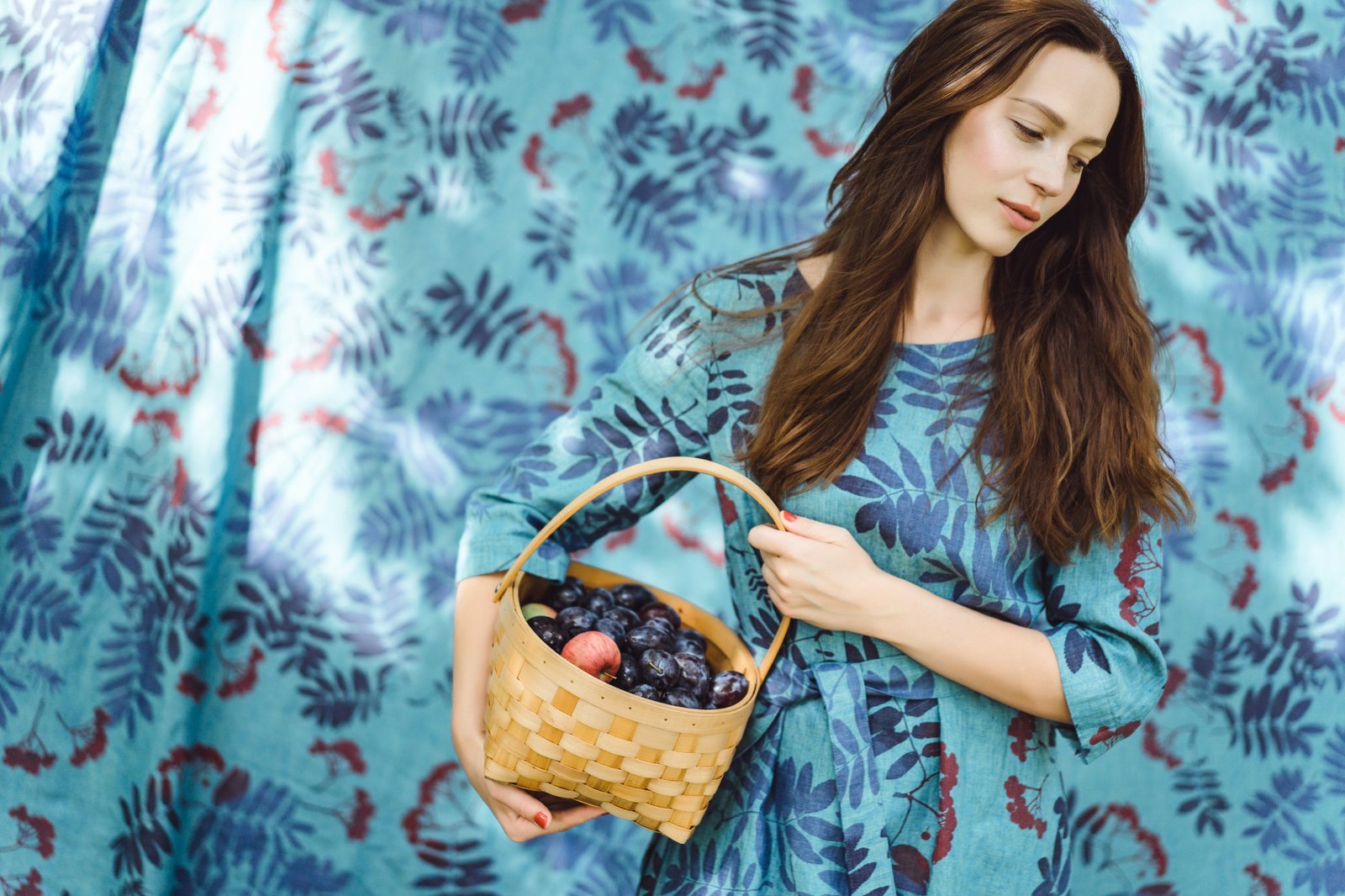
For the better part of the last five years, minimalism has held the fashion industry in a beige, monochromatic chokehold. We have seen the rise of “quiet luxury,” the dominance of the capsule wardrobe, and an endless sea of neutrals designed to blend in rather than stand out. But as we look toward the 2026 fashion forecast, the pendulum is swinging violently in the opposite direction. The era of playing it safe is over.
We are entering a period of radical expressionism. Runway precursors and textile expos are already signaling a shift toward vibrant, chaotic, and meticulously designed prints. This isn’t just a slight increase in polka dots or stripes; it is a full-scale revival of maximalism. Designers are moving away from the “Clean Girl” aesthetic, favoring garments that tell a story through complex visuals, optical illusions, and historical references mixed with digital futurism.
This shift represents a collective desire for joy and individuality. After years of austerity and streamlined silhouettes, consumers are hungry for clothing that feels like art. 2026 is poised to be the year where your wardrobe becomes a gallery, and the prints you wear serve as the canvas. From bio-digital motifs to neo-baroque extravagance, we are about to explore the trends that will define the aesthetic landscape of the near future.
A Look Back: When Prints Ruled the World
To understand where we are going, we must appreciate where we have been. Fashion is inherently cyclical, a constant conversation between the past and the present. The resurgence of heavy patterning in 2026 isn’t a new phenomenon; it is a reimagining of several iconic eras where bold visuals were king.
The Psychedelic 60s and 70s
The 1960s and 70s were arguably the golden age of the print. Fueled by the counterculture movement, art styles like Art Nouveau and Op Art found their way onto textiles. Brands like Pucci became synonymous with swirling, kaleidoscopic geometric shapes that defied traditional structure. This era used pattern as a form of rebellion against the stiff, conservative styles of the 1950s. It was about freedom, movement, and visual noise.
The Memphis Design of the 80s
As we moved into the 1980s, the softness of the 70s gave way to the sharp, aggressive angles of the Memphis Group. This design movement influenced fashion heavily, introducing squiggles, triangles, and stark contrasting colors. It was loud, unapologetic, and inextricably linked to the economic boom and the rise of power dressing. Prints became a way to assert dominance and take up space.
The Digital Dawn of the Y2K Era
The late 90s and early 2000s saw the first wave of “digital” prints. As home computing became ubiquitous, fashion responded with futuristic, cyber-inspired graphics. Simultaneously, there was a heavy reliance on animal prints and logo-mania. While often looked back on with a mix of nostalgia and cringe, this era proved that patterns could be a status symbol.
In 2026, we are seeing a synthesis of these three eras. We have the rebellious spirit of the 70s, the bold geometry of the 80s, and the technological fascination of the Y2K era, all blended into something entirely new.
Key Prints and Patterns to Watch in 2026
The forecast for 2026 is diverse, but a few key themes are emerging as the frontrunners. These trends reflect our current relationship with technology, nature, and history.
1. Bio-Luminescent and Digital Nature
As our lives become increasingly intertwined with AI and the metaverse, fashion is reflecting this synthesis of biology and technology. This trend, often dubbed “Avatar Core” or “Bio-Tech,” involves prints that mimic nature but with a digital, alien twist.
Imagine floral patterns that look like they are glowing under a UV light, or textures that resemble microscopic cell structures blown up to macro proportions. The color palette here is electric—neon greens, deep violets, and bioluminescent blues against stark black backgrounds. It is nature, but not as we know it on Earth. It feels grown in a lab or rendered on a high-definition screen.
2. Neo-Baroque and Rococo Revival
On the complete opposite end of the spectrum is a return to extreme historical opulence. Perhaps influenced by the ongoing popularity of period dramas, designers are modernizing the heavy, ornate patterns of the 17th and 18th centuries.
We are seeing a resurgence of rich damasks, intricate tapestries, and toile de jouy, but updated with modern color stories. Instead of dusty golds and faded reds, these baroque patterns are being printed in acid yellow, hot pink, or stark monochrome. It is a clash of old-world royalty and new-world attitude. This trend speaks to a desire for luxury and drama, rejecting the casualization of everyday clothing.
3. Glitch Art and Distorted Reality
The “perfectly imperfect” aesthetic is gaining traction. Glitch art prints look like a computer error frozen in time. These patterns involve pixelation, stretched imagery, and corrupted files transferred onto silk, denim, and cotton.
This trend is a direct commentary on our digital consumption. It acknowledges that our reality is often mediated through screens. A classic plaid might be interrupted by a digital smear; a polka dot pattern might dissolve into static noise at the hem. It adds a layer of edginess and grunge to otherwise traditional garments.
4. Trompe-l’œil and Hyper-Texture
Trompe-l’œil (French for “deceive the eye”) is making a massive comeback. These are prints designed to look like 3D objects or textures. In 2026, expect to see T-shirts printed to look like chunky cable-knit sweaters, or silk dresses printed with the texture of rough denim or chainmail.
This trend is playful and surreal. It allows the wearer to play with the concept of weight and material without sacrificing comfort. You can wear the “look” of a heavy leather jacket on a breathable cotton shirt. It is fashion as an optical illusion.
How to Style 2026 Print & Pattern Trends
Adopting these bold trends can feel intimidating, especially if you have spent the last few years wearing beige linen. However, styling prints in 2026 is all about confidence and understanding balance. Here are practical ways to integrate these looks into your wardrobe.
The Rule of Scale
If you plan on mixing patterns—a key styling move for 2026—you must respect the rule of scale. The most effective way to mix prints is to pair a large-scale pattern with a smaller, denser one.
For example, pair a skirt featuring a large, sweeping Neo-Baroque damask print with a top that has a tight, micro-geometric grid. The difference in scale allows the eye to differentiate between the pieces, preventing the outfit from looking like a messy blur.
Find the Anchor Color
When mixing different prints, such as a floral and a stripe, ensure they share at least one common color. This “anchor color” ties the look together. If your floral trousers have a hint of cobalt blue, pair them with a striped shirt that also features that same shade of blue. This creates cohesion amidst the chaos.
Monochromatic Patterning
For those not ready to power-clash, monochromatic patterning is a sophisticated entry point. This involves wearing different patterns that are all in the same color family. You might wear a light green gingham shirt with dark green floral pants. It is visually interesting but far less jarring than mixing contrasting colors.
Accessories as the Gateway
If a full suit of “glitch art” feels too aggressive for your workplace, start with accessories. A silk scarf in a bioluminescent print, a handbag with a trompe-l’œil texture, or statement tights can update a neutral outfit instantly. Accessories allow you to participate in the trend without committing to a completely new wardrobe.
The Influence of Social Media and Celebrities
The speed at which these trends are moving from the runway to the streets is largely due to social media. Platforms like TikTok and Instagram have accelerated the trend cycle, creating “micro-trends” that burn bright and fast. However, the shift toward maximalist prints appears to be a macro-trend with staying power, driven by algorithmic favoritism for high-contrast visuals.
The “Scroll-Stopping” Factor
On a small phone screen, beige blends in. Bold, complex prints stand out. Influencers and content creators are gravitating toward these 2026 trends because they perform better on video. A garment that creates an optical illusion or features a glowing, digital print captures attention in the first three seconds of a clip.
Celebrity Endorsements
We are already seeing trendsetting celebrities embrace this shift. Icons known for pushing boundaries—think the spiritual successors to the styles of Harry Styles or Zendaya—are stepping out in clashing patterns and archival vintage pieces.
By 2026, we expect red carpets to be less about the silhouette of the gown and more about the surface design. Celebrities will likely collaborate with digital artists to create custom textile prints that tell a specific story about their latest project, turning their clothing into a narrative device.
Sustainability and Ethical Considerations
A conversation about fashion trends is incomplete without addressing sustainability. The textile industry is a major polluter, and the production of printed fabrics can be water-intensive and chemically reliant. As we embrace the patterns of 2026, we must do so responsibly.
The Rise of Digital Printing
Fortunately, technology is offering a solution. Digital textile printing, which works similarly to an inkjet printer but for fabric, is far more sustainable than traditional rotary screen printing. It requires significantly less water and produces less waste ink. Many of the “glitch” and “bio-tech” prints mentioned earlier are best achieved through this method, aligning the aesthetic with the eco-friendly production method.
Vintage and Upcycling
The most sustainable way to wear prints is to wear ones that already exist. Because fashion is cyclical, you can find authentic 70s psychedelics or 80s geometrics in vintage shops.
Furthermore, the “patchwork” trend is a massive part of the 2026 forecast. This involves taking scraps of different patterned fabrics and sewing them together to create a new garment. It is the ultimate form of upcycling. Brands that prioritize using deadstock fabric (leftover fabric from other productions) to create limited-run patterned shirts are gaining traction among Gen Z consumers who value uniqueness and ethics equally.
Avoiding “Fast Fashion” Prints
Cheaply made printed garments often have poor colorfastness, meaning they fade after a few washes, leading to early disposal. When buying into these trends, look for quality. A well-made printed silk shirt or a high-quality woven tapestry jacket will last for decades. Treat these bold pieces as future heirlooms rather than disposable trends.
Embrace the Chaos
The return of prints and patterns in 2026 is more than just a changing aesthetic; it is a shift in mindset. It is an invitation to take up space, to be visually loud, and to have fun with your identity. Whether you are drawn to the digital allure of bio-luminescence or the regal drama of the Neo-Baroque, there is a pattern waiting to be part of your story.
Fashion is supposed to be expressive. After years of quiet luxury, it is time to make some noise. So, go ahead—mix the stripes with the florals. Wear the optical illusion. The future of fashion is bright, bold, and beautifully patterned.
Join the Conversation
Are you ready to ditch the beige and embrace the bold new world of 2026 fashion? Which print trend are you most excited to try?
Let us know in the comments below! And if you want to stay ahead of the curve with the latest style guides and trend forecasts, don’t forget to subscribe to our newsletter and follow us on Instagram for daily inspiration.
Leave a Reply