

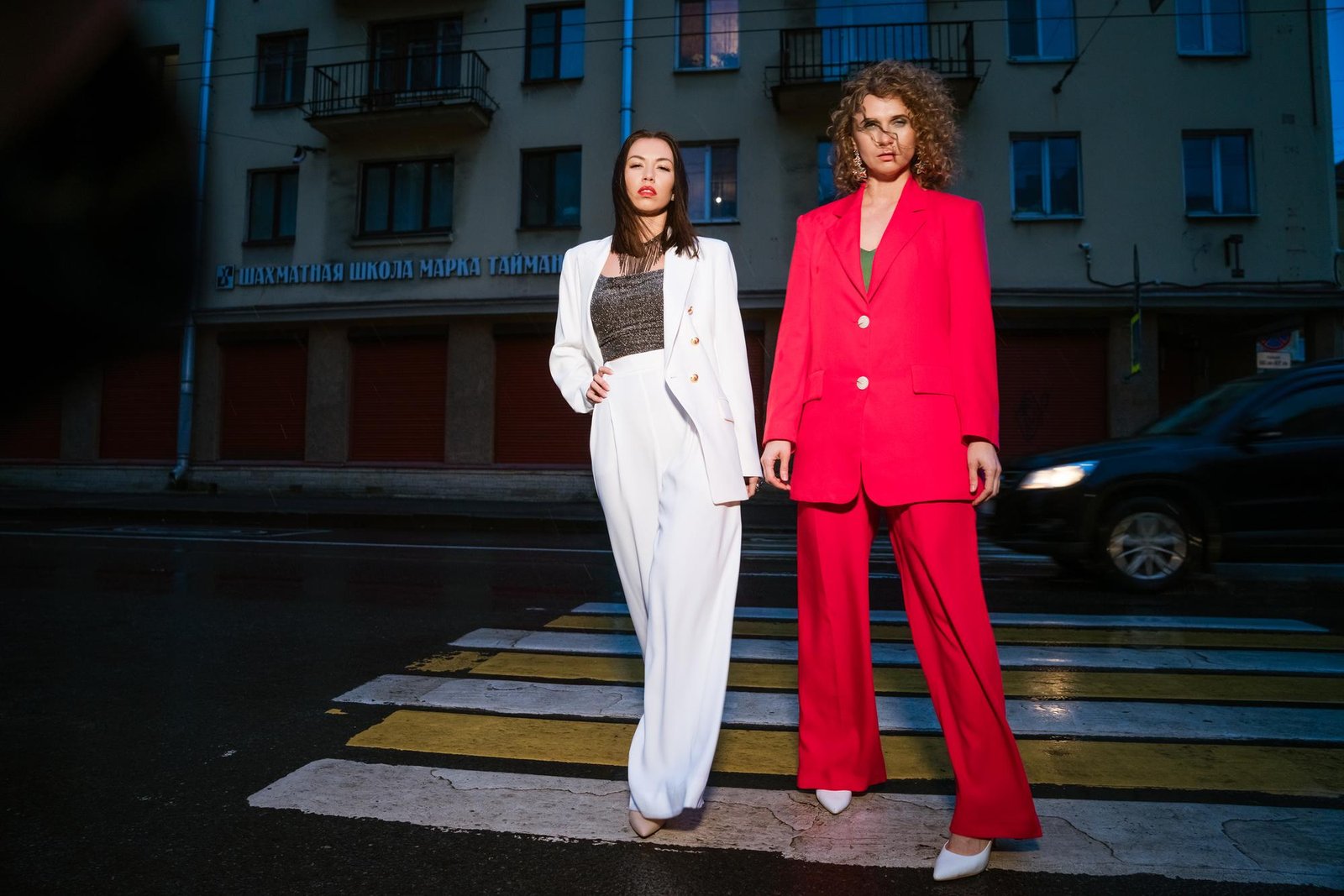
The fashion pendulum is constantly swinging. One moment, we are drowning in layers of tulle, sequins, and clashing prints; the next, we are stripping everything back to stark white t-shirts and perfectly tailored beige trousers. For years, these two philosophies—minimalism and maximalism—have existed as opposing forces, battling for dominance in our closets and on the runways.
But as we look ahead to 2026, something interesting is happening. The lines are blurring, and the strict dichotomy between “less is more” and “more is more” is evolving into something far more nuanced. We aren’t just choosing a side anymore; we are curating personal ecosystems of style.
Whether you find peace in a capsule wardrobe or joy in a riot of color, understanding the trajectory of these trends is essential for navigating the future of style. In this forecast, we explore how minimalism and maximalism are shaping up for 2026, examining the historical roots, key elements, and the technological and ethical factors driving the next great fashion shift.
A Tale of Two Aesthetics: Historical Context
To understand where we are going in 2026, we have to look at where we’ve been. Neither minimalism nor maximalism is a new invention; they are reactions to the cultural climates of their times.
The Roots of Minimalism
Fashion minimalism often surges during times of economic uncertainty or cultural fatigue. In the 1990s, designers like Calvin Klein, Jil Sander, and Helmut Lang stripped away the excess of the 80s (think shoulder pads and neon) to offer a “palate cleanser.” It was about purity, utility, and an intellectual approach to dressing. This wasn’t just about wearing less; it was a rejection of conspicuous consumption. The “Old Céline” era under Phoebe Philo later cemented this aesthetic for the modern woman—smart, functional, and devoid of unnecessary frills.
The Rise of Maximalism
Maximalism, conversely, tends to thrive in periods of optimism, rebellion, or digital explosion. The 1980s were a prime example, fueled by economic boom and pop culture extravagance. More recently, the post-pandemic era saw “dopamine dressing”—a direct response to months spent in sweatpants. Brands like Gucci under Alessandro Michele championed a “more is more” philosophy, celebrating eclecticism, historical references, and a chaotic beauty that demanded attention. It represents the joy of dressing up and the performative nature of fashion.
The Quiet Power: Key Elements of Minimalist Fashion
Minimalism is often misunderstood as “boring” or “plain,” but true minimalism is about intention. It is the art of editing.
- Monochromatic Palettes: The foundation relies on neutrals—black, white, gray, navy, camel, and cream. In 2026, we expect to see this expand into “new neutrals” like sage green, terracotta, and slate blue.
- Focus on Silhouette: Without prints to distract the eye, the cut of the garment becomes paramount. Sharp tailoring, architectural shapes, and fluid drapes define the look.
- Fabric Quality: When a garment is simple, the material must be impeccable. Cashmere, silk, organic cotton, and high-tech sustainable blends take center stage.
- Functionality: Pockets, adjustable straps, and modular designs are common. The minimalist wardrobe is designed to work for the wearer, not against them.
- The Capsule Concept: The ultimate goal is a cohesive collection of interchangeable pieces that maximize outfit combinations while minimizing clutter.
The Art of Excess: Key Elements of Maximalist Fashion
Maximalism is the visual manifestation of personality. It is loud, proud, and unapologetically expressive.
- Bold Prints and Patterns: From animal prints to geometric shapes and florals, maximalism embraces visual noise. Often, these prints are clashed intentionally to create a vibrant tapestry.
- Texture Overload: Feathers, sequins, velvet, leather, and lace—sometimes all in one outfit. It’s a tactile experience as much as a visual one.
- Layering: Why wear one necklace when you can wear five? Maximalism encourages stacking jewelry, layering skirts over trousers, and wearing corsets over shirts.
- Vibrant Colors: There is no fear of the color wheel here. Neon meets pastel; primary colors clash with jewel tones.
- Storytelling: Vintage pieces mixed with avant-garde modern designs create a narrative. Every item is a conversation starter.
Minimalist Trends for 2026: The “Soft Tech” Era
By 2026, minimalism is shedding its cold, sterile reputation. The trend is moving toward “Soft Minimalism” or “Tech-Zen.” It’s less about looking like an art gallery curator and more about comfort, sustainability, and integration with our digital lives.
The Uniform 2.0
The concept of a “personal uniform” is becoming more sophisticated. We predict a surge in modular clothing—garments that can be detached or altered (e.g., pants that become shorts, jackets with removable sleeves). This speaks to the utilitarian roots of minimalism but adds a layer of futuristic adaptability.
Bio-Fabrication
Minimalism in 2026 will be defined by materials grown in labs. Mushroom leather (mycelium) and spider silk alternatives will become staples for luxury minimalist brands. These materials offer the clean lines minimalists love but with a carbon-neutral footprint.
Digital Integration
Wearable technology will become seamless. Instead of clunky smartwatches, we will see minimalist garments with woven-in conductive threads that track health metrics or adjust temperature. The aesthetic remains clean, but the functionality is hyper-advanced.
Maximalist Trends for 2026: The “Digital Baroque”
If minimalism is going soft and Zen, maximalism is going hyper-digital. The influence of the Metaverse and AI-generated art is bleeding into the physical world, creating a style we call “Digital Baroque.”
Surrealist Shapes
Thanks to 3D printing innovations, maximalism in 2026 will feature impossible shapes. Think gravity-defying shoulders, sculptural shoes that look like alien architecture, and accessories that mimic liquid metal.
Hyper-Personalization
Maximalism has always been about individuality, but 2026 takes it further with on-demand manufacturing. Consumers will be able to co-design energetic prints and chaotic patterns using AI tools before the garment is even made. The result is truly one-of-a-kind chaos.
Glitchcore Aesthetics
The visual language of the internet—glitches, pixelation, and distorted imagery—will manifest in physical textiles. Knits that look like corrupted files and iridescent fabrics that change color under phone camera flashes will be key components of the maximalist wardrobe.
The Digital Influence: Social Media and Tech
Social media algorithms have accelerated the trend cycle to breakneck speeds, creating “micro-trends” (like “Mob Wife Aesthetic” or “Coastal Grandmother”). However, in 2026, we are seeing a reaction against the algorithm.
The Algorithm Breakers
For maximalists, this means defying the polished, curated Instagram look. The trend is moving toward “anti-aesthetic” photos—messy, candid, and raw. Fashion is becoming performance art for TikTok and its successors, where the outfit is designed to go viral for its absurdity or complexity.
The Digital Detox
For minimalists, technology is used to reduce screen time. Apps that digitize your wardrobe (think Clueless style) help streamline dressing, reducing decision fatigue. The minimalist uses tech to spend less time thinking about clothes, whereas the maximalist uses tech to create more content around them.
Sustainability: The Common Ground
Interestingly, both ends of the spectrum are converging on one critical issue: sustainability. In 2026, environmental consciousness is no longer a “trend”—it is a baseline requirement.
Minimalist Sustainability
The minimalist approach to sustainability is obvious: buy less, buy better. The focus is on longevity. A minimalist coat in 2026 comes with a digital passport (likely via blockchain) that traces its entire lifecycle, repairs, and eventual recycling instructions. Brands are offering lifetime repair warranties to encourage keeping garments for decades.
Maximalist Sustainability
Maximalism has historically been linked to overconsumption, but that is changing. The “Thrift Flip” and upcycling movements have reclaimed maximalism. In 2026, the most stylish maximalist outfits are composed entirely of second-hand, vintage, or upcycled materials. It’s about “creative reuse”—taking three old shirts and sewing them into one chaotic, beautiful new blouse. The excess comes from creativity, not new production.
How to Incorporate These Trends Into Your Wardrobe
You don’t have to pledge allegiance to one side. The most stylish people in 2026 will likely dip their toes into both pools. Here is how to navigate the divide.
For the Aspiring Minimalist
- Start with the “One In, One Out” Rule: If you buy a new piece, an old one must be donated or sold. This keeps your closet curated.
- Invest in Texture: Since you aren’t using color, use fabric to create interest. Pair a chunky cable knit sweater with a silk slip skirt. The monochromatic look becomes luxurious rather than boring.
- Find Your Silhouette: Identify the shapes that make you feel confident. Is it wide-leg trousers? A structured blazer? Buy variations of that shape.
For the Aspiring Maximalist
- Play with Accessories First: If a full maximalist outfit feels daunting, start with a “loud” accessory. A neon bag or statement earrings can transform a basic jeans-and-tee outfit.
- Pattern Mixing 101: The easiest way to mix prints is to keep them in the same color family. A floral top and striped skirt work well if they both share a dominant shade of blue.
- Embrace Vintage: The best maximalist pieces are often found in thrift stores. Look for unique buttons, strange collars, and fabrics they don’t make anymore.
The “Min-Max” Hybrid
The most modern approach for 2026 is the hybrid. This might look like a stark, all-black minimalist outfit paired with a surrealist, 3D-printed maximalist shoe. Or, it could be a chaotic, colorful maximalist coat worn over a simple white bodysuit. Balance is the key.
Navigating the Future of Personal Style
As we approach 2026, the battle between minimalism and maximalism is becoming less of a war and more of a conversation. We are moving away from rigid tribalism toward a fluid expression of self.
Fashion serves two purposes: to protect us and to express us. Minimalism offers the protection—a shield of calm, efficiency, and order in a chaotic world. Maximalism offers the expression—a shout of joy, creativity, and defiance against the mundane.
Perhaps the ultimate trend of 2026 isn’t about choosing one or the other, but recognizing that we need both. We need the quiet days of soft linens and clean lines, and we need the loud nights of sequins and clashing prints. Your wardrobe should be a toolbox that allows you to build whoever you want to be that day.
Ready to Redefine Your Style?
Whether you are looking to declutter your life with a capsule wardrobe or hunting for that one statement piece that screams “you,” understanding your personal style is a journey.
Don’t navigate the trends alone. Join our Style Insider Newsletter today. You’ll get weekly tips on curating your closet, exclusive access to our digital wardrobe planning tools, and first looks at the sustainable brands shaping the future of fashion.
Leave a Reply