

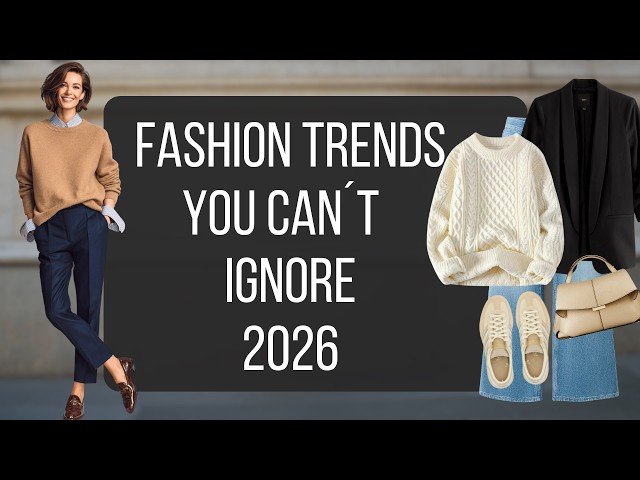
The way we shop for clothes is undergoing a radical transformation. Gone are the days of aimlessly wandering through department stores or endlessly scrolling through generic e-commerce pages, hoping to find something that fits both your body and your taste.
Enter AI-powered personal styling: a technology-driven revolution that is making fashion more accessible, personalized, and efficient than ever before. By leveraging advanced algorithms and machine learning, retailers and apps are now able to curate wardrobes that reflect individual preferences, budgets, and even future trends. This shift isn’t just about convenience; it’s about empowerment. It’s about giving every shopper the tools to express themselves authentically without the stress of decision fatigue.
In this guide, we will explore how artificial intelligence is reshaping the American shopping landscape. From virtual try-ons to predictive trend analysis, we’ll uncover how these smart tools are helping consumers make better choices, save time, and ultimately, build a wardrobe they truly love.
The Evolution of Personal Styling
Personal styling was once a luxury reserved for celebrities and the ultra-wealthy. Hiring a professional to audit your closet, shop for you, and curate outfits was a significant financial commitment. Today, technology has democratized this experience, bringing the expertise of a stylist to anyone with a smartphone.
From Brick-and-Mortar to Digital Concierge
Traditionally, shopping was a tactile experience. You walked into a store, felt the fabric, and tried things on. While the sensory aspect remains important, the discovery process has largely moved online. Early e-commerce sites offered basic filters—size, color, price—but they lacked the nuance of a human stylist who understands that a “medium” varies by brand or that you prefer structured shoulders over slouchy fits.
AI bridges this gap by analyzing vast amounts of data. It learns your style not just by what you buy, but by what you browse, what you return, and even what you linger on. This creates a digital profile that evolves with you, offering recommendations that get smarter over time.
The Role of Data in Fashion
At the heart of AI styling is data. Every click, like, and purchase creates a data point that helps algorithms understand your unique fashion DNA.
- Behavioral Data: Tracking how you interact with a website or app.
- Transactional Data: Analyzing past purchases to predict future needs.
- Visual Data: Using computer vision to analyze the attributes of clothing (color, pattern, silhouette) to find visually similar items or complementary pieces.
This data-driven approach allows for a level of personalization that human stylists, constrained by time and memory, simply cannot match at scale.
Virtual Try-Ons: The Dressing Room of the Future
One of the biggest hurdles in online shopping has always been the inability to try clothes on. Will that dress fit my hips? Does that color wash me out? Returns due to poor fit are a massive cost for retailers and a frustration for consumers. Virtual try-on technology is solving this problem.
Augmented Reality (AR) in Retail
Augmented Reality (AR) allows shoppers to visualize how clothing, accessories, and makeup will look on their actual bodies. By using the camera on a smartphone or computer, AR overlays digital items onto the user’s image in real-time.
For example, major eyewear brands allow you to “try on” glasses to see which frames suit your face shape. Beauty brands let you test lipstick shades without ever touching a tester. Now, clothing retailers are adopting this tech, allowing you to see how a fabric drapes or how a pant leg falls, all from the comfort of your living room.
Reducing Returns and Waste
The environmental impact of fashion is a growing concern, and high return rates contribute significantly to carbon emissions and waste. AI-driven sizing tools help mitigate this. By asking consumers a few questions about their height, weight, and fit preferences—or even scanning their body using their phone camera—these tools recommend the precise size for a specific garment.
When shoppers feel confident that an item will fit, they are less likely to “bracket” their purchases (buying multiple sizes with the intention of returning the ones that don’t fit). This leads to fewer returns, less packaging waste, and a more sustainable shopping cycle.
Predictive Styling: Knowing What You Want Before You Do
Imagine walking into a store where every item on the rack is your size, your favorite color, and perfectly aligned with your current aesthetic. That is the promise of predictive styling.
The Power of Recommendation Engines
We are already familiar with recommendation engines on streaming platforms like Netflix or Spotify. Fashion retailers are using similar logic. “If you liked this chunky knit sweater, you might also like these high-waisted corduroys.”
These engines go beyond simple “frequently bought together” suggestions. They analyze style attributes to build complete outfits. If you buy a blazer, the AI might suggest a blouse that matches the color palette and a pair of trousers with a compatible silhouette, effectively acting as a personal shopper who completes the look for you.
Trend Forecasting for the Individual
AI doesn’t just look at past behavior; it also looks at the broader fashion landscape. By analyzing social media trends, runway shows, and search queries, AI can identify emerging trends before they hit the mainstream.
For the consumer, this means being introduced to new styles that align with their tastes but push their boundaries slightly. It keeps wardrobes fresh and exciting without the risk of investing in a trend that feels “off.” It allows Americans to shop smarter by investing in pieces that have longevity and relevance.
The Human Touch in a Digital World
While AI is powerful, fashion is inherently emotional and expressive. Can an algorithm truly understand the confidence a certain jacket gives you or the sentimental value of a vintage aesthetic? The most successful platforms are finding ways to blend AI efficiency with human empathy.
Hybrid Styling Models
Many leading personal styling services use a hybrid model. AI does the heavy lifting—sifting through thousands of inventory items to find matches based on size, budget, and style preferences. Then, a human stylist reviews these selections, adding the final layer of intuition and creativity.
The human stylist might add a note explaining why a certain piece works for a specific occasion or how to style it with items the client already owns. This combination ensures the recommendations are accurate but also personal and thoughtful.
Chatbots and Conversational Commerce
AI-powered chatbots are becoming increasingly sophisticated. Instead of rigid menu options, they can engage in natural conversation. You can tell a bot, “I need an outfit for a summer wedding in a garden setting,” and it will understand the context—light fabrics, floral prints, appropriate footwear for grass—and generate suggestions accordingly.
This conversational interface makes the shopping experience feel interactive and helpful, mimicking the guidance you would get from a knowledgeable sales associate in a boutique.
Smart Wardrobe Management
AI styling isn’t just about buying new things; it’s also about making the most of what you already have. Digital wardrobe apps allow users to digitize their closets by uploading photos of their clothes.
Mixing and Matching
Once your wardrobe is digitized, AI algorithms can suggest outfit combinations you might never have thought of. It can remind you of that skirt buried in the back of your drawer and show you how to pair it with a new top you’re eyeing. This encourages consumers to “shop their closet” first, extending the lifecycle of their garments.
Gap Analysis
These smart wardrobe tools can also perform a gap analysis. They can identify missing staples—like a classic white tee or a versatile denim jacket—that would unlock more outfit potential from your existing clothes. This shifts the focus from impulsive consumption to strategic wardrobe building.
The Future of AI in Fashion
As technology continues to advance, the integration of AI in personal styling will only become deeper and more seamless.
- Generative AI: We will see AI designing unique clothing items tailored specifically to a user’s preferences and body measurements, enabling true on-demand manufacturing.
- Smart Mirrors: Retail stores will increasingly deploy smart mirrors that recognize the items you bring into the dressing room and suggest alternative sizes or matching accessories on a digital display.
- Voice-Activated Styling: Smart home devices could become daily styling assistants, answering questions like, “What should I wear for a rainy day meeting?” based on your calendar and local weather forecast.
Conclusion
AI-powered personal styling is fundamentally changing how Americans approach fashion. It moves the industry away from a one-size-fits-all model toward a future that is hyper-personalized, efficient, and inclusive. By harnessing the power of data and machine learning, shoppers are empowered to make smarter decisions, reduce waste, and cultivate a sense of style that is uniquely their own.
Whether you are a fashion enthusiast looking for the next big trend or someone who simply wants to look good without the hassle, AI tools are making the journey easier and more enjoyable. As these technologies evolve, the barrier between looking great and feeling great will continue to disappear, making style accessible to everyone.
Leave a Reply