

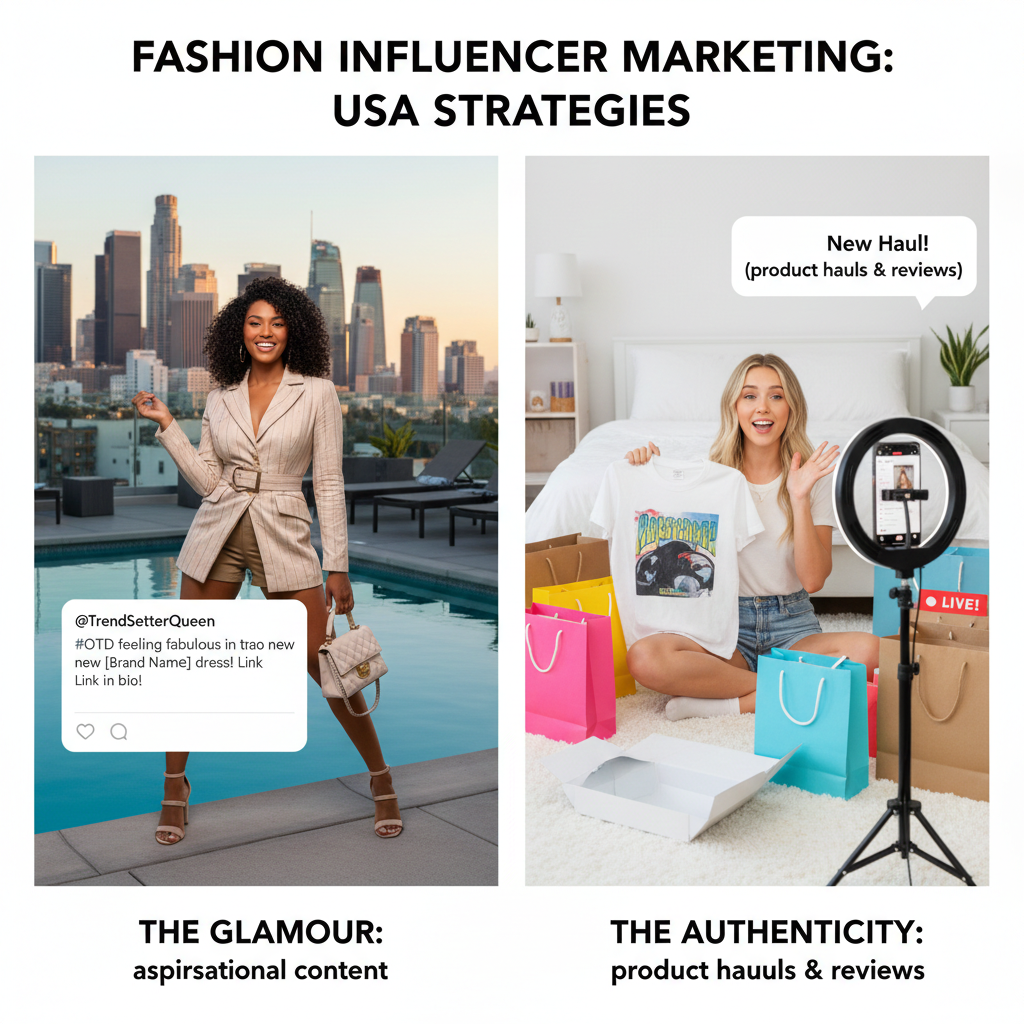
Fashion has always been about influence. From the silver screen stars of the 1950s to the supermodels of the 90s, brands have long understood that people buy what they see on the icons they admire. However, the mechanism of influence has shifted dramatically in the last decade. It has moved from the glossy pages of Vogue to the vertical screens of smartphones.
For marketers and brand owners in the USA, influencer marketing is no longer an experimental budget line item. It is a fundamental pillar of commercial strategy. It drives awareness, validates trends, and, most importantly, converts interest into revenue.
This shift isn’t just about popularity; it’s about proximity. Consumers today trust the voices that feel authentic and accessible. This article explores how fashion brands in the USA leverage influencer marketing to build empires, detailing the strategies, platforms, and metrics that define success in a crowded marketplace.
What Is Influencer Marketing in Fashion?
At its core, influencer marketing in fashion is a collaboration between a brand and an individual who holds credibility within a specific community. It is the digital evolution of word-of-mouth advertising. Instead of a friend recommending a pair of jeans over coffee, a creator demonstrates the fit and fabric to thousands of followers via a Reel or TikTok.
Fashion brands rely on influencers because traditional advertising channels have lost their monopoly on attention. While a billboard in Times Square builds prestige, it cannot explain how a fabric feels or how a dress moves. Influencers bridge this gap. They humanize the product, placing it in real-world contexts—a subway commute, a date night, or a gym session. This contextualization helps consumers visualize the product in their own lives, reducing the friction between discovery and purchase.
Why Influencer Marketing Works for Fashion Brands
The fashion industry is uniquely positioned to benefit from creator economies because style is inherently visual and social.
Visual-First Platforms
Fashion is an aesthetic industry. Platforms like Instagram, TikTok, and Pinterest are designed for visual storytelling, making them perfect showrooms. When an influencer styles an outfit, they aren’t just selling clothes; they are selling a “look” or a lifestyle. The visual nature of these platforms allows for immediate product appreciation without the need for lengthy copy.
Trust and Social Proof
In a market saturated with options, trust is the ultimate currency. American consumers are skeptical of corporate messaging. They know a brand will always say their product is the best. However, when a creator they have followed for years—someone whose style journey they have witnessed—vouches for a brand, it carries the weight of a peer recommendation. This social proof validates the quality and fit of a garment before the consumer ever touches it.
Trend-Driven Consumer Behavior
Fashion moves fast. The “micro-trend” cycle, accelerated by apps like TikTok, means styles can peak and vanish in weeks. Influencers are the primary drivers of these trends. Brands that collaborate with creators can ride these waves in real-time, positioning their products at the forefront of the cultural conversation exactly when demand spikes.
Types of Influencers Used by Fashion Brands
Successful campaigns rarely rely on a single type of creator. Instead, US fashion brands utilize a tiered approach to achieve different objectives.
Mega and Celebrity Influencers
These are the household names—the Kardashians, the Hadids, or massive YouTubers with millions of followers. Brands like Calvin Klein or Michael Kors partner with these figures for one main reason: massive reach. A single post can put a brand in front of millions of eyes instantly. While engagement rates are often lower percentage-wise, the sheer volume of visibility makes them powerful tools for brand awareness and prestige.
Macro Influencers
With follower counts typically between 100,000 and one million, macro influencers are professional content creators. They have a polished aesthetic and a specific niche. For a brand like Revolve, macro influencers provide lifestyle alignment. They offer high-quality content that looks editorial but feels personal, lending credibility to the brand without the astronomical price tag of a celebrity endorsement.
Micro and Nano Influencers
These creators have smaller audiences (1,000 to 100,000) but boast the highest engagement rates. A nano influencer might only have 5,000 followers, but those followers are often highly engaged friends, family, and local peers. Brands utilize these influencers for targeted conversion. If a sustainable denim brand wants to target eco-conscious college students in Portland, a local nano influencer is often more effective than a global celebrity.
Platforms Fashion Brands Use Most
The platform dictates the strategy. Different apps serve different stages of the marketing funnel.
Instagram and TikTok
Instagram remains the powerhouse for fashion. It serves as a digital catalog where aesthetic reigns supreme. Stories and Reels allow for direct links to products, making the path to purchase seamless. TikTok, conversely, drives virality. It is less about a polished image and more about authenticity and entertainment. A “Get Ready With Me” (GRWM) video on TikTok can sell out a product overnight if the creator makes the item look essential.
YouTube and Short-Form Video
YouTube is the home of depth. While a TikTok video lasts seconds, a YouTube “haul” or review can last 20 minutes. This is crucial for higher-ticket items where consumers need more information before buying. Creators can discuss sizing, fabric quality, and wear-and-tear in detail, functioning almost like sales associates.
Pinterest and Emerging Platforms
Pinterest acts as a visual search engine. Users here are in a planning mindset—building mood boards for weddings, vacations, or seasonal wardrobe updates. Fashion brands use influencers on Pinterest to insert their products into these planning phases, often months before a purchase is made.
Influencer Campaign Strategies in the USA
Collaborations are rarely one-size-fits-all. Marketers employ specific structures depending on their goals.
Sponsored Posts and Product Seeding
Sponsored posts are straightforward transactional agreements: the brand pays for a dedicated piece of content. Product seeding (or gifting) is riskier but cheaper. A brand sends free products to hundreds of influencers with no obligation to post. If the product is good, creators may post about it organically. This strategy builds genuine buzz, as the endorsement isn’t contractually forced.
Affiliate Marketing and Discount Codes
This performance-based model is a favorite for brands focused on ROI. Influencers receive a unique tracking link or discount code (e.g., “SARAH20”). They earn a commission on every sale they generate. This aligns the incentives of the brand and the creator; both parties want to maximize sales. It also provides the brand with clear data on which influencers are actually moving units.
Long-Term Brand Ambassador Programs
One-off posts can feel transactional. To build deeper trust, brands like Gymshark or Lululemon create ambassador programs. They sign influencers for 6-12 month contracts. This repetition signals to the audience that the creator genuinely uses and loves the product over time, which significantly increases conversion rates.
User-Generated Content Repurposing
Smart brands don’t just let influencer content disappear after 24 hours. They negotiate usage rights to repurpose that content. An influencer’s photo might end up in a Facebook ad, an email newsletter, or on the product page of the website. This extends the lifespan of the content and improves ad performance, as user-generated content (UGC) often outperforms studio photography in paid social ads.
How Influencer Marketing Drives Sales
Influence must eventually translate to income. Here is how the mechanics work.
Conversion-Focused Content
Not all content is meant to inspire; some is meant to sell. “Hauls,” “Dupes” (finding cheaper alternatives to expensive items), and “Must-Haves” are content formats designed to trigger an immediate purchase decision. By framing the product as a solution to a problem or a way to achieve a specific look for less, influencers create urgency.
Shoppable Posts and Links
Friction kills sales. US platforms have integrated shopping features directly into the feed. Instagram Shop and TikTok Shop allow users to tap a video and buy the shirt the creator is wearing without leaving the app. Influencers facilitate this by tagging products, effectively turning their profile into a storefront.
Influencer-Led Product Launches
The ultimate conversion tool is a co-branded collection. Brands like Nordstrom or Amazon The Drop collaborate with influencers to design their own lines. This leverages the influencer’s audience not just for marketing, but for product development. The influencer’s fans feel a sense of ownership and loyalty, often leading to sell-out launches within minutes.
Influencer Marketing and Brand Trust
In an era of deepfakes and paid actors, authenticity is fragile.
Authenticity and Transparency
Audiences are savvy. They can spot a scripted caption or a forced review instantly. The most successful campaigns allow creators creative freedom. When a brand dictates every word, the content feels sterile. When a creator integrates the product into their unique voice, the audience listens.
FTC Disclosure Requirements in the USA
Trust is also a legal issue. The Federal Trade Commission (FTC) in the USA mandates that influencers clearly disclose paid relationships. Hashtags like #ad, #sponsored, or using the “Paid Partnership” label are required. Brands must police this strictly. Non-compliance can lead to hefty fines and, more damagingly, a public loss of credibility.
How Fashion Brands Measure Influencer ROI
Vanity metrics like “likes” are nice, but they don’t pay the bills. Marketers look deeper.
Engagement Rates
Engagement (comments, shares, saves) indicates how compelling the content is. A high save count is particularly valuable for fashion, as it suggests intent—users are saving the outfit for future inspiration or purchase.
Traffic and Conversions
Using UTM parameters and tracking pixels, brands monitor exactly how much traffic an influencer drives to the site. They track the customer journey from the initial click to the final checkout. This hard data separates the influencers who provide “clout” from those who provide customers.
Cost Per Acquisition (CPA)
Ultimately, brands calculate the CPA. If a brand pays an influencer $1,000 and they generate 10 sales, the cost per acquisition is $100. Comparing this against the average customer lifetime value determines if the partnership is profitable.
Challenges Fashion Brands Face with Influencer Marketing
The landscape is not without pitfalls.
Fake Followers and Low-Quality Engagement
Bot farms allow users to buy thousands of fake followers for a few dollars. Brands that don’t audit influencers risk paying for reach that doesn’t exist. Tools like HypeAuditor help marketers analyze audience quality before signing contracts.
Oversaturation and Ad Fatigue
Consumers are bombarded with ads. If an influencer promotes a different vitamin, legging, and skincare cream every day, their audience becomes desensitized. Brands must find partners who are selective about their collaborations to ensure their message cuts through the noise.
Brand Safety Risks
Influencers are human. They make mistakes, get involved in scandals, or express controversial opinions. When a brand attaches itself to a person, it inherits their reputation. Vetting is crucial, as is having clear termination clauses in contracts to protect the brand if a creator goes off the rails.
Trends Shaping Fashion Influencer Marketing in 2026
Looking ahead, the industry is poised for further disruption.
Rise of Creator-Led Brands
Influencers are realizing they don’t need to rent their audience to brands; they can sell to them directly. We will see more creators launching their own standalone fashion labels, competing directly with the brands that used to sponsor them.
AI and Virtual Influencers
Virtual influencers—CGI characters with social media profiles—are gaining traction. They are risk-free (they don’t have scandals), available 24/7, and can be molded to fit the brand aesthetic perfectly. While they lack the human touch, their novelty and control appeal to tech-forward brands.
Performance-Based Influencer Deals
The days of paying flat fees for posts regardless of performance are fading. We will see a shift toward hybrid compensation models, where creators receive a lower base fee but higher upside potential through commissions and performance bonuses.
Influencer Marketing vs Traditional Fashion Advertising
Is the billboard dead? Not quite, but the economics have changed.
Cost Comparison
Producing a traditional TV spot or magazine shoot involves photographers, models, studios, and expensive media buys. Influencer marketing offloads the production cost to the creator. The influencer acts as the model, photographer, and distributor, often making it a far more cost-efficient channel for content creation.
Targeting and Personalization
Traditional ads cast a wide net. A bus stop ad is seen by everyone, regardless of whether they care about fashion. Influencer marketing is sniper-targeted. A brand can find an influencer who speaks specifically to “petite women interested in vintage workwear.” This granular targeting ensures marketing dollars are spent on high-intent audiences.
Speed to Market
Traditional campaigns take months to plan and execute. Influencer campaigns can be activated in days. If a new trend emerges on Tuesday, a brand can have influencers posting about it by Friday. This agility is essential in the fast-paced US fashion market.
FAQs – Fashion Influencer Marketing
Why do fashion brands use influencers?
Fashion brands use influencers to build trust, reach niche audiences, and create authentic content that drives sales more effectively than traditional corporate advertising.
Which platform works best for fashion marketing?
Instagram remains the top platform for aesthetics and shopping integration, while TikTok is superior for driving trends, virality, and reaching Gen Z audiences.
Are micro-influencers more effective than celebrities?
For conversion and engagement, yes. Micro-influencers typically have more dedicated, trusting audiences and higher engagement rates than celebrities, making them better for driving actual sales.
How much do fashion influencers charge?
Rates vary wildly based on follower count and engagement. A nano influencer might accept free product or $100 per post, while a mega influencer or celebrity can charge $50,000 to $500,000+ for a single campaign.
Is influencer marketing still effective in 2026?
Yes, but the strategy has matured. It is less about vanity metrics and more about long-term partnerships, performance tracking, and authentic storytelling.
The Future of Fashion is Personal
The era of the faceless fashion corporation is fading. In the US market, consumers want connection, context, and credibility. Influencer marketing provides the bridge between the garment and the customer.
For brands, the lesson is clear: influence is not just a marketing tactic; it is the currency of modern retail. Those who learn to spend it wisely—valuing authenticity over reach and data over hype—will define the next generation of American fashion.
Leave a Reply