

For thousands of families in Minnesota, the delicate balance of work and childcare just became significantly more precarious. In a move that has sent shockwaves through the state government and local communities alike, the Trump administration has abruptly frozen federal childcare funding allocated to Minnesota.
This isn’t a minor administrative delay. It is a complete halt of approximately $185 million in annual funds, a decision that threatens to destabilize the childcare industry across the state. The freeze is the result of a directive from the Department of Health and Human Services (HHS), citing severe concerns regarding fraud and the mismanagement of taxpayer dollars.
While the administration argues this is a necessary step to stop the widespread theft of public funds, state officials and childcare advocates view it as a draconian measure that punishes innocent families and providers for the crimes of a few. The conflict highlights a growing national tension between aggressive federal oversight and the consistent delivery of essential social services.
Understanding the nuances of this freeze is critical for every stakeholder involved—from the parents relying on subsidies to get to work, to the small business owners facing sudden insolvency.
What Happened — The Childcare Funding Freeze Explained
The situation unfolded rapidly. The Administration for Children and Families (ACF), a division within the HHS, notified Minnesota state officials that the flow of federal dollars for specific childcare programs would be suspended immediately.
The scope of this freeze is massive. It targets the Child Care and Development Fund (CCDF), which provides subsidies to low-income families to help them afford quality childcare so parents can work or attend school. In Minnesota, this amounts to roughly $185 million annually. These funds are the lifeblood of the state’s childcare assistance programs, ensuring that providers are paid for the children they serve.
Without this federal injection of capital, the state faces a massive budget shortfall. The decision effectively places a hold on the federal treasury’s payments to the state until specific, stringent conditions are met. This is a rare and aggressive maneuver, signaling a shift in how the federal government intends to police state-managed welfare and social service programs.
What the Trump Administration Says
The rationale coming from Washington is clear and uncompromising: the federal government is no longer willing to write checks without absolute proof of where the money is going.
Deputy HHS Secretary Jim O’Neill has been the vocal point person for this policy shift. In statements regarding the freeze, O’Neill emphasized that the administration is prioritizing the protection of taxpayer assets over the uninterrupted flow of funds. The administration’s stance is that Minnesota has failed to provide adequate safeguards against fraud.
The phrasing used by administration officials has been notably blunt. Reports from AOL and other outlets quote officials stating they have “turned off the money spigot.” This language suggests a punitive and immediate approach, designed to force compliance through financial pressure.
To turn the spigot back on, the Trump administration has outlined new, rigorous verification requirements. Minnesota is now required to produce extensive documentation, including receipts, detailed evidence of services rendered, and comprehensive audits before any further funds are released. The era of “pay and chase”—where the government pays out funds and tries to recover fraudulent payments later—appears to be over. Instead, the administration is implementing a “verify then pay” model.
The Allegations Behind the Freeze
This freeze did not happen in a vacuum. It is the direct fallout of one of the largest pandemic-era fraud schemes in the nation, which centered in Minnesota.
The primary catalyst is the “Feeding Our Future” scandal. This massive fraud ring allegedly exploited federal food programs designed to feed children during the COVID-19 pandemic. According to investigations, the scheme involved the theft of at least $250 million, though some estimates suggest the total misuse of funds across related programs could reach closer to $300 million or more.
While “Feeding Our Future” focused on food aid, the infrastructure of fraud revealed by the scandal has cast a long shadow over all social service disbursements in the state. Federal investigators believe that the lax oversight that allowed the food fraud to occur likely permeates other departments, including those managing childcare subsidies.
There are broader federal concerns that the misuse of funds isn’t limited to a few bad actors but may involve systemic failures that allow billions of dollars to be siphoned off nationwide. By targeting Minnesota, the administration is making an example of a state where high-profile fraud has already been proven, signaling to other states that federal patience has run out.
State and Local Reactions
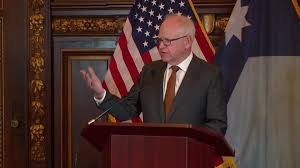
The reaction from Minnesota’s leadership was swift and defensive. Governor Tim Walz has strongly pushed back against the freeze, characterizing it as a political attack rather than a genuine effort to improve accountability.
Walz and his administration argue that the state has already taken significant steps to combat fraud following the “Feeding Our Future” revelations. They point to new internal oversight mechanisms and increased cooperation with law enforcement. The Governor’s office contends that cutting off funding now jeopardizes the very systems that support working families and that the state is being unfairly penalized for past crimes it is actively prosecuting.
Democratic leaders in the state and nationwide have urged caution. They argue that while fraud prevention is essential, using a blunt instrument like a total funding freeze causes collateral damage. The concern is that this approach ignores the nuance of how these programs operate.
Community groups and childcare providers are less focused on the politics and more focused on survival. For them, the reaction is one of panic. Childcare centers operate on razor-thin margins. Most cannot survive missing a month of payments, let alone an indefinite freeze. The anticipated impact is a wave of closures that could leave thousands of children without care and thousands of childcare workers without jobs.
Political and Social Controversy
The freeze has ignited a firestorm on social media and in the political arena, amplifying the partisan divide regarding the social safety net.
Influencers and conservative commentators have championed the move, framing it as a necessary step to “drain the swamp” and stop the waste of taxpayer money. The narrative circulating on these platforms is that Minnesota’s government was complicit or negligent, and that drastic measures were the only way to force change.
Conversely, critics argue this is a “Starve the Beast” tactic—a political strategy aimed at crippling government programs by cutting off their funding under the guise of fiscal responsibility. They argue that if the goal were truly to root out fraud, the administration would send in auditors, not cut off the funds that keep the lights on at legitimate daycares.
This debate touches on a core ideological struggle: Is it better to risk fraud to ensure people get help, or is it better to cut off help to ensure zero fraud? The Trump administration has clearly chosen the latter, betting that the political capital gained by fighting corruption outweighs the fallout from disrupted services.
What This Means for Families and Providers
The immediate future for Minnesota families is uncertain. If the state cannot find emergency funds to bridge the gap, the consequences will be tangible and immediate.
For Providers:
- Cash Flow Crisis: Many providers rely on state subsidies for a significant portion of their revenue. A freeze means they cannot pay rent, utilities, or staff.
- Closures: Smaller, in-home daycares will likely be the first to close, as they lack the financial reserves of larger corporate centers.
- Staff Layoffs: Without guaranteed income, centers will be forced to lay off workers, exacerbating the existing labor shortage in the care sector.
For Families:
- Loss of Care: Parents may receive notices that their subsidies are no longer being honored, or that their daycare is closing.
- Employment Barriers: Without childcare, many parents—disproportionately women—will be forced to leave the workforce or reduce their hours, impacting the broader state economy.
- Financial Strain: Families who lose subsidies may have to pay out of pocket, costs that are prohibitive for the low-income households these programs are designed to serve.
The requirements for future fund releases—receipts, audits, and evidence—create a new administrative burden. Providers who are already overworked will now have to navigate a complex new layer of bureaucracy to get paid, which could drive even more of them out of the industry.
National Context — Federal Funding Freezes and Precedents
While federal funding disputes are common, a freeze of this magnitude on a specific social service program is rare. Typically, agencies might withhold a percentage of funds or demand a corrective action plan. A total halt is the “nuclear option” of federal oversight.
This action sets a significant precedent. It suggests that the executive branch is willing to use its administrative authority to bypass Congress’s appropriations. Congress allocated this money to Minnesota, but the executive branch is blocking it based on management concerns.
This raises legal questions about executive authority. Can the White House unilaterally impound funds allocated by Congress? Similar debates have occurred in the past, often leading to court battles. It is highly likely that this freeze will face legal challenges, with Minnesota potentially suing the federal government to release the funds.
Furthermore, this move serves as a warning shot to other states. Minnesota may be the first, but if this strategy proves politically or administratively successful for the Trump administration, other states with reports of mismanagement could face similar freezes.
Conclusion
The freezing of $185 million in childcare funds to Minnesota is a high-stakes gamble by the Trump administration. It places the immediate well-being of thousands of families against the long-term goal of fiscal integrity and fraud prevention.
For the administration, this is a clear message: the days of easy money are over. For Governor Walz and the state of Minnesota, it is a crisis that threatens to unravel the social fabric of the state’s working class.
As the state scrambles to gather the necessary receipts and evidence to unlock the federal treasury, the clock is ticking for childcare providers. The next steps will likely involve a messy combination of frantic auditing, high-profile lawsuits, and political maneuvering.
Ultimately, the goal must be to find a path that ensures taxpayer money is protected without sacrificing the stability of the families who rely on these programs to survive.
Call To Action
Are you a Minnesota parent or childcare provider impacted by this freeze? Stay informed on the latest updates regarding subsidy releases and potential stop-gap measures by subscribing to our newsletter.
Frequently Asked Questions
Why did the Trump administration halt childcare funds to Minnesota?
The administration cited severe concerns regarding fraud and mismanagement of funds. Specifically, they referenced the “Feeding Our Future” scandal and a lack of proper oversight, stating they needed to protect taxpayer money by demanding proof of legitimate services before releasing more funds.
How much money is frozen by the federal childcare funding freeze?
Approximately $185 million in annual federal childcare funds allocated to Minnesota has been frozen.
What allegations sparked the funding freeze?
The freeze was triggered largely by the fallout from the “Feeding Our Future” fraud scheme, where roughly $300 million in federal food aid was allegedly stolen. Federal officials believe this indicated systemic failures in Minnesota’s ability to oversee and protect federal social service funds.
Will childcare providers get their funding back?
It is currently unclear when or if the full funding will be restored. The administration has stated that funds will only be released once Minnesota provides receipts, evidence, and audits verifying that the money is going to legitimate claims.
Leave a Reply