

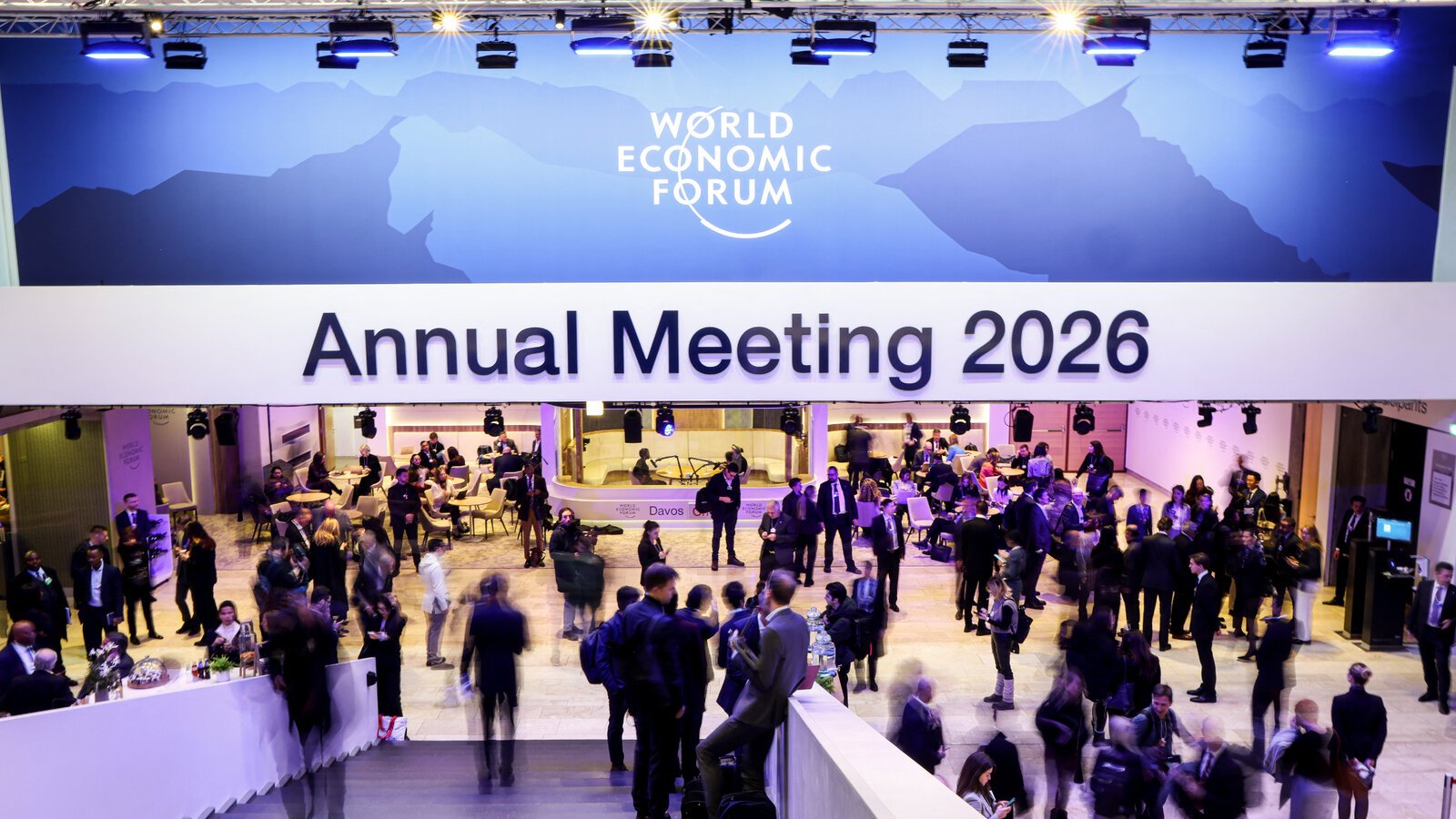
The annual pilgrimage to the Swiss Alps is over, but the conversations sparked in Davos-Klosters are just beginning to ripple across the globe. The World Economic Forum (WEF) has long served as a barometer for the coming year’s greatest opportunities and most severe risks. If previous years were defined by immediate crisis management—pandemic recovery, inflation shocks, and active conflict—Davos 2026 signaled a shift toward long-term structural adaptation.
This year, the mood was less about putting out fires and more about fireproofing the global architecture. Leaders from government, business, and civil society gathered to address a world that is increasingly multipolar, digitally dependent, and ecologically fragile. For investors and executives, understanding the nuances of these discussions is not optional; it is essential for navigating the volatility ahead.
Here is an analysis of the critical takeaways from the 2026 World Economic Forum and what they mean for the year ahead.
Top Global Political Discussions at Davos 2026
The era of hyper-globalization has definitively transitioned into an era of “strategic alignment.” The political discourse at Davos 2026 moved beyond simple trade wars into complex discussions about economic security and alliance-building.
Geopolitical Tensions and Cooperation Trends
The dominant theme in the Congress Centre was the stabilization of fractured relationships. While competition remains fierce, particularly regarding technology transfers and critical minerals, there was a concerted effort to establish “guardrails” to prevent competition from spiraling into conflict. The concept of “de-risking” has matured into “diversified resilience,” with nations seeking to shorten supply chains without completely severing ties with major economic powerhouses.
Policy Debates Affecting International Relations
Major debates centered on the Global South’s growing influence. Leaders from Africa, Latin America, and Southeast Asia demanded more than just a seat at the table; they called for a restructuring of financial institutions to better serve developing economies. This shift is forcing Western powers to rethink their diplomatic strategies, moving from aid-based relationships to genuine investment partnerships.
Economic Outlook and Market Trends from Davos
The economic forecast emerging from Davos is cautiously optimistic but laced with warnings about complacency. The consensus among finance ministers and central bank governors is that while the worst of the mid-decade inflation spikes has passed, we have entered a “higher-for-longer” environment regarding operational costs and capital.
Global Economic Forecasts
CEOs expressed relief at the resilience of consumer spending but concern over debt sustainability. The discussions highlighted a divergence in growth trajectories. Advanced economies are looking at modest, steady growth driven by productivity gains, while emerging markets are poised for rapid expansion, provided they can manage currency fluctuations.
Emerging Investment Trends
Capital is flowing aggressively toward sectors that promise resilience. Defense technology, biotechnology, and agri-tech were highlighted as top priorities for venture capital and sovereign wealth funds. Investors are looking for tangible assets and technologies that solve physical problems—food security, water scarcity, and energy storage—rather than purely digital consumer plays.
Key Innovations and Technology Insights
If 2024 and 2025 were the years of generative AI hype, 2026 is the year of industrial application. The conversation has shifted from “what can this tech do?” to “how do we integrate it safely and profitably?”
AI and Digital Transformation
The focus on Artificial Intelligence has moved to governance and standardization. Tech leaders and policymakers discussed the implementation of global safety protocols to manage autonomous systems. For businesses, the takeaway is clear: the competitive advantage lies not just in adopting AI, but in having the proprietary data to train it effectively.
Sustainable Solutions
Clean energy discussions moved past wind and solar into the realm of heavy industry decarbonization. Green hydrogen and carbon capture technologies took center stage, with major announcements regarding public-private partnerships to fund infrastructure. The message to the private sector was direct: sustainability is no longer a “nice-to-have” metric but a prerequisite for accessing tier-one capital.
Social and Environmental Agenda at Davos 2026
The social agenda at Davos emphasized the human component of the digital transition. As automation reshapes the workforce, the “S” in ESG (Environmental, Social, and Governance) is gaining prominence.
Climate Change Initiatives
Climate adaptation received as much airtime as mitigation. With extreme weather events affecting global GDP, discussions focused on financing adaptation infrastructure—sea walls, drought-resistant crops, and resilient power grids. The consensus is that businesses must account for physical climate risk in their balance sheets immediately.
Social Equity and Workforce Development
The “reskilling revolution” was a major talking point. Leaders acknowledged that the pace of technological change is outstripping the education system’s ability to keep up. Corporations are being urged to take the lead in continuous employee training, viewing it as a capital investment rather than an operational expense.
Controversies and Criticisms
The World Economic Forum is never without its detractors, and 2026 was no exception. The juxtaposition of private jet arrivals with panels on carbon footprint reduction continues to draw public ire.
Critiques of Elite Influence
Critics argued that the solutions proposed at Davos often favor multinational conglomerates over small and medium-sized enterprises (SMEs). There is a growing sentiment that global decision-making remains too concentrated among a select few, leading to policies that may not reflect the realities of the average citizen.
Transparency and Accountability
Questions regarding the efficacy of pledges made at the Forum persisted. Activist groups outside the security perimeter demanded measurable outcomes rather than vague promises, particularly regarding net-zero commitments and labor rights. This pressure is slowly forcing the WEF to adopt more rigorous tracking mechanisms for the initiatives launched during the week.
What Businesses and Policymakers Can Learn
The insights from Davos are only valuable if they translate into strategy. For leaders looking to insulate their organizations and capitalize on emerging trends, three directives emerged:
- Prioritize Agility over Efficiency: The most efficient supply chain is often the most fragile. Building redundancy and flexibility is worth the extra cost.
- Invest in “Human-in-the-Loop” Systems: As AI advances, the value of human judgment, empathy, and ethical reasoning increases. Invest in your people as heavily as your tech stack.
- Localize Your Strategy: Global trends manifest differently in every region. A one-size-fits-all approach to product and policy is no longer viable in a fragmented world.
Frequently Asked Questions (FAQs)
Who attended Davos 2026?
The event hosted nearly 3,000 participants, including heads of state from G20 nations, CEOs of Fortune 500 companies, leaders of major NGOs, academic thinkers, and media representatives.
What were the most important speeches?
Key addresses typically come from leaders of the US, China, and the EU, alongside the UN Secretary-General. This year, specific focus was placed on speeches addressing the intersection of AI regulation and national security.
How do Davos discussions impact global markets?
While no laws are passed at Davos, the “mood” of the conference often dictates investment sentiment. Consensus on topics like interest rates or green energy investment can lead to immediate capital shifts in equity and bond markets.
Are Davos agreements legally binding?
No. The World Economic Forum is a platform for dialogue and collaboration. Any agreements or initiatives launched are voluntary, though they often set the groundwork for future binding treaties or corporate policies.
How can businesses leverage Davos insights?
Companies should review the Global Risks Report released prior to the meeting and align their long-term risk management strategies with the themes highlighted during the sessions.
Navigating the Post-Davos Landscape
The 2026 World Economic Forum highlighted a world in transition. The simplistic narratives of the past have been replaced by a complex web of challenges that require nuanced, collaborative solutions. For global politics and markets, the message is that stability must be actively constructed, not passively awaited.
By understanding the shifts in geopolitical alliances, the maturity of AI, and the necessity of climate adaptation, you can position your organization to thrive. The mountains of Davos are behind us, but the climb for the year ahead has just begun.
Ready to future-proof your business strategy?
Stay ahead of market shifts and policy changes. Subscribe to our Global Market Insights Newsletter for weekly analysis delivered straight to your inbox.
Leave a Reply