

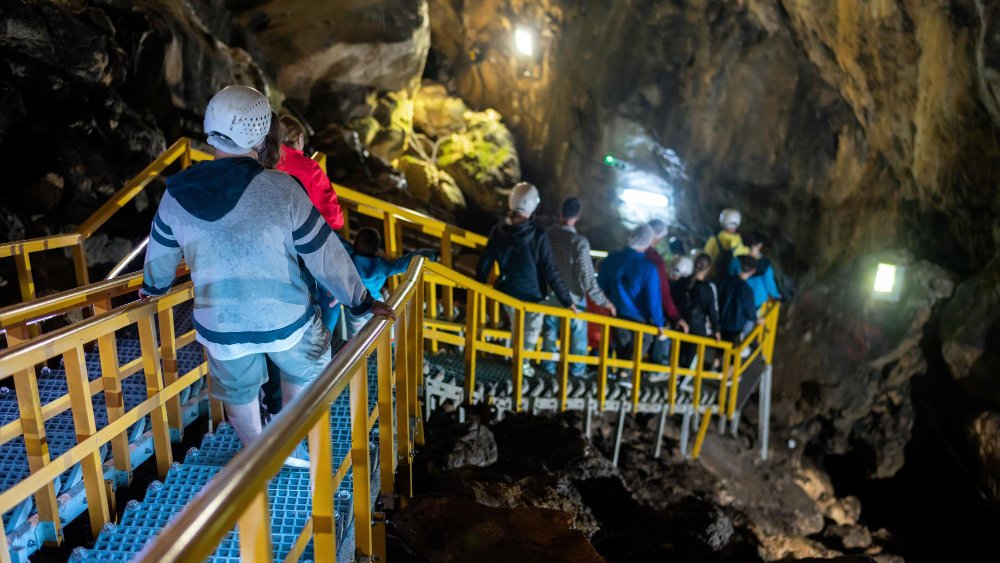
The coal mining health study was initiated in response to growing concerns regarding the effects of coal mining activities on the health of workers and nearby communities. This study aimed to systematically assess the health risks associated with coal mining, particularly in areas where mining operations have been prevalent for decades. Given the industry’s history and its integral role in energy production, understanding these impacts is crucial for both policy-making and public health initiatives.
The backdrop of this research involves a complex interplay of economic, environmental, and health factors. Coal mining has historically been a backbone of local economies; however, it has also been linked to numerous health complications, including respiratory diseases, cardiovascular issues, and even long-term developmental impacts on children living near mining operations. Therefore, the study was designed to quantify these health risks and provide an evidence-based foundation for future regulations and support services for affected populations.
In addition to assessing physical health outcomes, the study also sought to explore the psychological and social ramifications on workers and residents. The community dynamics in coal mining regions often revolve around the workplace, and understanding the broader implications is vital for comprehensive health assessments. The halting of this critical study raises significant concerns about the continuity of important health data collection and the potential consequences for affected workers and their communities.
As the Interior Department pauses this initiative, it becomes imperative to consider the long-term effects not only on health research but also on the policies that regulate the coal mining industry. The implications of this decision extend into labor rights, public health, and environmental protections that are essential for ensuring the well-being of individuals impacted by coal mining activities.
Overview of the Interior Department’s Decision
Recently, the Interior Department made headlines by announcing the halt of a coal mining health study that had been in progress for some time. This decision has significant implications for various stakeholders, including miners, environmental advocates, and the coal industry itself. The study aimed to assess the health impacts of coal mining on workers and surrounding communities, focusing on respiratory issues and other long-term health conditions associated with coal dust and emissions.
The reasons provided for halting the study center around concerns regarding methodology and the validity of preliminary findings. Officials within the department cited the need for a comprehensive review of the data collection processes and the accuracy of existing studies before proceeding further. They emphasized the importance of ensuring that findings are robust and scientifically sound to inform future policies and regulations effectively.
The timeline of the decision is noteworthy; the Interior Department announced the halt shortly after receiving pushback from industry representatives and some lawmakers, who argued that the study’s scope was too broad and not focused enough on current technological advancements in mining practices. The announcement indicated that the department seeks to reassess the research framework, aiming for a more targeted approach that could yield definitive conclusions.
Statements from department officials reflected a commitment to transparency and scientific integrity. They recognized the sensitivity of the subject matter, underscoring that any health-related study involving coal mining must consider the reliable input from health professionals and industry experts alike. As such, the halt in the study does not suggest a cessation of interest in miner health; rather, it reflects a determination to ensure rigorous scientific principles guide all future efforts.
Historical Context: Previous Health Studies and Findings
The mining of coal has long been associated with significant health risks for those involved in the industry and surrounding communities. Several key studies have documented various health issues related to coal mining, illustrating a year-long need for comprehensive assessments of the potential dangers. One significant study conducted in the 1970s by the National Institute for Occupational Safety and Health (NIOSH) established clear links between coal dust exposure and respiratory diseases. The findings revealed that miners faced an increased risk of developing pneumoconiosis, commonly known as black lung disease, due to long-term inhalation of coal dust particles.
Additionally, research in the early 2000s underscored the connection between coal mining and chronic health conditions such as cardiovascular disease and lung cancer. A report by the American Journal of Public Health outlined that miners exposed to coal dust exhibited not only respiratory ailments but also a higher incidence of chronic obstructive pulmonary disease (COPD) compared to the general population. These findings highlighted the urgent need for health studies focusing on coal mining, prompting policymakers to consider more stringent regulations to protect workers.
In light of the historical data, it becomes evident why a new health study was pursued by the Interior Department. The prior studies provided a compelling rationale for further investigation into the health outcomes of coal mining. Moreover, as the industry faced increased scrutiny regarding environmental impacts and worker health, regulatory bodies recognized the necessity of contemporary studies to update existing knowledge, address gaps in research, and adopt evidence-based interventions. The historical context underscores the ongoing relevance of health studies in understanding the full spectrum of risks associated with coal mining, illustrating both the persistence of these issues and the need for continued investigation.
Stakeholder Reactions and Concerns
The recent decision by the Interior Department to halt the coal mining health study has provoked a wide array of reactions from stakeholders involved in or affected by the coal mining industry. Health advocates have expressed significant concern about the suspension, citing the need for thorough research into the potential health risks associated with coal mining. Many argue that without the continuation of this study, the long-term impacts on miners’ health and the surrounding communities remain largely unexamined, thereby jeopardizing public health and safety.
Union representatives for coal miners have also voiced their dissatisfaction, highlighting that the absence of detailed health data can hinder efforts to implement better safety regulations and health protections for workers. They fear that without evidence-based conclusions, miners will continue to face unnecessary health risks, including respiratory diseases and other serious conditions linked to coal dust exposure.
On the opposite side of the spectrum, the coal industry itself has welcomed the decision, viewing it as an opportunity to alleviate regulatory scrutiny. Industry representatives argue that the health study could unjustly demonize coal mining and disrupt production, which is vital to the economy and job market in many regions. However, they acknowledge that public perception remains a crucial factor and are cautious about the implications of such investigations on the industry’s future.
Environmental groups have also reacted strongly, reiterating that the halt in research could delay understanding the environmental impacts of coal mining, including pollution and its effects on local ecosystems. These organizations advocate for immediate action, calling on policymakers to resume the study to ensure both miner safety and environmental protection.
In conclusion, the decision to pause the coal mining health study has elicited a complex tapestry of reactions from various stakeholders. Their divergent concerns underscore the necessity for comprehensive research and dialogue surrounding the coal mining industry.
Potential Health Impact of Halting the Study
The decision to halt the coal mining health study by the Interior Department raises significant concerns regarding potential health impacts on affected communities. By interrupting this study, followers of the topic worry about the unavailability of critical data that would potentially inform public health policies tailored to mitigate the adverse effects of coal mining on health.
One fundamental concern is that without concrete data, current health policies may lack the necessary foundation to address coal mining-related health issues effectively. Accurate research findings are essential in identifying direct correlations between coal exposure and health complications such as respiratory diseases, cardiovascular issues, and other chronic conditions prevalent in mining regions. The absence of a comprehensive health data set could hinder the formulation of effective guidelines and interventions aimed at reducing health risks associated with coal mining.
Moreover, community awareness surrounding the health implications of coal mining may suffer as a consequence of this halt. An informed community is integral to the successful implementation of health measures and preventive strategies. When health data becomes accessible through studies, it empowers residents with knowledge, enabling them to make informed health decisions and advocate for necessary protective measures. The continued absence of actual health data compromises this awareness, potentially leaving vulnerable populations at risk.
Furthermore, the lack of preventive measures derived from insights gained through the study could result in an increase in health complications for those living in coal mining areas. This situation poses a cycle where communities remain uninformed and unprotected against the risks posed by coal mining, ultimately demonstrating the critical need for ongoing research in this field.
Legal and Regulatory Implications
The recent halting of the health study by the Interior Department has significant legal and regulatory implications for coal mining and public health oversight. Primarily, this decision raises questions about compliance with various environmental laws and health regulations that govern mining activities. The National Environmental Policy Act (NEPA) mandates federal agencies to assess the environmental impacts of their actions, including public health considerations. The cessation of the health study could be perceived as a failure to comply with these obligations, potentially exposing the Department to legal challenges from advocacy groups and affected communities.
Additionally, the Coal Mine Health and Safety Act, which enforces industry standards to protect the well-being of miners, may also be implicated. If health studies are deemed necessary under this act, the suspension could suggest a neglect of the required assessments that inform safety regulations. This situation may compel stakeholders, including labor unions and environmental organizations, to advocate for renewed studies to ensure compliance with existing health and safety standards.
Moreover, the halt of this health study could set a concerning precedent for future research initiatives in the coal mining sector. It raises uncertainties regarding funding, transparency, and accountability in health assessments. The potential reduction in federal oversight could embolden industry players, leading to less stringent health regulations if not countered by advocacy efforts.
In light of these developments, various stakeholders, including lawmakers, will likely scrutinize the decision. Ensuring the protection of miner health and environmental standards may require legislative action or the establishment of new regulatory frameworks to guide future health studies. These implications highlight the critical need for ongoing dialogue and collaboration among all parties involved, ultimately striving for responsible mining practices and robust public health policies.
Alternatives and Future Directions in Research
The recent halt of the coal mining health study by the Interior Department has significant implications for ongoing and future research concerning the health impacts on communities surrounding coal mining operations. As researchers, policymakers, and public health advocates look for alternatives, several avenues emerge that could fill the gap left by this paused investigation.
First, other governmental and non-governmental organizations may step in to conduct comparable studies. For instance, agencies like the Environmental Protection Agency (EPA) or the National Institute for Environmental Health Sciences (NIEHS) are well-equipped to assess health risks associated with coal mining. By leveraging existing frameworks and resources, these organizations may initiate their own investigations, ensuring that community health remains a prioritized agenda.
Moreover, interdisciplinary research approaches are gaining traction. Collaborations between public health researchers, sociologists, and environmental scientists can create a holistic understanding of the multifaceted effects coal mining has on local populations. Utilizing qualitative research methods such as interviews and focus groups can provide a richer context to the quantitative data collected through epidemiological studies. This combination of methodologies can lead to more robust findings and policies that respond directly to community needs.
In addition to agency-led research, community-based participatory research (CBPR) is a promising model. This approach encourages active participation from local residents in the data collection process, allowing them to share their lived experiences and health concerns directly. This not only empowers communities but can also yield more relevant and sensitive data regarding health outcomes that might be overlooked in traditional studies.
As the situation regarding coal mining health impacts unfolds, it is crucial to recognize the need for a coordinated research agenda. Stakeholders should work collaboratively to ensure that research efforts are comprehensive, inclusive, and tailored to address the specific health challenges faced by mining communities. While the cessation of the initial study presents a setback, it also opens the door for innovative research opportunities and methodologies centered around community engagement and interdisciplinary collaboration.
Calls for Transparency and Accountability
The recent decision by the Interior Department to halt a health study related to coal mining has ignited significant discussions surrounding transparency and accountability within governmental processes. The ramifications of such a decision extend well beyond the immediate implications for researchers and stakeholders, fundamentally challenging public trust in the integrity of governmental health studies. When citizens perceive a lack of clarity or openness regarding governmental actions, skepticism can permeate into broader societal attitudes toward public health initiatives.
Transparency in governmental decision-making is essential, especially when the topics at hand concern the health and well-being of communities potentially affected by coal mining activities. Stakeholders, including local communities, environmental groups, and health professionals, have consistently advocated for clearer communication from officials regarding the rationale behind decisions related to health studies. The absence of detailed explanations can lead to misunderstandings and misinterpretations, further eroding trust within communities that rely on these authorities for accurate and timely information.
Moreover, accountability plays a key role in maintaining the public’s confidence. Citizens expect that their government will take responsibility for its actions and ensure that decisions are made based on sound scientific evidence rather than political pressures. The halt of the coal mining health study raises important questions about how these decisions are made and who influences them. Such scrutiny is vital to fostering an environment where scientific inquiry is valued and protected from outside interference.
Ultimately, a commitment to transparency and accountability must be a cornerstone of any governmental operation, especially in contexts involving public health. Ensuring that community voices are heard and respected can pave the way for improved collaboration between health institutions and the populations they serve. Heightening awareness around these issues is crucial for fostering an informed citizenry that holds government agencies accountable and demands a rigorous approach to public health research.
Conclusion: The Future of Coal Mining Health Research
The recent decision by the Interior Department to halt a critical health study focusing on coal mining poses significant consequences for the future of research in this sector. Throughout this discussion, we have examined the implications of this decision, highlighted the health risks associated with coal mining, and underscored the necessity for comprehensive research. The immediate impact of suspending research is evident, as it curtails our understanding of the long-term health repercussions faced by workers in this industry.
Coal mining has long been associated with various health challenges, including respiratory diseases, cardiovascular issues, and other chronic conditions. Research in this field is vital not only for creating strategies that protect current and future workers but also for informing policy decisions that could lead to improved safety regulations. By halting this study, there is a risk of perpetuating knowledge gaps regarding occupational hazards and their effects on health.
Looking forward, it is crucial for stakeholders, including policymakers, researchers, and advocacy groups, to rally for renewed efforts to investigate health risks in coal mining. This includes calling for alternative research initiatives that can substitute the halted study, as well as encouraging ongoing dialogue among affected communities and health professionals. A commitment to prioritizing the health of coal miners is imperative. As the industry evolves, embracing sustainable practices alongside thorough health scrutiny remains critical, ensuring that workers are not left vulnerable. In conclusion, while the current suspension of health research poses challenges, it also serves as a call to action for renewed focus on the health and safety of those within the coal mining industry.
Leave a Reply