

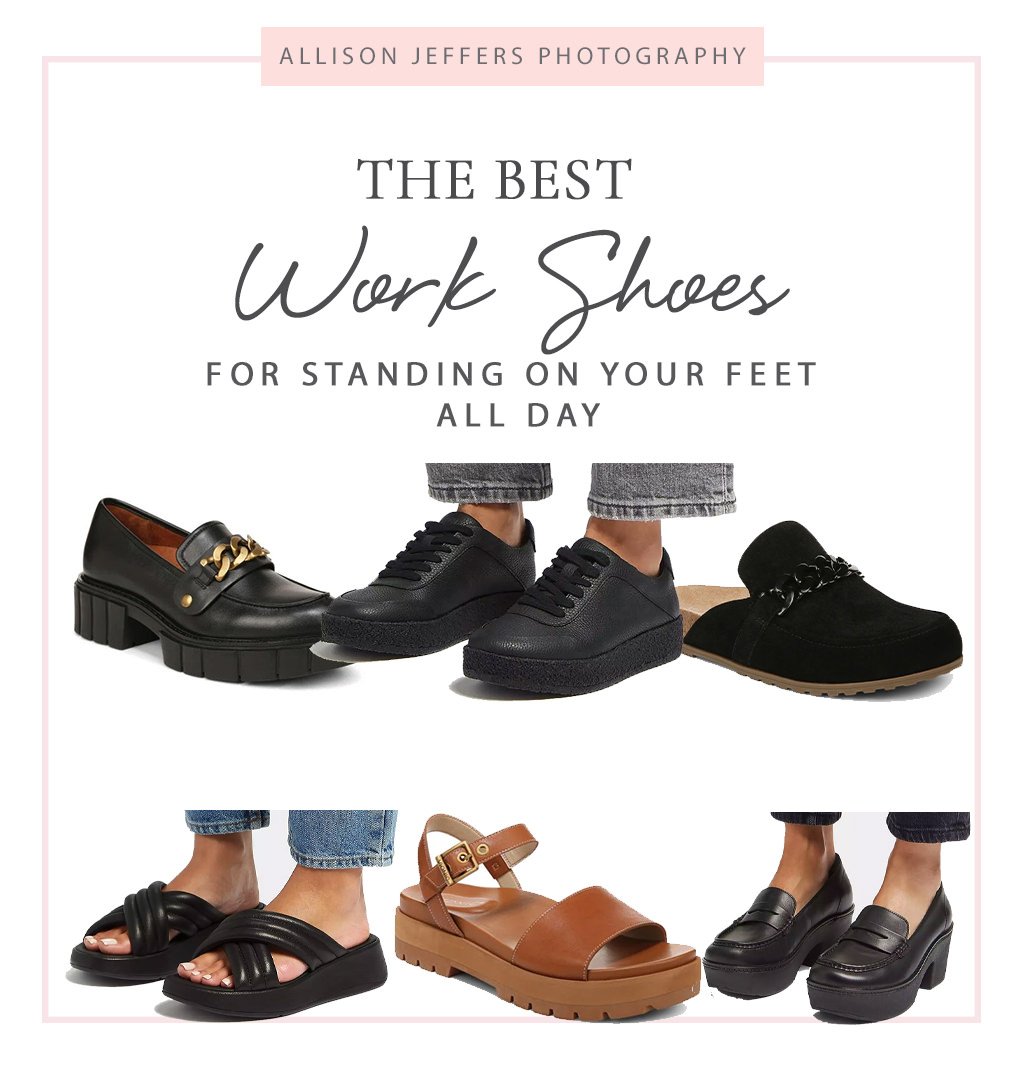
You know that feeling. The burning sensation in your heels, the ache radiating up your calves, and the stiffness in your lower back that hits right around the sixth hour of your shift. For millions of women across the USA, standing all day isn’t just a part of the job—it’s an endurance sport.
Whether you are navigating the polished floors of a hospital, managing a busy retail floor, or teaching in a classroom, the surface you stand on is unforgiving. Without the right equipment, gravity wins every time. But the conversation around footwear has shifted. In 2026, we are moving past the old compromise between “ugly orthopedic shoes” and “painful stylish shoes.” The latest footwear technology combines advanced shock absorption with sleek aesthetics, meaning you no longer have to sacrifice your personal style for comfort.
This guide explores the best footwear solutions available to American women right now. We will look at the mechanics of foot fatigue, the specific features that separate a good shoe from a great one, and give you a comprehensive breakdown of the best options for your specific profession and foot type.
Why the Right Shoes Matter for Standing All Day
Standing is statically different from walking. When you walk, your weight shifts from heel to toe, utilizing momentum to help circulation. When you stand, particularly on hard surfaces like concrete or tile, your circulatory system has to work harder to pump blood back up your legs. This static posture compresses the soft tissue in your feet, leading to distinct physiological problems.
The most common complaints aren’t limited to tired feet. Prolonged standing without proper support often triggers a chain reaction up the kinetic chain. It starts with plantar fasciitis—inflammation of the thick band of tissue across the bottom of your foot—and can escalate to Achilles tendonitis, shin splints, and even chronic lower back pain.
The impact on posture is significant. When feet are unsupported, the arches collapse (overpronation), causing the knees to rotate inward and the pelvis to tilt. This misalignment forces the muscles in your lower back to overcompensate. The right shoes act as a foundational realignment tool. They support the arch, cup the heel, and provide a stable platform that encourages better posture naturally, reducing the strain on your joints before it even begins.
This guide is specifically designed for those who spend their days upright: healthcare heroes, culinary professionals, retail warriors, educators, and anyone else whose workday doesn’t involve a desk chair.
What Makes Shoes Good for Standing All Day?
Not all sneakers are created equal. A shoe designed for sprinting 100 meters has very different engineering than one designed for standing behind a pharmacy counter for eight hours. When searching for the best shoes for standing all day women, you need to look past the brand logo and inspect the build.
Cushioning & Shock Absorption
This is your first line of defense. You want a midsole that provides substantial energy return. Materials like EVA (ethylene-vinyl acetate) foam or proprietary gel compounds compress under your weight and bounce back, absorbing the shock that would otherwise travel up your leg. However, beware of shoes that are too soft. Marshmallow-soft foam can feel great for five minutes but may lack the stability needed for an eight-hour shift.
Arch Support & Stability
Arch support distributes your body weight evenly across the entire foot rather than concentrating it on the heel and ball. Stability features, such as a firm heel counter (the back part of the shoe that wraps around your heel), prevent your foot from rolling inward or outward. This is crucial for preventing fatigue as the day wears on.
Breathability & Lightweight Design
Heavy boots act like ankle weights, draining your energy with every step. Lightweight materials, such as engineered mesh or high-tech knits, reduce this burden. Breathability is equally vital; shoes that trap heat and moisture can lead to swelling, friction, and blisters.
Slip Resistance & Durability
For those in hospitality or healthcare, the floor is often a hazard. Certified slip-resistant outsoles are non-negotiable for safety. Furthermore, durability is key. Standing compresses shoe materials faster than walking does. A high-quality outsole made of durable rubber will maintain its traction and support longer than cheaper synthetic alternatives.
Best Shoes for Standing All Day Women USA (Top Picks)
As we navigate the footwear landscape of 2026, several categories of shoes have emerged as the gold standard for long-term standing. Here is how the best shoes for standing all day women USA 2026 break down by category.
All-Day Comfort Shoes
These are the heavy hitters—the shoes you put on when you know it’s going to be a long, difficult day. They typically feature maximalist cushioning. Brands like Hoka and Brooks have dominated this space by offering thick, rocker-bottom soles that gently propel the foot forward and provide a massive barrier between you and the hard floor. The focus here is on reducing the sheer impact of gravity.
Work-Friendly Casual Shoes
Sometimes, you need to adhere to a dress code that frowns upon neon running shoes. Fortunately, the market has responded with “hybrid” footwear. These look like loafers, oxfords, or Chelsea boots on the outside but conceal sneaker-grade technology on the inside. Brands like Vionic and Cole Haan have mastered this, integrating orthotic-grade arches into sleek leather silhouettes suitable for front-of-house roles or office environments.
Shoes Designed for Long Shifts
For the most demanding environments, you need specialized gear. This category includes the iconic clogs and nursing shoes. While they might not win fashion awards, their wide toe boxes (allowing for natural foot swelling) and rigid soles (providing rock-solid stability) make them favorites among surgeons and chefs. The “rocker” shape found in many of these shoes helps offload pressure from the forefoot, a common hotspot for pain.
Most Comfortable Shoes for Women Standing Long Hours
Comfort is subjective, but mechanics are objective. The comfortable shoes for women standing all day typically share specific construction elements that fight fatigue.
Memory Foam & Cushioned Midsoles
Memory foam has been a buzzword for a decade, and for good reason. It molds to the unique shape of your foot, eliminating pressure points. However, in 2026, we are seeing “high-rebound” foams taking precedence. Unlike traditional memory foam, which can bottom out, high-rebound foams maintain their structure throughout the day, ensuring you have the same level of support at 5:00 PM as you did at 9:00 AM.
Shoes That Reduce Foot Fatigue
Fatigue often comes from the muscles in your feet working overtime to stabilize your body. Shoes with a wider base provide a solid platform, meaning your small stabilizer muscles don’t have to work as hard. Look for outsoles that flare out slightly at the heel and forefoot; this geometry provides inherent stability.
Supportive Everyday Footwear
Consistency is key. Wearing supportive shoes on your days off helps your feet recover for the next shift. Recovery slides and supportive house shoes are excellent additions to your rotation, ensuring your arches are supported even when you are just cooking dinner at home.
Best Shoes for Standing Jobs by Profession
Different jobs present different hazards and requirements. Here is how to match your footwear to your career.
Healthcare & Nursing Shoes
Nurses and doctors need fluid protection, easy-to-clean materials, and slip resistance.
- Top Pick: The Dansko Professional Clog remains a titan in this field due to its protective toe box and rocker bottom. Alternatively, the Hoka Bondi SR offers a sneaker feel with a slip-resistant, wipeable leather upper.
Retail & Customer Service Shoes
Retail workers often need to balance style with stamina. You might be climbing ladders one minute and greeting customers the next.
- Top Pick: The Brooks Ghost series offers neutral support that works for a variety of foot types, available in colors that can blend into a uniform or stand out.
Restaurant & Hospitality Shoes
Kitchen floors are greasy, wet, and dangerous. Traction is the priority here, followed closely by protection from hot spills.
- Top Pick: Skechers Work specialized lines often feature “Arch Fit” technology combined with industry-rated slip-resistant soles. Birkenstock’s polyurethane professional clogs are also favorites for their cork footbeds that mold to the foot over time.
Teachers & Warehouse Workers
Teachers need shoes that look professional but feel like slippers. Warehouse workers need safety toes and durability on concrete.
- Top Pick (Teachers): Clarks loafers or booties often feature “Cushion Soft” technology.
- Top Pick (Warehouse): Keen Utility shoes provide safety toes (often composite, which is lighter than steel) with hiking-boot levels of support.
Best Shoes for Standing All Day by Foot Type
One shoe does not fit all. Understanding your foot anatomy is crucial for finding your perfect match.
Flat Feet
If you have flat feet, your arch collapses when you stand. You need “motion control” or “stability” shoes. Look for a shoe with a firmer foam on the instep (medial post) to prevent overpronation. Brands like Brooks (Adrenaline GTS) and Asics (Kayano) excel here.
High Arches
High arches are rigid and don’t absorb shock well naturally. You need maximum cushioning to mimic the shock absorption your foot lacks. Neutral, highly cushioned sneakers are your best friend.
Wide Feet
Standing causes feet to swell. If you start with a shoe that is too narrow, you will end the day in agony. New Balance is famous for offering standard, wide, and extra-wide options across almost all their models, ensuring your toes have room to splay naturally.
Plantar Fasciitis & Foot Pain
If you are already in pain, you need orthotic-grade support. A deep heel cup is essential to concentrate the fat pad under your heel bone for natural cushioning. Orthofeet and Vionic specialize in shoes designed specifically to alleviate plantar fasciitis pain.
Affordable Shoes for Standing All Day (USA)
Comfort shouldn’t be a luxury. There are plenty of affordable shoes for standing all day women that offer excellent value.
Budget-Friendly Options
You don’t always need to spend $160 for a good work shoe. Skechers has consistently improved their foam technology, offering models with excellent memory foam and arch support at a lower price point (often under $80). Dr. Scholl’s also offers work-appropriate styles that prioritize comfort mechanics without the high markup.
Comfort vs Price Comparison
When buying budget shoes, pay attention to the lifespan. A $60 shoe might last 4 months of daily use, while a $150 shoe might last 12. Sometimes the higher upfront cost offers better value per wear. However, for those on a strict budget, looking for sales on last year’s models of premium brands is a smart strategy to get top-tier tech at a mid-tier price.
Shoes to Avoid If You Stand All Day
Knowing what not to wear is just as important. The shoes to avoid for standing all day usually lack structure.
- Flat, Unsupportive Soles: Ballet flats and classic canvas sneakers (like standard Converse) offer zero arch support and zero shock absorption. They are essentially barefoot on concrete.
- Narrow Toe Boxes: High heels or pointed-toe flats compress the toes, leading to bunions and neuromas.
- Heavy or Stiff Shoes: Unless you require steel toes for safety, avoid heavy boots. The extra weight alters your gait and fatigues your hip flexors.
How to Choose the Best Shoes for Standing All Day
When shopping for shoes for long work shifts women, use this checklist:
- Shop later in the day: Your feet swell throughout the day. A shoe that fits perfectly at 9 AM might be too tight by 5 PM. Trying shoes on in the afternoon ensures you get a fit that accommodates swelling.
- The Thumb Test: There should be about a thumb’s width of space between your longest toe and the end of the shoe.
- The Twist Test: Try to twist the shoe like a dishrag. A shoe for standing needs stability; it should resist twisting. If you can wring it out, it won’t support you for 8 hours.
- Know when to replace: Worn-out cushioning is invisible. If you start feeling aches you didn’t have a week ago, check your midsoles. Typically, work shoes need replacing every 400-500 miles (or roughly every 6-8 months of daily use).
Standing Shoes vs Walking Shoes: What’s Better?
The debate of standing shoes vs walking shoes comes down to heel drop and flexibility.
Walking shoes are designed to flex at the forefoot to allow for a smooth push-off. They often have a higher “heel drop” (the heel is higher than the toe) to propel you forward.
Standing shoes are often flatter and more rigid. They focus on stability and cushioning the heel strike. For careers that involve mostly standing in one spot (cashiers, assembly line), a flatter, more stable shoe (like a clog or a specific walking shoe with a wide base) is often better. For careers that involve standing mixed with walking (nursing, waitressing), a walking or running shoe with good stability features is usually the best hybrid option.
Frequently Asked Questions (FAQ)
Q1. What are the best shoes for standing all day for women in the USA?
While individual needs vary, top-rated options consistently include the Brooks Ghost series, Hoka Bondi line, Dansko Professional Clogs, and Skechers Arch Fit collection.
Q2. Are walking shoes good for standing all day?
Yes, high-quality walking shoes are excellent for standing. They offer cushioning and support. However, running shoes (which are designed for forward motion) can sometimes be too unstable for static standing, so look for “stability” walking or running shoes.
Q3. Which shoes help reduce foot pain from standing?
Shoes with orthotic arch support, deep heel cups, and rocker bottoms are best for pain reduction. Brands like Vionic and Orthofeet are specifically engineered for this.
Q4. Are affordable standing shoes comfortable enough?
Yes. Brands like Skechers and Dr. Scholl’s offer comfortable options. The trade-off is usually durability; you may need to replace them more frequently than premium brands.
Q5. What features should women look for in standing shoes?
Prioritize adequate arch support, a wide toe box, slip-resistant outsoles, and breathable materials. Avoid completely flat soles.
Q6. How often should standing shoes be replaced?
If you wear them 40 hours a week, aim to replace them every 6 to 8 months. Once the midsole foam compresses, it stops absorbing shock, transferring that impact to your joints.
Q7. Can the wrong shoes cause back and knee pain?
Absolutely. Lack of arch support causes overpronation, which misaligns the legs and hips, leading directly to knee and lower back pain.
Final Thoughts: Choosing the Right Shoes for Long Standing Hours
Your feet are the foundation of your entire body. When you ignore them, the cracks eventually show up in your knees, hips, and back. Investing in the right footwear is investing in your long-term health and career longevity.
The best strategy is often to build a “shoe rotation.” Alternating between two pairs of supportive shoes allows the foam in the midsole to fully decompress and dry out between shifts, extending the life of the shoe and keeping your feet healthier.
Don’t wait until you are limping to make a change. Assess your foot type, consider the specific demands of your workplace, and choose a pair that supports you. In 2026, comfort isn’t just a luxury—it’s the new standard.
Leave a Reply