

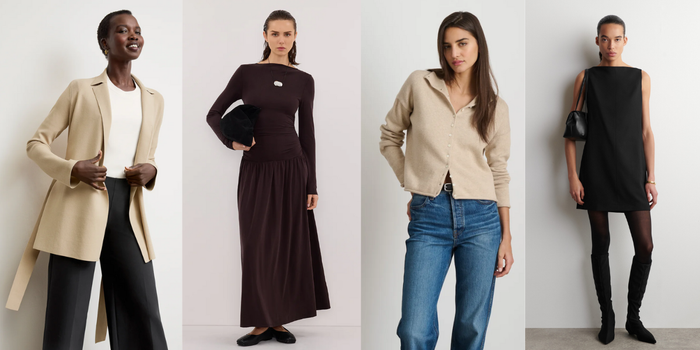
If you have ever worked a retail shift, you know the physical toll it takes. It’s not just standing behind a register; it’s eight to ten hours of walking the floor, climbing ladders in the stockroom, bending down to restock bottom shelves, and sprinting to help customers. The miles add up, and if your clothing fights against you, that shift feels twice as long.
Working retail requires a unique wardrobe strategy. You need to look polished enough to represent the brand, but you also need the mobility of an athlete and the durability of a manual laborer. Finding that sweet spot between professional aesthetics and pajama-level comfort is the holy grail for anyone clocking in at a mall, grocery store, or boutique.
This guide explores the best clothes for retail workers in the USA for 2026. We will break down fabric choices, specific recommendations for pants and tops, and how to build a rotation of affordable, durable outfits that won’t let you down during the holiday rush. Whether you are a cashier, a visual merchandiser, or a sales associate, this is your blueprint for dressing smarter.
What Makes Clothes Ideal for Retail Jobs?
When hunting for the best clothes for retail workers in the USA, you have to look beyond the style on the hanger. A shirt might look fantastic in the mirror, but if it restricts your arm movement when you reach for a high shelf, it’s useless for the job.
The three pillars of retail clothing are breathability, mobility, and durability. Retail stores often have unpredictable temperatures. You might be freezing near the entrance doors in winter or sweating while unpacking shipment in the back. Breathable fabrics like cotton blends, bamboo, or moisture-wicking synthetics are essential. They keep you cool when the store gets crowded and prevent that uncomfortable, sticky feeling halfway through a shift.
Stretch and mobility are equally important. Retail is dynamic. You need fabrics that move with you. Look for “mechanical stretch” or blends that include Spandex or Elastane. Rigid denim or stiff polyester suits are usually a recipe for discomfort. Finally, consider lightweight materials. Heavy fabrics weigh you down over time, contributing to fatigue. You want items that feel substantial enough to last but light enough to keep you energetic.
Top Picks: Best Clothes for Retail Workers in the USA (2026)
As we move into 2026, workwear technology has improved significantly. The best clothes for retail workers USA 2026 prioritize versatility. You want pieces that can transition from “opening shift” to “team meeting” without looking rumpled.
For everyday retail-friendly outfits, think in terms of uniform building blocks. A reliable rotation includes three pairs of high-quality pants and five distinct tops. This reduces “decision fatigue” in the morning.
Durable clothing for long shifts is non-negotiable. Fast fashion items might seem like a good deal, but if the inner thigh seams rub away after two months of walking the floor, they aren’t cost-effective. Focus on reinforced stitching and quality blends. Brands that cater to the hospitality or travel sectors often make excellent retail clothing because they are designed to be wrinkle-resistant and tough.
Best Pants for Retail Workers
Legwear is where most retail workers struggle. You need something that looks like dress pants but feels like yoga pants. When searching for the best pants for retail jobs, prioritize waistbands that don’t dig in and cuts that allow for squatting and bending.
Stretch Chinos & Work Pants
The modern chino is a retail worker’s best friend. Look for “performance chinos.” These often mimic the look of a classic khaki or black trouser but are made with 4-way stretch fabric. They are professional enough for high-end sales floors but comfortable enough for organizing the stockroom.
Lightweight Trousers
If you work in a warmer environment or a store with high activity levels, lightweight trousers are key. Avoid heavy wools or thick cords. instead, opt for technical fabrics often found in golf or commuter lines. These lightweight trousers are usually moisture-wicking and repel stains—a massive bonus if you work around food or messy merchandise.
Comfort Fits for Standing & Walking
Avoid skinny cuts that cut off circulation, especially given that feet and legs tend to swell after hours of standing. Straight-leg or athletic-taper cuts provide a professional silhouette without the constriction. An elasticated or “hidden comfort” waistband is also a subtle feature that makes a massive difference by hour six of your shift.
Best Tops & Shirts for Retail Jobs
Your top is the first thing a customer sees. It holds your nametag and frames your face during interactions. Finding comfortable shirts for retail work means balancing the store’s dress code with your need for airflow.
Breathable Polos & T-Shirts
For casual environments, a high-quality T-shirt or polo is standard. However, 100% thick cotton can sometimes hold onto sweat and lose its shape. Cotton-poly blends or tri-blends are often superior because they hold their color better after repeated washing and drape nicely over the body without clinging.
Button-Downs for Dress Codes
If your store requires a collar, look for non-iron or “travel” button-downs. These shirts resist wrinkling, so you don’t look disheveled after unloading a truck or leaning over a counter. Look for shirts with a “back pleat” or a bit of stretch in the shoulders to allow for full range of motion.
Easy-Care Fabrics
You likely wash your work clothes more often than your weekend clothes. Easy-care fabrics that don’t require dry cleaning or extensive ironing are essential for saving time and money. Synthetics and treated cottons usually dry faster and resist fading, keeping you looking sharp for longer.
Best Clothes for Retail Workers by Store Type
Not all retail jobs have the same requirements. The best clothes for retail workers vary depending on whether you are selling diamonds or detergent.
Clothing & Fashion Stores
Here, you are a walking billboard. You usually need to wear the brand’s current season or sleek black attire. Since appearance is paramount, focus on fit. Tailoring inexpensive items can make them look high-end. Layering is also a great strategy here—a cardigan or blazer can elevate a basic tee instantly.
Grocery & Big-Box Retail
Durability is king here. You are likely moving pallets, stocking heavy items, and dealing with spills. Darker colors hide stains better. Utility pants with extra pockets are incredibly useful for holding box cutters, markers, and devices.
Electronics & Specialty Retail
These environments often require a “tech-casual” look. Clean sneakers, dark jeans (if allowed), and branded polos are common. The focus here is on looking approachable and knowledgeable. Comfort is vital because you often stand in one designated zone for long periods.
Mall & Outlet Stores
These roles often involve high traffic and constant folding. You need clothes that don’t snag easily on hangers or fixtures. Smooth fabrics and fitted silhouettes (that aren’t tight) prevent you from getting caught on racks while rushing to the fitting rooms.
Affordable Clothes for Retail Workers in the USA
You shouldn’t have to spend your entire paycheck to look good at work. Finding affordable retail work clothes USA is about knowing where to look and when to buy.
Budget-Friendly Brands
Stores like Uniqlo, Old Navy, and Target offer lines specifically designed for comfort and movement (often labeled “Ultimate,” “Built-In Flex,” or “Air”). These represent some of the best value everyday workwear. They offer bulk purchasing options for basics like black pants and white shirts, which is great for building a uniform.
Comfort vs. Price Comparison
It is tempting to buy the cheapest $10 pants available, but if you have to replace them every month, they aren’t cheap. It is often worth spending $40 on a pair of pants that will last a year. Calculate the “cost per wear.” If a $50 pair of shoes saves your back and lasts six months, it’s a better investment than $20 shoes that hurt your feet and fall apart in four weeks.
Clothes Retail Workers Should Avoid
Knowing clothes to avoid for retail jobs is just as useful as knowing what to buy. Some items simply aren’t built for the retail marathon.
Tight or restrictive clothing is the enemy. Skinny jeans that cut into your waist when you sit or shirts that pull tight across the back will make you miserable and limit your ability to work efficiently.
Avoid heavy or non-breathable fabrics like thick polyester, heavy wool, or untreated denim. These trap heat and restrict movement. If you work in a store with poor air conditioning, these fabrics can lead to overheating.
Finally, stay away from poor-fit outfits. Baggy clothes can get snagged on merchandise, while overly tight clothes look unprofessional and feel uncomfortable. Tailoring or buying the correct size ensures you look put-together and feel capable.
How to Choose the Best Clothes for Retail Work
When shopping for comfortable clothes for retail workers, use this checklist to ensure you are making the right choice.
Fit & Sizing Tips
Always try clothes on and move in them. Do a squat. Reach for the ceiling. Pretend you are scanning an item. If the clothing fights you during these movements in the dressing room, it will be a nightmare on the sales floor.
Fabric Checklist
Read the label. Look for words like “stretch,” “moisture-wicking,” “breathable,” and “performance.” Check the percentages—a blend of cotton and polyester with 2-5% spandex is usually a safe bet for durability and comfort.
Seasonal Clothing Choices
Layering is crucial. A lightweight base layer with a removable cardigan or fleece allows you to adapt to changing store temperatures. In summer, focus on moisture management. In winter, thermal undershirts can keep you warm without adding bulk.
Durability & Wash Care
Check the washing instructions. If it says “hand wash only” or “dry clean only,” put it back. You need clothes that can survive a standard wash and dry cycle. Check the seams—are they double-stitched? Does the fabric feel thin and flimsy, or substantial?
Clothes vs. Shoes: Building a Complete Retail Outfit
We cannot talk about retail work clothes and shoes separately; they are a system. The best pants in the world won’t save you if your shoes are destroying your alignment.
Footwear is the foundation of your work day. Retail workers often walk 10,000 to 20,000 steps a shift. Pairing your outfit with supportive, cushioned shoes reduces fatigue not just in your feet, but in your knees and lower back. Look for shoes with arch support and shock absorption. If your store requires dress shoes, buy supportive insoles.
Combining breathable clothing with supportive footwear is the ultimate strategy for reducing physical exhaustion. When your body isn’t fighting against your outfit, you have more energy for customers and tasks.
Frequently Asked Questions (FAQ)
Q1. What are the best clothes for retail workers in the USA in 2026?
The best clothes combine performance fabrics with professional styles. Look for brands offering “commuter” or “travel” lines that feature stretch, moisture-wicking properties, and wrinkle resistance.
Q2. Which fabrics are best for long retail shifts?
Cotton-synthetic blends with a touch of Spandex or Elastane are ideal. They offer the breathability of cotton, the durability of polyester, and the necessary stretch for movement. Bamboo and modal are also excellent for softness and temperature regulation.
Q3. Are stretch pants good for retail jobs?
Yes, absolutely. Stretch chinos or trousers are highly recommended. They allow for the bending, squatting, and climbing required in retail without losing their shape or looking unprofessional.
Q4. What should retail workers wear if they stand all day?
Wear compression socks to improve circulation, supportive shoes with good arch support, and pants with a flexible waistband. Avoid heavy belts or restrictive waistlines that can become painful over time.
Q5. Are affordable retail clothes comfortable enough?
Yes. Many budget-friendly retailers now use textile technology previously reserved for athletic wear. You can find high-quality, comfortable basics at mass-market retailers if you look for their specific “performance” or “comfort” lines.
Q6. What clothes help reduce fatigue during retail work?
Lightweight clothes reduce the physical burden on your body. Compression garments (socks or undershirts) can help with muscle fatigue. Proper footwear is the single biggest factor in reducing overall body fatigue.
Q7. Can retail clothes still look professional and stylish?
Definitely. The trend of “athleisure” has bled into professional wear. You can now find blazers made of sweatshirt material and dress pants that feel like track bottoms. It is entirely possible to look sharp while feeling like you are wearing gym clothes.
Final Thoughts: Dressing Smart for Retail Work in 2026
Working retail is hard work, but dressing for it shouldn’t be. By prioritizing comfort, durability, and fabric technology, you can build a wardrobe that supports you through the longest shifts and the busiest holiday seasons.
Remember to invest in quality basics, prioritize your footwear, and choose fabrics that work with your body, not against it. Whether you are folding sweaters, scanning groceries, or managing a team, the right outfit is the first step toward a better workday. Start building your retail-friendly wardrobe today, and your feet (and back) will thank you.
Leave a Reply