

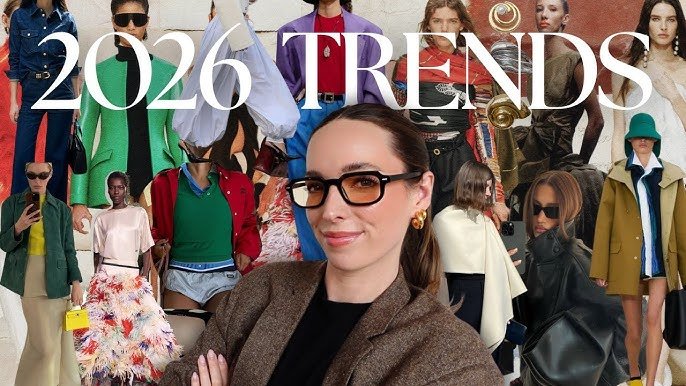
Shopping for clothes used to be a physical endurance test. It meant sifting through endless racks at the mall, waiting in line for a fitting room with questionable lighting, and often leaving empty-handed and frustrated. Even with the advent of online shopping, the problem shifted rather than disappeared. Instead of physical racks, we faced the “paradox of choice”—infinite scrolling through thousands of items, unsure of sizing, fabric quality, or how a piece would actually look on our bodies.
But the retail landscape is undergoing a seismic shift. AI-powered personal styling is no longer a futuristic concept—it’s a mainstream force changing how Americans shop and interact with fashion. By using machine learning to understand preferences, fit, and trends, AI tools empower consumers to discover outfits tailored to their unique style without hours of browsing. From virtual try-ons to curated looks delivered instantly, this technology helps shoppers shop smarter, reduce returns, and feel confident in every purchase.
This post explores how AI styling is transforming the retail landscape and why it matters for today’s fashion-forward consumer. We’ll look at the mechanics behind the magic, the benefits driving adoption across the US, and what the future holds for your digital wardrobe.
What Is AI-Powered Personal Styling?
At its core, AI-powered personal styling is the intersection of data science and fashion. It is the use of artificial intelligence and machine learning algorithms to curate clothing and accessory recommendations specifically for an individual user.
Traditionally, personal styling was a luxury service reserved for celebrities or the wealthy. A human stylist would interview a client, understand their lifestyle, and hand-pick items. AI democratizes this process. It takes the intuition of a human stylist and scales it using data.
The distinction lies in the method. A human stylist relies on experience and conversation. An AI stylist relies on data points. Behind the scenes, sophisticated algorithms analyze vast amounts of information. This includes explicit data provided by the user (like “I prefer neutral tones” or “I am 5’4”) and implicit data (how long you hovered over a leather jacket, what you’ve purchased in the past, or what you clicked on but abandoned in your cart). The system “learns” your taste profile, often understanding what you want before you do.
How AI Personal Styling Works
The magic of AI styling isn’t magic at all—it’s math. The process generally follows a structured workflow designed to get smarter with every interaction.
User Profile Building
The journey begins with data collection. When you sign up for a styling service or download a fashion app, you often complete a style quiz. You might select photos of outfits you like, input your height, weight, and body shape, and define your budget. This creates a “style DNA” or digital fingerprint.
Recommendation Engines
Once the profile is established, the recommendation engine kicks in. This is similar to how Netflix suggests movies or Spotify suggests songs. The AI scans a massive inventory of products and filters them through your style DNA. It looks for patterns—if you bought high-waisted jeans last month, it might suggest a cropped sweater that pairs well with them, based on thousands of other successful pairings in its database.
Virtual Try-On Technologies
One of the biggest hurdles in online shopping is the inability to try things on. AI solves this with Augmented Reality (AR). Using your phone’s camera, AR mirrors map clothing onto your body in real-time. More advanced systems use 3D body scanning to create a digital avatar of you, showing exactly how a garment will drape, stretch, or fit across specific measurements.
Feedback Loops
The most critical component is the feedback loop. Every time you keep an item, return one, or rate a suggestion, the AI updates its understanding of you. If you consistently return items because they are too tight in the shoulders, the algorithm adjusts future recommendations to account for that fit preference.
Why Americans Are Embracing AI Styling Tools
The adoption of AI in US retail is accelerating because it solves specific, long-standing consumer pain points.
Time Savings and Convenience
The average American has less free time than ever. Spending three hours scrolling through a department store website is not an efficient use of a Sunday afternoon. AI tools cut through the noise, presenting a curated selection of five items that match the user’s taste, rather than five thousand items that don’t. This efficiency is the primary driver for busy professionals and parents.
Less Guesswork, More Confidence
“Will this look good on me?” is the question that halts most online purchases. AI mitigates this doubt. By leveraging data from users with similar body types and style preferences, these tools provide a level of validation. If the AI suggests a dress, it’s because the data indicates a high probability of success, giving the shopper the confidence to click “buy.”
Diverse Style Recommendations
Human stylists can sometimes be biased toward their own aesthetic. AI, however, can pull from a limitless variety of styles. Whether a user is looking for “Gothic Cottagecore” or “Minimalist Corporate,” the AI can identify those niche trends and surface relevant items, helping users explore styles they might have felt intimidated to try otherwise.
Reduced Returns and Better Fit
Returns are a massive headache for consumers and a financial drain for retailers. By improving sizing accuracy through data—comparing a user’s measurements against garment specifications and reviews from similar shoppers—AI significantly increases the “hit rate” of purchases. Getting the right size the first time is the ultimate convenience.
Key AI Styling Features for Shopping Smarter
To fully utilize these tools, it helps to understand the specific features available in the market today.
Virtual Try-Ons and AR Mirrors
These features allow you to see the clothes on your body via your smartphone screen. Brands are increasingly integrating AR into their apps, allowing you to “wear” a pair of sneakers or see how a pair of sunglasses fits your face shape before shipping.
Personalized Lookbooks
Instead of a generic homepage, AI-driven platforms generate dynamic lookbooks. These are daily or weekly edits of outfits created just for you. It’s like opening a fashion magazine where every page features clothes that fit your budget and size.
Predictive Trend Forecasting
Some advanced tools don’t just react to what you like; they predict what you will like. By analyzing global fashion trends, social media signals, and search data, AI can suggest items that are about to blow up, helping you stay ahead of the curve.
Integration with eCommerce
The smartest tools are seamless. They don’t just show you a picture; they link directly to the checkout. Some even integrate with social platforms like Instagram or TikTok, allowing you to shop the look of an influencer immediately, with the AI finding dupes or exact matches that fit your size profile.
Impact on Fashion Consumption
The rise of AI styling isn’t just changing how we shop; it’s changing what we buy and why.
Reduced Dependence on Fast Fashion
Fast fashion thrives on impulse buying and the feeling of having “nothing to wear.” AI combats this by helping users visualize how new pieces fit with their existing wardrobe. When shoppers buy items they truly love and that actually fit, they are less likely to treat clothing as disposable.
Smarter, Intentional Purchases
Data-driven shopping encourages intentionality. Instead of buying a trendy top that doesn’t match anything you own, AI styling tools can suggest pieces that fill gaps in your closet. This shifts the mindset from “buying stuff” to “building a wardrobe.”
Increased Brand Loyalty
When a brand effectively uses AI to help a customer find their perfect fit, that customer returns. The personalization creates a sticky experience. Shoppers are far more likely to stick with a retailer that “gets” them and saves them the hassle of returns than to gamble on a new, unproven site.
Brands and Apps Leading the AI Styling Movement
Several players are at the forefront of this technological revolution, ranging from massive retailers to nimble startups.
Major Retailers
Giants like Amazon and Walmart have invested heavily in this space. Amazon’s “Style by Alexa” and various try-on initiatives use vast amounts of shopper data to recommend products. Walmart has acquired virtual fitting room technology to allow users to model clothing on avatars that resemble their own bodies.
Independent AI Fashion Apps
Apps like The Yes (acquired by Pinterest) and Stitch Fix were pioneers in this arena. Stitch Fix, in particular, famously uses a hybrid model of AI algorithms and human stylists to curate boxes for subscribers. Other apps, like Wishi or Combyne, focus heavily on the digital wardrobe aspect, helping users style items they already own mixed with new suggestions.
E-commerce Personalization Platforms
Behind the scenes, companies like Vue.ai and Dynamic Yield provide the tech stack for countless other fashion brands. They power the “You May Also Like” sections and the automated outfit generators seen on many boutique websites.
Challenges and Considerations
While the technology is exciting, it is not without its hurdles. As with any data-driven industry, ethical and practical concerns remain.
Data Privacy
To work effectively, these tools need intimate data—body measurements, purchase history, and aesthetic preferences. Consumers must trust that this data is being stored securely and not sold to third parties without consent. The trade-off between personalization and privacy is a constant negotiation.
Accuracy of Fit
While AI has improved sizing, it isn’t perfect. Fabric drape, stretch, and manufacturing inconsistencies can still lead to fit issues. A 3D avatar might look perfect, but if the actual fabric is stiffer than the digital rendering, the item won’t fit as expected.
Algorithmic Bias
AI is only as good as the data it is trained on. If the historical data lacks diversity in body shapes, sizes, or skin tones, the recommendations will skew toward a specific normative standard. Developers are working to ensure datasets are inclusive, but the industry still has work to do to ensure AI works equally well for a size 24 as it does for a size 4.
The Future of AI in Personal Styling
We are currently in the early stages of what AI can do for fashion. The next decade promises even deeper integration.
Enhanced Virtual Wardrobes
Future apps will likely catalogue your entire physical closet. You will be able to scan your existing clothes, and the AI will tell you exactly how to wear them, or what one specific item you should buy to unlock five new outfits from clothes you already own.
AI Fashion Assistants
Imagine a voice assistant that doesn’t just check the weather but checks your calendar and your closet. “Alexa, I have a job interview today and it’s raining. Pick an outfit.” The AI would then select a professional, weather-appropriate ensemble from your wardrobe.
Predictive Trend Personalization
Hyper-localization will become possible. AI could predict trends not just globally, but for your specific city or social circle, allowing for micro-trend forecasting that feels incredibly personal.
Tips for Shoppers to Use AI Styling Tools Smarter
To get the most out of these powerful tools, consumers need to be active participants in the process.
1. Complete Your Profile Honestly
It might be tempting to input the size you want to be, or the height you wish you were. Don’t. The AI needs accurate data to work. Measure yourself with a tape measure and input the exact numbers.
2. Use Recommendations as a Guide, Not a Rule
AI is a tool, not a dictator. If an algorithm suggests a color you hate, ignore it. Use the suggestions to discover new silhouettes or brands, but trust your own gut when it comes to how you want to present yourself to the world.
3. Train the Algorithm
Engage with the tools. Rate items. Leave reviews. Tell the system why you are returning something. The more feedback you give, the better your future recommendations will be.
4. Explore Tools That Prioritize Privacy
Read the terms of service. Look for apps that are transparent about how they use your data and offer clear opt-out settings.
AI Styling: Redefining the American Closet
The era of blind buying and “closet full of clothes but nothing to wear” is slowly coming to an end. AI-powered personal styling is redefining how Americans shop smarter, moving us away from wasteful fast fashion and toward a more curated, personalized, and efficient way of dressing.
From the convenience of automated recommendations to the confidence of virtual try-ons, the benefits span both consumers and brands. As the technology matures, it offers a glimpse into a future where our digital lives and physical wardrobes are seamlessly integrated, making getting dressed the easiest part of the day.
Leave a Reply