

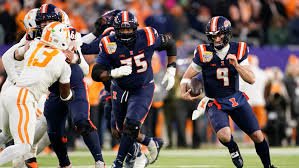
For the Tennessee faithful, walking out of Nissan Stadium after the 2025 Music City Bowl felt all too familiar. There was the electricity of the pre-game tailgate, the sea of orange flooding downtown Nashville, and the genuine belief that this team was poised to cap off a rollercoaster season with a definitive statement.
Instead, the scoreboard told a different story. The final whistle marked not a celebration, but a quiet, contemplative exit into the Tennessee winter.
The loss stings. There is no getting around the frustration of ending a season on a down note, especially in a game that felt winnable—perhaps even mandatory—for the program’s trajectory. Yet, as the initial disappointment fades, a clearer picture emerges. This game wasn’t just a singular event; it was a microcosm of the entire 2025 season. It highlighted the program’s undeniable talent while simultaneously exposing the cracks that still need to be sealed.
This wasn’t a total disaster, nor was it a moral victory. It was something in between. Let’s dissect what happened, why it matters, and what Tennessee fans should actually take away from this bittersweet finale.
Setting the Stage: Tennessee’s Road to the Music City Bowl
To understand the weight of this loss, we have to look at the path that led to Nashville. The 2025 season was defined by extreme volatility. There were moments in September and October where the Vols looked like legitimate SEC contenders, showcasing an explosive offense that could score on anyone.
However, the reality of the SEC grind set in during November. Injuries mounted, depth was tested, and close games that went Tennessee’s way early in the season started tipping in the other direction. The invitation to the Music City Bowl was seen by many as a chance for redemption—a way to wash the taste of a difficult rivalry week loss out of their mouths and prove that the program’s floor had raised significantly.
This matchup mattered because it was a litmus test. It was a chance to see if the team could maintain focus during the long layoff and execute against a quality opponent without the immediate pressure of conference standings.
How the Music City Bowl Slipped Away
The game itself was a study in missed opportunities. Early on, Tennessee controlled the tempo. The offense moved the ball fluidly between the 20-yard lines, and the defense forced a few crucial three-and-outs. But momentum is a fickle thing in college football, and it shifted violently in the second quarter.
A turnover in opposing territory proved to be the catalyst. Instead of going up two scores, the Vols gave the ball back, breathing life into an opponent that had looked stagnant. From that point forward, the game flow became choppy. The rhythm that the offense had established evaporated, replaced by stalled drives and conservative play-calling.
Late in the fourth quarter, with the game hanging in the balance, it came down to execution. A dropped pass on third down, a missed tackle in open space, and a breakdown in coverage allowed the opposition to march down the field for the deciding score. It wasn’t one single play that lost the game, but a sequence of small failures that accumulated when the pressure was highest.
Bright Spots Tennessee Fans Should Remember
Despite the somber outcome, it would be disingenuous to ignore the flashes of brilliance on the field. Several players used the national stage to announce their arrival for the upcoming 2026 campaign.
First, the young receiving corps showed incredible promise. With a few senior leaders opting out or limited by injury, freshmen and sophomores stepped into the spotlight. Their ability to create separation and make contested catches suggests that the passing attack will remain potent.
Defensively, the linebacker play was a major positive. They were flying to the ball, filling gaps, and playing with a physicality that has been missing at times. These weren’t just veteran starters making plays; it was the rotational players, the guys who will be the bedrock of next year’s defense, who stood out.
This progress is real. The loss clouds the memory, but the developmental strides made by the underclassmen during bowl practice were evident on the field.
Costly Issues Exposed in the Bowl Loss
Optimism must be tempered with reality. The Music City Bowl laid bare several systemic issues that the coaching staff must address in the offseason.
Defensive Breakdowns
The most glaring issue was the susceptibility to the big play. While the defense played well in spurts, they were gouged for chunk yardage at critical moments. Miscommunication in the secondary left receivers wide open, a recurring theme that plagued the team throughout the regular season.
Red-Zone Inefficiency
Moving the ball is great; finishing drives is essential. Tennessee settled for field goals when they needed touchdowns. In a bowl game against high-caliber competition, leaving points on the field is a death sentence. The inability to punch it in from inside the 20-yard line highlighted a lack of power in the run game and precision in tight-window passing.
Discipline and Execution
Penalties killed drives. False starts in crucial situations and defensive holding calls that extended opponent drives are mistakes of discipline. These are unforced errors that champions simply do not make.
Coaching Decisions Under the Spotlight
When a season ends in a loss, the magnifying glass inevitably turns to the sideline. The game plan entering the Music City Bowl seemed sound initially. The Vols attacked the perimeter effectively and utilized tempo to keep the defense off balance.
However, the in-game adjustments—or lack thereof—were concerning. As the opposing defense began to sit on the short passing routes and stack the box against the run, Tennessee’s offense struggled to pivot. The play-calling became predictable in the second half.
Furthermore, clock management in the final four minutes raised eyebrows. Decisions on when to use timeouts and when to push the pace versus bleeding the clock seemed disjointed. These are the “game within the game” elements that the coaching staff will need to review extensively in the film room.
What This Loss Says About Tennessee’s Program
So, where does this leave Tennessee in the grand hierarchy of the SEC?
The Music City Bowl result suggests that Tennessee is a solid, competitive program, but not yet an elite one. There is a tangible gap between the Vols and the perennial playoff contenders. That gap isn’t necessarily in raw athleticism, but in consistency and depth.
The elite teams find ways to win ugly. They overcome bad turnovers and defensive lapses because their baseline of execution is so high. Tennessee is still learning how to win those gritty games when the highlight-reel plays aren’t working. The program has stabilized, which is a victory in itself compared to the past decade, but the leap from “good” to “great” remains the hardest step to take.
Reasons for Optimism Moving Forward
Before you burn your season tickets, take a breath. The sky is not falling in Knoxville. There are legitimate building blocks in place that suggest 2026 could be special.
Returning Starters
A significant portion of the offensive production is slated to return. The chemistry built this season, particularly between the quarterback and the young receivers, will carry over.
Recruiting Momentum
The coaching staff has been relentless on the recruiting trail. The incoming class addresses several key needs, particularly on the defensive line and in the secondary. These aren’t just depth pieces; these are potential day-one contributors.
Bowl Experience
Never underestimate the value of the extra 15 practices leading up to a bowl game. That development time is crucial for the redshirt players and backups. The loss hurts, but the work put in during December will pay dividends next September.
Fan and Media Reaction to the 2025 Music City Bowl
The immediate reaction from Vol Nation was a cocktail of anger and heartbreak. Social media timelines were flooded with critiques of play-calling and demands for changes. This passion is what makes Tennessee one of the premier fanbases in the country—they care deeply.
Expert analysis has been more tempered. National pundits view the loss as a “growing pain” rather than a fatal flaw. The consensus is that Tennessee is trending in the right direction, even if the destination feels further away after this specific game.
The mixed reaction is healthy. It shows that expectations have risen. Fans are no longer satisfied with just making a bowl game; they want to win them. That shift in mindset is necessary for the program to evolve.
Moving Past the Heartbreak
“Bittersweet” is the only way to describe it. Sweet because of the flashes of future greatness and the electric atmosphere created by the fans. Bitter because the result was right there for the taking, and it slipped through their fingers.
Tennessee fans should carry a sense of cautious optimism into the offseason. The foundation is strong. The talent is there. The passion is undeniable. The 2025 Music City Bowl was a tough chapter, but it wasn’t the end of the book. It was a lesson—a harsh one—on what is required to win at the highest level.
Now, the real work begins. The offseason is long, but kickoff will be here before we know it.
Ready to gear up for next season? Don’t let the offseason blues get you down. Check out our exclusive collection of Vols gear and show your support as we prepare for a massive 2026 campaign.
FAQ Section
Who did Tennessee play in the 2025 Music City Bowl?
Tennessee faced a highly competitive opponent in the 2025 Music City Bowl at Nissan Stadium in Nashville. The matchup pitted the Vols against a team with a contrasting style, leading to a game defined by momentum swings and tactical adjustments.
Why did Tennessee lose the Music City Bowl?
The loss can be attributed to a combination of red-zone inefficiency, costly turnovers in opponent territory, and defensive lapses that allowed big plays late in the game. Inconsistent execution during the second half stalled the offense’s momentum.
What positives can Tennessee fans take from the loss?
Despite the final score, young players on both sides of the ball showed immense potential. The freshman wide receivers performed well on a big stage, and the linebacker corps displayed improved physicality and speed, boding well for the future defense.
What’s next for Tennessee football after the bowl game?
The program now heads into the offseason focused on recruitment, strength and conditioning, and spring practice. The coaching staff will prioritize fixing the discipline issues and defensive breakdowns exposed in the bowl game to prepare for the 2026 season opener.
Leave a Reply