

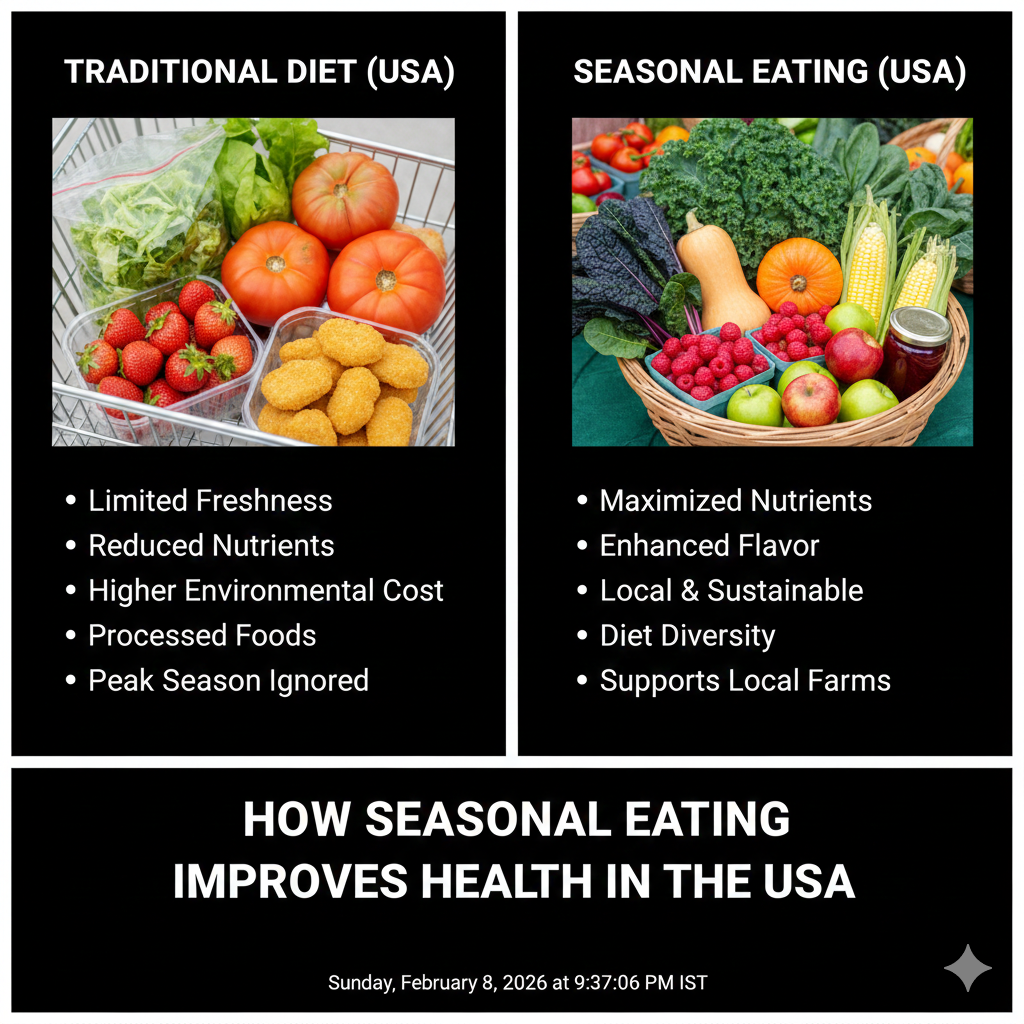
Walk into any major grocery store in the United States, and you will likely see strawberries in January and pumpkins in July. Modern logistics and global trade have made virtually every fruit and vegetable available year-round. While this convenience is undeniable, it has disconnected many Americans from the natural rhythms of food production.
This disconnection comes at a cost. Produce shipped from thousands of miles away often lacks the flavor and nutritional punch of food grown closer to home and harvested at the right time. Seasonal eating isn’t just a culinary trend; it is a return to a way of eating that aligns with nature’s cycles and human biology. By consuming foods when they are naturally harvested, you can unlock a range of health benefits, from better nutrient absorption to improved digestion.
Embracing seasonal eating doesn’t require a degree in nutrition or a complete lifestyle overhaul. It simply means prioritizing foods that are at their peak freshness. This guide explores how aligning your diet with the seasons can transform your health and why it is a powerful tool for wellness in the modern American landscape.
What Is Seasonal Eating?
Seasonal eating is the practice of consuming fruits and vegetables around the time they are harvested. In the days before refrigeration and rapid transport, this was the only way to eat. If you lived in the Midwest, you ate corn in late summer and root vegetables in the winter. Today, it is a conscious choice to prioritize nature’s schedule over convenience.
Simple definition
At its core, seasonal eating means buying produce that is grown and harvested during the current time of year in your general geographic region. For example, eating asparagus in the spring or apples in the fall. It focuses on the natural ripening cycle of crops rather than forcing growth through artificial means or shipping produce across hemispheres.
Seasonal foods vs year-round imports
The difference between a local, seasonal tomato and an imported one is often immediately obvious in taste. A tomato allowed to ripen on the vine in summer is sweet and juicy. A tomato grown in a greenhouse or shipped from a distant country in winter is often mealy and bland. This difference arises because imported produce is frequently harvested before it is fully ripe so it can survive days or weeks of travel. While it may turn red on the truck, it never develops the full spectrum of nutrients and sugars that come with vine-ripening.
Why Seasonal Eating Matters for Health
The nutritional value of our food is directly linked to how and when it is harvested. When you choose seasonal produce, you are choosing food that has been allowed to reach its full potential.
Freshness and nutrient density
Time is the enemy of nutrient retention. Once a fruit or vegetable is harvested, its nutrient levels begin to degrade. Spinach, for example, can lose a significant portion of its folate and vitamin C content within a week of harvest. Produce imported from overseas may spend weeks in transit and storage before it hits the supermarket shelf. Seasonal food, especially when sourced locally, reaches your plate much faster, retaining more of its essential vitamins and minerals.
Reduced food processing and storage
To keep out-of-season produce looking fresh, suppliers often rely on preservation techniques. This can include edible waxes on apples or cucumbers, chemical treatments to prevent sprouting in potatoes, or gas exposure to artificially ripen bananas. Seasonal eating reduces the need for these interventions. When food is fresh, it doesn’t need as much help to look appealing or stay edible, meaning you consume fewer preservatives and processing agents.
Health Benefits of Seasonal Eating
Aligning your diet with the seasons offers tangible benefits for your physical well-being. From bolstering your immune system to aiding digestion, the advantages go beyond simple nutrition labels.
Better Nutrient Intake
Higher vitamin and mineral levels
Research consistently shows that crops harvested during their natural season have higher nutritional content. Broccoli grown during its peak season in the fall, for instance, has been found to have higher vitamin C content than broccoli grown in the spring. By rotating your diet throughout the year, you naturally expose your body to a diverse range of nutrients at their most potent levels.
Peak ripeness advantages
Nutrients accumulate in plants as they ripen. Sunlight plays a crucial role in the production of antioxidants like anthocyanins (found in berries) and carotenoids (found in carrots and squash). When produce is picked early for shipping, this accumulation is cut short. Seasonal produce, allowed to fully mature in the sun, delivers a higher concentration of these protective compounds.
Improved Digestion
Seasonal foods and gut health
Nature provides foods that often align with what our bodies need during specific times of year. In the spring, bitter greens like dandelion and arugula are abundant. These foods stimulate bile production and help “wake up” the digestive system after a winter of heavier foods. In the summer, water-rich fruits like watermelon and cucumber help keep the digestive tract hydrated.
Easier digestion with fresh produce
Fresh, seasonal food is generally easier for the body to break down. Produce that has been in cold storage for months can sometimes undergo changes in starch and sugar structures that may be harder for some people to digest. Eating fresh means enzymes and nutrients are intact and bioavailable, supporting smoother digestion.
Stronger Immune Support
Seasonal nutrients and immunity
Eating seasonally provides the nutrients your body needs to face the challenges of that specific time of year. Summer fruits like berries and stone fruits are packed with antioxidants that protect skin and cells from sun damage. Winter squashes and citrus fruits are high in Vitamin C and Vitamin A, which are critical for maintaining a robust immune system during flu season.
Cold vs warm weather food benefits
There is also a thermal effect to consider. In winter, the body benefits from “warming” foods—dense root vegetables and stews that provide sustained energy and heat. In summer, “cooling” foods like salads and fresh fruit help regulate body temperature. Following this natural rhythm supports the body’s effort to maintain homeostasis (balance) in changing environments.
Balanced Energy and Weight
Natural portion control
Seasonal food is flavorful. When food tastes good, it is more satisfying. A perfectly ripe peach is a rich sensory experience that can curb sugar cravings better than a bland, out-of-season alternative. This satisfaction can lead to better portion control naturally, without the need for strict calorie counting.
Reduced reliance on processed foods
When you focus on cooking with fresh, seasonal ingredients, you automatically displace processed foods from your diet. Instead of relying on boxed meals or fast food, you are more likely to prepare meals around what is available. This shift reduces your intake of added sugars, unhealthy fats, and excess sodium, which are primary drivers of obesity and metabolic issues in the USA.
Seasonal Eating in the USA by Season
The United States has diverse climates, but general seasonal patterns apply across much of the country. Here is a look at what seasonal eating looks like throughout the year.
Spring Foods and Benefits
Spring is a time of renewal. The earth warms up, and the first green shoots appear.
- Foods: Asparagus, peas, spinach, kale, radishes, strawberries, artichokes, herbs (parsley, cilantro).
- Benefits: These foods are typically lighter and packed with detoxifying nutrients. Leafy greens are rich in chlorophyll and fiber, helping to cleanse the system. Berries provide a burst of antioxidants to repair cells.
Summer Foods and Benefits
Summer is the season of abundance. Long days and strong sun produce sweet, hydrating crops.
- Foods: Tomatoes, corn, cucumbers, zucchini, watermelon, peaches, plums, cherries, bell peppers, green beans.
- Benefits: Hydration is key in summer. Many summer crops have high water content, helping to prevent dehydration. The bright colors of summer produce indicate high levels of beta-carotene and lycopene, which protect the skin and eyes.
Fall Foods and Benefits
As the weather cools, the harvest shifts to heartier, starchy vegetables that provide energy.
- Foods: Pumpkins, butternut squash, sweet potatoes, apples, pears, Brussels sprouts, cauliflower, grapes, cranberries.
- Benefits: These foods are rich in complex carbohydrates and fiber, providing steady energy and warmth. They are also high in Vitamin A and C, preparing the immune system for the colder months ahead.
Winter Foods and Benefits
In winter, growth slows, but many crops store well or thrive in cooler temperatures (in milder climates).
- Foods: Citrus fruits (oranges, grapefruits), kale, collard greens, root vegetables (carrots, parsnips, turnips), onions, potatoes.
- Benefits: Citrus provides essential Vitamin C for immunity. Root vegetables offer grounding energy and are excellent for roasting and soups. Cruciferous vegetables like kale become sweeter after a frost and are nutrient powerhouses.
Seasonal Eating vs Modern Diets
The modern Western diet is characterized by high intakes of ultra-processed foods and a lack of variety. Seasonal eating offers a direct antidote to this.
Seasonal vs ultra-processed foods
Ultra-processed foods are designed to taste the same every time you eat them, regardless of the season. They are hyper-palatable but nutrient-poor. Seasonal whole foods vary in taste and texture. Embracing this variety retrains the palate to appreciate subtle flavors and textures, reducing the dependence on the intense salt and sugar hits provided by processed alternatives.
Impact on metabolic health
A diet disconnected from nature often leads to metabolic confusion. Eating high-sugar fruits year-round, for example, might contribute to consistent insulin spikes. Historically, humans only had access to high-sugar fruits in late summer, which helped build fat stores for winter. By eating seasonally, we align our carbohydrate and sugar intake with periods when our bodies might naturally utilize them best, potentially supporting better metabolic flexibility.
Local and Seasonal Eating Connection
While you can buy “seasonal” food at a supermarket that was shipped from a similar climate zone, the benefits are maximized when you buy local.
Farm-to-table benefits
“Farm-to-table” reduces the supply chain to its simplest form: the farmer grows it, and you eat it. This minimizes the time between harvest and consumption. Farmers’ markets and Community Supported Agriculture (CSA) boxes are excellent ways to access this.
Nutritional freshness advantages
Local produce is often harvested within 24 hours of being sold. This guarantees the highest possible nutrient retention. Furthermore, local farmers often prioritize taste and nutrition over transportability when selecting crop varieties. You might find heirloom varieties at a local market that you would never see in a chain grocery store because they are too delicate to ship, yet they are superior in flavor and health benefits.
How Seasonal Eating Supports Long-Term Wellness
Adopting a seasonal approach to food is an investment in your long-term health span.
Sustainable habits
Diets often fail because they are restrictive and boring. Seasonal eating is celebratory. It gives you something to look forward to—the first corn of summer, the first crisp apple of fall. This anticipation builds a sustainable habit. You aren’t restricting yourself; you are simply waiting for the best time to enjoy specific foods.
Reduced inflammation
Chronic inflammation is a root cause of many diseases, including heart disease and diabetes. A diet rich in fresh, diverse, antioxidant-rich fruits and vegetables is naturally anti-inflammatory. By constantly rotating your foods based on the season, you provide your body with a broad spectrum of anti-inflammatory compounds.
Improved dietary variety
It is easy to get into a rut of buying the same broccoli, carrots, and bananas every week. Seasonal eating forces variety. When asparagus season ends, you switch to green beans. When green beans are done, you move to squash. This rotation ensures you are not overexposed to certain anti-nutrients (found in small amounts in some plants) and that you get a complete profile of vitamins and minerals over the course of a year.
How to Start Seasonal Eating in the USA
transitioning to a seasonal diet doesn’t have to be complicated. Start small.
Reading seasonal food charts
Familiarize yourself with what grows in your region. A quick online search for “[Your State] seasonal produce calendar” will give you a list. Print it out and stick it on your fridge. When you make your grocery list, check the chart first.
Shopping at farmers’ markets
The easiest way to eat seasonally is to shop where out-of-season food simply isn’t an option. Farmers’ markets are strictly seasonal. If you see it there, it’s in season. Talk to the farmers; ask them what is best right now and how to prepare it.
Simple meal planning tips
Plan your meals around the vegetable, not the protein. Instead of saying “We’re having chicken, what goes with it?”, say “Asparagus is in season, how should we serve it?” This shifts the focus to fresh produce. Be flexible. If you planned for broccoli but the market has amazing cauliflower, swap it out.
Common Myths About Seasonal Eating
There are several misconceptions that keep people from trying seasonal eating.
Cost misconceptions
Many people believe that fresh, local food is expensive. While boutique organic markets can be pricey, in-season produce at a standard grocery store is often cheaper than out-of-season options. When a crop is abundant, prices drop. Buying strawberries in peak summer is far cheaper than buying them in winter when they must be imported.
Availability concerns
Some worry that eating seasonally means eating only turnips all winter. While winter selections are more limited in colder climates, modern storage techniques allow for a wide variety of apples, pears, squash, root vegetables, and hardy greens to be available throughout the colder months. Additionally, you can preserve summer bounty by canning or freezing it yourself for winter use.
FAQs – Seasonal Eating and Health
Is seasonal eating healthier?
Yes, generally speaking. Seasonal produce is typically harvested at peak ripeness, meaning it has higher nutrient levels and fewer preservatives than out-of-season produce that has been shipped long distances.
Does seasonal food have more nutrients?
Studies have shown that certain vitamins, particularly Vitamin C and folate, degrade rapidly after harvest. Since seasonal food usually reaches the consumer faster, it retains more of these sensitive nutrients. Furthermore, plants allowed to ripen in the sun develop more antioxidants.
Can seasonal eating help with weight loss?
It can support weight management. Seasonal food is more flavorful, which improves satiety. It also encourages cooking at home and eating whole foods, which naturally reduces calorie and processed food intake.
Is seasonal eating affordable in the USA?
Yes. Supply and demand dictate that when a crop is in season and abundant, the price goes down. You can save significant money by buying produce only when it is at its seasonal low price.
How do I know what foods are in season?
The best way is to observe what is abundant and on sale in the produce section, or visit a local farmers’ market. Online resources like the USDA’s seasonal produce guide or local agricultural extension websites are also excellent tools.
Reconnecting with Your Food
Seasonal eating is more than just a dietary choice; it is a way to reconnect with the environment and nourish your body with the best fuel nature has to offer. By paying attention to the calendar and the climate, you can enjoy food that tastes better, costs less, and supports your overall health. Start with one or two seasonal swaps this week—perhaps trading imported berries for a crisp, local apple—and experience the difference that freshness makes.
Leave a Reply