

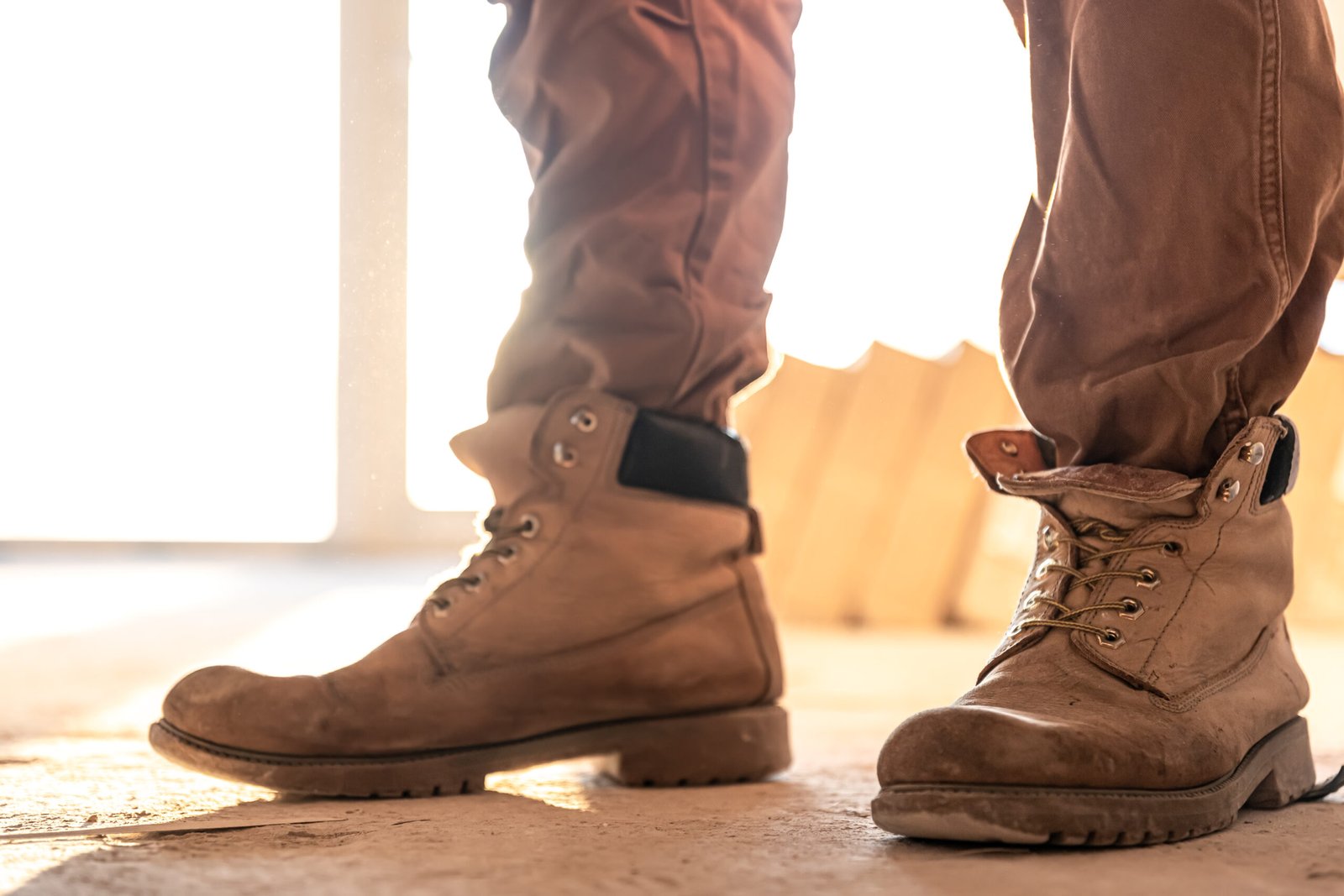
Your alarm goes off. You hit snooze once, maybe twice. But eventually, you have to get up because a 12-hour shift is waiting for you. Whether you are running codes in an ER, navigating a sprawling Amazon warehouse, or managing the floor at a busy retail store, your feet are the foundation of your workday. If they fail, your back, knees, and mood usually follow suit.
By 2026, the American workforce is more demanding than ever. Shifts are longer, expectations are higher, and the physical toll of standing on concrete or tile floors hasn’t diminished. Foot fatigue, plantar fasciitis, and chronic lower back pain are practically occupational hazards for millions of US workers. But the right pair of shoes isn’t just about comfort—it’s about survival.
This guide is designed for the nurses, the line cooks, the cashiers, and the warehouse associates who keep the country running. We are diving deep into the best shoes for long work shifts in the USA for 2026, analyzing the top brands, the latest comfort technology, and the specific features you need to finish your shift as strong as you started.
What Makes Shoes Ideal for Long Work Shifts?
Not all sneakers are created equal. A shoe that feels great for a 30-minute jog might be a torture device by hour ten of a shift. When looking for the best shoes for long work shifts in the USA, you need to look past the aesthetics and focus on the biomechanics.
Cushioning & Shock Absorption
Every step sends a shockwave up your leg. If you are walking 15,000 steps a shift on concrete, that impact adds up. You need midsole technology—like EVA foam or proprietary gels—that absorbs that energy so your joints don’t have to. However, there is a balance. Too much squish (like walking on a marshmallow) can actually cause fatigue because your foot fights for stability. You need responsive cushioning that bounces back.
Arch Support & Stability
When you stand for hours, your arches naturally start to flatten or collapse. This strains the plantar fascia, leading to that sharp, stabbing heel pain many workers know too well. Stability features prevent your foot from rolling inward (overpronation) or outward (supination), keeping your skeletal alignment neutral.
Lightweight Design
Heavy boots act like ankle weights. Over a 10-hour shift, an extra few ounces can feel like pounds. The ideal work shoes for long hours utilize lightweight mesh uppers and composite materials that offer protection without the drag.
Breathability & Durability
American workplaces can get hot. Shoes with breathable mesh allow heat to escape, reducing swelling and preventing blisters. Simultaneously, these shoes need to withstand daily abuse. Flimsy materials will tear within a month of warehouse work, so durability is non-negotiable.
Best Shoes for Long Work Shifts in the USA (2026 Picks)
We have analyzed market trends, user reviews, and podiatric recommendations to bring you the top contenders for 2026.
Best Overall Shoes for Long Work Shifts: HOKA Bondi 8
- Price Range: $165 – $175
- Best For: Healthcare, Retail, Walking-heavy jobs
The HOKA Bondi series continues to dominate the conversation regarding maximum cushioning. By 2026, the Bondi 8 remains the gold standard for workers who feel like they are walking on asphalt all day. It features a massive bed of foam that provides unparalleled shock absorption.
Pros:
- Maximum cushioning reduces joint impact significantly.
- Memory foam collar cradles the ankle.
- APMA (American Podiatric Medical Association) Seal of Acceptance.
Cons:
- The thick sole can feel clumsy for those unused to platform-style shoes.
- Bulky aesthetic isn’t for everyone.
Best Shoes for Standing All Day at Work: Dansko Professional Clog
- Price Range: $135 – $150
- Best For: Nurses, Chefs, Teachers
There is a reason you see these on hospital floors across the country. The Dansko Professional isn’t soft; it’s firm. The rocker bottom propels the foot forward, reducing the energy needed to take a step, while the firm arch support prevents fatigue during static standing.
Pros:
- Incredible arch support for static standing.
- Rocker bottom promotes a healthy gait.
- Durable leather uppers are easy to clean.
Cons:
- Heavy compared to sneakers.
- The “break-in” period can be tough.
Best Shoes for Walking & Moving During Shifts: Brooks Ghost 16
- Price Range: $140 – $150
- Best For: Warehouse workers, Delivery drivers
If your shift involves constant movement rather than standing in one spot, the Brooks Ghost 16 offers a neutral, balanced ride. It utilizes DNA LOFT v3 cushioning, which is soft but lighter than previous iterations, making it perfect for high-step-count jobs.
Pros:
- Smooth transitions from heel to toe.
- Breathable upper keeps feet cool.
- Available in wide and extra-wide widths.
Cons:
- Less durability on the mesh upper in rugged environments.
Best Affordable Shoes for Long Work Shifts: Skechers Work Max Cushioning Elite
- Price Range: $90 – $105
- Best For: Food service, Retail
You don’t always have to spend over $150 for comfort. Skechers has cornered the market on affordable work shoes. The Max Cushioning Elite series offers a similar feel to HOKA at a fraction of the price, often including slip-resistant outsoles which are essential for restaurant work.
Pros:
- Excellent value for money.
- Slip-resistant outsole options available.
- Machine washable.
Cons:
- Foam tends to compress faster than high-end brands (needs replacing sooner).
Best Safety Shoes for Long Shifts: Keen Utility Vista Energy
- Price Range: $120 – $135
- Best For: Factory, Construction, Logistics
For those needing toe protection without the weight of a steel toe, the Keen Utility Vista Energy uses a carbon-fiber toe. It looks like a sneaker but protects like a boot. The KEEN.ReGEN midsole returns 50% energy with every step, keeping your legs fresh.
Pros:
- Safety rated (ASTM) but lightweight.
- Breathable mesh upper.
- Roomy toe box allows for natural toe splay.
Cons:
- Not waterproof (unless specified).
Top Shoe Brands Americans Trust for Long Work Hours
When shopping for comfortable work shoes USA, brand reputation matters. These manufacturers have consistently proven they understand the needs of the American worker.
HOKA
Originally designed for ultra-runners, HOKA has been adopted by the workforce. Their defining feature is the oversized midsole which provides superior shock absorption. They are the top choice for nurses and postal workers.
New Balance
New Balance is a hero for workers with difficult-to-fit feet. They are one of the few brands that consistently offer wide (2E) and extra-wide (4E) sizes across most of their models, ensuring workers with bunions or flat feet can find a proper fit.
Brooks
Brooks focuses purely on the biomechanics of the stride. Their “GuideRails” support system is excellent for workers who overpronate, keeping the knee and hip in alignment during long walks across warehouse floors.
Skechers Work
Skechers brings comfort technology to the service industry. Their “Work” line specifically targets hospitality and healthcare, incorporating memory foam insoles and slip-resistant treads into affordable packages.
ASICS
Known for their GEL technology, ASICS are fantastic for shock absorption in the heel. Models like the Gel-Kayano offer high stability, making them great for heavy-set workers needing durable support.
Dansko
The clog authority. Dansko focuses on all-day support rather than soft cushioning. Their shoes are legendary for durability, often lasting years even with daily use in hospital environments.
Orthofeet
For workers dealing with plantar fasciitis or diabetes, Orthofeet is a lifesaver. Their shoes come with premium orthotic insoles and an ergonomic sole design that eases foot pain instantly.
Best Shoes for Long Work Shifts by Job Type
A warehouse worker needs different features than a line cook. Here is how to match the shoe to the job.
Healthcare & Nursing
Priority: Fluid resistance, easy cleaning, arch support.
Top Pick: Hoka Bondi SR or Cloves. Nurses deal with spills and 12-hour shifts. The Bondi SR features a water-resistant leather upper and a slip-resistant sole, combining the cushion of a runner with the utility of a work shoe.
Warehouse & Logistics
Priority: Concrete protection, durability, safety toe.
Top Pick: Timberland PRO Powertrain. Concrete floors are unforgiving. You need a shoe with anti-fatigue technology built into the sole and a safety toe that doesn’t weigh you down.
Retail & Grocery
Priority: Style (often mandated), cushioning for standing.
Top Pick: Adidas Ultraboost Light. Retail workers often have to adhere to “all black” dress codes but need sneaker-level comfort. The Boost foam provides incredible energy return for days spent standing at a register or stocking shelves.
Food Service & Hospitality
Priority: Slip resistance (oil/water), stain resistance.
Top Pick: Birkenstock Tokio Super Grip. The cork footbed molds to your foot over time, providing custom support, while the super grip sole keeps you upright on greasy kitchen floors.
Factory & Manufacturing
Priority: Protection, stability, electrical hazard rating.
Top Pick: Reebok Work Sublite Cushion Work. This shoe brings athletic technology to the factory floor. It features deep flex grooves for ease of movement and alloy toes for protection.
Where to Buy Shoes for Long Work Shifts in the USA
Finding the right fit often requires trying on multiple pairs. Here are the best places to look.
Amazon
For sheer variety and fast shipping (especially with Prime), Amazon is unbeatable. You can find almost every brand mentioned here. The “Try Before You Buy” feature is particularly useful for size testing.
Zappos
Zappos is renowned for its customer service and generous return policy (365 days). They have a dedicated “Work & Safety” section that filters by safety ratings, making it easy to find OSHA-compliant footwear.
Workwear Retailers
Stores like Boot Barn or local uniform shops are great for safety shoes. They often have experts who can explain the specific ASTM ratings of different boots.
Brand Official Websites
Sometimes the specific wide width or colorway you need is sold out at third-party retailers. Buying direct from Brooks, HOKA, or New Balance often gives you access to the full inventory and extended warranties.
Specialty Comfort Shoe Stores
Stores like “The Walking Company” or local running stores offer gait analysis. They can watch you walk and tell you exactly what kind of support your foot needs.
Work Shoes vs. Running Shoes for Long Shifts
A common question is: “Can I just wear my running shoes to work?” The answer is yes, but with caveats.
Running Shoes:
- Pros: Generally lighter, softer cushioning, better breathability.
- Cons: Designed for forward motion, not static standing. The foam can compress too quickly under constant weight, losing support after a few months. Outsoles are rarely slip-resistant.
- Best For: Active jobs with lots of walking (Warehouse picking, mail delivery).
Work-Specific Shoes:
- Pros: Denser midsoles designed for standing. Slip-resistant outsoles. Protective uppers (leather/synthetic) that resist spills.
- Cons: Often heavier and less breathable.
- Best For: Static jobs or hazardous environments (Kitchens, hospitals, factories).
How to Choose the Right Shoes for Long Work Shifts
Before you hit “buy,” consider these four factors to ensure you get the best shoes for long work shifts in the USA.
Foot Type & Arch Support
Do the “wet test.” Step on a piece of paper with a wet foot. If you see the whole footprint, you have flat feet and need stability shoes (like the Brooks Adrenaline). If you see only the heel and ball, you have high arches and need neutral cushioning (like the HOKA Clifton).
Shift Length & Movement Level
Are you standing in one 4×4 foot box for 8 hours (Cashier)? You need firm support and a rocker bottom. Are you walking 10 miles a shift (Nurse/Server)? You need lightweight cushioning.
Slip Resistance Needs
If you work around fryers, mops, or industrial fluids, “slip-resistant” isn’t optional. Look for shoes tested against ASTM F2913 standards. Note that standard running shoes are not slip-resistant on oil.
Replacement Frequency
Budget for replacements. Even the best work shoes have a lifespan.
- Running shoes used for work: Replace every 4-6 months (300-500 miles).
- Work boots/Clogs: Replace every 6-12 months, or when the tread wears down.
If the midsole shows creases (wrinkles in the foam), the shock absorption is gone, and your knees are taking the hit.
Frequently Asked Questions (FAQ)
Q1. What are the best shoes for long work shifts in the USA for 2026?
The top contenders for 2026 include the HOKA Bondi 8 for maximum cushioning, the Dansko Professional for arch support, and the Brooks Ghost 16 for walking comfort. The “best” shoe depends heavily on whether you are standing still or moving constantly.
Q2. Which shoes are best for standing all day at work?
Shoes with firm arch support and a slight rocker bottom are best for standing static. The Dansko Professional Clog and the HOKA Bondi SR are top choices because they prevent the arch from collapsing under prolonged weight.
Q3. Are running shoes good for long work shifts?
Yes, high-quality running shoes like Brooks or New Balance are excellent for shifts that involve a lot of walking. However, for jobs that involve standing in one place, running shoes may be too soft and lack the necessary stability features.
Q4. What shoes reduce foot pain during long shifts?
Shoes with orthotic-grade arch support reduce pain. Brands like Orthofeet and Vionic are designed specifically to alleviate plantar fasciitis and heel pain. Look for shoes with a deep heel cup and rigid arch support.
Q5. Are affordable shoes comfortable for long shifts?
Yes, brands like Skechers Work and Crocs (specifically the “Crocs at Work” line) offer excellent comfort at a lower price point ($50-$90). While they may wear out faster than premium brands, they provide good short-term support.
Q6. Which work shoes are best for healthcare workers?
Healthcare workers typically prefer HOKA, Dansko, and Cloves. These brands offer models that are easy to wipe clean (for fluids), have slip-resistant soles, and provide support for 12-hour shifts.
Q7. How often should shoes for long work shifts be replaced?
For full-time workers (40+ hours/week), shoes should generally be replaced every 6 months. If you notice new back pain, knee pain, or visible wrinkling in the shoe’s foam midsole, it is time for a new pair.
Your Next Steps for Pain-Free Shifts
Navigating the long hours of the modern American workplace is tough enough without your feet screaming at you. Investing in high-quality footwear is an investment in your health and your career longevity.
Whether you choose the cloud-like cushion of a HOKA, the rigid support of a Dansko, or the protective utility of a Keen, the goal remains the same: ending your shift focusing on your work, not your pain.
Don’t wait until you have plantar fasciitis to make a change. Assess your foot type, check the specific needs of your job environment, and upgrade your gear. Your body will thank you in 2026 and beyond.
Leave a Reply