

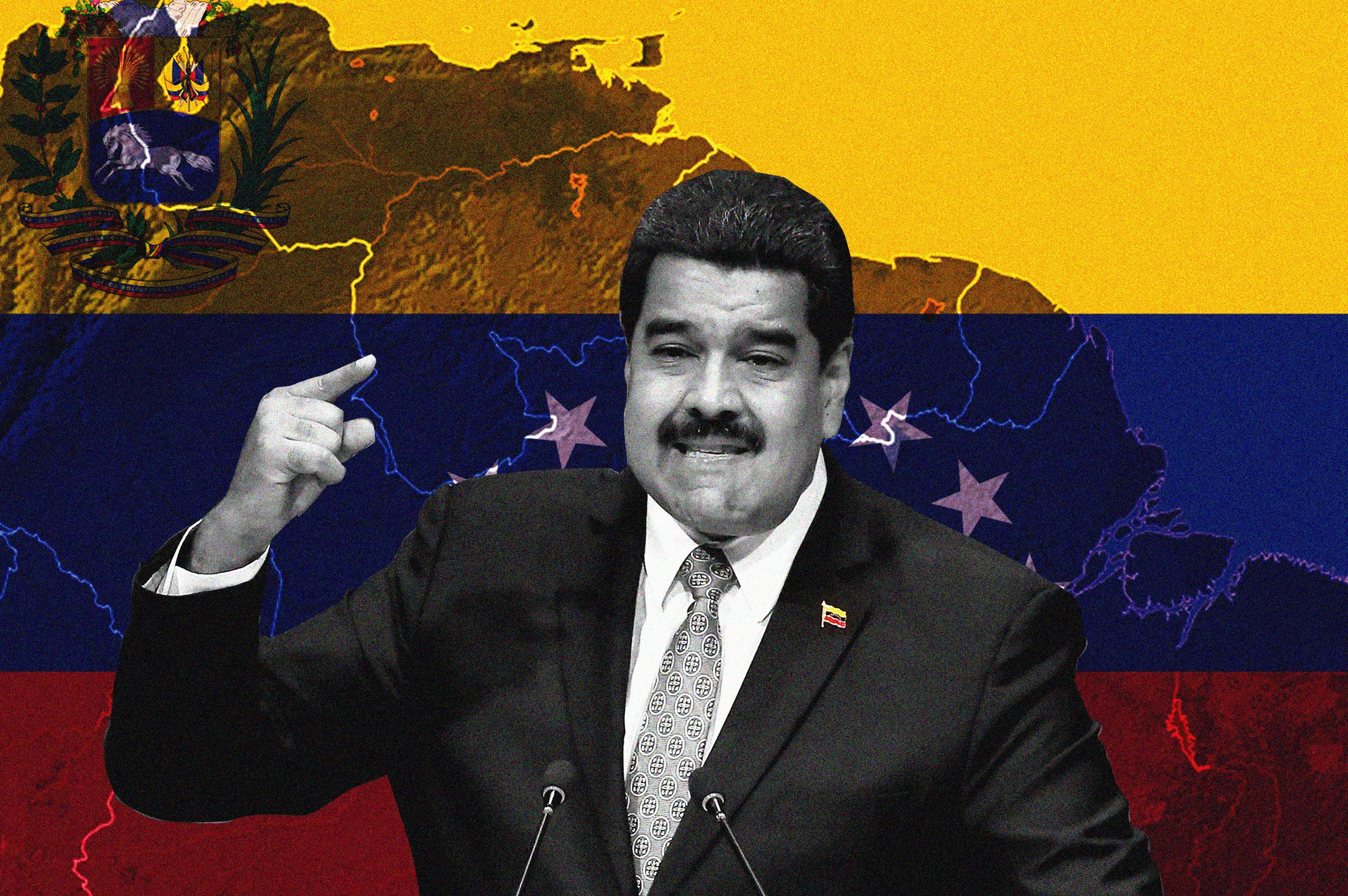
The political landscape of Venezuela has undergone a seismic shift following the capture and removal of Nicolás Maduro. For years, the nation sat atop the world’s largest proven oil reserves while its people faced economic ruin, hyperinflation, and a humanitarian crisis. Now, with a transition of power underway, the international community is scrambling to answer the trillion-dollar question: How do you rebuild a shattered economy when the coffers are empty?
The answer, inevitably, points back to the resource that defined Venezuela’s rise and fall: oil.
Emerging proposals suggest an “Oil-for-Cost” strategy—a mechanism to leverage the country’s vast hydrocarbon wealth to fund its own recovery and pay down the immense costs of reconstruction. It is a concept that sounds straightforward on paper: pump the oil, sell it to international partners (primarily the United States), and use the proceeds to stabilize the nation. However, the reality on the ground—rotting infrastructure, complex sanctions, and a volatile energy market—makes this plan far more complicated than a simple transaction.
This post explores the mechanics of the proposed oil recovery plan, the staggering technical and legal hurdles standing in its way, and whether Venezuela’s black gold can truly serve as the lifeline the country so desperately needs.
What Is the “Oil-for-Cost” Plan?
At its core, the “Oil-for-Cost” plan is a pragmatic approach to solvency for a cash-poor nation. The concept revolves around Venezuela transferring significant quantities of crude oil to international partners—specifically the United States—in exchange for revenue that is strictly earmarked for rebuilding infrastructure and covering the transitional costs of a new government.
Recent discussions and announcements from U.S. leadership have floated specific figures, suggesting the transfer of 30 to 50 million barrels of Venezuelan oil to the U.S. for sale. The logic is twofold: it provides the U.S. with a steady supply of heavy crude (which its Gulf Coast refineries are specifically designed to process) and generates immediate capital for Venezuela without requiring upfront cash loans that the country cannot repay.
How it differs from Petrocaribe
It is crucial to distinguish this proposal from historical arrangements like Petrocaribe. Launched in 2005, Petrocaribe was a geopolitical tool used by the Chavez administration to supply oil to Caribbean and Central American nations on preferential payment terms. It was essentially a system of soft loans and deferred payments designed to buy political influence.
In contrast, the “Oil-for-Cost” model is not about regional influence or deferred debt. It is a recovery mechanism. The focus is on immediate monetization of assets to pay for the direct costs of reviving the oil industry itself and stabilizing the macroeconomy.
Venezuela’s Oil Sector Before and After Maduro
To understand the scale of the challenge, one must look at the history of Petróleos de Venezuela, S.A. (PDVSA). Decades ago, PDVSA was the crown jewel of Latin America—a highly efficient, technocratic state company that collaborated with international majors to produce millions of barrels per day.
Following nationalization trends and the subsequent purging of skilled management under the Chavez and Maduro administrations, the sector began a slow, painful decline. Routine maintenance was ignored, profits were siphoned for social programs rather than reinvested in infrastructure, and corruption became endemic.
The result was a collapse in production. From a peak of over 3 million barrels per day in the late 1990s, output plummeted to under 1 million barrels per day in recent years. Today, the infrastructure is a shadow of its former self. Rusted pipelines, idle refineries, and empty export terminals define the landscape. Yet, despite this decay, oil remains central to any recovery plan simply because Venezuela has few other exports capable of generating the billions of dollars needed for reconstruction.
The Trump-Era Oil Strategy Explained
The current discourse around “Oil-for-Cost” echoes strategies discussed during the Trump administration and resurfaced by U.S. leadership. The overarching narrative suggests a symbiotic relationship: Venezuela has the oil, and the U.S. has the refining capacity and technical expertise.
A key component of these proposals involves reimbursing U.S. oil companies for the capital required to rebuild Venezuela’s industry. American energy giants, specifically those with historical ties to the region like Chevron, would likely lead the charge in repairing rigs and upgrading facilities. The “Oil-for-Cost” model implies that their payment would effectively come from the production they help restore.
This strategy aims to bypass the need for massive taxpayer-funded foreign aid packages. Instead, the recovery pays for itself—eventually. By incentivizing private American companies to do the heavy lifting, the plan theoretically minimizes risk for the U.S. government while accelerating Venezuela’s return to the global energy stage.
Feasibility: Can It Work Economically?
While the strategy is logically sound, the economic feasibility faces severe scrutiny from energy analysts. The primary issue is the sheer cost of repair. Estimates for restoring Venezuela’s oil infrastructure to pre-crisis levels run into the tens of billions of dollars and spans years, if not a decade, of work.
The Investment Climate
For this plan to work, private oil companies must be willing to invest massive amounts of capital upfront. However, the investment climate in Venezuela remains incredibly risky. Years of expropriations and defaulted contracts have made foreign investors wary.
Analysts caution against expecting immediate results. Even if the political situation stabilizes overnight, the physical degradation of the oil fields means production cannot be ramped up instantly. There is no “switch” to flip. Consequently, the revenue stream expected to fund the recovery might trickle in rather than flood, potentially stalling humanitarian relief efforts.
Technical Barriers and Infrastructure Challenges
Venezuela faces a unique geological challenge: its oil is incredibly heavy. The crude from the Orinoco Belt is like tar—it needs to be diluted with lighter fuels or upgraded in specialized facilities before it can be transported and sold.
The Crumbling Supply Chain
The specialized infrastructure required for this heavy crude—upgraders, blending facilities, and distinct pipelines—has suffered the most from neglect. Reports indicate that many upgraders are offline or operating at a fraction of their capacity due to a lack of spare parts and skilled labor.
Furthermore, basic logistics are broken. To export 30 to 50 million barrels, you need functioning ports, reliable electricity to run the pumps (in a country plagued by blackouts), and a secure environment for workers. The capital required just to reach a baseline of operational stability is staggering. Without addressing the power grid and security first, drilling new wells is a moot point.
Political and Legal Roadblocks
Beyond the rusty pipes lie the legal minefields. The transition of power does not immediately resolve questions of legitimacy, debt, and ownership.
Sovereign Debt and Creditors
Venezuela owes roughly $150 billion to various creditors, including bondholders, China, and Russia. If PDVSA starts generating revenue again, these creditors will be lining up to seize assets or garnish payments. An “Oil-for-Cost” plan could easily get bogged down in international courts if bondholders feel they are being bypassed in favor of U.S. interests.
The Optics of Exploitation
There is also a significant political risk regarding sovereignty. If the recovery plan is perceived as the U.S. simply “taking” Venezuelan oil to pay itself back, it could fuel civil unrest and delegitimize the new transitional government. The narrative must be carefully managed to ensure it is viewed as a partnership for reconstruction, not an extraction of wealth by a foreign power.
Global Oil Market Implications
A common fear—or hope, depending on who you ask—is that a Venezuelan recovery will crash global oil prices. However, market realities suggest otherwise.
Because the infrastructure damage is so severe, Venezuela’s return to the market will be slow. It will not flood the market with millions of barrels overnight. Therefore, the immediate impact on global benchmarks like Brent or WTI is likely to be negligible.
However, Venezuela’s heavy crude serves a specific niche. Refineries in the U.S. Gulf Coast, India, and China are built to process this specific type of oil. An increase in Venezuelan supply would likely ease prices for heavy crude specifically, helping refiners who have faced tight supplies since sanctions were imposed. This creates a natural market for the oil, ensuring that if Venezuela can produce it, there will be buyers.
Comparisons with Historical Oil Deals
History offers cautionary tales regarding oil-for-assistance deals. The Petrocaribe arrangement, while politically popular at the time, ultimately failed to create sustainable economic growth for its members and left Venezuela with unpaid debts when oil prices crashed.
Other concessionary agreements in the developing world have often led to a “resource curse,” where the influx of oil money fuels corruption rather than development. The “Oil-for-Cost” plan must include rigorous oversight mechanisms to ensure the revenue is actually deployed for infrastructure and social services, rather than vanishing into offshore accounts.
What Success Would Look Like
For the “Oil-for-Cost” plan to be deemed successful, it must hit specific milestones across three timelines:
- Short-term (0-12 months): Stabilization of current production levels to prevent further decline. Securing the electrical grid to power oil fields. Clear legal frameworks established for foreign partners.
- Mid-term (1-5 years): Rehabilitation of upgraders and refineries. A return of major international oil service companies (like Halliburton and Schlumberger). Production creeping back toward 1.5 million barrels per day.
- Long-term (5+ years): A diversified economy where oil revenue funds education, agriculture, and technology, rather than serving as the sole lifeline.
The Road Ahead for Venezuela
The removal of the Maduro regime opens a door that has been welded shut for years, but walking through it requires navigating a labyrinth of economic ruins. The “Oil-for-Cost” plan is perhaps the only viable option available to a country that is asset-rich but cash-poor.
However, we must temper optimism with realism. The oil is valuable, but it is trapped beneath the ground by decades of neglect and legal entanglements. Unlocking it will require an unprecedented level of international cooperation, billions in high-risk capital, and patience from a population that has already waited too long for relief.
The plan looks promising on paper. Making it work in the mud of the Orinoco Belt is a different challenge entirely.
Frequently Asked Questions
What is the “Oil-for-Cost” plan in Venezuela?
It is a proposed economic strategy where Venezuela transfers crude oil to international partners (primarily the U.S.) to generate immediate revenue. This revenue is strictly earmarked to pay for the costs of rebuilding the country’s infrastructure and funding the transitional government, rather than accumulating more national debt.
How realistic is Venezuela’s oil recovery after Maduro’s removal?
Recovery is possible but will be slow. While the reserves exist, the infrastructure (pipelines, refineries, pumps) is in a state of severe decay. Experts estimate it will take tens of billions of dollars and several years to return production to pre-crisis levels.
What are the major obstacles to increasing Venezuelan oil production?
The main obstacles are the physical degradation of oil facilities, a lack of reliable electricity to run operations, a shortage of skilled labor, and complex legal issues regarding sanctions and sovereign debt owed to international creditors.
How could the plan affect global oil markets?
The impact would likely be minimal in the short term. Because production will ramp up slowly, Venezuela will not flood the market. However, it would provide a welcome source of heavy crude for refineries in the U.S. and Asia that are specifically designed to process that type of oil.
Stay Ahead of the Energy Transition
The situation in Venezuela is developing rapidly, with implications for global energy markets and geopolitics. To stay informed on how these shifts affect the economy and international relations, subscribe to our newsletter for weekly in-depth analysis and updates.
Leave a Reply