

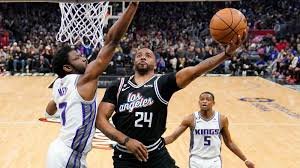
Traveling to Los Angeles to face the Clippers at Crypto.com Arena is never just another game on the schedule. It is a litmus test. For the Sacramento Kings, a team with aspirations of not just making the playoffs but making noise within them, these matchups against veteran, star-studded squads are where you measure your actual growth. Unfortunately, this latest trip to Southern California resulted in a stumbling block rather than a stepping stone.
The Kings struggled to keep pace with a Clippers team that executed with surgical precision down the stretch. While the final score indicates a loss, the game tape reveals a more complex story. It wasn’t a lack of effort that doomed Sacramento; it was a lack of execution in critical moments and specific structural breakdowns that the Clippers were all too happy to exploit.
This loss raises important questions about the team’s current trajectory. Are the defensive issues a temporary blip or a systemic flaw? Can the offense sustain itself when the primary scorers go cold? As the team heads back to the locker room to regroup, fans and analysts alike are left dissecting exactly what went wrong. Here is a deep dive into the three biggest takeaways from the Kings’ tough night in LA.
Takeaway 1 — Defensive Breakdowns Cost the Kings
If there is one consistent theme that haunts teams trying to climb the Western Conference ladder, it is defensive consistency. Against the Clippers, the Kings’ defense didn’t just bend; it broke at the most inopportune times. The issues weren’t isolated to one player or one quarter. They were systemic, involving communication failures and an inability to contain the point of attack.
Perimeter defense issues
The modern NBA is a perimeter-oriented game, and the Clippers possess some of the most dangerous isolation scorers in the league. The Kings struggled mightily to stay in front of their assignments. Too often, Sacramento defenders were caught reaching or biting on pump fakes, allowing the Clippers’ guards to penetrate the paint.
Once the paint was compromised, the defense collapsed, leaving shooters wide open in the corners. The Clippers moved the ball effectively, finding the open man time and time again. The Kings’ closeouts were often a step slow, resulting in uncontested three-point looks that essentially buried any chance of a comeback. You cannot trade two points for three points repeatedly and expect to win on the road.
Transition lapses
Perhaps more frustrating than the half-court struggles was the transition defense. The Kings are a team that thrives on speed, but they failed to get back on defense after missed shots or turnovers. The Clippers pushed the pace unexpectedly, catching Sacramento napping.
There were multiple sequences where Kings players were seen jogging back or complaining to officials while the Clippers were already laying the ball in on the other end. These are free points. In a game decided by a handful of possessions, giving up easy transition buckets is a recipe for disaster. It showed a lack of focus that a veteran team like the Clippers will always punish.
Clippers exploiting mismatches
Ty Lue is known for hunting mismatches, and he did exactly that against the Kings. The Clippers relentlessly targeted Sacramento’s weaker defenders, forcing switches that left big men guarding agile guards or smaller guards trying to defend powerful forwards in the post.
The Kings failed to counter this strategy. They didn’t scramble out of bad matchups quickly enough, nor did they send help defense effectively. The result was the Clippers getting exactly the shot they wanted, possession after possession. Until the Kings learn to pre-switch or hedge more aggressively to protect their liabilities, savvy teams will continue to pick them apart.
Takeaway 2 — Offensive Inconsistency Hurt Momentum
The Kings have built their identity on a high-octane offense that moves the ball and scores in bunches. When the engine is humming, they are one of the most exciting teams to watch in the league. However, the engine sputtered in Los Angeles. The flow that usually defines their game was replaced by hesitation and stagnation.
Cold shooting stretches
Every team has off nights shooting the ball, but the timing of the Kings’ cold stretches was particularly damaging. Just as the defense would get a stop, the offense would come up empty. Open looks that usually drop rattled out.
The issue wasn’t just missing shots; it was how the misses affected the team’s psyche. As the shooting percentage dipped, the energy on the floor seemed to evaporate. Players started aiming the ball rather than shooting it with confidence. The spacing on the floor shrank, allowing the Clippers’ defense to pack the paint and dare the Kings to beat them from deep—a challenge Sacramento couldn’t meet on this night.
Ball movement vs isolation
When the Kings are at their best, the ball never sticks. It zips from side to side, finding the cutter or the open shooter. Against the Clippers, the offense devolved into “hero ball.” Frustrated by the lack of scoring, key players tried to take over individually, leading to forced shots and difficult drives into traffic.
The assist numbers tell the story. The low assist total reflects a team that stopped trusting the system. Isolation basketball plays right into the hands of a team like the Clippers, who have excellent individual defenders. By stopping the ball movement, the Kings made the Clippers’ defensive job significantly easier.
Missed opportunities in key moments
Great teams execute when it matters most. In the fourth quarter, the Kings had several chances to cut the lead to a single possession. A turnover here, a missed free throw there, and a botched layup prevented them from putting real pressure on Los Angeles.
These missed opportunities kill momentum. It is demoralizing to work hard on defense to get a stop, only to throw the ball away on the ensuing possession. The Kings lacked the poise required to steal a game on the road, settling for bad shots early in the shot clock instead of working for a high-percentage look.
Takeaway 3 — Depth and Rotations Remain a Concern
The NBA season is a marathon, and depth is usually what separates the contenders from the pretenders. In this matchup, the disparity between the two benches was glaring. While the Kings’ starters fought hard, the production dropped off significantly when the second unit checked in.
Bench production gaps
The plus/minus differential for the Kings’ bench was alarming. The second unit struggled to generate offense, often going minutes without a meaningful basket. Without a spark plug off the bench to stabilize the scoring, the starters were forced to carry an incredibly heavy load.
This puts immense pressure on the starting five to play perfectly. If the bench cannot simply maintain the lead—or at least keep the deficit manageable—it forces the coach to play the starters heavy minutes, leading to fatigue late in games. The Clippers got significant contributions from their reserves, which kept their stars fresh for closing time.
Matchup challenges
The rotation decisions also highlighted some roster construction issues. The Kings lacked the size and length to match up with the Clippers’ wings coming off the bench. When the Clippers went big, the Kings looked small. When the Clippers went small, the Kings looked slow.
Finding the right combinations is the coaching staff’s job, but they can only play the hand they are dealt. There is a clear need for another lengthy wing defender who can knock down a shot, someone who can stay on the floor against versatile lineups without becoming a defensive liability.
Rotation decisions
Questions will likely be asked about the timing of substitutions. Some starters sat for extended periods in the second half just as the Clippers were making their run. By the time they returned, the momentum had shifted entirely.
Balancing rest with game flow is an art form, and in this game, the balance was off. Riding the hot hand is important, but so is recognizing when a lineup isn’t working. The coaching staff stuck with certain struggling rotations a few possessions too long, and against a team as dangerous as the Clippers, that hesitation was costly.
Key Moments That Defined the Game
Games are often decided by a few pivotal sequences. Looking back at the tape, three specific phases swung the game in Los Angeles’ favor.
Momentum-shifting runs
The third quarter has been a problem area for the Kings occasionally this season, and it bit them again here. Coming out of halftime, the Clippers went on a 12-2 run that effectively erased the Kings’ halftime adjustments. It turned a competitive game into an uphill battle. The Kings looked shell-shocked and took two full timeouts to stop the bleeding, but the damage to their confidence was already done.
Late-quarter execution
Closing out quarters is crucial for maintaining morale. In both the second and third quarters, the Kings allowed the Clippers to score on their final possessions. Instead of heading into the break with momentum, they went in frustrated. These “swing” points—points scored in the final seconds—are psychological blows that accumulate over 48 minutes.
Missed chances to close the gap
Midway through the fourth, the Kings managed a brief surge of energy, forcing three consecutive stops. They had the ball with a chance to cut the lead to four. Instead, they committed an unforced turnover that led to a Clippers dunk on the other end. That four-point swing sucked the air out of the Kings’ bench and effectively ended their comeback bid.
Standout Performances
Despite the disappointing result, not everything was negative. Analyzing individual performances gives us a glimpse into who stepped up and who dictated the flow of the game.
Clippers’ Impact Players
It is impossible to ignore the dominance of the Clippers’ stars. They controlled the tempo from the opening tip. They didn’t let the Kings speed them up. Their ability to get to their spots on the floor and rise over defenders was a masterclass in offensive efficiency.
Defensively, their anchors in the paint altered countless shots. Even when the Kings beat their man off the dribble, the looming presence at the rim forced difficult adjustments and missed layups.
Kings’ Notable Efforts
For Sacramento, there were bright spots. The hustle was there. Several players kept possessions alive with offensive rebounds, fighting for loose balls even when the shots weren’t falling.
One or two starters managed to find their rhythm late, padding the stats but also showing a refusal to quit. These players attacked the rim relentlessly, trying to draw fouls to stop the clock. While it wasn’t enough to secure a win, that competitive fire is what the team will need to rely on moving forward.
What This Loss Means for the Kings Going Forward
One game does not define a season, but in the crowded Western Conference, every loss feels heavier. The margin for error is razor-thin.
Playoff positioning implications
This loss drops the Kings down a peg in the standings. It’s tight in the middle of the pack, where a two-game losing streak can send a team from the 4th seed to the play-in tournament. Losing to a direct competitor like the Clippers also hurts tie-breaker scenarios down the road. It puts added pressure on Sacramento to win their upcoming games against lower-tier opponents to make up the ground.
Areas needing immediate improvement
The coaching staff has plenty of video to review. The immediate focus must be on perimeter defense and defensive communication. They need to drill transition defense until it becomes muscle memory. Offensively, the emphasis has to return to ball movement. Trusting the pass and moving without the ball are non-negotiables for this team to succeed.
Adjustments for upcoming games
Looking ahead, expect to see some tweaks to the rotation. The staff might experiment with different lineups to find a spark for the second unit. We might see them play smaller and faster to counteract their size disadvantage, or perhaps give more minutes to defensive specialists to set a tougher tone early in games.
Conclusion
The Kings’ loss to the Clippers serves as a harsh reminder of the levels to this game. It was an instructive night, revealing the gaps that still exist between Sacramento and the conference’s elite tier. However, it was not disastrous. The flaws exposed—defensive lapses, stagnant offense, bench struggles—are fixable.
The season is long, and resilience is the hallmark of a playoff team. The Kings have bounced back before, and they have the talent to do it again. The key will be taking the hard lessons from Los Angeles and applying them immediately. They don’t need to reinvent the wheel; they just need to execute it better.
Don’t miss the next tip-off! Stay updated with our full game previews and post-game analysis by subscribing to our newsletter below.
FAQ
Why did the Kings lose to the Clippers?
The Kings lost primarily due to defensive breakdowns on the perimeter, poor transition defense, and offensive stagnation during key stretches of the game.
What were the biggest takeaways from Kings vs Clippers?
The three main takeaways were the Kings’ struggle with perimeter defense, their offensive inconsistency when shots didn’t fall, and a lack of production from the bench compared to the Clippers’ depth.
How does this loss affect the Kings’ season?
This loss hurts their standing in the tight Western Conference race, potentially affecting seeding and tie-breaker scenarios against a direct playoff rival.
When do the Kings play next?
Check the official NBA schedule for the Kings’ next matchup as they look to bounce back from this road loss.
Leave a Reply