

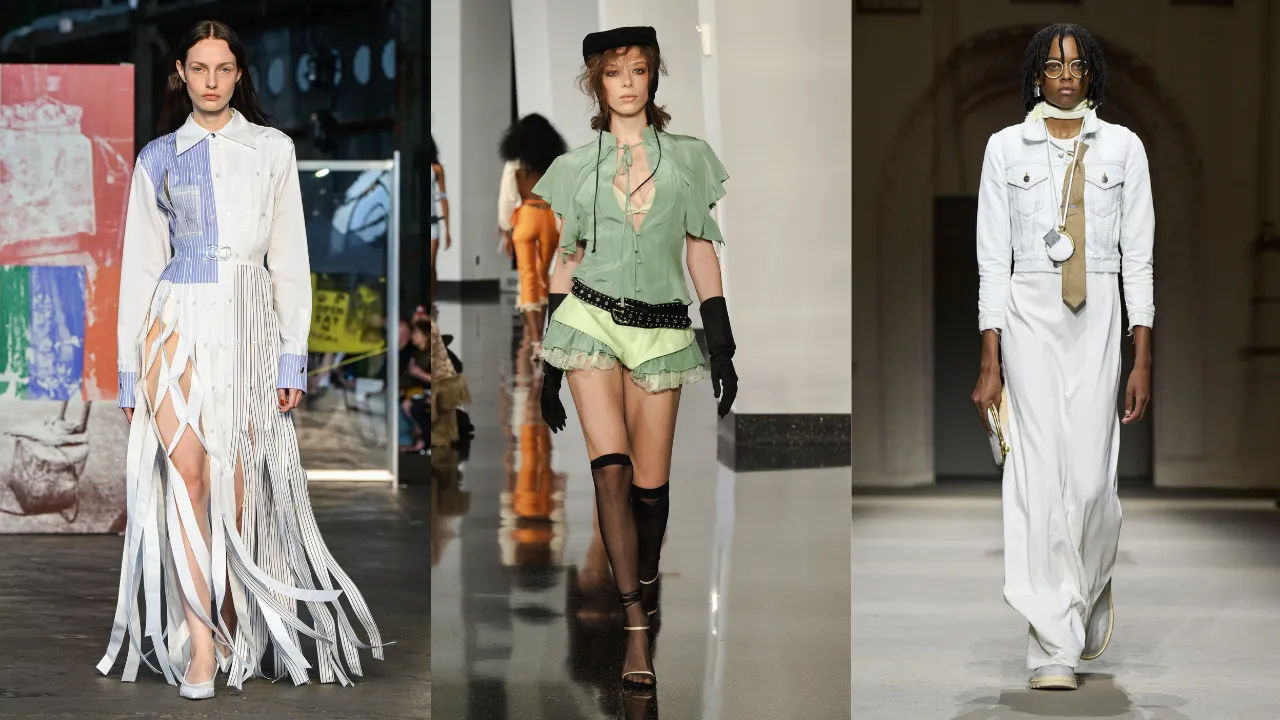
In 2026, sustainability isn’t merely fashionable — it’s a value-driven movement reshaping how Americans shop. Eco-conscious consumers want clothing brands that respect the planet and deliver style, quality, and transparency. From outdoor pioneers like Patagonia to minimalist favorites like Everlane and luxury innovators like Stella McCartney, sustainable fashion brands are proving you don’t have to sacrifice aesthetics for ethics. This list showcases the most beloved and impactful sustainable brands that Americans are choosing this year for wardrobes that matter.
The shift in American consumer habits has been nothing short of seismic. A few years ago, “eco-friendly” often conjured images of ill-fitting hemp sacks or limited color palettes. Today, the landscape is vibrant and versatile. Whether you are looking for high-performance athletic wear, boardroom-ready suits, or red-carpet glamour, there is a sustainable option available. This guide explores what it really means to be green in 2026, highlights the heavy hitters in the industry, and offers practical advice for building a closet that aligns with your values.
What Makes a Fashion Brand Sustainable?
Before diving into specific brands, it is essential to understand the criteria that separate true sustainability from “greenwashing”—a marketing tactic where companies claim to be environmentally friendly without implementing significant changes. In 2026, the bar has been raised. A brand isn’t sustainable just because it released one “conscious” collection; sustainability must be woven into the fabric of the entire operation.
Ethical Materials
The foundation of any garment is the material it is made from. Leading brands have moved away from virgin synthetic fibers like generic polyester, which relies on fossil fuels and takes centuries to decompose. Instead, the standard is now organic cotton (grown without harmful pesticides), recycled polyester (rPET) made from plastic bottles, and innovative bio-based fibers derived from materials like eucalyptus, hemp, and even agricultural waste. These materials significantly reduce the water, energy, and chemical footprint of production.
Transparent Supply Chains and Fair Labor
Sustainability is about people as much as it is about the planet. You cannot claim to be a sustainable brand if the people making your clothes are not paid a living wage or are working in unsafe conditions. Transparency is the watchword for 2026. The best brands can trace their products from the farm to the factory to the retail floor. They publish audits, disclose factory locations, and ensure that every hand that touched the garment was treated with dignity and respect.
Longevity Over Trends
The “fast fashion” model relies on planned obsolescence—making clothes that fall apart after a few washes so you have to buy more. Sustainable fashion flips this script. It prioritizes durability and timeless design. The goal is to create high-quality pieces that last for years, not weeks. This approach encourages a “slow fashion” mindset, where consumers buy fewer items but cherish them longer, ultimately reducing the sheer volume of textile waste ending up in landfills.
Circularity: Repair, Reuse, and Recycling
The linear “take-make-waste” model is being replaced by circularity. Forward-thinking brands are taking responsibility for the end-of-life of their products. This involves offering repair services to extend the lifespan of a garment, facilitating resale platforms for pre-loved items, and developing recycling technologies that can turn old clothes into new fibers. A truly sustainable brand considers what happens to its product when you are finished wearing it.
Top Sustainable Fashion Brands Americans Love in 2026
The following brands have captured the hearts (and closets) of Americans by proving that responsibility and style go hand-in-hand.
1. Patagonia – Outdoor Sustainability Pioneer
For decades, Patagonia has been the North Star of the sustainable fashion industry. While they are famous for their rugged outdoor gear, their impact extends far beyond the trail. They were among the first to switch exclusively to organic cotton and to use recycled materials in their fleece.
What sets Patagonia apart is their Worn Wear program. They actively encourage customers not to buy new if they don’t need to. They offer robust repair services to keep gear in action and sell used items at a discount. Furthermore, their commitment to environmental activism is unmatched; they tax themselves to support grassroots environmental groups and have structured their company ownership to ensure profits fight the climate crisis. In 2026, they remain the gold standard for corporate responsibility.
2. Everlane – Radical Transparency & Timeless Basics
Everlane disrupted the industry with a simple concept: “Radical Transparency.” They believe customers have the right to know exactly what their clothes cost to make. For every product, Everlane breaks down the costs of materials, labor, duties, and transportation, revealing their markup compared to traditional retail.
Stylistically, Everlane is the go-to for the modern American uniform. They specialize in high-quality basics—perfect tees, crisp denim, and cashmere sweaters—that defy trend cycles. By using organic cotton and committing to removing virgin plastic from their supply chain, they have solidified their place as a staple for those seeking a minimalist, responsible aesthetic.
3. Reformation – Stylish & Eco-Minded
Who says sustainable can’t be sexy? Reformation proved that eco-fashion could be incredibly chic and on-trend. Known for their flattering silhouettes, vintage-inspired dresses, and cute separates, Reformation captures the “cool girl” aesthetic without the environmental hangover.
They construct their garments from low-impact materials, rescued deadstock fabrics (leftover fabric from other fashion houses that would otherwise be thrown away), and vintage clothing. Reformation is carbon neutral and intensely focused on water conservation. They even include a “RefScale” on product pages, showing shoppers exactly how much water and carbon were saved by choosing their piece over a conventional alternative.
4. Allbirds – Sustainable Footwear & Apparel
Starting with a simple wool runner, Allbirds revolutionized the footwear industry by asking, “Why do we rely on synthetics?” They utilize incredible natural materials like Merino wool, which is breathable and temperature-regulating, and eucalyptus tree fiber, which creates a silky, cooling mesh.
Their innovation extends to the soles of their shoes, made from SweetFoam™, a material derived from sugarcane processing waste. Allbirds is a certified B Corp and is carbon neutral, meaning they offset any emissions they cannot eliminate. Their expansion into apparel maintains this same rigor, offering Americans comfortable, casual wear that treads lightly on the planet.
5. Stella McCartney – Luxury with a Conscience
Stella McCartney has long been the conscience of the luxury fashion world. As a lifelong vegetarian, she has never used leather, feathers, fur, or skin in any of her designs since launching her brand in 2001. At the time, this was unheard of in high fashion; today, it is visionary.
The brand constantly pushes the boundaries of material science. They have pioneered the use of “vegetarian leather,” regenerated cashmere, and even mushroom-based leather alternatives like Mylo™. Stella McCartney proves that luxury isn’t about excess; it’s about craftsmanship, innovation, and respect for life. Her collections offer sharp tailoring and bold designs for the consumer who wants high-end fashion without the ethical compromise.
6. Another Tomorrow – Transparent Eco Chic
Another Tomorrow creates luxury essentials for the modern woman, but their “tech-first” approach to transparency makes them unique. Every garment comes with a QR code. Scan it, and you get a complete digital passport of the item’s journey—where the wool was sheared, where the fabric was woven, and where the garment was stitched.
Based in NYC, the brand focuses on “customized responsibility.” They vet every supplier personally to ensure animal welfare and environmental standards are met. Their aesthetic is elegant and architectural, appealing to Americans who view their clothing as an investment portfolio rather than a disposable commodity.
7. BeGood Clothing – Socially Responsible Basics
For the shopper who wants their purchase to do immediate good, BeGood Clothing is a standout favorite. This San Francisco-based brand operates on a model where every purchase supports a specific environmental or humanitarian cause.
They focus on the staples of an American wardrobe—organic cotton t-shirts, underwear, and simple accessories. BeGood simplifies the process of ethical shopping. Their “True Cost” model ensures pricing is fair for the consumer while maintaining high ethical standards for the producers. It’s accessible sustainability for everyday life.
8. Big Bud Press – Sustainability & Inclusive Style
Big Bud Press brings a burst of color to the sustainable fashion scene. Based in Los Angeles, this brand is beloved for its rainbow-hued jumpsuits, durable work pants, and 70s-inspired aesthetics. They pride themselves on being sweatshop-free, with the majority of their manufacturing taking place locally in LA.
Crucially, Big Bud Press addresses a major gap in the sustainable market: size inclusivity. They offer a wide size range and unisex styles, ensuring that ethical fashion is accessible to more bodies. Their use of non-toxic dyes and durable cotton fabrics means their clothes are built to survive the wear and tear of daily life while looking incredibly fun.
How These Brands Align With Consumer Values
The success of these brands in 2026 isn’t accidental. It mirrors a profound shift in American psychology regarding consumption.
Transparency as Currency: Trust has become the most valuable currency in retail. Americans are increasingly skeptical of vague claims. Brands like Everlane and Another Tomorrow succeed because they offer data, not just slogans. Consumers want to verify the claims brands make, and transparency builds that necessary bridge of trust.
Quality Over Quantity: The “haul” culture of the 2010s is fading. The mantra has shifted to “buy less, buy better.” Inflation and economic shifts have made consumers more mindful of their spending. Spending $100 on a pair of jeans that lasts five years is seen as smarter than spending $30 on a pair that rips in five months.
Identity and Ethics: Wearing a logo is no longer just a status symbol; it’s a value signal. Wearing Patagonia or Reformation tells the world something about who you are and what you care about. Americans are using their purchasing power as a form of voting, choosing brands that align with their concerns about climate change and human rights.
Tips for Shopping Sustainable Fashion in 2026
Building a sustainable wardrobe is a journey, not an overnight overhaul. Here is how to navigate the market effectively this year.
Check Certifications
Don’t just take a brand’s word for it. Look for third-party certifications that verify claims.
- GOTS (Global Organic Textile Standard): The leading standard for organic fibers.
- Fair Trade Certified: Ensures workers are paid fair wages and work in safe conditions.
- B Corp Certification: Indicates a company meets high standards of social and environmental performance.
- OEKO-TEX: Guarantees fabrics are free from harmful chemicals.
Prioritize Repair and Resale Programs
Before buying, check if the brand supports the lifecycle of the product. Do they have a repair policy? Is there a dedicated resale site (like Patagonia’s Worn Wear or Reformation’s ThredUp partnership)? Supporting brands with these programs ensures you have options if your garment gets damaged or if you eventually want to part with it responsibly.
Consider Second-Hand First
The most sustainable garment is the one that already exists. Platforms like The RealReal, Poshmark, and Depop are thriving in 2026. Many of the brands listed above can be found on these sites in excellent condition. Buying second-hand reduces the demand for new production and keeps perfectly good clothes out of landfills.
Balance Aesthetic with Impact
Sustainability shouldn’t mean sacrificing your personal style. If you buy a “sustainable” shirt but hate the fit and never wear it, that’s waste. Be honest about what you actually wear. Invest in pieces that fit your lifestyle and your body. If you love a brand like Big Bud Press but work in a conservative law firm, maybe opt for their accessories rather than a neon jumpsuit. The most sustainable item is the one you wear 30 times or more.
A Future-Proof Wardrobe
Sustainable fashion isn’t just a trend — it’s shaping American wardrobes for the long haul. The brands highlighted here are not outliers; they are the leaders of a new industry standard. They prove that you don’t have to choose between looking good and doing good.
As we move through 2026, every purchase is an opportunity to support a system that values the environment and human dignity. Whether you are investing in a lifetime coat from Patagonia, a fun jumpsuit from Big Bud Press, or just buying less in general, you are part of the solution. Explore these brands, ask questions, and wear your values with pride.
Leave a Reply