

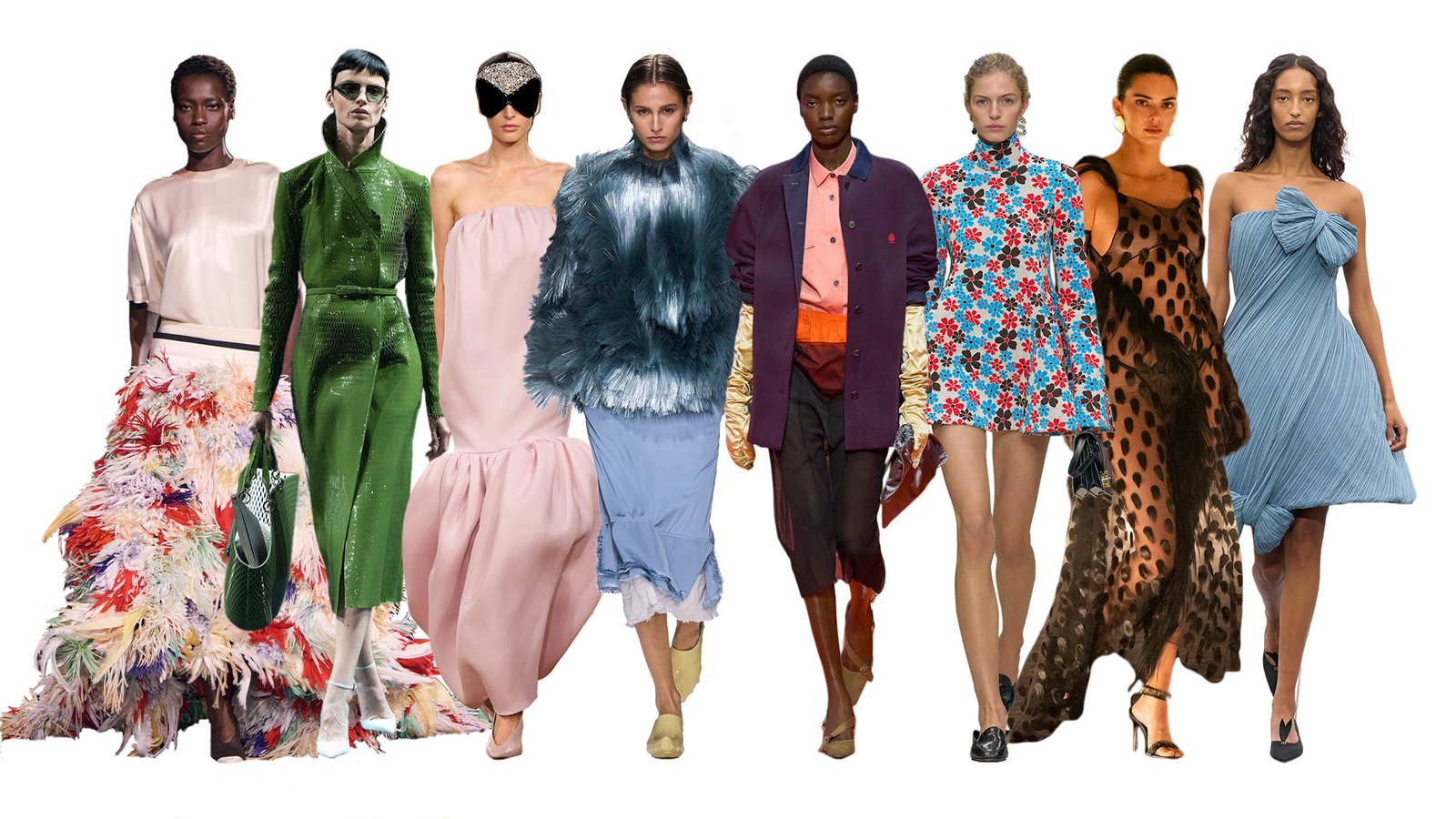
American fashion in 2026 reflects a powerful blend of creativity, comfort, and consciousness. As sustainability becomes a priority and personal expression takes center stage, the trends shaping the USA’s fashion scene go beyond aesthetics — they represent a shift in how people dress, shop, and express identity.
The evolution of fashion in the United States has always been dynamic, often serving as a mirror to broader societal changes. Looking back, we saw the rigid structures of the 50s give way to the free-spirited 70s, and the excess of the 80s eventually bow to the grunge minimalism of the 90s. Now, as we approach the latter half of the 2020s, the driving forces are distinct: lifestyle shifts toward hybrid living, rapid technological integration, and an urgent demand for environmental responsibility.
What makes 2026 different isn’t just a new silhouette or a “color of the year.” It’s the mindset. Consumers are no longer passive participants; they are demanding transparency, utility, and inclusivity. The runway is no longer the sole dictator of style. Instead, the streets of New York, the tech hubs of San Francisco, and the digital feeds of everyday Americans are co-writing the rules. This article explores the defining fashion movements Americans will embrace in 2026, offering a comprehensive look at the future of your wardrobe.
Sustainable & Eco-Friendly Fashion Goes Mainstream
Sustainability is no longer a niche market or a buzzword slapped onto a hangtag; by 2026, it is the baseline expectation for American consumers. The days of “greenwashing” are fading as shoppers become savvy enough to demand verifiable proof of ethical practices.
Recycled and Organic Fabrics
Expect to see a massive surge in innovative materials. Traditional cotton is being supplemented—and often replaced—by organic variants that use significantly less water. Even more exciting is the normalization of recycled fabrics. Polyester made from ocean plastics, leather alternatives derived from mushrooms (mycelium) or cactus, and textiles created from agricultural waste are becoming standard fixtures in stores ranging from luxury boutiques to mass-market retailers.
Slow Fashion and Capsule Wardrobes
The “haul” culture of previous years is being replaced by a “less is more” philosophy. The concept of the capsule wardrobe—a curated collection of versatile, high-quality pieces—has gone mainstream. Americans are investing in garments that are designed to last years, not weeks. This shift supports the slow fashion movement, where the focus is on craftsmanship and timeless design rather than chasing fleeting micro-trends.
Ethical Brands Gaining Popularity
Brands that prioritize fair wages, safe working conditions, and supply chain transparency are winning loyalty. In the US, companies that can tell a clear, honest story about where their clothes come from are seeing exponential growth. The American consumer is increasingly voting with their wallet, supporting businesses that align with their personal values regarding human rights and environmental stewardship.
Second-Hand and Resale Culture
Perhaps the most significant shift is the destigmatization and celebration of pre-loved clothing. Resale platforms have transformed into major economic players. Thrifting is no longer just for bargain hunters; it’s a status symbol of the eco-conscious. By 2026, wearing a vintage jacket or a second-hand designer bag is seen as a badge of honor, signaling both style savvy and environmental responsibility.
Comfort-First Fashion (Elevated Casual Wear)
The pandemic era fundamentally changed how Americans view comfort, and there is no going back. However, the “sloppy” sweatpants phase has evolved into something far more sophisticated: elevated casual wear.
Luxe Loungewear and Athleisure
Athleisure has matured. It’s no longer just about yoga pants; it’s about high-performance fabrics cut into elegant shapes. Luxe loungewear sets made from cashmere, merino wool, or high-quality bamboo blends are appropriate for the grocery store, the school run, and even casual social gatherings. The boundary between “gym clothes” and “real clothes” has all but dissolved.
Relaxed Tailoring
The suit isn’t dead, but it has softened. Rigid structures and tight fits are out. In their place is relaxed tailoring: oversized blazers with soft shoulders, wide-leg trousers with elasticated waistbands hidden by clever design, and shirts that drape rather than constrict. This trend allows for a polished look without sacrificing the physical ease Americans have grown accustomed to.
Comfortable Silhouettes for Daily Wear
Across the board, silhouettes are looser and more forgiving. Skinny jeans have largely been replaced by straight-leg, bootcut, and wide-leg styles. Dresses are flowy, and shirts are cut with room to move. The focus is on how the garment feels on the body, prioritizing tactile pleasure and freedom of movement.
Blending Workwear with Casual Styles
As hybrid work models solidify, the “Zoom shirt” phenomenon has evolved into a fully integrated wardrobe. Americans are mastering the art of the high-low mix—pairing a structured blazer with a premium t-shirt and clean sneakers. This “business comfort” aesthetic acknowledges that professional competence doesn’t require physical discomfort.
Bold Colors & Statement Prints
After years of neutrals and “sad beige” dominating social media feeds, 2026 sees a vibrant return to color. Fashion is becoming a tool for dopamine dressing—using clothing to boost mood and express joy.
Vibrant Hues Making a Comeback
Electric blues, sunset oranges, and radioactive greens are piercing through the monochrome. These aren’t just accents; they are being worn head-to-toe. This resurgence of color reflects a collective desire for optimism and energy after years of global uncertainty.
Color-Blocking Trends
Color-blocking is back, but with a modern twist. Instead of the high-contrast primaries of the 2010s, 2026 styling involves unexpected combinations—think lavender with mustard yellow, or teal with burnt sienna. It’s an artistic approach that allows individuals to play with the color wheel in creative ways.
Abstract and Artistic Prints
Prints are moving away from standard florals and stripes toward the abstract. Garments are treated as canvases for painterly strokes, digital distortions, and surrealist imagery. These prints serve as conversation starters, turning the wearer into a walking piece of art.
Retro-Inspired Patterns
Nostalgia plays a heavy role here, with psychedelic swirls from the 70s and geometric shapes from the 60s seeing a revival. However, they are updated with modern color palettes and fabrics, ensuring the look feels fresh rather than like a costume.
Tech-Driven & Smart Fashion
We live in a digital age, and our clothing is finally catching up. Tech-driven fashion in 2026 is about utility and integration, moving beyond gimmicks to provide genuine value.
Performance Fabrics with Tech Features
Everyday clothing now borrows heavily from extreme sports gear. Fabrics that are moisture-wicking, anti-microbial, and temperature-regulating are standard for office wear and date nights. Stain-resistant coatings and wrinkle-free technologies are saving Americans time and energy on laundry.
Smart Textiles and Wearable Fashion
We are seeing the early mainstream adoption of smart textiles. Jackets with built-in heating elements controlled by an app, socks that track running metrics, and yoga pants that offer haptic feedback to correct posture are becoming available at consumer price points. Fashion is becoming an interface.
Climate-Adaptive Clothing
As weather patterns become more unpredictable across the US, clothing is adapting. Modular garments—coats that turn into vests, pants that unzip into shorts—are popular. Additionally, fabrics developed to keep the wearer cool during heatwaves or dry during unexpected downpours are essential staples.
Fashion Meets Functionality
Pockets are back, and they are bigger and more plentiful than ever. The utility trend emphasizes cargo pants, vests with storage, and accessories designed to hold devices. The modern American needs to carry their world with them, and fashion is facilitating that lifestyle.
Gender-Neutral & Inclusive Styles
The binary boundaries of fashion continue to erode. In 2026, the focus is on the individual rather than the gender, leading to a more fluid and inclusive marketplace.
Rise of Unisex Fashion
Retailers are increasingly dedicating floor space to “gender-free” collections. These aren’t just oversized t-shirts; they are thoughtfully designed garments meant to fit a variety of body types regardless of gender. Skirts for men and tailored suits for women are common sights.
Fluid Silhouettes
Clothing cuts are moving away from accentuating traditional gender markers. Boxy shirts, drape-heavy tunics, and straight-cut pants offer a neutral canvas. This fluidity allows for greater personal expression, free from the constraints of traditional “menswear” or “womenswear.”
Inclusive Sizing as a Standard
The days of “extended sizing” being a separate, limited section are ending. Brands are expected to offer the same styles across a full spectrum of sizes. Inclusivity is no longer a marketing tactic but a requirement for doing business.
Minimalist Designs for All Genders
A minimalist aesthetic acts as a great equalizer. Clean lines, neutral colors, and simple functional designs appeal universally. This shared aesthetic simplifies shopping and allows for wardrobe sharing between partners and friends.
Retro Revival with a Modern Twist
Fashion is cyclical, and 2026 is mining the recent past for inspiration. The nostalgia cycle has accelerated, bringing the turn of the millennium back into sharp focus.
90s and Early 2000s (Y2K) Influence
The Y2K aesthetic remains a powerhouse. Low-rise jeans, baby tees, butterfly clips, and velour tracksuits are staples for Gen Z and younger Millennials. However, the 2026 version is more polished, mixing these chaotic elements with modern minimalism to create a balanced look.
Vintage Denim and Oversized Fits
Skinny jeans remain in hibernation. The denim of choice is vintage-inspired: rigid, non-stretch cotton in relaxed fits. Mom jeans, dad jeans, and baggy skater styles dominate. The washes are authentic, leaning towards classic indigo and stonewash.
Classic American Styles Reimagined
Americana is getting a remix. The varsity jacket, the cowboy boot, and the flannel shirt are being reinterpreted by diverse designers who are blending these classic symbols with streetwear and global influences. It’s a new definition of “All-American.”
Nostalgia-Driven Fashion Choices
This trend is powered by an emotional connection to the past. In a rapidly changing world, wearing styles that remind us of simpler times provides comfort. Brands are capitalizing on this by reviving archive pieces and collaborating with heritage IPs.
Statement Accessories
If clothing is becoming more relaxed, accessories are where the drama happens. In 2026, accessories are loud, proud, and functional.
Chunky Footwear and Platform Shoes
The obsession with chunky soles continues. Sneakers, boots, and loafers all feature exaggerated platforms. They add height, attitude, and a literal solid foundation to any outfit.
Oversized Bags and Utility Backpacks
Micro-bags are out; practical storage is in. “Ludicrously capacious” tote bags that can fit a laptop, gym gear, and groceries are the accessory of the year. Utility backpacks with multiple compartments cater to the commuter lifestyle.
Bold Jewelry and Minimalist Accessories
Jewelry trends are polarized. On one end, we see bold, sculptural gold and silver pieces that act as armor. On the other, ultra-minimalist chains and studs offer a subtle touch. Mixing metals is encouraged, breaking old fashion taboos.
Functional Fashion Add-ons
Accessories are working harder. Phone chains, water bottle holders, and belt bags allow for hands-free convenience. These items blur the line between tool and adornment.
Seasonal Fashion Trends in the USA (2026)
While trends are increasingly seasonless due to climate change and indoor living, distinct seasonal moods persist.
Spring/Summer Trends
Warmer months will embrace “barely there” fabrics—sheers, mesh, and open-knit crochet. The color palette will shift to aquatic blues and sandy beiges, reflecting a desire for nature. Cut-outs remain popular, offering ventilation and style.
Fall/Winter Layering Styles
Cold weather fashion is all about texture. Faux fur, chunky knits, and corduroy will be layered heavily. The “shacket” (shirt-jacket) remains a fall staple. Outerwear becomes the outfit, with statement coats in bold patterns serving as the primary look.
Regional Fashion Influences across the US
Geography matters. The West Coast drives the laid-back, eco-conscious athleisure look. The East Coast maintains a sharper, more tailored edge with dark neutrals. The South embraces bold prints and bright colors, while the Midwest prioritizes practical, durable workwear aesthetics.
How Americans Will Style These Trends
Adoption is personal. Here is how these high-level concepts translate to the sidewalk.
Everyday Wear vs. Occasion Styling
Daywear is heavily skewed toward comfort—think elevated joggers and smart sneakers. Occasion wear, conversely, is becoming more theatrical. Because people go out less often, when they do, they dress up. Sequins, velvet, and heels make a triumphant return for dinners and parties.
Social Media and Influencer Impact
TikTok and Instagram (or their 2026 successors) continue to drive micro-trends. “Cores” (like cottagecore or gorpcore) will pop up and vanish quickly. However, the broader macro-trends discussed here provide the base upon which these viral moments are layered.
Mixing Affordability with Premium Pieces
The high-low mix is the definitive American styling trick. A thrifted vintage tee is tucked into designer trousers. Fast fashion accessories are paired with an investment coat. It’s a democratization of style that values the final look over the price tag of individual components.
Fashion Trends to Watch Beyond 2026
As we look further toward the horizon, the intersection of biology and technology promises even wilder innovations.
AI-Designed Fashion
Algorithms will increasingly assist in design, predicting trends with uncanny accuracy and creating patterns that human minds might never conceive.
Custom-Fit Clothing
3D body scanning technology will become accessible via smartphones, allowing users to order clothes made to their exact measurements, drastically reducing returns and waste.
Sustainability Innovations
We will see the rise of bio-engineered textiles—leather grown in labs without animals and silks produced by fermentation. Circular fashion ecosystems, where brands take back old clothes to recycle into new ones, will become the industry standard.
Digital Fashion and Virtual Wardrobes
For the meta-verse and gaming generation, digital-only clothing will be a legitimate purchase. Why buy a physical gown for an Instagram photo when you can buy a digital filter that looks even better?
The Future of Your Closet
The fashion landscape of 2026 is an exciting place. It is a world where you don’t have to choose between looking good and feeling good, or between style and sustainability. The trends point toward a future that is more inclusive, more responsible, and more creative.
As you update your wardrobe, remember that the most enduring trend is authenticity. Whether you lean into the tech-wear revolution, embrace the retro revival, or stick to a minimalist capsule wardrobe, the goal is to find clothes that serve your life and tell your story.
Leave a Reply