


A chicken dinner is easier to organise when you choose the cooking method, a vegetable and something to serve alongside it before starting. Keep the first version simple, then vary flavourings once the routine works for you.
The ideas below are flexible meal methods, not tested promises of a fixed cooking time. Piece size, equipment and starting temperature affect cooking, so use the appropriate temperature check rather than the clock alone.
Prepare before heating
Read the method, gather ingredients and prepare ready-to-eat items separately from raw chicken. Thaw chicken safely and follow handling instructions. Do not wash raw poultry or let its juices contact salad, cooked food or clean utensils.
The FDA food-handling guide explains the basic routine. If you are new to cooking, the beginner kitchen guide helps organise the workspace and steps.
1. A simple pan-cooked dinner
Use boneless portions suited to your pan, season them and cook without overcrowding. Turn as needed and adjust the heat so the exterior does not burn before the centre is cooked. Follow a suitable recipe for the cut if you need detailed quantities.
Serve with a prepared vegetable and rice, potatoes or bread. Add a separate sauce or a small amount of stock to the pan after cooking if you want, while keeping raw-chicken utensils separate from the finished food.
2. A chicken and vegetable tray
Choose a roasting method for the chicken cut and prepare vegetables in sizes suited to their cooking needs. Do not assume every ingredient finishes at the same time. Use a separate tray or add ingredients in stages where the recipe calls for it.
Check the thickest part of the chicken with a food thermometer. USDA guidance specifies 165°F for poultry. Colour or clear-looking juices alone are not a substitute for that check.
3. A dinner using safely stored cooked chicken
Use cooked chicken within safe storage conditions and follow any package directions. Combine it with a freshly prepared sauce, cooked grain and vegetables, or use it in a soup suited to the quantity available.
Reheat leftovers to 165°F, following official guidance. Do not use reheating as a way to rescue food that was stored unsafely. For a vegetable side with a softer texture, see the long-cooked vegetable guide.
Keep the next meal straightforward
Refrigerate perishable leftovers promptly in suitable shallow containers. USDA leftover guidance gives the two-hour limit, reduced to one hour above 90°F, and storage limits for safely handled leftovers.
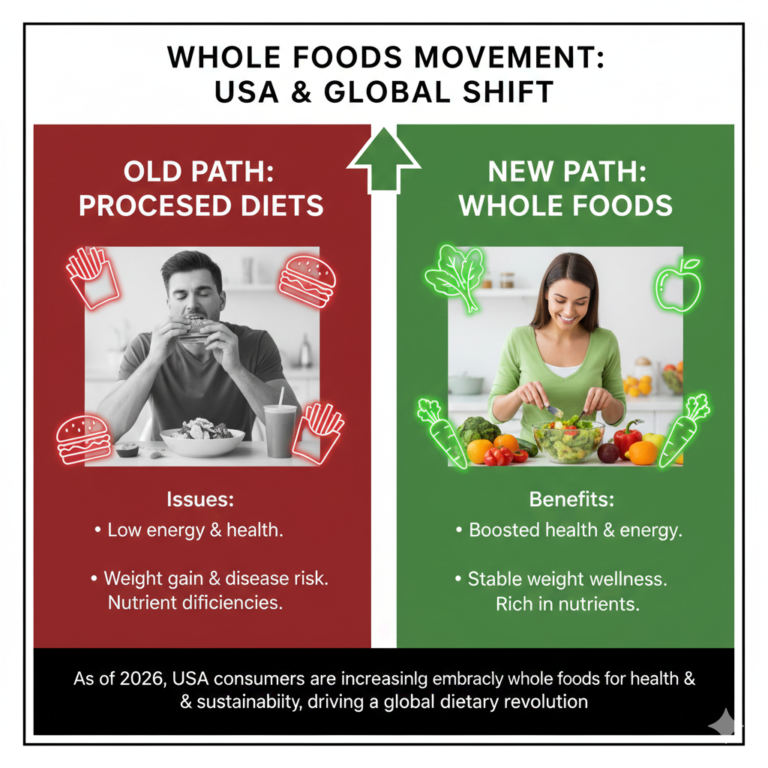
Label and plan what you will use rather than cooking extra without a storage plan. The whole-food meal planning guide offers ways to combine ordinary ingredients without turning every weekday dinner into a complicated project.

Leave a Reply