

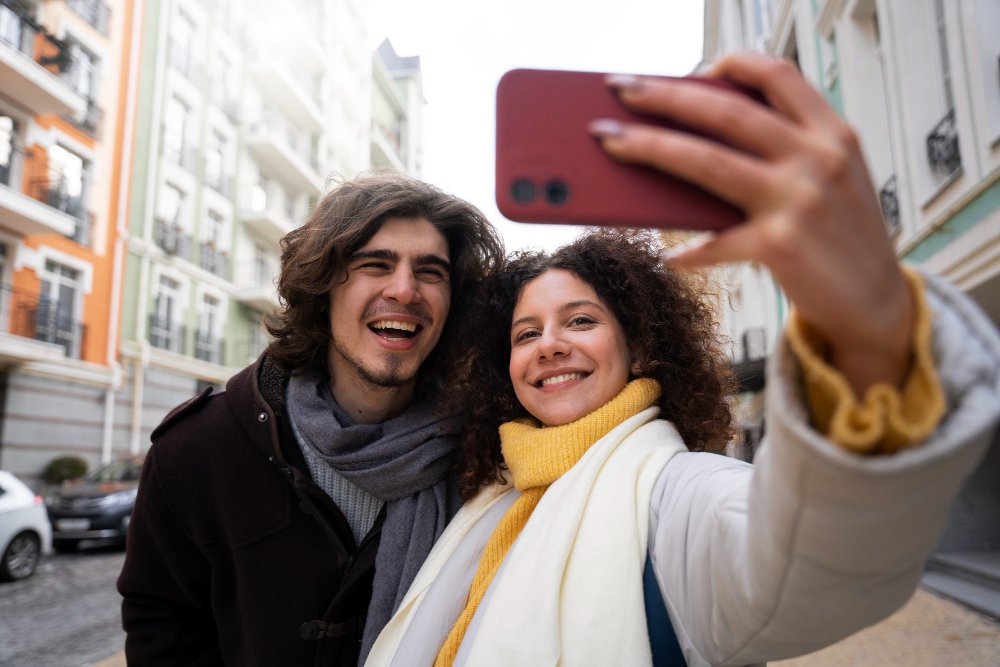
Introduction to the Selfie Revolution
The phenomenon of selfies has dramatically evolved over the past decade, transforming simple self-portraits into a significant mode of communication and self-expression. Initially popularized by social media platforms, selfies now play a pivotal role in how individuals present their identities and experiences to the world. This revolution began with rudimentary captured moments, often characterized by awkward poses and grainy quality. However, as smartphone technology advanced, so too did the sophistication and ubiquity of this form of self-documentation.
What began as a novelty has burgeoned into a cultural mainstay, influencing various aspects of society, from fashion trends to marketing strategies. The sheer accessibility of high-quality cameras and editing tools has democratized the ability to curate one’s image, prompting a shift in how people perceive themselves and others. The rise of platforms such as Instagram and TikTok has further propelled the selfie revolution, reinforcing the complexity of identity and community in a digital landscape.
In this modern era, selfies have transcended mere entertainment; they are now utilized as a powerful vehicle for personal expression and social commentary. This shift underscores the importance of visual narratives in contemporary interactions, where individuals seek to share their stories, beliefs, and values visually. As we delve deeper into the new wave of selfies, it is crucial to understand the intricate dynamics of self-representation that define our digital culture.
What’s New with Selfies? A Trend Analysis
The landscape of selfie-taking has evolved significantly in recent years, influenced by an array of social media platforms and emerging technologies. One notable trend is the rise of curated selfies, where individuals carefully select their backgrounds, poses, and even color schemes to resonate with a specific aesthetic. These curated selfies often reflect popular visual trends and are intended to elicit engagement and feedback from viewers. Such careful curation demonstrates a shift from spontaneous snapshots to more intentional representations of personal branding.
Additionally, themed selfies have emerged as a creative vehicle for self-expression. Individuals are now embracing various themes to enhance storytelling within their photos, ranging from seasonal celebrations to personal milestones. By aligning selfies with broader cultural events or personal narratives, users can foster deeper connections with their audience, inviting them into their lives in a visually engaging manner. This thematic approach not only showcases individuality but also encourages creativity in how images are presented.
To complement these trends, technology continues to play a pivotal role in enhancing the selfie experience. The integration of augmented reality filters and editing tools has transformed ordinary self-portraits into extraordinary visual experiences. Users now have access to diverse options, ranging from beauty enhancements to whimsical effects that can elevate the quality and appeal of selfies. Furthermore, advancements in smartphone camera technology, such as improved lens capabilities and processing algorithms, have significantly contributed to the overall clarity and detail of self-portraits.
As trends like curated and themed selfies proliferate, it is crucial to recognize the driving factors behind this phenomenon. User engagement is paramount; the desire for likes, shares, and comments often motivates individuals to adapt their selfie styles to align with current social media aesthetics. By understanding these dynamics, we can better appreciate the evolving nature of self-portraiture in our digital age.
Get Ready: The Art of Preparation
Taking a selfie may seem like a simple task, but the art of preparation can significantly influence the outcome of your self-portrait. To achieve a stunning selfie, it is essential to consider various aspects that contribute to your overall appearance and the photo’s quality. One of the primary elements to focus on is your outfit. Choosing attire that complements your physical features and aligns with the mood you wish to convey plays a crucial role in the preparation process. Therefore, it is advisable to select clothing that enhances your skin tone, highlights your best attributes, and reflects your personal style.
Alongside outfit selection, hair and makeup should not be overlooked. A well-styled hairdo can frame your face beautifully, while makeup can enhance your features, ensuring you look your best. When preparing for a selfie, consider the lighting and the environment. Natural light is often most flattering, so positioning yourself near a window during the day can yield incredible results. Alternatively, consider using a ring light for more controlled lighting conditions, particularly in dimmer settings.
Moreover, it is beneficial to prepare mentally before snapping the perfect shot. Approach the process with a positive mindset, as confidence can be reflected through the lens. Practicing various angles and expressions in front of a mirror can also help you discover your most flattering poses. Ultimately, taking the time to prepare adequately before capturing a selfie will enhance both the quality of the image and the overall experience, ensuring that you feel good and look great in your self-portrait.
The Role of Background and Ambiance
When it comes to capturing the perfect selfie, the background and ambiance play crucial roles in determining not only the aesthetic appeal of the photo but also how well it conveys the intended message or mood. Selecting the right backdrop can elevate a simple self-portrait to an engaging visual storytelling moment.
Natural environments often serve as ideal settings for selfies. Locations such as parks, beaches, or gardens provide vibrant colors and invigorating scenery that enhance the overall image quality. Natural light is another vital element; it complements the skin tone and reduces harsh shadows, resulting in a more flattering face. The golden hour, which occurs shortly after sunrise or right before sunset, offers particularly soft lighting that many photographers and selfie enthusiasts prefer.
Conversely, urban environments can yield striking contrasts and textures. Graffiti-covered walls, modern architecture, or bustling city streets can transform a selfie into an expression of contemporary lifestyle and personality. The dynamic nature of cities offers diverse backdrops, allowing individuals to project uniqueness and creativity in their self-portraits.
Indoors, the ambiance can be controlled more effectively. Thoughtfully arranged furniture, vibrant colors, or artistic displays provide an intimate context that can resonate with the viewer. For indoor selfies, natural light from windows is still advantageous but can be supplemented with strategic artificial lighting to enhance the overall visual impact.
Ultimately, the selection of backdrop and consideration of ambiance should be aligned with the personal brand or narrative that one wishes to convey through their selfie. Careful attention to these aspects can significantly enhance the quality and appeal of a self-portrait, ensuring it stands out in the increasingly saturated world of self-image sharing.
From Filters to Editing: Enhancing Your Selfie Experience
In the digital age, the art of the selfie has evolved, and so too have the tools that help refine and enhance these self-portraits. With a multitude of apps and features at our fingertips, enhancing selfies has become an integral part of the photography experience. When capturing a selfie, it’s essential to consider both the immediate appearance and the potential for post-capture enhancement.
One of the key aspects of selfie enhancement is the application of filters. Filters can dramatically alter the mood and aesthetics of a selfie, allowing individuals to present themselves in various ways. Popular applications such as Instagram and Snapchat offer an array of filters that can enhance skin tone, adjust lighting, and even add creative effects. When using filters, it is recommended to apply them judiciously to maintain authenticity. A subtle touch can elevate a photo, while over-application can lead to a loss of realism.
Aside from filters, numerous editing tools allow users to make precise adjustments. Applications such as Adobe Lightroom and VSCO provide options for altering brightness, contrast, saturation, and sharpness, enabling users to create a more polished final product. By employing these tools effectively, individuals can enhance their selfies without the need to drastically change their appearance.
However, the use of these editing tools is not without ethical considerations. The digital alteration of self-images can foster unrealistic beauty standards and create discrepancies between online personas and real-life appearances. It is crucial to strike a balance between enhancement and authenticity, promoting self-acceptance rather than conforming to idealized beauty norms. Users should be aware of the impact of their edited selfies on themselves and their audience.
In conclusion, filters and editing tools provide a wealth of opportunities for enhancing selfies, but with these tools comes the responsibility to use them ethically and thoughtfully. By striking the right balance between enhancement and authenticity, individuals can embrace the art of the self-portrait while remaining true to themselves.
Capturing Emotion: The Power of Authentic Expression
In today’s digital landscape, selfies have become more than mere photographs; they encapsulate emotions and tell personal stories. The essence of a strong selfie lies in the ability to capture authentic expressions that resonate with viewers. To convey genuine emotions, one must focus on the feelings being portrayed, whether it is joy, sadness, excitement, or contemplation. The subtleties in a smile or the depth reflected in the eyes can transform a simple image into a powerful statement.
Utilizing various techniques can greatly enhance the emotional impact of selfies. For instance, allowing natural light to illuminate the subject can emphasize facial features and create a softer, more relatable aesthetic. It’s also beneficial to consider the surroundings; including meaningful objects or locations in the frame can add context, enriching the emotional narrative. Moreover, engaging in candid moments often results in the most authentic expressions, as spontaneity captures the subject in an unguarded state, allowing true feelings to shine through.
In the context of social media, authenticity has an undeniable influence. Audiences are increasingly drawn to content that reflects reality rather than polished perfection. This highlights the importance of creating a connection with followers; displaying vulnerability or real-life moments can encourage deeper engagement and relatability. When a selfie resonates emotionally, it not only stands out among the crowd but also fosters a sense of community, as individuals relate to shared experiences.
Overall, while technical skills in photography can enhance visuals, the heart of a compelling selfie lies in the emotion it captures. By focusing on authenticity and embracing spontaneity, individuals can create self-portraits that genuinely reflect their inner selves—powerful representations of who they are and how they feel.
Engagement Strategies: Sharing Your Selfies
In today’s digital landscape, sharing selfies can significantly enhance your personal or brand visibility. To effectively engage your audience, it is vital to adopt strategies that boost interaction and encourage participation. Timing is crucial; posting during peak hours when your audience is most active can increase the likelihood of engagement. These hours vary depending on your target demographic, so monitoring your analytics will be beneficial.
Utilizing relevant hashtags is another effective strategy. Hashtags not only categorize your post but also amplify its reach. Using popular and trending hashtags, along with niche-specific ones, can help connect your selfies with a broader audience. Additionally, consider creating a unique hashtag for your personal or brand initiatives. This encourages your community to share their selfies using the same tag, fostering a sense of belonging among followers.
Calls to action (CTAs) are essential in guiding your audience on what to do next. Inviting your followers to comment, share, or recreate a particular selfie can enhance interaction. Phrases like, “Tag a friend who needs to see this!\
Cultural Reflections: How Selfies Shape Perception
The proliferation of selfies has profoundly influenced societal self-perception and body image, reflecting changes in how individuals view themselves and others. This new wave of self-portraits, facilitated by the advent of smartphones and social media platforms, has transformed the landscape of personal identity and expression. At the core, selfies serve as a means of self-validation, allowing individuals to present curated versions of themselves to the world. This act of self-representation can enhance confidence and assert individuality, yet it also contributes to a complex dialogue surrounding self-worth in relation to societal standards.
On one hand, selfies can empower individuals by fostering a sense of community and support, particularly among marginalized groups. By sharing moments of authenticity, users often challenge prevailing beauty norms, promoting body positivity and acceptance. Furthermore, in contexts where traditional media has marginalized certain identities, selfies allow individuals to reclaim narratives, thereby shaping their own representation and fostering inclusivity.
However, the impact of selfies is not universally positive. The pressure to project an idealized self-image can lead to detrimental comparisons, affecting mental health and self-esteem. The constant exposure to filtered and perfected representations of others can skew personal body image perceptions, leading to dissatisfaction and anxiety for some individuals. This duality illustrates the potential of selfies to both uplift and hinder self-acceptance, highlighting a cultural conundrum where self-exploration exists alongside societal pressure.
As society continues to navigate this evolving landscape, it remains imperative to critically engage with the implications of selfies. Understanding both the positive and negative effects can inform healthier approaches to self-representation and contribute to more realistic and diverse portrayals of identity in digital spaces.
Conclusion: The Future of Selfies and Their Impact on Society
As we reflect on the evolution of self-portraits over the years, it is evident that the selfie phenomenon has carved a significant niche within our contemporary culture. What initially began as a simple way for individuals to capture personal moments has transformed into a multifaceted form of expression that resonates with millions across different demographics. Moving forward, the future of selfies is poised to adopt various innovations, from advanced photography technology to new social media platforms that facilitate the sharing of self-portraits in distinct ways.
Emerging trends indicate that the act of taking selfies will likely become even more integrated with augmented reality (AR) and artificial intelligence (AI), allowing for creative enhancements that were previously unimaginable. For instance, applications utilizing AR can provide users the ability to modify their environment digitally, creating an immersive experience that enhances the art of taking self-portraits. As this technology evolves, we may witness an increase in the creative individuality represented in selfies, setting the stage for a richer and more diverse tapestry of digital self-expression.
Moreover, there is a growing necessity for conversations around the impact of self-portraits on mental health and self-esteem. By focusing on promoting positive self-image and using platforms responsibly, users can transform selfie culture into a tool for encouragement rather than a source of pressure. This shift can foster healthy dialogues about body positivity and self-acceptance, reinforcing the notion that self-exploration through self-portraits can be empowering.
In conclusion, the selfie trend is likely to continue evolving, presenting both challenges and opportunities. As society embraces this new wave of self-portraits, it is essential for individuals to engage with these tools in ways that enhance their self-expression, bolster community connections, and inspire others to share their authentic selves. By doing so, selfies can transcend superficiality and emerge as meaningful reflections of who we are and how we perceive ourselves and others.
Leave a Reply